Are you and your partner seeking a new position promising deeper connection, intense stimulation, and added excitement? The “Rock Horse” position, a name gaining traction in adult discussions and pop culture, might be the next adventure on your exploration list. But what exactly is the Rock Horse? How can you perform it safely and effectively? What unique experiences can it offer both partners?
This comprehensive guide provides objective, practical information about the Rock Horse sex position. We go beyond a simple description, delving into technique details, potential physical and emotional benefits, and crucially, emphasizing safety practices and core communication principles. Whether you’re new to the concept or looking to refine your experience, this article equips you with the knowledge to explore this dynamic position confidently and safely. Remember, the joy of exploration begins with an open mind, clear communication, and continuous attention to each other’s comfort—let’s begin.
1. What is the “Rock Horse” Sex Position?
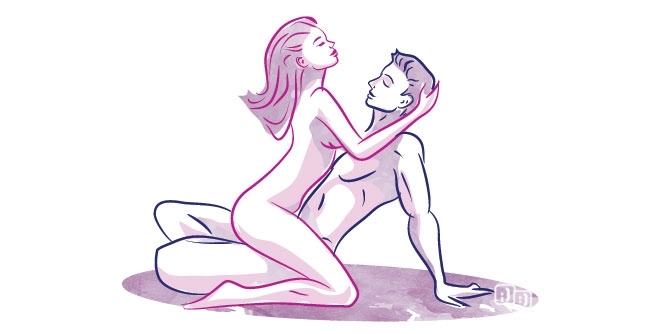
- Definition & Origins: The “Rock Horse” position typically refers to a variation where the receiving partner (often, but not exclusively, the penetrated partner) kneels or squats over the giving partner, who is lying on their back. The receiving partner then rocks forward and backward or up and down in a controlled, rhythmic motion, controlling the depth, angle, and pace. The name likely evokes the visual and physical sensation of riding or rocking, similar to a horse’s gait. Its exact origins are unclear but it draws from elements of Cowgirl and Reverse Cowgirl positions.
- Presence in Pop Culture: While not always explicitly named “Rock Horse,” the core mechanics frequently appear in adult entertainment and are discussed in online forums and sex-positive communities focused on enhancing intimacy and exploring new sensations. It’s often highlighted for the control it offers the receiving partner.
- Purpose of This Guide: Our aim is to offer a balanced, informative, and practical resource. We’ll cover the technique in detail, explore potential benefits, address safety considerations head-on, and provide actionable steps for trying it yourself, always prioritizing communication and mutual consent.
2. Detailed Breakdown of the Rock Horse Position
- Basic Position Description:
- Participant Positions: The giving partner lies flat on their back on a bed or other comfortable surface. The receiving partner kneels or squats over them, facing either towards the giving partner’s head (similar to Cowgirl) or feet (similar to Reverse Cowgirl). Knees are typically positioned outside the giving partner’s hips.
- Body Alignment & Core Action: The receiving partner maintains a relatively upright torso or leans slightly forward/backward. The core movement involves rocking the pelvis forward and backward (anteroposterior motion) or lifting the hips up and down (vertical motion), using the legs and core muscles to control the rhythm and depth of penetration or stimulation. Key: The receiving partner controls the movement and pace.
- Variations & Adjustments:
- For Flexibility/Body Type: If kneeling is uncomfortable, the receiving partner can place one foot flat on the surface for better stability (“Pistoning” variation). Using pillows under the giving partner’s hips can alter the penetration angle. The receiving partner can lean further forward, resting hands on the bed or partner’s chest for support, or lean back for different sensations.
- Hybrid Variations: Combine with Cowgirl (facing partner, leaning forward for intimacy/clitoral stimulation) or Reverse Cowgirl (facing away, emphasizing visual appeal and G-spot/P-spot stimulation). Incorporate elements of grinding or circular motions instead of purely rocking.
- Ideal Environment & Equipment Suggestions:
- Surface: A firm yet slightly yielding surface is best – a mattress on the floor, a sturdy bed, or a supportive sofa. Avoid overly soft surfaces that make maintaining position difficult.
- Support Tools: Pillows are essential for comfort and angle adjustment (e.g., under the giving partner’s lower back/hips, or under the receiving partner’s knees). A sex wedge or liberator cushion provides excellent, stable support. A sturdy chair (without arms) can be used if the giving partner sits upright while the receiving partner kneels/squats facing them.
3. Step-by-Step Guide to Trying the Rock Horse
- Preparation is Key:
- Communication & Consent: Discuss the idea with your partner beforehand. Express interest, ask if they’re curious, and clearly establish mutual consent. Talk about any concerns or boundaries. This is non-negotiable.
- Warm-up & Comfort Check: Engage in ample foreplay to ensure arousal and natural lubrication. Perform gentle stretches (especially hips, thighs, lower back). Apply lubricant generously – even if natural lubrication is present, extra lube reduces friction and enhances comfort, especially during dynamic movements. Check in verbally: “How does this feel?” “Are you comfortable?”
- Execution:
- Initial Positioning: The giving partner lies comfortably on their back. The receiving partner carefully kneels or squats over them, positioning themselves for penetration or stimulation. Take a moment to find balance and comfort. The giving partner can help guide initial entry if needed.
- Finding the Rhythm: The receiving partner begins with slow, shallow rocking or lifting motions. Focus on maintaining control and balance. Start slow. Experiment with different angles (leaning forward, sitting upright, leaning back slightly) and directions of movement (forward-back, up-down, small circles).
- Coordination & Control: The receiving partner controls the pace and depth. The giving partner can provide feedback, place hands on the receiving partner’s hips/thighs for gentle guidance (with consent), or simply enjoy the sensations. Communication during is vital: “Faster?” “Slower?” “Deeper?” “This angle good?”.
- Avoiding Common Mistakes:
- Rushing: Starting too fast increases the risk of discomfort or injury.
- Poor Support: Not using pillows or having an unstable surface leads to strain or loss of balance.
- Ignoring Signals: Disregarding verbal or non-verbal cues of discomfort from either partner.
- Neglecting Lubrication: Friction builds quickly; reapply lube as needed.
- Transitioning & Aftercare:
- Changing Position: To transition smoothly, slow the rocking motion. The receiving partner can lower down gently onto their partner or carefully shift to a kneeling/sitting position before moving to another pose. Communicate the change: “Ready to switch?”
- Aftercare: Hydrate. Cuddle and reconnect. Engage in post-sex communication: “What did you enjoy?” “Anything we should adjust next time?” “How are you feeling?” This builds trust and enhances future experiences.
4. Potential Benefits & Unique Characteristics of the Rock Horse
- Physical Benefits & Sensations:
- Muscle Engagement: For the receiving partner, it actively engages core muscles, glutes, thighs, and pelvic floor muscles, offering a potential workout element.
- Enhanced Stimulation: Allows the receiving partner to precisely target angles and depths for optimal G-spot, P-spot, or clitoral stimulation (especially when leaning forward). The rocking motion can create unique, intense sensations for both partners compared to simple thrusting. The giving partner often enjoys the visual and the feeling of being ridden.
- Psychological & Relationship Benefits:
- Empowerment & Control: Places agency firmly with the receiving partner, allowing them to dictate pace, depth, and sensation, which can be highly empowering and pleasurable.
- Variety & Excitement: Introducing new positions like Rock Horse breaks routine and adds novelty, keeping intimacy exciting.
- Trust & Communication: Successfully exploring this position requires and fosters trust, active listening, and clear communication between partners.
- Comparison to Other Positions:
- Vs. Standard Cowgirl/Reverse Cowgirl: Rock Horse emphasizes a distinct rocking or pistoning motion rather than just bouncing or grinding. It often involves a more upright or controlled torso position. It provides the receiving partner with arguably more precise control over the specific angle and type of movement.
- Unique Advantages: Offers deep penetration potential; allows the receiving partner to fine-tune stimulation; excellent for partners where one enjoys being more visually engaged or prefers a passive/receptive role while the other takes active control; builds lower body strength.
5. Safety First: Crucial Considerations & Risk Mitigation
- Physical Safety:
- Joint & Muscle Strain: The kneeling/squatting position can strain knees, hips, and lower back. Solution: Use pillows under knees, adjust position frequently, take breaks, and LISTEN to your body. Stop immediately if sharp pain occurs. Focus on controlled movements, not speed or force.
- Pre-existing Conditions: Not recommended for individuals with significant knee, hip, or lower back problems (e.g., arthritis, recent injury, herniated discs) without consulting a doctor or physical therapist. Adjustments (like using a chair or one-foot-down variation) might be necessary, or it might be best avoided.
- Sexual Health & Comfort:
- Lubrication is Essential: The rocking motion creates significant friction. Use a high-quality, body-safe lubricant (water-based or silicone-based, depending on your needs and condom/material compatibility). Reapply frequently. Dryness leads to discomfort, microtears, and increased STI risk.
- Recognizing Discomfort: Pay close attention to your own body and your partner’s cues. Signs include grimacing, tensing, pulling away, verbal expressions (“Ow,” “Slow down,” “That angle hurts”), or holding breath. Stop immediately if discomfort arises. Adjust position, add more lube, or switch activities.
- Ongoing Communication & Consent:
- Continuous Check-ins: Don’t just ask once. Regularly ask, “You good?” “Still comfortable?” “Need to adjust?” Use simple, clear language. Encourage your partner to speak up instantly.
- Graceful Pausing or Changing: If either partner needs to stop or change, it’s simple: slow down, stop the movement, and communicate. “Need a sec?” “Let’s try something else?” “My knee needs a break.” There should be no pressure or guilt associated with stopping. Consent is ongoing and can be withdrawn at any time.
6. Frequently Asked Questions (FAQ)
- “Is the Rock Horse position suitable for everyone?”
- While many couples can enjoy it, it requires reasonable flexibility, core strength, and healthy knees/hips/back from the receiving partner. It might be challenging for beginners or those with mobility limitations. Start slowly, use supports, and prioritize comfort over acrobatics. Listen to your body.
- “How do we find the right rhythm and angle?”
- Start slow and shallow. Experiment deliberately. The receiving partner should try small variations: lean slightly forward, sit upright, lean back a bit. Try rocking forward-back, then up-down. Pay attention to what feels best for both partners. Constant, gentle communication is the key: “Try that angle again?” “A little slower?” “That spot feels amazing.” It’s a process of discovery together.
- “Is it safe during pregnancy or with certain health conditions?”
- Pregnancy: Generally, positions where the pregnant partner controls depth and pace can be good. However, deep penetration or positions putting pressure on the abdomen might be uncomfortable later in pregnancy. Kneeling/squatting might also become difficult. Crucially, consult your doctor or midwife. They can offer personalized advice based on your specific pregnancy.
- Health Conditions: If you have chronic back pain, knee/hip issues (like arthritis), heart conditions, or other significant health concerns, consult your doctor or a physical therapist before attempting positions requiring significant exertion or flexibility like the Rock Horse. Safety is paramount.
- “What if we try it and it causes discomfort?”
- Stop the movement immediately. Communicate clearly: “That hurts,” “Stop,” “Need to adjust.” Apply more lubricant if needed. Change position slightly or try a different variation. If discomfort persists, switch to a different position or activity entirely. Afterwards, discuss what caused the discomfort calmly so you can avoid it next time or decide if this position isn’t right for you. Never ignore pain.
7. Professional Insights & Further Resources
- Expert Perspectives: Sex therapists and educators often emphasize the benefits of positions like Rock Horse that prioritize active participation and control for the receiving partner. Dr. Emily Morse, sexologist and host of the “Sex With Emily” podcast, frequently discusses the importance of female-led positions for enhancing female pleasure. Experts consistently stress that communication, lubrication, and comfort are the true fundamentals of great sex, regardless of the position.
- Trusted Resources for Further Learning:
- Websites: Focus on reputable health and wellness sites known for accurate, sex-positive information:
- Planned Parenthood (www.plannedparenthood.org): Comprehensive sexual health info, including guides on sexual pleasure and communication.
- American Sexual Health Association (www.ashasexualhealth.org): Resources on sexual health, pleasure, and relationships.
- O.school (www.o.school): Sex-positive online platform offering live classes and workshops on pleasure, technique, and communication (often requires subscription).
- Healthline – Sexual Health Section (www.healthline.com/health/sexual-health): Well-researched articles on various topics.
- Books: Consider “Come As You Are” by Emily Nagoski (focuses on female desire and pleasure science), “The Guide to Getting it On” by Paul Joannides (comprehensive and inclusive sex manual), or “She Comes First” by Ian Kerner (focuses on techniques for female pleasure).
- Educational Adult Platforms: If seeking visual references, look for platforms emphasizing education and ethical production alongside pleasure, like MakeLoveNotPorn (real-world, user-submitted videos) or content from ethical studios/filmmakers often discussed in sex-positive media (e.g., Erika Lust). Always prioritize platforms that emphasize consent and performer well-being.
- Websites: Focus on reputable health and wellness sites known for accurate, sex-positive information:
- Partner Communication Tools: Discussing new sexual ideas can feel awkward. Use “I” statements: “I’m curious about trying…” or “I read about this position called Rock Horse that sounds interesting.” Focus on mutual pleasure: “I think this could feel really good for both of us.” Set the stage for a positive conversation outside the bedroom when you’re both relaxed. Offer reassurance: “We can just talk about it, no pressure to do it.” Utilize resources like the Planned Parenthood communication guides or app-based intimacy builders like Kindu.
8. Conclusion: Exploration Grounded in Respect
The Rock Horse position offers a pathway to intense sensations, deeper connection, and shared exploration. Its potential lies in the control it grants the receiving partner and the unique rhythmic stimulation it provides. However, its success hinges entirely on factors far more fundamental than physical technique.
Prioritizing open communication, enthusiastic and ongoing consent, meticulous attention to comfort (especially through lubrication), and genuine respect for each other’s boundaries and signals is non-negotiable. These are the pillars of not just exploring the Rock Horse safely, but of nurturing a fulfilling and satisfying sexual connection overall.
Approach this or any new sexual adventure with curiosity, patience, and a spirit of collaboration. Listen attentively to your partner and your own body. True sexual satisfaction stems from mutual connection, understanding, and respect, not from mastering any specific acrobatic feat. Explore with care, communicate openly, and above all, prioritize pleasure that feels good and safe for everyone involved.