Do Women Have a G Spot in Their Butt? Debunking Common Myths
The short answer is no. The Gräfenberg spot—better known as the G spot—is an area of heightened sensitivity located on the anterior (front) vaginal wall, roughly 3–5 cm inside the vaginal opening. Because the vagina and rectum share a thin septum, some people mistakenly believe the G spot can be accessed or stimulated through the anus. While anal play can feel pleasurable for many women, that pleasure comes from the rich network of pudendal-nerve endings around the anus and the indirect pressure that may be transmitted to the vaginal wall—not from a distinct “G spot” hidden in the butt. A 2022 review in the *Journal of Sexual Medicine* found no histological evidence of specialized erectile tissue in the rectal wall that would correspond to the G spot. In short, the butt is sensitive, but it is not where the G spot lives.
Understanding the True Location of the G Spot in Female Anatomy
To locate the G spot, insert a clean, lubricated finger palm-up into the vagina and make a “come-hither” motion toward the belly button. The tissue often feels slightly ridged or spongy compared with the smoother surrounding wall. Ultrasound studies led by Dr. Emmanuele Jannini at Tor Vergata University (Italy) show that this region corresponds to the junction where the urethra, clitoral bulbs, and para-urethral glands meet. Crucially, the clitoris is far larger than its external glans; its internal crura flank the vagina, so G-spot stimulation is essentially clitoral stimulation from another angle. Understanding this integrated anatomy helps explain why some women experience stronger orgasms from penetration, while others prefer external touch. Either way, the G spot remains on the vaginal side of the urethra, not on the rectal side of the bowel.
Scientific Evidence: Is the G Spot Found in the Buttocks?
Peer-reviewed research has never identified a macroscopic structure in the gluteal region or rectum that meets the physiological criteria of the G spot. A 2021 systematic scan of 96 pelvic-MRI datasets (Hendrickson et al., *Clinical Anatomy*) found no thickened submucosal layer or increased vascularity in the rectal wall analogous to the anterior vaginal wall. What the data do show is that the rectum is separated from the vagina by a fascial plane only 2–5 mm thick; during anal penetration, a toy or penis can push the anterior rectal wall against the posterior vaginal wall, indirectly stimulating the internal clitoris or G-spot region. This “shared wall” phenomenon is often misinterpreted as proof of a “butt G spot,” but it is simply mechanical transmission of pressure, not evidence of a distinct erogenous organ in the anus itself.
Female Sexual Anatomy: Clarifying G Spot vs. Other Erogenous Zones
Confusion arises because the human pelvis is packed with overlapping nerve pathways. The clitoris, vagina, anus, perineum, and cervix all relay sensation via the pudendal, pelvic, and vagus nerves. A 2018 Rutgers University fMRI study mapped distinct but adjacent cortical regions activated by clitoral, vaginal, cervical, and anal stimulation. While each zone can produce pleasure, only the anterior vaginal wall has been consistently associated with the “need-to-pee” sensation and rapid orgasmic build-up that characterizes G-spot arousal. Labeling every pleasurable spot as a “G spot” dilutes the term’s meaning and can lead people to overlook the unique wiring of each area. Respect the nerves: the clitoris for precision, the vagina for pressure, the anus for fullness, and the G spot for that blended front-wall response.
How to Identify and Stimulate the G Spot Correctly
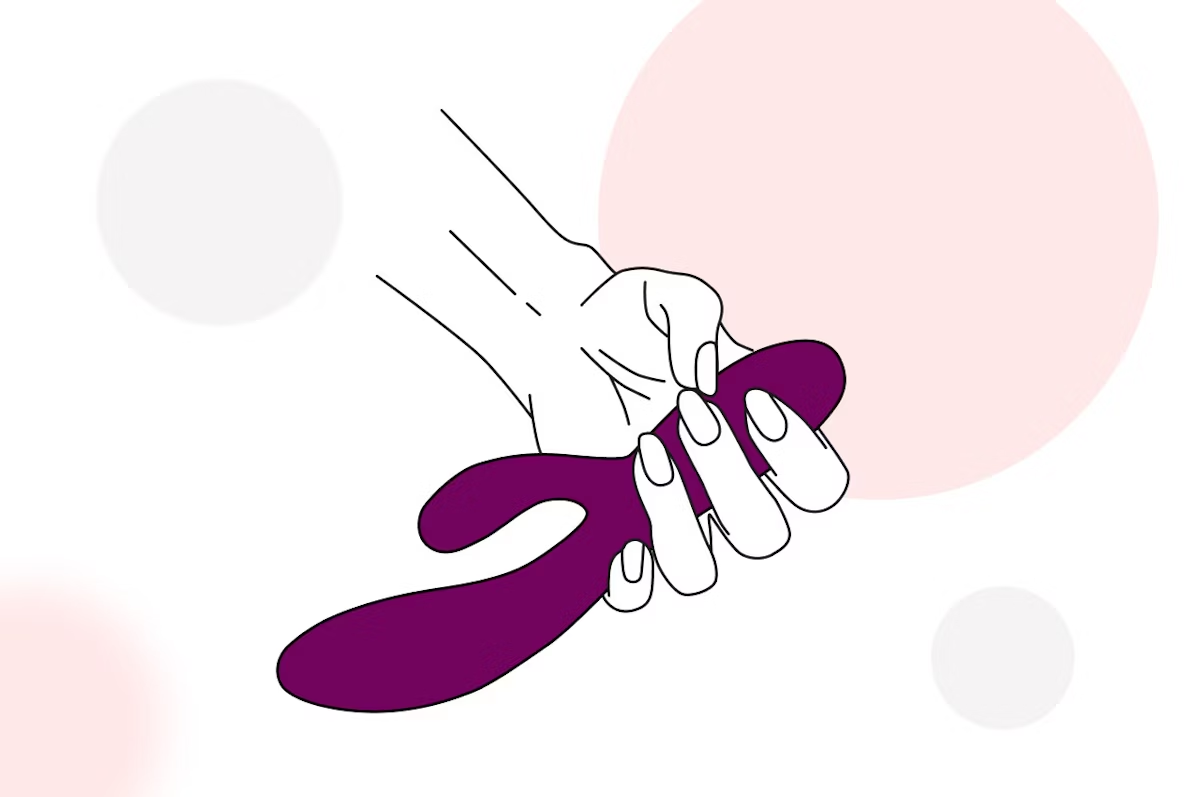
Begin with arousal; blood flow enlarges the urethral sponge and makes the G spot easier to feel. Apply a generous amount of water-based lubricant to a clean finger or curved toy. Insert 3–5 cm and angle toward the belly—think 12 o’clock if the vaginal opening is a clock face. Use firm, rhythmic pressure rather than light stroking; many women prefer a “tapping” or circular motion at 1–2 Hz. Communication is key: ask your partner to rate pressure on a 1–10 scale and adjust. If exploring solo, a stainless-steel or glass toy with a pronounced curve can maintain consistent pressure. Orgasm may feel deeper and more “thuddy” than clitoral peaks, sometimes accompanied by female ejaculate from the para-urethral glands. Remember, not every woman enjoys G-spot focus; treat it as an optional menu item, not a required destination.
Anal Sensitivity in Women: Exploring Nerve Endings and Pleasure
The external anal sphincter is ringed by sensory fibers from the pudendal nerve, while the internal canal carries autonomic fibers that respond to stretch. These pathways can translate fullness into erotic sensation, especially when the anterior rectal wall indirectly compresses the vagina. A 2020 survey of 4,200 American women published in *Sexual Medicine* found that 36 % of respondents reported orgasm during anal sex, but most attributed it to combined clitoral stimulation or simultaneous vaginal toy use—not to a mythical “anal G spot.” Safety matters: use condoms, switch condoms before vaginal contact, and choose toys with flared bases. Gradual dilation with smaller plugs increases comfort and reduces micro-tears. Go slow, use lube liberally, and stop if pain exceeds a 3/10. Pleasure is possible; a G spot relocation is not.
Do Women Have a G Spot in Their Butt? A Medical Expert’s Perspective
Dr. Debby Herbenick, professor at the Indiana University School of Public Health, states unequivocally: “There is no anatomical structure in the anus that corresponds to the G spot.” In her 2021 column for the *Kinsey Confidential*, she explains that the term “G spot” should be reserved for the anterior vaginal wall area rich in para-urethral glands and neurovascular tissue. While anal penetration can feel wonderful, calling the rectum a G-spot location “confuses the public and muddies sexual-health messaging.” The American College of Obstetricians and Gynecologists (ACOG) does not list any “anal G spot” in its 2023 terminology bulletin. Experts encourage exploration but caution against anatomical misinformation that can lead to unsafe practices such as overly vigorous thrusting or numbing creams that mask injury. Listen to the pros: enjoy the butt for what it offers, and leave the G spot where science found it.
Common Misconceptions About G Spot and Butt-Related Queries
Myth #1: “The G spot is a magic button hidden in the butt.” Fact: it is a region, not a discrete button, and it is vaginal. Myth #2: “Every woman can ejaculate if you hit the anal G spot.” Fact: ejaculation comes from para-urethral glands on the vaginal side; anal pressure may help only if it indirectly stimulates those glands. Myth #3: “If anal sex feels good, that proves the G spot is there.” Fact: pleasure proves nerve endings, not organ relocation. Myth #4: “You need to ‘deep-clean’ with laxatives to find it.” Fact: douching the rectum is optional for comfort, but over-cleansing disrupts mucus and increases STI risk. Myth #5: “A bigger toy automatically finds the G spot deeper inside the butt.” Fact: the rectum angles toward the spine; ramming forward can cause perforation. Clear up the folklore, stick to anatomy, and pleasure becomes safer and more satisfying.
The Role of the Rectum and Anus in Female Sexual Pleasure
Beyond the absence of a G spot, the rectum offers unique sensations worth exploring responsibly. The puborectalis sling creates a natural “curve” that can cradle a toy, providing a feeling of fullness that many women describe as psychologically arousing. During climax, pelvic-floor contractions tighten around any inserted object, amplifying orgasmic intensity. Some women enjoy the taboo aspect, which can heighten dopamine release. Communication and consent remain paramount: discuss STI testing, use barriers, and agree on a safe word. Warm-up with external rimming or small plugs to relax the sphincter. Post-play, wash toys with antibacterial soap and inspect for blood; minor spotting can occur, but frank bleeding warrants medical review. Celebrate the anus on its own merits—rich nerves, intense contractions, and emotional thrill—without forcing it into a G-spot narrative it simply does not fit.
Educational Guide: Dispelling Myths About G Spot Location
Sex educators recommend the “three-source” rule: verify any claim with at least one peer-reviewed study, one accredited medical site (e.g., ACOG, NHS), and one certified sex-therapy organization (e.g., AASECT). Blogs that promise a “secret anal G spot” rarely pass this test. When reading, watch for red flags: anecdotal “it worked for me” stories, affiliate links to oversized toys, or advice to ignore pain. Instead, consult 3-D pelvic atlases that overlay muscle, nerve, and vascular layers; you will see that the para-urethral glands simply do not extend into the rectum. Share accurate infographics on social media to counter viral misinformation. If teaching a partner, use a silicone model to demonstrate angles and depths. Knowledge is an aphrodisiac: when both parties understand real anatomy, exploration becomes confident, consensual, and far more fun.
Safe Practices for Exploring Female Pleasure Zones
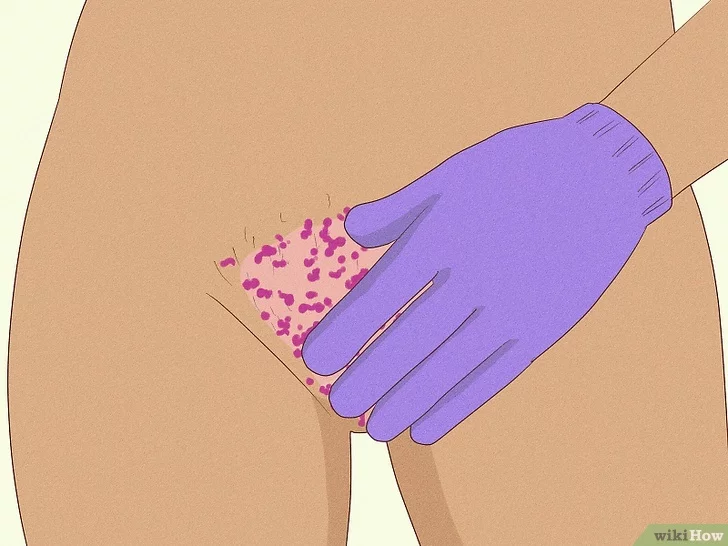
Start with a yes: enthusiastic, informed consent for each zone—clitoral, vaginal, anal, or cervical. Stock a “pleasure toolkit”: water-based lube (compatible with condoms), nitrile gloves for fingering, silicone plugs with flared bases, and color-coded condoms to prevent cross-contamination. Trim nails and file edges; micro-cuts are infection highways. For anal play, warm up for at least 10 minutes with external massage or small dilators. Never use numbing agents—pain is your early warning system. After anal, discard the condom and wash hands before touching the vulva to avoid transferring gut bacteria. Schedule regular STI screenings every 3–6 months if you have multiple partners. Finally, debrief: ask what felt good, what felt neutral, and what should change next time. Safe sex is not just disease prevention; it is an ongoing conversation that keeps pleasure sustainable and satisfying.
Do Women Have a G Spot in Their Butt? Facts vs. Fiction
Fiction: “There’s a second G spot lurking behind the rectum.” Fact: MRI dissections show no erectile tissue cluster there. Fiction: “You need a special curved dildo to reach the anal G spot.” Fact: curved toys are great for prostate owners, not for a non-existent anal G spot in women. Fiction: “Female ejaculate is rectal fluid.” Fact: chemical analysis reveals ejaculate is prostatic-specific antigen (PSA) rich fluid from para-urethral glands, not rectal mucus. Fiction: “If you haven’t found it, you haven’t gone deep enough.” Fact: the rectum is only 10–15 cm long before the sigmoid bend; “deeper” risks colonic injury. Stick to the facts: the G spot is vaginal, the anus is separately pleasurable, and fiction belongs in erotica—not in anatomy lessons.
Anatomical Insights: Why the G Spot Isn’t in the Butt
Embryologically, the vagina derives from the Müllerian ducts and the rectum from the cloaca, two distinct tube systems separated by the urorectal septum. By week 8 of fetal development, these structures are already partitioned; they never share erectile tissue. Histologically, the anterior vaginal wall contains a dense plexus of blood vessels and mucous glands that swell upon arousal—tissue absent in the rectal submucosa. The closest structure to a “back-door pleasure bulb” is the perineal sponge, a cluster of veins between the vagina and anus, but it still lies on the vaginal side. Simply put, nature never installed a G-spot app in the rectal operating system. Understanding this developmental separation clarifies why no amount of wishful thinking—or vigorous thrusting—can relocate the G spot to the butt.
Sexual Health 101: Addressing Curiosities Like “G Spot in Butt”
Curiosity is healthy; misinformation is not. When patients ask about an “anal G spot,” clinicians at Planned Parenthood use the teach-back method: they explain the anatomy, then ask the patient to repeat it in their own words to ensure comprehension. This reduces shame and increases safer-sex compliance. School-based sex ed still omits pleasure, driving teens to porn for answers where fantasy blends with fact. Parents can counter this by offering books like *Come As You Are* by Dr. Emily Nagoski, which dedicates chapters to accurate pleasure anatomy. Online, redirect queries to evidence-based sites such as ACOG’s “FAQs on Female Sexual Anatomy” or the American Sexual Health Association (ASHA). Normalize questions: every query is a chance to replace myth with medically sound, pleasure-affirming knowledge.
Do Women Have a G Spot in Their Butt? Key Takeaways for Sexual Education
1. The G spot is an anterior-vaginal-wall region, not a rectal structure. 2. Anal play can feel great due to pudendal-nerve endings and indirect vaginal pressure, but that is not a “butt G spot.” 3. MRI, histology, and expert consensus all confirm the absence of G-spot tissue in the rectum. 4. Safe exploration requires consent, lubrication, flared-based toys, and STI protection. 5. Pleasure is multifaceted: celebrate the clitoris, G spot, anus, and mind separately or together—no need to invent new anatomy. Share these five bullet points with partners, classmates, or readers, and you will help create a culture that values accurate, shame-free, and enjoyable sex education for everyone.