Are Vibrators Waterproof? The Essential Guide to Water Resistance
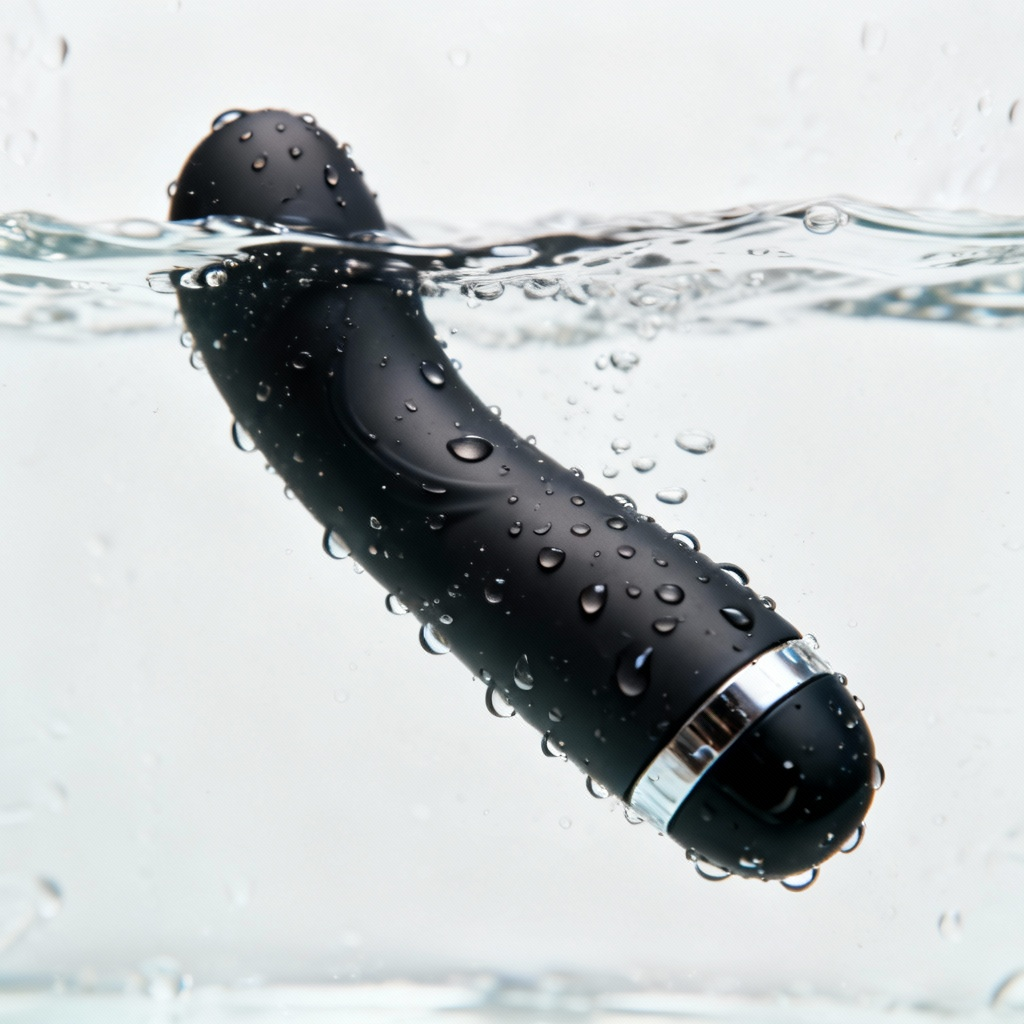
When shoppers type “are vibrators waterproof” into Google, they usually want one thing: a straight answer before they take a toy into the shower or tub. The short version is “some are, some aren’t,” but that oversimplifies a critical safety issue. A truly waterproof vibrator is sealed with silicone gaskets around the charging port or battery compartment and has undergone submersion testing. Cheap “splash-proof” models may survive a rinse under the faucet but can fail catastrophically if fully dunked. According to a 2022 survey by the Kinsey Confidential blog, 38 % of users who damaged a toy did so by assuming it was safe for bath play. Always look for the words “submersible” or a specific IP rating on the packaging; if the box only says “water-resistant,” treat it like a pricey smartphone—keep it away from full immersion.
Understanding Waterproof Ratings: What Does “Are Vibrators Waterproof” Really Mean?
Marketing departments love the word “waterproof,” but engineers rely on Ingress Protection (IP) codes. The most common rating for premium vibrators is IPX7, which guarantees protection against immersion in up to one meter of water for 30 minutes. IPX6 means the device can withstand powerful jets—think shower head—but not submersion, while IPX4 only shrugs off splashes. The leading trade journal *IEEE Spectrum* notes that IP testing is voluntary for consumer intimate devices, so reputable brands such as We-Vibe and Lelo pay third-party labs to certify claims. If the packaging lacks an IP code, check the instruction leaflet or the company’s EU-based Declaration of Conformity, which is legally required to list tested standards. Remember that IP ratings apply to fresh water; chlorinated pools or salty ocean water can degrade seals faster than tap water.
Waterproof vs. Water-Resistant Vibrators: Know the Crucial Difference
Confusing “water-resistant” with “waterproof” is the fastest way to turn a $150 purchase into a paperweight. Water-resistant typically means the external shell will repel minor splashes during cleaning, but the motor compartment is only lightly sealed. Waterproof vibrators, on the other hand, use O-ring seals and magnetic or fully sealed USB charging ports to keep H₂O away from circuitry. A simple at-home test can clarify what you own: remove the battery or charging cable, submerge the toy in a clear glass of water for ten minutes, and watch for air bubbles. A steady stream of bubbles indicates compromised seals—dry it immediately and retire it from aquatic play. Consumer Reports warns that even one accidental dunk can corrode internal solder joints, creating a shock hazard when the device is next recharged.
Best Waterproof Vibrators for Shower and Bath Fun
If you want reliable shower or bathtub thrills, choose models specifically marketed as “submersible” and backed by at least an IPX7 rating. The We-Vibe Tango X, Lelo Soraya Wave, and Satisfyer Pro 2 Gen 3 consistently top *Women’s Health* magazine’s annual waterproof round-ups because they combine strong motors with fully sealed housings. Silicone-sleeved bullets are ideal for beginners: they’re lightweight, quiet, and float if accidentally dropped. For couples, a waterproof cock ring such as the Lovense Diamo adds clitoral stimulation without risking water damage. Price correlates with seal quality; sub-$30 toys rarely undergo third-party IP testing. Before first use, inspect the charging port for lint or rubber gasket damage—any debris can compromise the seal and void the warranty. Finally, always tighten the battery compartment firmly; hand-tight plus an extra quarter-turn is the sweet spot recommended by most manufacturers.
How to Safely Use Your Waterproof Vibrator in Water
A waterproof rating does not make a toy invincible. Start by checking water temperature: prolonged exposure to water hotter than 40 °C (104 °F) can warp silicone and degrade adhesives. Apply a thick, silicone-based lubricant before play; water washes away water-based lube quickly, increasing friction on delicate genital tissue. Keep the control buttons facing up in the tub; trapped air around the button membrane helps prevent seepage. Avoid dropping the device on porcelain—hairline cracks in the shell can breach the seal. After use, rinse the toy with fresh water to remove soap or bath oil, then dry thoroughly before opening any charging port. The American Sexual Health Association notes that residual moisture in the DC socket is the number-one cause of post-bath corrosion. Store the vibrator upright with the port uncapped overnight to let trapped humidity evaporate.
Cleaning and Caring for Your Waterproof Vibrator: A Step-by-Step Guide
Proper aftercare extends the life of your waterproof vibrator by years. First, unplug or ensure the travel lock is engaged to prevent accidental activation. Wash the toy with mild, unscented soap and lukewarm water for 60 seconds, using your fingers rather than a brush that could scratch silicone. For textured surfaces, a soft toothbrush reserved solely for toys can dislodge bodily fluids. Rinse until no soap film remains; residue can degrade silicone over time. Pat dry with a lint-free cloth, then air-dry for at least 30 minutes. Once completely dry, store the vibrator in a breathable cotton pouch—plastic bags trap moisture. Every three months, apply a thin layer of silicone-safe renewal powder (pure cornstarch works) to prevent tackiness. Finally, inspect O-rings for cracks; replacement gaskets cost under $5 and can restore full waterproof status if installed correctly.
Potential Risks: What Happens if a Non-Waterproof Vibrator Gets Wet?
Submerging a toy that is merely splash-proof can lead to battery corrosion, motor failure, and—worst case—electrical shorting that causes minor burns or shocks. Lithium-ion cells react violently with water, swelling and leaking caustic electrolyte. A 2021 report by the UK’s Office for Product Safety and Standards documented 12 cases of “intimate device thermal events,” half of which involved water ingress. If your vibrator accidentally falls into the tub, power it off immediately, remove the battery if possible, and place the unit in a sealed container with uncooked rice or silica gel for 48 hours. Do not attempt to charge it until an authorized technician tests the circuitry; attempting to power a water-damaged lithium cell can ignite a fire. Most manufacturers explicitly exclude water damage from warranty coverage, so prevention is far cheaper than replacement.
Finding the Perfect Waterproof Vibrator for Your Needs
Start by listing your preferred aquatic scenarios: a discreet shower quickie demands a quiet bullet, while a long soak calls for a larger, ergonomic wand with extended battery life. Check decibel levels—anything under 50 dB is virtually inaudible under running water. Next, decide on power source; magnetic chargers are easiest to seal, whereas pin-hole DC jacks can trap moisture. Read verified-purchase reviews for phrases like “still working after months of bath use,” and cross-reference them with the brand’s stated IP rating. If you travel often, opt for a travel-lock feature to prevent suitcase activation. Finally, set a budget ceiling but be prepared to stretch by 15 % for a proven brand; the extra cost buys certified seals, better motors, and a one-year warranty that actually covers water-related defects. Remember that the perfect waterproof toy is the one you reach for without second-guessing its safety.