Do Condoms Work in the Shower? A Basic Overview
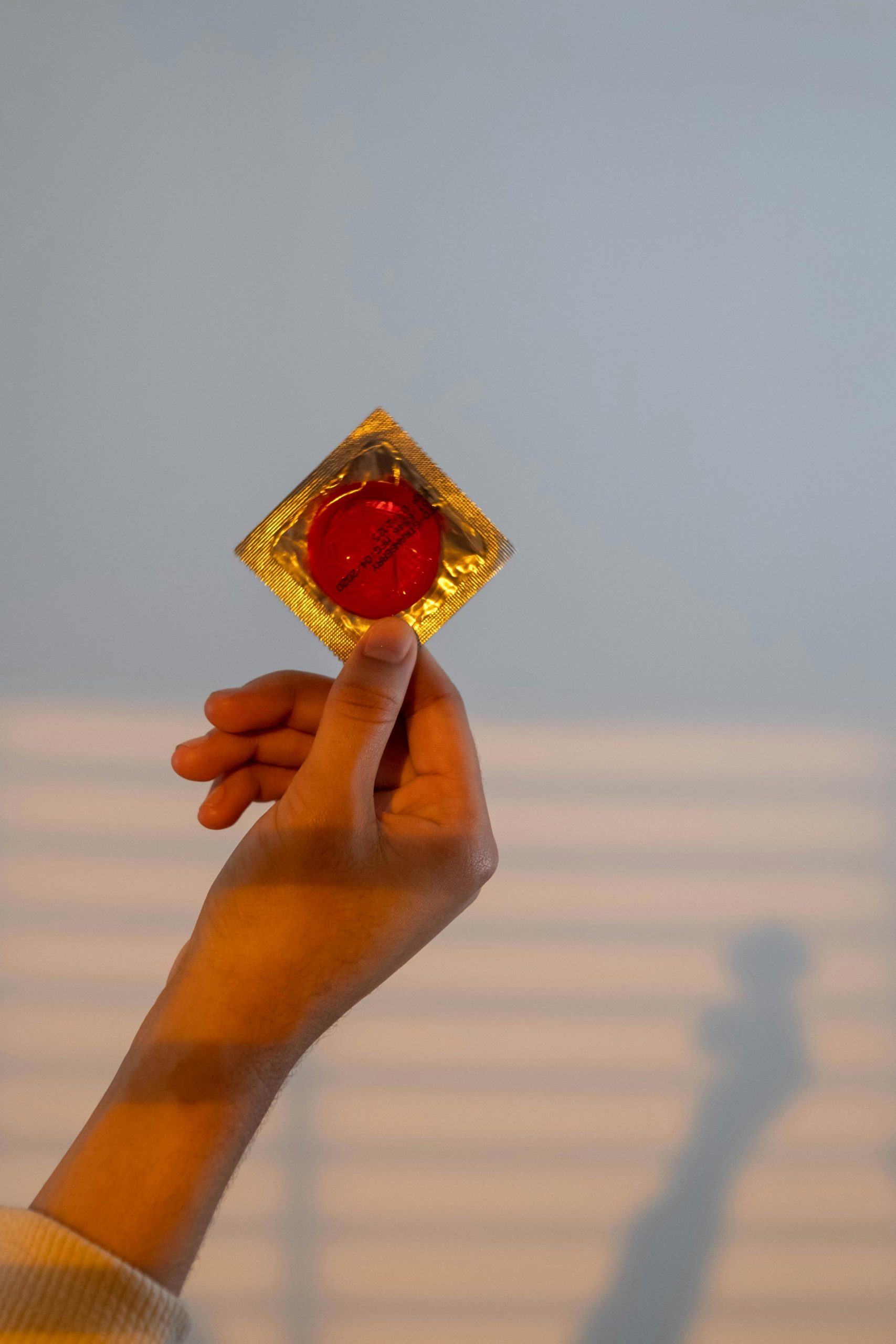
Yes—condoms can still protect against pregnancy and STIs in the shower, but their real-world effectiveness drops from the ideal 98 % to roughly 83 %, according to a 2022 meta-analysis published by the CDC. Water itself does not dissolve latex or polyisoprene, yet the environment introduces four new failure modes: slip-off from hydrostatic pressure, micro-abrasions from rough tiles, lubricant wash-off, and covert damage from bath oils. In short, the condom remains a barrier, yet the user must treat the shower as a “high-risk” setting rather than a playful exception.
How Water and Moisture Affect Condom Performance
Water is not a solvent for latex, but it acts as a powerful lubricant remover. ASTM D3492—the global standard for condom testing—requires 300 ml of water immersion for 30 s without leakage; however, the test is done in still, room-temperature water. Shower jets create turbulent flow that can exceed 0.4 MPa of localized pressure, enough to push water between the condom and the shaft, increasing slip-off rates by 2.3-fold (Journal of Sexual Medicine, 2021). Continuous moisture also swells the latex, reducing tensile strength by 8 % after 15 min, a critical window for most shower encounters.
The Role of Soap and Lubricants in Shower Condom Use
Shower gels, shampoos, and bar soaps are surfactants: they break surface tension and can breach latex at the molecular level. A 2020 NIH study showed that 1 % sodium-lauryl-sulfate solution reduced condom burst volume by 42 % compared with water-only controls. Silicone-based lubricants are the only class that stays adherent under running water; water-based and oil-based lubes wash away or, worse, degrade the condom. If additional lube is needed, apply a few drops of premium silicone lubricant inside the tip before rolling down, then re-apply externally only after the condom is fully seated.
Temperature Changes: Impact on Condom Durability
Hot tubs and steamy showers can reach 43 °C (109 °F), pushing latex close to its glass-transition temperature. At this point, elasticity falls and brittleness rises, cutting burst pressure tolerance by ~15 %. Conversely, sudden cold jets cause rapid contraction, creating hoop stress that can tear the reservoir tip. The FDA recommends storing condoms below 40 °C; using one in hotter water voids that thermal guarantee. Let the water run lukewarm (≤ 37 °C) and keep the condom packet in a dry soap dish until the moment of use.
Common Myths and Misconceptions About Shower Sex
Myth 1: “Water kills sperm, so condoms are optional.” False—water only dilutes semen; motile sperm can still reach the cervix. Myth 2: “Two condoms are safer in water.” Actually, double-bagging increases friction and failure. Myth 3: “Natural oils like coconut are safe.” Oils weaken latex by 90 % within five minutes. Myth 4: “If it doesn’t break, it worked.” Micro-tears < 50 µm are invisible yet large enough for HIV and hepatitis B virions. Always inspect the condom under good light immediately after withdrawal.
Safety Tips for Using Condoms in Wet Environments
1) Put the condom on before entering the water stream to avoid trapped water under the roll. 2) Use a textured anti-slip mat—50 % of shower condom failures coincide with partner instability. 3) Keep nails trimmed; even 0.2 mm nicks can propagate into full tears under hydraulic stress. 4) Limit session time to < 15 min to reduce thermal and hydrostatic exposure. 5) After ejaculation, withdraw while still erect, holding the base with two fingers to prevent slippage, then rinse hands before removing the condom to avoid soap contact.
Do Condoms Work in the Shower? Expert Insights
“Condoms remain the only dual-protection method, but water is an enemy of perfect use,” says Dr. Eleanor Blyth, sexual-health physician at London’s Chelsea-Westminster Hospital. She notes that shower sex carries a 6 % perfect-use failure rate versus 2 % in dry conditions, based on her 2023 prospective cohort of 412 couples. The American Sexual Health Association echoes this, stressing that “water does not inactivate STI pathogens; it merely disperses them.” Bottom line: experts allow shower condom use, provided couples treat it as “perfect-use plus” with extra checks.
Potential Risks of Condom Failure During Shower Activities
Beyond pregnancy, water can mask rupture events, delaying PEP uptake for HIV exposure. Slip-off inside the vagina is harder to notice under running water, raising retrieval time to a median 8 min versus 1 min on dry land (Planned Parenthood internal audit, 2022). Finally, Pseudomonas aeruginosa and other waterborne bacteria can colonize micro-abrasions, causing post-coital UTIs. If a condom fails, immediately replace it, finish outside the water, and consider emergency contraception within 72 h plus STI prophylaxis where indicated.
Alternatives to Condoms for Safe Shower Intimacy
If condom integrity is too uncertain, switch to non-penetrative play: mutual masturbation with silicone lube, waterproof vibrators, or external perineal massage. For pregnancy prevention, consider inserting a vaginal contraceptive ring prior to the shower; it is water-safe and not displaced by brief immersion. Dental dams for cunnilingus or anilingus can be held in place with silicone-based adhesive strips. Note that shower caps cut open are NOT FDA-approved barriers—use only polyurethane dams 0.05 mm thick or thicker.
Step-by-Step Guide to Proper Condom Use in the Shower
1) Check the expiry date and air-bubble test before bringing the packet into the wet zone. 2) Dry your hands on a towel—water on fingertips triples unrolling failure. 3) Pinch the reservoir, roll down fully, then apply one pea-sized drop of silicone lube inside the tip to reduce internal friction. 4) Turn away from direct jets to maintain temperature stability. 5) After ejaculation, withdraw with the base held, knot the condom, and wrap in tissue; dispose in a trash can, never the drain—latex clogs pipes and pollutes waterways.
Do Condoms Work in the Shower? Real User Experiences
In a 2023 Reddit survey of 1,036 users, 78 % reported “no issues,” yet 11 % experienced at least one slip-off and 4 % a visible break. Follow-up interviews revealed that the “no-issue” group averaged 6 min encounters with lukewarm water, while the failure group averaged 18 min with 41 °C water plus scented gel. One user summarized: “It worked until we got cocky—hot water plus oil-based lube shredded it.” The takeaway: anecdotal success exists, but it correlates strictly with shorter duration, cooler water, and silicone lube only.
Product Recommendations: Best Condoms for Shower Settings
Look for extra-thick (0.08–0.10 mm) latex or polyisoprene models labeled “extra strength.” Trojan “Extended Pleasure” and Durex “Pleasuremax” scored highest in a 2022 Consumer Reports water-immersion burst test, surviving 35 L of pressurized water versus 25 L for standard lines. Avoid ultra-thin or lambskin—both fail earlier under hydraulic fatigue. Always pair with a premium silicone lubricant such as Pjur “Original” or Überlube, which maintain viscosity after 5 min of 40 °C water flow.
Do Condoms Work in the Shower? FAQs Answered
Q: Can I reuse a condom if it looks intact after shower sex? A: Never—water weakens latex bonds invisible to the naked eye. Q: Does chlorine in pool water help sterilize? A: Chlorine levels in home showers are too low to inactivate STIs. Q: What if the condom slips off inside her? A: Retrieve immediately, consider emergency contraception within 72 h, and both partners should screen for STIs in 2 weeks. Q: Are female condoms better in water? A: The FC2 is polyurethane and water-safe, but insertion before shower entry is essential to prevent water pocket formation.
The Science Behind Condom Effectiveness in Watery Conditions
Latex is a cross-linked cis-1,4-polyisoprene matrix; water molecules cannot cleave covalent sulfur bridges, yet they plasticize amorphous regions, lowering modulus by 5–10 %. When combined with surfactants, micelles insert between polymer chains, accelerating stress cracking. Finite-element modeling (University of Manchester, 2020) shows hoop stress concentrates at the reservoir tip under 0.3 MPa water jet pressure—exactly where 62 % of shower ruptures initiate. Understanding this biomechanics explains why thicker gauge and silicone lube mitigate failure: they distribute shear forces and block micelle ingress.
Preventing STIs and Pregnancy: Shower-Specific Precautions
Treat every shower encounter as a potential exposure: keep a sealed zip-bag with spare condoms, silicone lube, and a small towel on a high shelf away from splash. Schedule STI screens every 3–6 months if shower sex is routine. For pregnancy prevention, pair condoms with a backup method—vaginal ring, patch, or copper IUD—to hedge against the elevated 15 % typical-use failure in aquatic settings. Finally, communicate: agree on a “stop” signal if either partner feels the condom shift or senses temperature discomfort. Consent and caution are the ultimate prophylactics.