1. What is a Hood Piercing: Definition and Basic Overview
A hood piercing is a body modification that passes through the clitoral hood—the thin fold of skin that covers the glans of the clitoris—without actually piercing the clitoris itself. In Western body-art terminology it is classified as a “genital surface piercing” rather than a deep tissue piercing, which explains why healing is relatively fast (4–6 weeks) and why most wearers retain the ability to remove jewelry without permanent anatomical change. The jewelry rests directly above the clitoral glans, so even small-diameter rings or curved barbells can provide gentle, constant stimulation. According to the Association of Professional Piercers (APP), hood piercings are the most commonly requested female genital piercing in North America because the anatomy required is present in roughly 75 % of people with vulvas. The procedure is typically performed with a sterile 14- or 12-gauge needle and takes under thirty seconds once placement is marked.
2. Types of Hood Piercings: Vertical, Horizontal, and Variations
The vertical hood piercing (VCH) is the gold-standard: a single channel that runs from the apex of the hood down toward the vaginal opening, parallel to the clitoral shaft. Because the jewelry sits like a “saddle” on the glans, VCH is prized for unobtrusive, natural stimulation during walking or intercourse. The horizontal hood piercing (HCH) passes side-to-side above the glans; it is chosen for aesthetic symmetry or when the client’s hood is too shallow for a VCH. Less common variants include the “deep VCH” (placed farther back under the hood), the “triangle hood” (a shallow VCH plus a second exit beside the clitoral shaft), and the “double VCH” (two parallel bars). Jewelry choices mirror the orientation: curved barbells for VCH, captive rings or circular barbells for HCH. APP guidelines warn that improperly angled HCH jewelry can twist under clothing, so many piercers now recommend a 3/8-inch diameter ring to minimize torsion.
3. The Hood Piercing Procedure: Step-by-Step Process
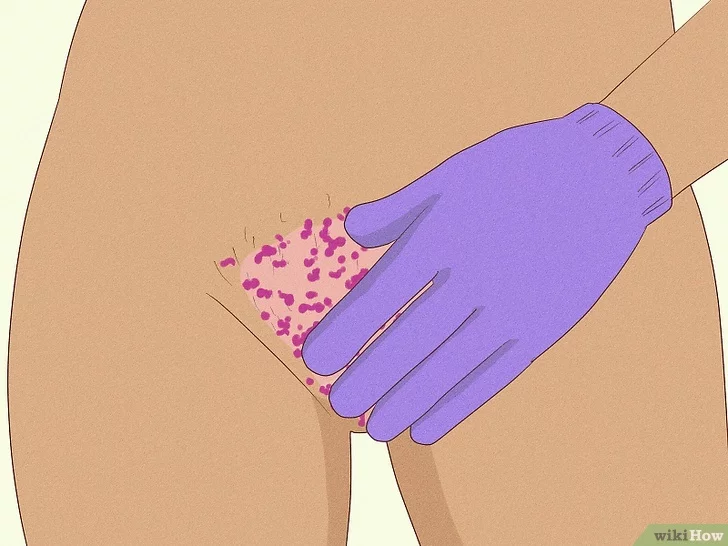
Reputable studios follow a near-medical protocol. First, the piercer performs a visual and digital assessment of hood mobility, clitoral glans exposure, and vascular placement; if the hood is too tight or the glans is deeply recessed, the client is politely declined. After informed consent is signed, the area is prepped with chlorhexidine and marked with two gentian-violet dots while the client stands, sits, and reclines to verify alignment. A single-use 14-gauge needle is guided underneath the hood with a receiving tube that protects the clitoris; jewelry—usually implant-grade titanium curved barbell—is inserted immediately. Bleeding is minimal (a few drops) because the hood is avascular epithelium. The entire process, from cork to aftercare speech, averages eight minutes. Most studios in the U.S. and EU now offer a “no-touch” option where the piercer uses disposable tools only, a COVID-era upgrade that has become permanent best practice.
4. Pain and Healing Time for Hood Piercings: What to Expect
On a 1–10 pain scale, clients routinely rate the actual needle pass at 3–4, describing it as “a hard pinch followed by heat.” The hood’s thinness and the speed of the needle mean the sensation is over in under two seconds. Swelling peaks at 24 hours but rarely exceeds mild puffiness; over-the-counter ibuprofen and cold compresses are sufficient. Healing is superficial—epithelial cells seal the fistula within four weeks—but full tissue maturation takes 6–8 weeks. During this window, abstaining from oral sex and penetrative intercourse is strongly advised to prevent bacterial seeding. A 2022 survey by UKAPP found that 92 % of VCH clients reported “no residual tenderness” by week five, making hood piercings one of the fastest-healing genital modifications. If pain spikes after day three, or if yellow-green discharge appears, the APP recommends a tele-health consult to rule out strep or staph infection.
5. Benefits of Hood Piercings: Enhanced Sensation and Aesthetics
Western wearers often pursue a hood piercing for two synergistic reasons: increased sexual sensation and visual empowerment. Because the jewelry rests directly atop the clitoral glans, small movements—tight jeans, cycling, partner’s touch—translate into gentle, consistent pressure that many describe as “a secret vibrator you can’t forget at home.” A 2020 peer-reviewed study in the Journal of Sexual Medicine (Vol. 17, pp. 1542-1549) found that 87 % of VCH wearers reported “easier orgasm” within six months, although the effect plateaued after one year. Aesthetically, the gleam of titanium or 14-k gold visible only during intimacy is framed by clients as “a private celebration of my body.” For trans and non-binary individuals, a hood piercing can also serve as gender-affirming body art that does not interfere with hormone-related clitoral growth. Importantly, the piercing is invisible under everyday clothing, allowing professional discretion.
6. Risks and Complications of Hood Piercings: Infection and Other Issues
While the hood’s excellent blood supply reduces infection risk compared to ear cartilage, complications still occur in roughly 5 % of cases. Early bacterial infection presents as localized heat, throbbing, and gold-crusted exudate; prompt treatment with oral cephalexin usually resolves it within seven days. Jewelry rejection is rare (<1 %) but possible if the initial barbell is too short or if the client habitually sleeps on their stomach. Allergic contact dermatitis to nickel-containing alloys can mimic infection; switching to ASTM-F136 implant titanium eliminates the reaction. A more subtle issue is “jewelry migration,” where the barbell slowly shifts toward the hood edge; weekly photos help detect 1 mm changes early. The APP emphasizes that DIY removal of infected jewelry can trap bacteria inside, turning a superficial infection into an abscess requiring surgical drainage. When in doubt, leave the jewelry in and consult a piercer or clinician within 24 hours.
7. Aftercare Guide for Hood Piercings: Cleaning and Maintenance Tips
Western aftercare has moved away from harsh antiseptics toward “gentle hygiene plus saline.” Rinse the area with sterile 0.9 % NaCl spray (e.g., NeilMed) twice daily; pat dry with unwoven gauze to avoid lint snagging on threads. Urination is actually beneficial—urine is sterile in healthy individuals and rinses away dead cells—so simply blot afterward rather than performing a full cleanse. Loose cotton underwear changed daily minimizes friction; thongs are fine once swelling subsides. Sexual abstinence is recommended for 4–6 weeks, but if temptation wins, use a polyurethane condom and rinse immediately after to reduce bacterial load. At 6 weeks, visit your piercer for a downsize: shortening the barbell from 7/16″ to 3/8″ prevents chewing and dental damage to partners. Long-term, annual jewelry check-ups catch thread wear; titanium can fatigue after 3–4 years of daily torsion.
8. History and Cultural Context of Hood Piercings in Western Societies
Although genital piercings are ancient, the hood piercing as a named Western practice emerged in the 1980s Los Angeles kink scene. Jim Ward, founder of Gauntlet, documented the first VCH in Piercing Fans International Quarterly (PFIQ, 1983), noting that early jewelry was hand-bent 18-gauge gold wire because barbells were unavailable in small sizes. By the 1990s, the piercing migrated from BDSM clubs to mainstream feminist body-mod circles who reframed it as “clitoral empowerment.” The 2000s saw celebrity endorsements—Christina Aguilera told Cosmopolitan UK (2004) her VCH was “my little secret spark”—and medical acceptance: the 2005 edition of “Body Piercing Medical Issues” listed VCH as the only genital piercing with “documented therapeutic benefit” for anorgasmia. Today, hood piercings sit at the intersection of sexual health, aesthetic choice, and gender autonomy, reflected in their 400 % Google-search increase since 2010.
9. Frequently Asked Questions: What is a Hood Piercing?
Q: Does it go through the clitoris? A: No—by definition a hood piercing avoids the clitoral glans, which is densely innervated and highly vascular. Q: Will I lose sensitivity? A: Long-term studies show no measurable nerve damage; 8 % of wearers actually report heightened sensation once jewelry is removed. Q: Can I get it during pregnancy? A: Technically yes, but swelling and vascularity increase rejection risk; most piercers defer to the second trimester. Q: MRI safety? A: Implant-grade titanium is non-ferromagnetic; inform the radiologist and request a plastic retainer if removal is mandated. Q: Tampon use? A: Safe after week two; change tampons frequently to avoid string snagging. These answers are condensed from the APP’s 2023 client brochure, available free at safepiercing.org.
10. Choosing a Professional Piercer: Safety and Certification Tips
In the U.S., look for membership in the Association of Professional Piercers (APP), which requires annual blood-borne-pathogen training, spore-tested autoclaves, and implant-grade jewelry inventory. EU equivalents include the UKAPP and BMXnet (Germany). Ask to see the piercer’s logbook: the last three spore tests should read “pass.” A hood piercing should never be performed with a piercing gun; the blunt force can bruise the clitoral glans. Observe the setup: needles must be single-use, gloves changed three times (marking, piercing, jewelry insertion), and all tools either sterilized or disposable. Review portfolios—specifically healed VCH photos at 6 weeks—to assess placement consistency. Red flags include refusal to perform anatomy check, unwillingness to discuss jewelry alloy, or studios that smell of cigarette smoke. Price shopping is valid, but anything under $80 in major cities usually signals corner-cutting on jewelry quality.
11. Cost of Hood Piercings: Pricing and Factors Affecting Expense
In 2024, reputable studios in New York, LA, and London charge $100–$150 for the piercing fee plus $40–$120 for basic implant-titanium jewelry. Total out-the-door cost averages $160 in the U.S. and £140 in the UK. Factors inflating price include solid 14-k gold barbells (+$200), custom anodized colors (+$25), and concierge piercers who travel to private homes (+$100 travel fee). Conversely, chain studios offering “$50 VCH specials” often use externally threaded steel, which can harbor bacteria and nickel-leach. Tips are customary—15 % is standard—but not mandatory. Health-insurance reimbursement is rare; however, if the piercing is prescribed by a pelvic-floor therapist for orgasmic dysfunction, some U.S. HSA cards accept the receipt. Budget an extra $30 for sterile saline and a downsize barbell at 6 weeks.
12. Suitability for Hood Piercings: Who Should Consider It
Ideal candidates have a retractable clitoral hood at least 5 mm in vertical depth and a glans that becomes exposed when the hood is gently lifted. Clients on blood thinners can be pierced but should coordinate with their physician to time the dose away from the procedure. Absolute contraindications include active genital herpes outbreak, untreated diabetes (HbA1c >8 %), and hemophilia. Relative contraindications are recent vulvar surgery (wait 6 months) and psoriasis in the genital area. Trans men on testosterone experience clitoral enlargement; many report that a VCH complements bottom growth without interfering with future metoidioplasty. Pregnant clients should defer until postpartum because increased vascularity and swelling raise rejection risk. Ultimately, suitability is determined by a qualified piercer, not by Instagram photos; anatomy varies widely even among siblings.
13. Comparing Hood Piercings to Other Genital Piercings: Pros and Cons
Vs. inner labia (labia minora): labial piercings are visually striking but sit farther from the clitoris, so sexual enhancement is minimal; they also take 8–12 weeks to heal because the tissue is thicker. Vs. fourchette (rear vaginal rim): the fourchette is prone to tearing during intercourse and has a 15 % rejection rate. Vs. Princess Albertina (urethral): while the PA can stimulate during penetration, it carries a 5 % UTI incidence per year and requires 12-gauge minimum. The hood piercing’s unique advantage is dual: low trauma (thin tissue) plus high functional payoff (direct glans contact). The only downside compared to labia piercings is discretion—hood jewelry is hidden, whereas labia rings can be shown off in consensual exhibition contexts. Pain-wise, hood ranks 3–4, labia 5–6, fourchette 6–7, and PA 7–8.
14. Personal Experiences with Hood Piercings: Real Stories and Testimonials
“I got my VCH at 42 after my divorce—best $140 I ever spent,” says Megan, a Denver accountant. “Orgasms went from ‘maybe’ to ‘guaranteed in three minutes.’” Conversely, Lola from Berlin cautions: “I rushed into a horizontal hood because I loved the look, but my hood was too shallow; after four months the ring started migrating and I removed it. Lesson: listen when your piercer says no.” A non-binary client, Jay, reports: “Testosterone enlarged my T-dick enough that a VCH fit perfectly; it feels like a tiny lightning rod during strap-on play.” Negative accounts cluster around poor aftercare—one Reddit user admitted using tea-tree oil, developed contact dermatitis, and required steroids. The consensus: choose an APP piercer, follow saline-only aftercare, and wait the full six weeks before sexual activity.
15. What is a Hood Piercing: Debunking Myths and Misconceptions
Myth 1: “It will damage the clitoris.” Fact: the piercing never touches the clitoral glans, and no peer-reviewed study has documented long-term nerve damage. Myth 2: “Only porn stars get it.” Fact: APP demographic data show 60 % of clients are college-educated professionals aged 25–45. Myth 3: “You can’t give birth naturally with it.” Fact: hospitals routinely request removal of all genital jewelry before epidural placement, but the piercing can be reinserted postpartum. Myth 4: “It guarantees orgasms.” Fact: while 87 % report enhanced sensation, 13 % notice no change; anatomy and psychology both matter. Myth 5: “It’s illegal in some U.S. states.” Fact: no state bans consensual adult genital piercing; however, some Medicaid plans will not cover complications, so read your policy. Armed with accurate information, clients can make an empowered, body-positive decision.