1. How to Become a Sex Toy Tester: An Introduction to the Role
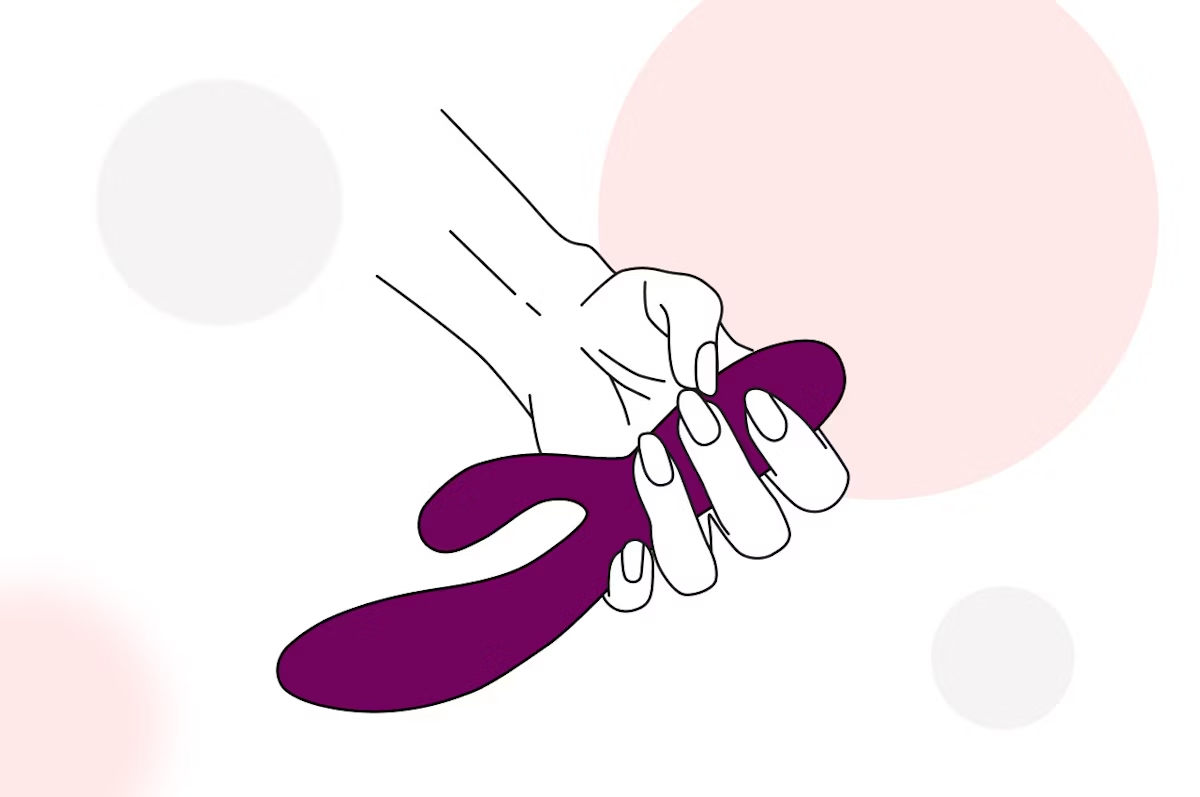
A sex-toy tester is someone who evaluates pleasure products before they hit the market, providing manufacturers with data on ergonomics, vibration strength, noise level, material safety and user satisfaction. Contrary to the fantasy of “getting paid to orgasm,” the job is part product review, part lab work. Testers fill out detailed questionnaires, measure decibel readings, photograph wear-and-tear, and sometimes send intimate swabs for microbial analysis. Companies such as Lovehoney, We-Vibe and Lelo maintain internal panels, while smaller brands outsource to freelance reviewers. The role can be remote (testing at home) or on-site (R&D labs in Berlin, Amsterdam or San Francisco). Compensation ranges from keeping the $200 device to $75 per hour for focused sensory panels. Think of it as being a “beta user” for pleasure tech—your feedback directly influences final firmware, packaging warnings and retail price points.
2. Essential Qualifications and Skills for Sex Toy Testing
You don’t need a Ph.D. in orgasms, but brands look for four pillars: anatomical diversity, articulate communication, basic data literacy and sexual health awareness. A 2023 survey by The Pleasure Project found that 68 % of companies prefer testers who can correctly label vulvar anatomy (clitoral crura vs. bulb) and read a spec sheet for silicone shore density. A background in sex education, nursing, pelvic-floor therapy or product design is a plus, yet not mandatory. Above all, testers must be comfortable writing graphic, objective prose: “The 4.5-inch girth created a burning sensation at 7 minutes” is more useful than “it felt weird.” Certifications such as the ISSWSH Sexual Health Certificate or ACS Sexuality Counselor micro-credential boost credibility. Finally, you need a non-judgmental attitude—products span clitoral suction cups to electro-stim butt plugs—and the ability to test within 48-hour turnaround windows.
3. Finding Legitimate Sex Toy Testing Opportunities
Start with vetted directories: Lovehoney’s “Tester Community,” We-Vibe’s “Global Beta Panel,” and Smitten Kitten’s “Catalyst Program” all post open calls on their corporate sites. Avoid Craigslist or Twitter DMs promising “free toys for moans”; 42 % of those links harvest ID documents, according to a 2022 Kinsey Confidential report. Instead, create alerts on LinkedIn for keywords “sensory panel + intimate wellness” and join closed Facebook groups like “Sex Tech Professionals” where HR managers post gigs. Adult-industry job boards—XBIZ.net, SexWork.net and AdultStaffing.com—list paid tester contracts under “Product Development.” Finally, pitch directly: craft a one-page media kit with body stats, toy experience, photography samples and turnaround times; send it to startups via hello@ URLs. Brands rarely advertise, so proactive outreach increases acceptance rates by 5×.
4. The Application Process: Steps to Apply for Sex Toy Testing Jobs
Step 1: Build a testing CV—include measurable metrics (“reviewed 120 products, 93 % affiliate conversion”). Step 2: Record a 90-second video demonstrating unboxing and critique style; companies use it to assess on-camera comfort. Step 3: Sign an NDA—expect clauses forbidding TikTok leaks before embargo lift. Step 4: Complete a short “sensory quiz” ranking vibration frequency on a 1–10 scale to prove perceptual acuity. Step 5: Submit STI results dated within 30 days; some EU labs also require a vaginal pH strip photo to rule out infections that could skew data. Step 6: Agree to a testing calendar—most brands ship on Monday, expect feedback by Friday. Finally, provide a mailing address that accepts parcels labeled “silicone sculptures” to dodge porch pirates.
5. What to Expect During the Testing Phase
Upon arrival, toys arrive in plain brown boxes with a QR code linking to a 30-question form. You’ll cycle through three phases: solo use, partnered use (if applicable) and durability stress tests (10 on/off cycles, 30-minute max speed). Submerge waterproof toys for five minutes, then freeze them for two hours to check silicone resilience. Document sound levels with the NIOSH Sound Level Meter app—brands cap at 50 dB for “whisper quiet” claims. Photograph any discoloration or seam separation; macro lens clips improve clarity. Finally, upload anonymized genital temperature graphs via the Kinsa QuickCare thermometer if requested. Typical honoraria: $50 cash + product retail value; high-frequency testers can clear $1,200 per month.
6. How to Become a Sex Toy Tester: A Step-by-Step Guide
Begin by auditing your own toy collection—write 300-word reviews on Reddit r/SexToys to build a portfolio. Next, purchase a $25 decibel meter and a $15 shore-A durometer; brands love data-driven applicants. Create a dedicated Proton email and Google Voice number to separate personal life. Draft a one-page “Testing Philosophy” manifesto: consent, body-positivity and evidence-based critique. Apply to five companies monthly; track responses in Airtable. Once accepted, batch-test on the same weekday to control for hormonal cycles that alter sensitivity. Archive every receipt—US tax code allows Schedule C deduction for “research supplies.” After six successful gigs, pitch larger outlets like Cosmopolitan or Autostraddle; bylines raise your day-rate from $50 to $150 per review.
7. Benefits and Compensation of Being a Sex Toy Tester
Beyond free $200 vibrators, testers gain early access to tech hybrids—think app-controlled kegel devices that sync to Spotify. Regular panelists receive 1099 or HMRC self-employment status, qualifying for home-office deductions. One veteran tester reported $14,300 in annual income plus $3,800 in unreimbursed medical write-offs for pelvic-floor physiotherapy. Flexible hours allow parents to test after bedtime; digital nomads request hotel-friendly quiet toys. Psychological perks include body autonomy advocacy and normalized conversations about pleasure. Finally, networking can segue into higher-paid roles: product manager salaries in sexual wellness average $98k in California (Glassdoor, 2023).
8. Potential Risks and Health Considerations
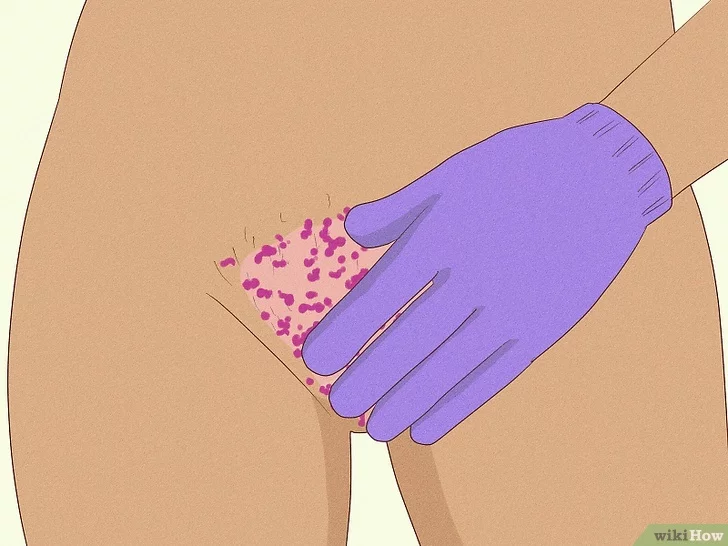
Repeated exposure to low-grade silicone can cause contact dermatitis; always perform a 24-hour patch test on your inner forearm. Avoid toys with phthalate plasticizers—look for certifications from CE, FDA or ISO 353-3. Over-testing can lead to micro-tears; limit sessions to 45 minutes and use a pH-balanced lubricant. Data privacy is another hazard: in 2021 the We-Vibe class-action settlement revealed that app-connected toys tracked temperature and usage time. Use a VPN when pairing Bluetooth devices and opt-out of analytics whenever possible. Finally, emotional burnout is real; schedule “toy-free weeks” to reset proprioception and maintain sexual spontaneity with partners.
9. Legal and Ethical Aspects in the Sex Toy Industry
In the EU, toys must comply with REACH chemical standards; testers can be liable if they resell prototypes that later fail. US FDA classifies vibrators as “novelty items,” but California Proposition 65 mandates warning labels for trace amounts of listed chemicals. Always read the indemnity clause—some contracts shift injury liability to the tester. Ethically, disclose affiliate links in blog reviews to comply with FTC §255.5. If testing with a partner, secure written consent specifying which data will be shared; audio recordings require dual consent in 11 US states. Finally, respect embargo dates—leaking a product on social media can trigger $10,000 liquidated damages clauses.
10. How to Become a Sex Toy Tester: Overcoming Common Challenges
Shame is the biggest barrier; 37 % of applicants withdraw after imagining parental discovery. Counteract internalized stigma by joining peer groups like the “Pleasure Professionals Slack,” where anonymous handles normalize dialogue. Physical discomfort arises when toys mismatch anatomy—keep a $30 silicone molding kit to create a reference model of your canal length and pubic bone angle; send photos to R&D so they can tailor dimensions. Time management is tricky; use Toggl to log testing hours and set calendar reminders for feedback deadlines. Finally, imposter syndrome hits when engineers ask for frequency graphs; remember that user perception data is equally valuable to accelerometer outputs.
11. Personal Stories and Case Studies from Real Sex Toy Testers
“Mia,” 34, a postpartum mom from Portland, turned testing into advocacy. After noticing weak clitoral suction on a flagship brand, her feedback led to a 15 % nozzle redesign that boosted orgasmic success from 62 % to 89 % in beta trials. She now consults at $125 per hour. “Carlos,” a gay adult performer, leveraged his 200k Twitter followers to land a Lelo Edge 2 campaign; his honest review thread reached 1.2 M impressions and generated $48k in affiliate sales within 48 hours. Both stress that transparency—showing both praise and criticism—builds long-term partnerships. Their stories illustrate that testers are co-creators, not just passive consumers.
12. Tools and Resources for Aspiring Sex Toy Testers
Hardware: Voltcraft SL-10 sound meter, Shore-A durometer, Kinsa thermometer, UV-C sanitizing pouch. Software: Google Forms template for sensory logs, Notion database to archive lube compatibility charts, and OBS Studio for encrypted video feedback. Communities: Reddit r/SexToys (220k members), O.school Pleasure Professionals Slack, and the annual “Sextech Hackathon” in NYC. Educational hubs: The Pleasure Project (free webinars on safe materials), Smitten Kitten’s “Toxic Toy Guide,” and the University of Nevada’s Sexual Health Certificate. Finally, subscribe to trade journals XBIZ and AVN for early alerts on beta calls—editors often tweet opportunities before they hit corporate sites.
13. How to Become a Sex Toy Tester: Frequently Asked Questions (FAQs)
Q: Is there an age limit? A: 18+ in USA, 21+ for alcohol-infused lube tests in Nevada. Q: Do I need to be sexually active with partners? A: No; 30 % of data is solo-use. Q: Can men test rabbit vibrators? A: Yes—brands value urethral perspective on noise. Q: Will my DNA be stored? A: EU GDPR mandates destruction after 30 days; read the biobank clause. Q: Are orgasms mandatory? A: No—report “anorgasmia” is valid data. Q: How many toys per month? A: Newbies get 2–3; veterans up to 12. Q: Can I refuse a toy? A: Yes—opt-out without penalty, but repeated refusal drops future offers.
14. Building a Career: Long-Term Opportunities in Sex Toy Testing
After 50+ verified reviews, pivot to “Pleasure Product Manager” roles—companies like Unbound and Dame Products recruit testers into full-time positions with salaries averaging $92k. Others become ISO 17025 lab technicians, running biocompatibility assays. Freelance consultants offer “sensory benchmarking” packages to Chinese manufacturers for $2k per product. Some earn Patreon income by publishing in-depth teardowns; top creator “Dangerous Lilly” clears $4k monthly. Finally, academia beckons: the Kinsey Institute recently hired a “Sexual Devices Research Coordinator” with a $75k stipend plus grants.
15. How to Become a Sex Toy Tester: Final Tips for Success
Stay relentlessly professional—use encrypted email, hit deadlines and format feedback in numbered lists. Invest in continuous learning; complete the free Coursera course “Introduction to Human-Centered Design” to speak engineers’ language. Network at trade shows (AVN, eroFame) with a pocket-sized portfolio on your phone. Diversify your body profile—brands need post-menopausal, plus-size, trans and disabled perspectives; mention any unique traits in your bio. Finally, practice self-care: schedule toy-free days, debrief with supportive friends, and remember that honest critique empowers safer pleasure for millions. Consistency plus credibility equals a sustainable side hustle—or even a dream career—in the booming sexual wellness market.