Why Does Lube Make Sex Not as Good? An Overview of Common Issues
Walk into any American pharmacy and you’ll see shelves promising “maximum glide,” yet Reddit threads like r/sex are filled with up-voted laments: “I feel nothing once we add lube.” A 2022 Kinsey Institute survey found 17 % of U.S. adults who regularly use commercial lubricant report it “sometimes reduces pleasure.” The complaints cluster around three themes: (1) sudden loss of the friction that makes nerve endings fire, (2) chemical burn or itching that pulls you out of the moment, and (3) the subtle psychological cue that your own body “isn’t enough.” These issues don’t affect everyone, but they’re common enough that manufacturers now market “sensation-enhancing” and “warming” formulas to counteract them. In short, lube isn’t inherently bad; it’s just that the wrong product, wrong amount, or wrong head-space can flip it from helper to hindrance.
Physical Reasons: Reduced Friction and Loss of Sensation
Human genital skin, especially the glans penis and inner labia, is packed with Meissner’s corpuscles and free nerve endings that depend on a certain amount of shear force to trigger pleasurable signals. A 2020 Journal of Sexual Medicine study led by Dr. Ellen Laan at the University of Amsterdam showed that adding just 2 mL of standard water-based lube cut tactile sensitivity by 28 % compared to natural lubrication. The reason: the fluid layer acts as a viscous damper, distributing pressure over a wider surface area and lowering peak neural firing. For people who already climax easily, this can be welcome; for those on the edge of anorgasmia, it can push them backward. Silicone lubes, with their higher kinematic viscosity, can reduce friction by up to 60 %—great for anal play, but potentially numbing for penile-vaginal intercourse.
Allergic Reactions and Skin Irritations from Lubricants
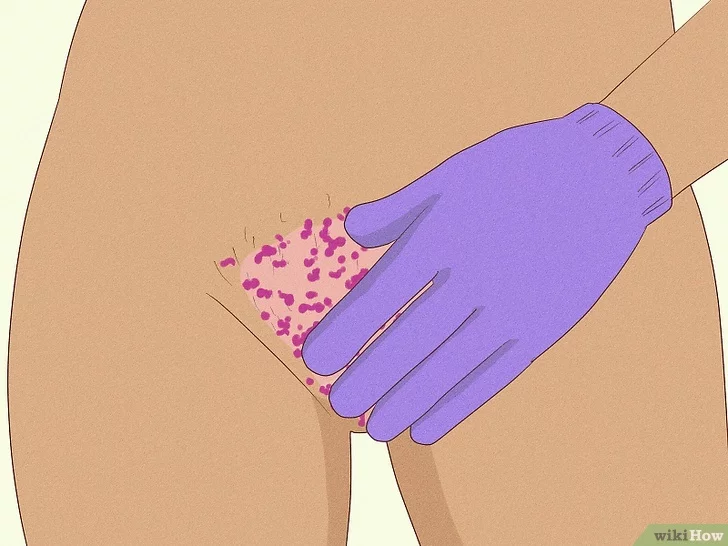
Even “hypoallergenic” lubes can contain preservatives such as methylisothiazolinone or propylene glycol that are known contact allergens. The Mayo Clinic lists burning, stinging, and erythema as classic signs of allergic contact dermatitis within 30 minutes of exposure. A 2021 patch-test study of 1,021 adults by the North American Contact Dermatitis Group found 4.5 % reacted to at least one common lube ingredient. When mucous membranes swell microscopically, the resulting inflammation not only hurts but also desensitizes, because inflamed tissue transmits pain faster than pleasure. If you notice you feel “raw” after using a warming or flavored product, switch to a two-ingredient silicone formula or a lipid-based option with no preservatives—and still do a 24-hour forearm patch test first.
Psychological Factors: How Mindset Affects Lube Enjoyment
Western media often equates “wet” with “turned on,” so reaching for a bottle can subconsciously signal failure to either partner. A 2019 Indiana University qualitative study found that women who viewed their own lubrication as a barometer of arousal reported lower subjective arousal when commercial lube was introduced, even though physiologic measures (vaginal pulse amplitude) stayed constant. The same study noted that men sometimes interpret lube use as a critique of their foreplay skills, creating performance anxiety that narrows the arteries supplying the penis—ironically reducing both erection quality and sensation. Cognitive-behavioral sex therapists recommend reframing lube as a “bonus tool” rather than a crutch, and involving both partners in the application ritual to keep the erotic narrative intact.
Why Does Lube Make Sex Not as Good? Comparing Natural vs. Artificial Lubrication
Vaginal mucus contains enzymes, salts, and proteins that create a slightly acidic pH (3.8–4.5) optimized for both sperm survival and nerve excitation. Artificial water-based lubes are typically iso-osmolar but pH 5.5–7.0; that shift can make the tissue feel “slippery but dead,” according to Dr. Debby Herbenick’s 2020 consumer report. Natural lubrication also varies in viscosity across the menstrual cycle, providing micro-texture that some describe as “ribbed by nature.” Artificial lubes, by contrast, offer uniform viscosity, which can homogenize sensation. Couples who track fertility often notice sex feels better during mid-cycle precisely because cervical mucus forms thin, high-slip channels interspersed with thicker patches—something no bottled product replicates exactly.
Types of Lube That Can Diminish Sexual Pleasure
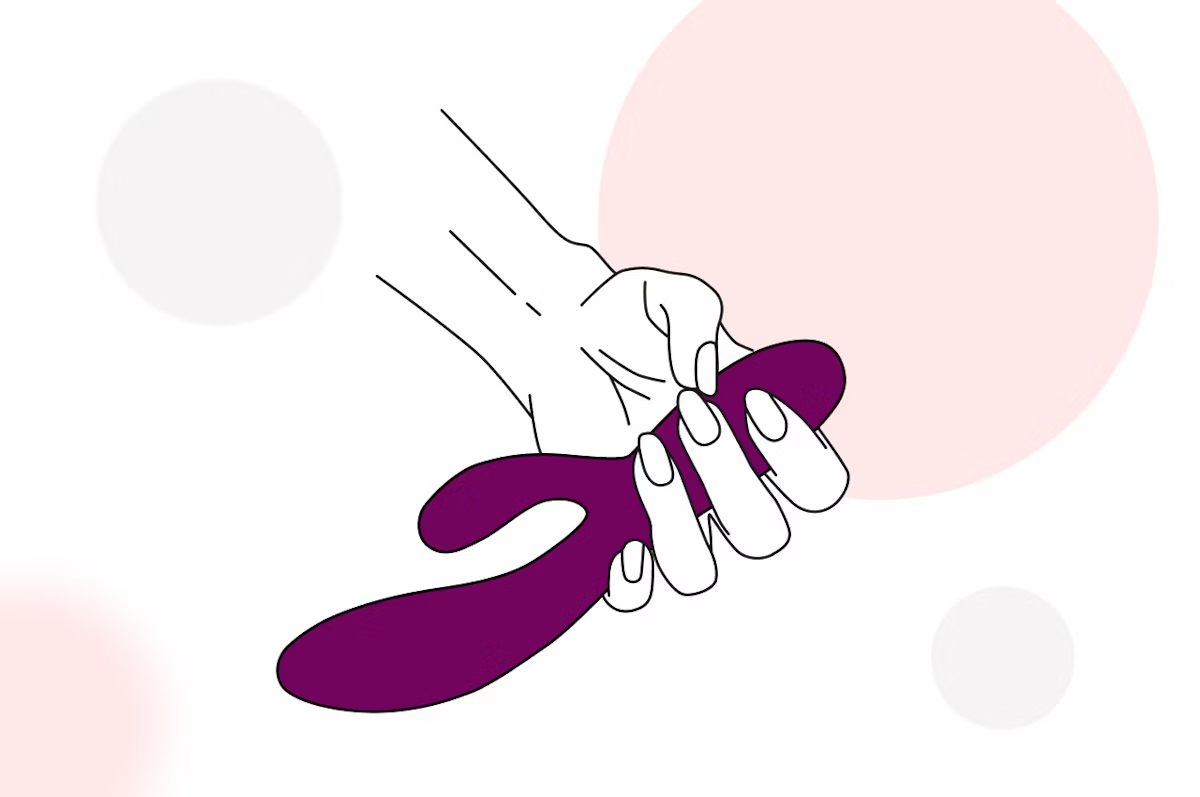
Not all lubes are created equal. Silicone formulas, while long-lasting, can create a “plastic sleeve” effect that some penis-owners describe as “having sex with a wet balloon.” Oil-based products (e.g., petroleum jelly) coat the vaginal wall so thoroughly that they block natural transudation, leading to a paradoxical dry-patch sensation once the oil is absorbed. Glycerin-heavy water-based lubes can draw water out of epithelial cells by osmosis, causing transient dehydration and a “dull ache.” Even CBD or “tingling” lubes can activate TRPM8 cold receptors so strongly that warmth-sensitive fibers stop firing, leading to numbness after 5–7 minutes. If pleasure is your priority, start with a low-osmolality, glycerin-free water-based gel, use the smallest amount possible, and reapply sparingly.
Impact on Intimacy: When Lube Weakens Emotional Connection
Sex therapist Dr. Tammy Nelson notes that the most erotic organ is the space between two people. When lube becomes a third party introduced hastily—“Hang on, I need to squeeze the bottle”—the narrative arc of lovemaking breaks. In heterosexual couples, the woman often becomes the “project manager” of sex, and pausing to apply product can reinforce a caretaking dynamic that kills her own arousal. For queer men, the ritual can feel clinical if one partner always “prepares” the other. A simple fix: make application mutual—squeeze a drop into your palm, warm it by rubbing your hands together, then maintain eye contact while you apply it to your partner. Turning the moment into extended foreplay preserves the emotional circuit that friction alone can’t replace.
Personal Stories: Real Experiences of Lube Making Sex Worse
“I thought I was broken,” says Maya, 29, from Portland. “Every time we used the drugstore brand, my vulva felt like it had been dipped in ice water—no burn, just zero sensation.” After months of faking orgasms, she saw a vulvar dermatologist who diagnosed a propylene glycol allergy; switching to a silicone-only formula restored feeling within two weeks. Jake, 34, Chicago, recounts the opposite: “Silicone lube made me feel like I was wearing a condom made of air—super slippery, no grip. I finished inside three minutes, but it was the most unsatisfying orgasm ever.” He now uses a hybrid water-silicone blend (20 % silicone) and applies only 0.5 mL to the shaft, leaving the glans mostly dry—proof that micro-adjustments can turn disaster into delight.
Misconceptions About Lubricant Use and Sexual Satisfaction
Myth 1: “More lube equals more pleasure.” Reality: Over-lubrication is the top complaint in urology clinics for men with delayed ejaculation. Myth 2: “If she’s wet, she’s ready; if she’s not, lube fixes it.” Arousal non-concordance research shows 50 % of women can be physiologically wet but mentally disinterested, or vice versa. Myth 3: “Natural products like coconut oil are always safe.” Oil can degrade latex condoms and is linked to higher vaginal pH disruption (Journal of Obstetrics & Gynecology, 2019). Myth 4: “Lube is only for older or menopausal women.” In fact, the largest growth segment among U.S. buyers is 18–29-year-olds, many of whom use it to counteract hormonal contraceptive dryness. Dispelling these myths helps couples use lube strategically rather than reflexively.
How to Choose Lube That Enhances Rather Than Detracts
Start with the osmolality number printed on the back label: aim for ≤1,200 mOsm/kg (WHO recommendation) to prevent epithelial cell shrinkage. Pick a pH close to your tissue—3.8–4.5 for vaginal, 5.5–7.0 for anal. If you need condom compatibility, stick to water or hybrid; if you want shower sex, go silicone. For sensation seekers, try a “thin” water-based layer (0.3 mL) topped with a micro-drop of silicone on hot spots only—this hybrid method preserves texture while extending glide. Finally, do a two-minute fingertip test on your inner lip: if you lose tactile discrimination (can’t feel the ridges of your fingerprint), the lube is too viscous for your nerve density.
Alternatives to Commercial Lubricants for Better Sex
Some couples swear by organic unrefined coconut oil: lauric acid gives it mild antimicrobial properties, and its melting point (24 °C) means it liquefies on skin contact. Downsides: not condom-safe, and 8 % of users report itching within 24 hours. Another option is plain aloe-vera gel straight from the plant—pH 4.5, osmolality ~1,000, and packed with anti-inflammatory acemannan. For quick fixes, saliva remains popular; a 2018 Spanish study found no significant difference in vaginal pH after 15 minutes of saliva exposure, though hepatitis B and cytomegalovirus can transmit via oral fluids. Whatever you choose, patch-test on your inner elbow for 48 hours and keep a dedicated jar to avoid bathroom-bacteria contamination.
The Science Behind Why Lube Can Feel Less Satisfying
Functional MRI work at Stanford (2021) showed that the anterior cingulate cortex—key for pleasure valuation—lights up more when friction levels oscillate rhythmically (coefficient of friction 0.3–0.6) than when they stay constantly low (<0.1), as happens with heavy lube. Meanwhile, laser Doppler studies reveal that too-slippery sex reduces shear-induced vasodilation, meaning less genital blood engorgement and fewer nerve endings pushed to the surface. In plain English: your brain literally misses the micro-drag that tells it “something sexy is happening.” Scientists hypothesize that evolution tuned us for variable friction because natural lubrication ebbs and flows with arousal spikes, something monotonic artificial lube fails to mimic.
Why Does Lube Make Sex Not as Good? Solutions and Practical Tips
First, measure: use a 1 mL syringe (sold for baby medicine) to standardize doses; most people discover they need half the amount they instinctively squeeze. Second, warm it: microwaving a sealed bottle for 5 seconds (body temp 37 °C) prevents the “cold shock” that can cause pelvic-floor flinch. Third, layer: apply a pea-sized dab internally, wait two minutes for tissue absorption, then add a micro-coat externally—this mimics the body’s own gradient. Fourth, time it: introduce lube only after at least five minutes of kissing or oral sex so the brain tags it as part of escalation, not compensation. Finally, debrief: rate your session 1–10 the next morning; after three trials you’ll have data on which product-and-dose combo maximizes pleasure.
Expert Opinions on Lubricant-Related Discomfort
Dr. Rachel Rubin, a urologist and sexual medicine specialist, tells patients: “If you wouldn’t put it in your eye, don’t put it in your vagina.” She recommends avoiding any lube with osmolality >2,000 mOsm/kg—common in warming or flavored lines—because they literally suck water out of cells like a salt crust. Dr. Zhana Vrangalova, NYU social psychologist, adds that the fastest way to retrain your brain is paired association: use the new lube only while watching your favorite ethical porn or reading erotica, so the product becomes a conditioned cue for arousal rather than anxiety. Finally, the American Sexual Health Association reminds users that discomfort lasting >24 hours warrants medical evaluation to rule out infection or allergy.
Why Does Lube Make Sex Not as Good? FAQs and Key Takeaways
Q: Can lube cause permanent nerve damage? A: No evidence for that, though chronic inflammation can temporarily lower sensitivity. Q: Is silicone lube safe for silicone toys? A: Only if the toy is medical-grade platinum-cure; lower grades may degrade. Q: Does lube expire? A: Yes—water-based loses preservatives after 12–18 months, raising infection risk. Key takeaway: lube itself isn’t the villain; mismatch between product, amount, and context is. Treat it like seasoning—start small, taste often, adjust to preference, and don’t be afraid to change the recipe. When chosen and applied mindfully, the right lube should disappear into the experience, leaving only the friction that matters: the emotional one between you and your partner.