Introduction: You Are Not Alone, and Change Is Possible
Scrolling through late-night forums or whispering to your closest friend, you may have finally voiced the scary truth: “I’m not attracted to my husband.” If so, welcome to an unexpectedly large, silent club. Long-term attraction is complex; it waxes, wanes, and sometimes seems to evaporate altogether. The good news—confirmed by decades of marital research—is that loss of spark rarely signals the end of love; it signals a need for recalibration. This article, Not Attracted to My Husband? A Compassionate Guide to Finding Your Way Back, offers a judgment-free map from confusion to connection. We will first normalize your feelings, then unpack their roots, teach you gentle communication tools, and finally walk you through evidence-based strategies to rebuild emotional and physical intimacy. Healing is not linear, but every step you take reverberates through the relationship, often in ways you cannot yet imagine.
1. Understanding Your Feelings: Is This Normal?
Loss of attraction is as common as catching a cold, yet shame convinces us we’re broken. A 2021 Health Survey for England found that 34 % of partnered women aged 35–54 report “low sexual interest” lasting three months or longer, and U.S. data from the Kinsey Institute echo similar numbers. Guilt, sadness, even a creeping sense of betrayal toward oneself are typical emotional sidecars. Psychologically, what you are experiencing is a discrepancy between attachment (the sense that he is home) and arousal (the engine that makes you want to run home). These systems operate semi-independently, so a temporary disconnect does not mean love has died; it means one circuit is offline. Naming the feeling without moralizing it—what therapists call “affect labeling”—lowers amygdala reactivity and clears space for problem-solving. In short, your internal weather is normal human weather; storms pass, roofs can be rebuilt.
2. Exploring Why the Spark Faded
Attraction is a multi-layered cake: biology, biography, and context all matter. Relationship dynamics often top the list—chronic unresolved conflict raises cortisol, which in turn suppresses dopamine, the neurochemical backbone of desire. When couples slide into “roommate mode,” the prefrontal cortex starts tagging the partner as familial rather than erotic, a phenomenon sex therapist Dr. Esther Perel terms “the death of the imaginary third.” Internally, hormonal shifts (post-partum estrogen drops, perimenopausal testosterone decline) can flatten libido, while antidepressants or beta-blockers add pharmacological brakes. Personal growth trajectories also diverge: maybe you started therapy or yoga and feel more embodied, while he leans into workaholism and nightly beer. External stressors—financial strain, elder-care duties, sleep deprivation—commandeer the same neurological bandwidth eroticism requires. Finally, long-term relationships naturally move through phases; anthropologist Dr. Helen Fisher’s brain-scan studies show the intense “limerence” stage typically lasts 12–18 months, giving way to a calmer attachment system. Recognizing the composite causes prevents blame and points toward targeted fixes.
3. Starting an Empathetic, Judgment-Free Conversation
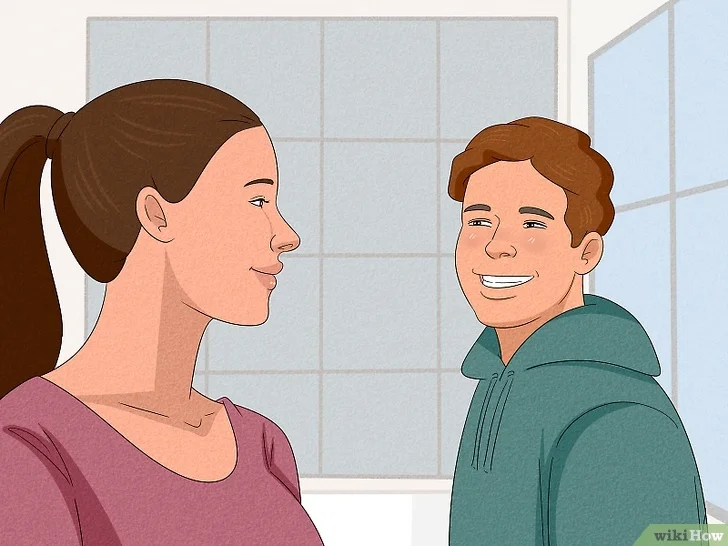
Most partners sense avoidance long before they hear the words “we need to talk,” so secrecy amplifies anxiety on both sides. Begin by choosing a low-stress moment—Sunday morning rather than 11 p.m. after a fight—and use an “I-statement” anchored in shared values: “I miss feeling close to you and I want us to figure this out together.” Research from The Gottman Institute shows that conversations open with gentle start-up (“I feel…about what…”) yield softer heart-rate variability in the listener, reducing defensiveness. Frame the goal as collaborative: you are both firefighters, not arsonists. Sit side-by-side—literally; studies on non-verbal synchrony find that parallel posture lowers adversarial mirroring. After you speak, invite his narrative with open questions: “What has this felt like for you?” Validate whatever emerges (“That makes sense”) before proposing next steps. End by co-authoring a mini-contract: e.g., “Let’s each read one resource this week and meet again Wednesday.” The talk itself becomes the first shared win.
4. Rebuilding Emotional Connection & Intimacy
Emotional intimacy is the petri dish in which physical attraction regrows. Start by resurrecting shared “currencies of connection.” University of Denver researchers found that couples who jointly engage in novel, moderately arousing activities (salsa class, escape room) report higher relationship quality than controls who stick to familiar routines. Schedule a weekly two-hour “State of the Union” coffee sans phones; use the first 20 minutes to list appreciations, the next 40 to air grievances with repair phrases (“I’m sorry I…”), and the final hour to plan fun. Daily micro-bids matter too: a 6-second kiss (Gottman’s magic number) releases oxytocin; texting a meme that says “This reminded me of that crazy trip we took” keeps the mental Rolodex of good memories spinning. Finally, adopt a “we against the world” stance: tackle an external stressor together—maybe prep taxes side-by-side or co-plant tomatoes. Nothing rekindles partnership faster than a common enemy, even if the enemy is a spreadsheet.
5. Reigniting Romantic & Sexual Attraction
Desire is less a static drive than an emotion that responds to context. Begin by normalizing differential libidos: Dr. Rosemary Basson’s circular model shows many women need arousal before desire, not vice versa, so insisting on “mood first” backfires. Schedule two 20-minute sensate-focus sessions per week: take turns touching non-genital areas, giving feedback in percentages (“That shoulder stroke is 90 % perfect”). Over a month, expand the menu; the goal is mindfulness, not orgasm, thereby lowering performance pressure. Next, engineer novelty within safety—book a budget hotel room mid-week, or blindfold him and feed him mystery desserts. A 2020 study in Personal Relationships found that adrenaline-spiking but safe experiences boost sexual arousal in long-term couples. Talk fantasies using a 1-to-10 vulnerability scale: share a level-3 fantasy first (“I like the idea of you in a crisp white shirt”) before escalating. Finally, agree on a temporary “yes, and” rule: if either initiates and the other feels neutral, they gift a 10-minute make-out; either party can stop, but the default is playful openness. Over time, body memory of pleasure rewrites the narrative “I’m not attracted” into “I remember how good this can feel.”
6. Self-Growth & Self-Care as Relationship Fuel
Airline safety videos remind us to don our own mask first; the same applies to erotic revival. Begin with a quick audit: sleep, nutrition, movement, social support, meaningful work. Each domain affects pelvic blood flow and mood-regulating neurotransmitters. For example, a 2022 meta-analysis in Sleep Medicine Reviews links short sleep duration to 50 % higher odds of female sexual dysfunction. Craft a non-negotiable “golden hour” for yourself—maybe 6 a.m. yoga YouTube or journaling with coffee. Guilt often surfaces; counter it with self-compassion scripts: “It’s understandable I feel this way given everything on my plate.” Kristin Neff’s research shows that self-kindness correlates with greater emotional resilience and, in turn, more generous availability to partners. If body image is handcuffing desire, invest in clothes that fit your current shape; feeling desirable in your own skin predicts sexual assertiveness better than objective BMI. Finally, curate a circle of growth-oriented friends—energy is contagious, and conversations that aren’t about kids or mortgages re-expand your identity beyond “wife,” which paradoxically makes you more erotic at home.
7. When & How to Seek Professional Help
Some attraction outages are DIY projects; others need a licensed electrician. Red flags include: perpetual gridlocked conflict (the same fight >3 times with no resolution), emotional disengagement (you stop turning toward bids entirely), or post-traumatic stress after betrayal. If either partner contemplates affairs or feels persistent despair, book a couples therapist certified in evidence-based models—Gottman Method, Emotionally Focused Therapy (EFT), or Imago. A 2019 summary in the Journal of Marital and Family Therapy found that 70 % of couples receiving EFT report significant improvement, gains maintained at two-year follow-up. Individual therapy is equally vital when depression, unresolved trauma, or sexual pain is present; one person’s shift can unfreeze the systemic logjam. Search the American Association for Marriage and Family Therapy (AAMFT) “Therapist Finder,” filtering for sliding-scale fees and telehealth options. Prepare for the first session by writing a one-page narrative: how you met, current cycle, attempted fixes, hoped-for outcomes. Therapy is not a last-ditch rescue but a high-performance coach for your relationship; even good marriages benefit from tune-ups.
8. Cultivating Patience & Sustaining Hope
Neuroplasticity research teaches that synaptic rewiring requires repetition plus time; the same holds for relational circuits. Expect plateaus and minor relapses—an off-hand critique can momentarily slam the brakes. Counter this by tracking micro-wins in a shared Google Doc: “Held hands during Netflix,” “Laughed about the burnt lasagna.” Positive psychology studies show that savoring small victories releases dopamine, reinforcing the new story that change is happening. Normalize the idea that relationships are dynamic ecosystems; seasons of distance can precede surprising closeness. One longitudinal study of 1,874 couples (University of Texas) found that 57 % of spouses who rated their marriage “very unhappy” but stayed together reported being “very happy” five years later—without professional intervention. The common denominator was sustained gentle effort and a belief that improvement was possible. Keep a long-range lens: picture yourselves at 80, rocking on the porch reminiscing about this rough patch as the crucible that forged deeper love.
9. Frequently Asked Questions
Q1: Does lack of attraction mean I no longer love him?
A1: Not necessarily. Love is multi-dimensional: commitment, intimacy, and passion. You may still score high on commitment and deep friendship while passion idles. Track behaviors rather than feelings: Do you care about his well-being? Grieve when imagining life without him? If yes, the embers exist; they need stoking, not burial.
Q2: What if he refuses to talk or change?
A2: Focus on your controllables. Express needs using concrete, time-bound requests: “Would you be willing to attend one counseling session within the next month?” If he declines, proceed to individual therapy to clarify boundaries and explore the “decision quadrant” (stay/status quo, leave, or renegotiate terms). Sometimes one person’s therapeutic growth nudges the partner toward engagement; if not, you build clarity and strength for any path ahead.
Q3: How long before we know if the repair is working?
A3: Most couples notice small shifts—lighter tone, more laughter—within 4–6 weeks of deliberate practice. Deeper sexual rekindling may require 3–6 months, depending on complexity. Rather than a calendar deadline, track qualitative indicators: frequency of affectionate touch, ability to repair after conflict, subjective desire levels. Consistency beats speed.
Q4: I’ve tried everything and still feel numb. Now what?
A4: If intensive therapy, medical checkups, and lifestyle overhauls don’t move the needle, you may be confronting fundamental incompatibility or irreparable hurt. In such cases, discernment counseling (a short-term protocol) helps couples choose intentional next steps: stay as-is, pursue a final separation, or commit to six additional months of therapeutic work. Either outcome honors the effort invested and prioritizes mutual dignity.
10. Authoritative Resources & Further Reading
Books:
• Come As You Are by Emily Nagoski, Ph.D.—science-based guide to female sexuality.
• Mating in Captivity by Esther Perel—navigating eroticism in domesticity.
• The Seven Principles for Making Marriage Work by John Gottman, Ph.D.—practical exercises from 40 years of research.
Professional Bodies & Directories:
• American Association for Marriage and Family Therapy (AAMFT.org)
• National Register of Health Service Psychologists (FindAPsychologist.org)
• International Centre for Excellence in Emotionally Focused Therapy (ICEEFT.com)
Trusted Online Platforms:
• The Gottman Institute Blog (regularly peer-reviewed)
• Psychology Today “Marriage” topic page (articles vetted by licensed professionals)
• O.school—sex-positive, trauma-informed educational videos
Crisis Support:
• If you feel acute despair or unsafe, call or text the 988 Suicide & Crisis Lifeline (U.S.) or Samaritans UK at 116 123. Relationship distress can spiral into clinical depression; reach out—help is available 24/7.
Conclusion: Your Journey Deserves Gentle Care
Feeling disconnected from the man you once craved can be heartbreaking, but the heart is also remarkably capable of rerouting. By reading this guide you have already taken the hardest step: facing the truth with courage. Remember, attraction is not a fixed trait; it is a dance between nervous systems, contexts, and stories you tell yourselves. Approach the process with the same tenderness you would offer a friend healing a sprained ankle—some days require rest, others require physiotherapy, but every small stretch moves you toward wholeness. Whether you reignite a vibrant sex life, deepen your companionship, or lovingly release each other, the compassion you cultivate now will serve you for life. May you gift yourself patience, curiosity, and hope as you walk, hand-in-hand or alone, toward the next chapter that awaits.