The Allure and Danger of “Natural” Lubes
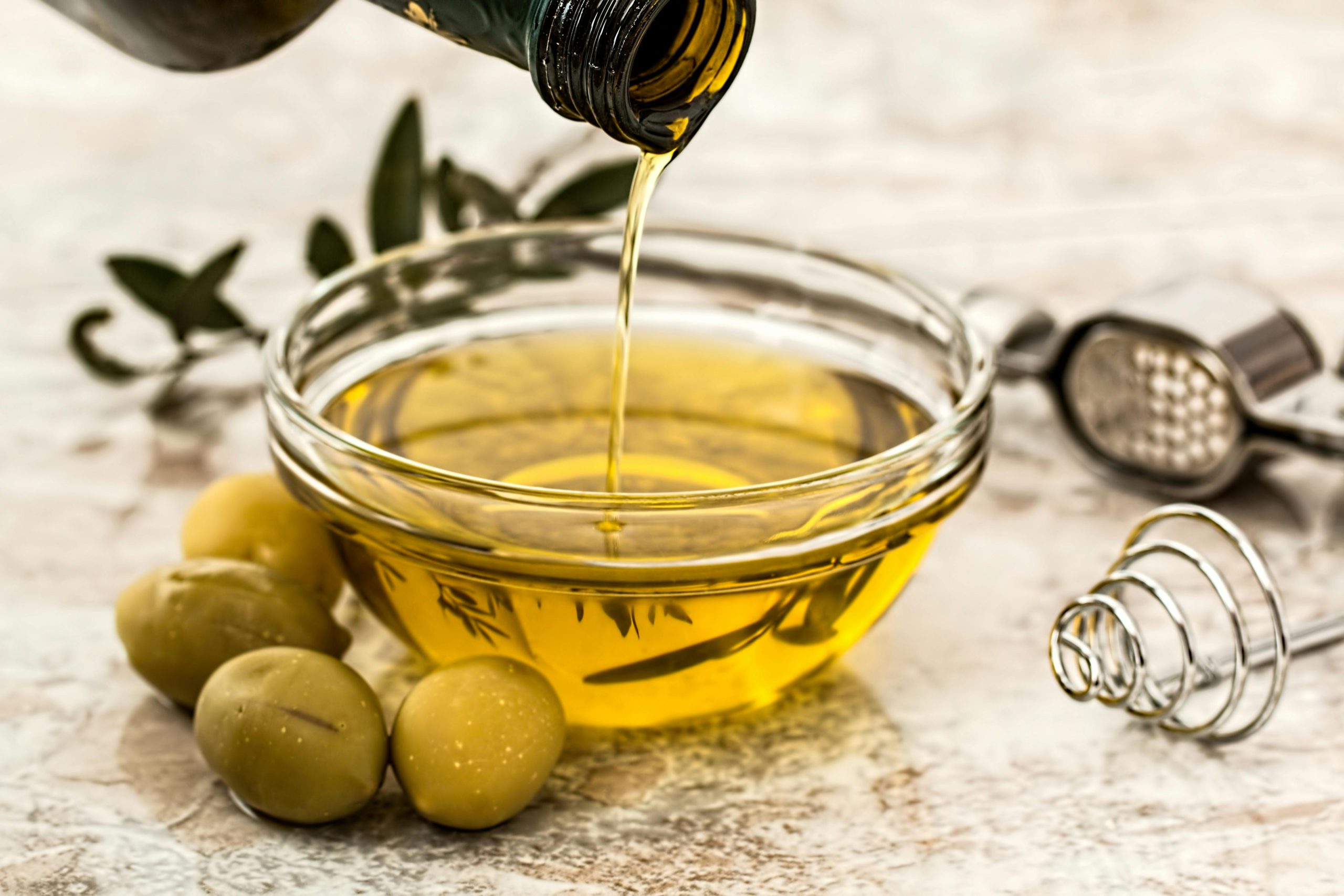
Picture this: you’re in the moment, the bedside drawer squeaks open, and—uh-oh—the lube bottle is emptier than your gas tank on a Sunday morning. Your eyes land on the kitchen staple you drizzle on pasta: olive oil. It’s natural, silky, smells like a Mediterranean vacation—what could go wrong? A lot, actually. While the idea of a “farm-to-bed” lube sounds charming, olive oil in your intimate areas is about as appropriate as bringing a salad to a barbecue. This article breaks down exactly why olive oil is not a safe personal lubricant and—more importantly—what you should slide into your cart (and your bedroom) instead.
The Risks of Using Olive Oil as Lubricant (Why It’s Not Safe)
Disruption of Vaginal pH Balance: The vagina is a self-cleaning, slightly acidic powerhouse—think of it as the Brita filter of your reproductive system. That acidity (pH 3.8–4.5) keeps bad bacteria from crashing the party. Olive oil is relatively alkaline; introduce it and the pH can swing upward, turning your private paradise into a spring-break hotspot for disruptive microbes.
Potential for Infections: Once pH is out of whack, yeast and Gardnerella (the main culprit behind bacterial vaginosis) move in faster than unsolicited marketing emails. A 2018 study in Obstetrics & Gynecology found that women who used any oil-based product vaginally were 3.2 times more likely to report yeast infections within the following month.
Damage to Latex Condoms and Barriers: Latex and oil are archenemies—like cats and vacuum cleaners. In less than a minute, olive oil can degrade latex by up to 90%, according to data from the CDC. Translation: your safer-sex plan can literally tear apart at the seams.
Interference with Vaginal Self-Cleaning: Vaginal cells shed naturally, riding a conveyor belt of mucus out of the body. Coating them with a heavy, occlusive oil is like pouring cement on that conveyor—nothing moves, and things get gunky.
Potential for Skin Irritation: Olive oil contains oleic acid, a fatty acid that can poke tiny holes in the skin barrier. Sensitive vulvar skin may respond with itching or redness, turning a sexy evening into a scratch-fest.
Staining and Residue: Ever try scrubbing EVOO out of Egyptian-cotton sheets? It’s the gift that keeps on giving—dark, circular reminders of your DIY experiment weeks later.
Understanding the Science Behind Safe Lubricants
pH and Osmolality Basics: Osmolality measures how concentrated a liquid is compared to your body’s cells. If a lube is too concentrated, it sucks water out of cells; too dilute and cells swell—neither is comfy. The World Health Organization recommends an osmolality below 1,200 mOsm/kg for vaginal lubes and under 380 mOsm/kg for anal use.
Differences Between Lube Types: Water-based lubes feel light and rinse off easily; silicone-based ones last longer and are waterproof; oil-based products can be slick but are usually reserved for penis-owners’ solo play or monogamous, fluid-bonded couples skipping latex. Each category has different pH and osmolality targets—your pantry oil meets none of them.
The Problem with “Natural” Doesn’t Equal “Safe”: Poison ivy is natural too, but you won’t see it in a bedtime lotion. Food-grade oils aren’t sterilized for internal use, and they lack the rigorous testing required of medical-grade lubricants.
Recommended Safe Alternatives to Olive Oil
Water-Based Lubricants: Think of these as the little black dress of lubes—versatile, condom-compatible, and toy-friendly. Look for options like Good Clean Love or Sliquid H2O, both hovering around physiologic pH and low osmolality. Downside: they can dry out quicker, but a spritz of water revives them like instant ramen.
Silicone-Based Lubricants: These marathon runners (e.g., Pjur Original) stay slick in water—perfect for shower sex or extended sessions. Caution: they can stain sheets and aren’t compatible with silicone toys (surface bonds, causing tackiness).
Hybrid Lubricants (Water/Silicone Blend): Best of both worlds: longer-lasting than pure water-based, easier to clean than pure silicone, and generally toy-safe. Popular pick: Sliquid Silk.
Plant-Based Oil Lubricants (For Specific Use Cases): Some companies refine coconut or jojoba oil under sterile conditions and test pH/osmolality. Examples: Coconu Oil-Based or Maude Shine Organic. Only use products labeled explicitly as personal lubricants. Your stir-fry oil still belongs in the skillet.
What to Look for When Choosing a Safe Lube
Key Features Checklist: pH-balanced (3.8–4.5 for vaginal, 6–7 for anal), osmolality under the WHO limits, free from glycerin (can feed yeast) and parabens (some people prefer to avoid preservatives with estrogenic activity).
Check Compatibility: Water and hybrid lubes play nicely with latex condoms and most toys; silicone lubes hate silicone toys; oil lubes hate all latex.
Understanding “Natural” and “Organic” Labels: The FDA doesn’t regulate these terms for cosmetics stringently. Flip the bottle—scan for independent certifications like USDA Organic or EcoCert, but still cross-check ingredients.
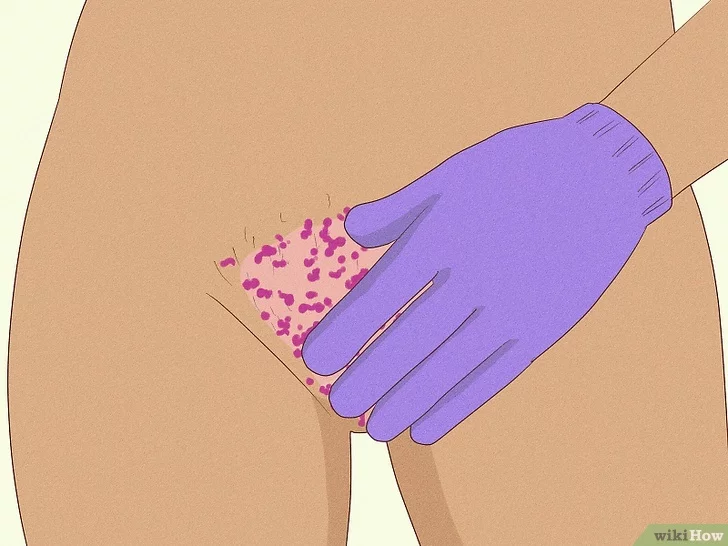
The Importance of Patch Testing: Dab a pea-sized amount on your inner elbow or vulvar vestibule 24 hours before the big event. No redness, itching, or burning? Proceed to the pleasure.
Common Household Items to AVOID as Lube (Beyond Olive Oil)
Other Cooking Oils: Coconut, avocado, grapeseed—same pH issues, same condom carnage.
Petroleum Jelly (Vaseline): Osmolality skyrockets past 3,000 mOsm/kg—basically a moisture vampire for vaginal cells—and it traps bacteria.
Lotions, Creams, Soaps, Yogurt: Fragrances, alcohols, sugars, or live cultures can irritate or infect. Save the yogurt for your breakfast parfait.
Frequently Asked Questions (FAQ)
Q: Is coconut oil safer than olive oil?
A: Food-grade coconut oil has mild antifungal properties, but it still disrupts pH, degrades latex, and isn’t sterile. Only use products like Coconu that are tested as personal lubricants.
Q: What if I only use olive oil externally (vulva)?
A: Risk is lower, but oleic acid can still irritate, and residual oil migrates inward. Stick to products formulated for mucous membranes.
Q: I used olive oil once and was fine. Why is it a problem?
A: Russian roulette analogy: one trigger pull might not fire. Repeated use stacks the odds toward infection or irritation.
Q: Are there any truly “natural” lubricants that are safe?
A: Aloe-based lubes (e.g., Good Clean Love BioNude) come closest—minimal ingredients, clinically tested pH/osmolality.
Q: What is the absolute safest lube for someone prone to yeast infections?
A: Glycerin-free, paraben-free, pH-balanced water-based lube. Sliquid H2O or Good Clean Love BioNude are top picks backed by gynecologists.
Conclusion: Prioritizing Safety and Health
Bottom line: olive oil belongs on bruschetta, not in your bush. Your vagina and anus are delicate ecosystems deserving products engineered for their unique biology, not pantry cast-offs. Choose a scientifically-formulated lubricant, patch-test first, and keep the foodie fantasies in the kitchen. Your sheets, your condoms, and most importantly your body will thank you.
References & Further Reading
Mayo Clinic on vaginal health and lubricants.
Planned Parenthood guide to personal lubricants.
NHS UK overview on sexual health products.
World Health Organization, “Use and Procurement of Additional Lubricants for Male and Female Condoms,” 2019 update.
Healthline article on pH-balanced lubricants.