Picture this: candles lit, playlist purring, and then—yowch!—your supposedly pleasure-enhancing lube feels like someone swapped it with hot sauce. If you’ve ever wondered, “Why is my lube burning?” you’re far from alone. A 2021 online poll by the American Sexual Health Association found that 1 in 3 U.S. adults have ditched a lube mid-romp because it stung, itched, or plain-old felt like a jalapeño kiss. This article is your friendly field guide to the common causes of lubricant irritation, the quick fixes, and how to shop smarter so the only thing that heats up is the mood—not your nether-bits.
Understanding the “Burning” Sensation
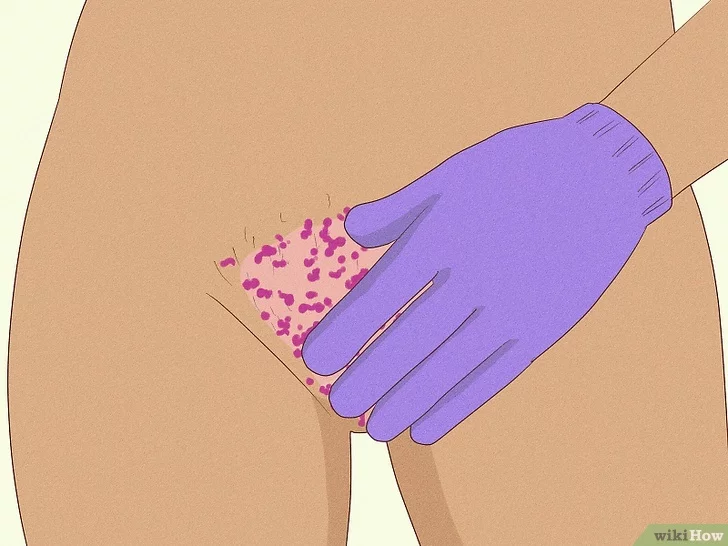
Burning can range from a subtle tingle that fades in 30 seconds to a “call the fire department” sting that lingers for hours. Think of it like touching a hot pan: the faster you pull away, the less damage done. Temporary irritation usually calms once the lube is washed off; persistent pain, swelling, or blistering can flag an allergy, infection, or even microscopic tears that turned your sweet evening into a chemistry experiment gone wrong. Common hotspots include the vulva, penile shaft, anus, and any skin folds where product can pool and party a little too hard.
Primary Causes of Lubricant-Induced Burning
Sensitivities & Allergies to Ingredients
Your genital tissue is the VIP lounge of skin: thinner, richer in blood vessels, and quicker to absorb chemicals. Common party crashers include:
- Glycerin & Propylene Glycol – humectants that can draw water out of cells in high concentrations, leaving that “dried-out yet on-fire” paradox.
- Parabens – preservatives with a rap sheet for allergic contact dermatitis.
- Chlorhexidine – an antiseptic that 1–2 % of people react to with instant burning.
- Nonoxynol-9 – a spermicide the CDC no longer recommends for STI prevention because it can irritate mucous membranes faster than you can say “condom break.”
- Flavors, fragrances, & numbing agents (benzocaine, lidocaine) – they sound fun until your nerves retaliate.
Latex condoms can compound the drama: if the lube contains an oil-based flavoring, it can degrade latex, increasing friction—and, voilà, micro-tears plus burning.
pH Imbalance
A happy vagina hovers between 3.8–4.5 pH (the same acidity as a glass of Beaujolais). Rectal tissue is closer to 7.0—neutral, like tap water. Slap a lube with pH 8.5 (many “anal” formulas, ironically) onto vulvar skin and you’ve basically dumped baking soda on a vinegar volcano. The result: stinging, itching, and an open invitation for opportunistic bacteria.
Osmolality Issues
Osmolality measures how many particles are dissolved in a liquid compared with your body’s natural fluids. A 2012 WHO advisory warns that hyperosmolar lubes (>1,200 mOsm/kg) yank water out of cells like a kid sucking juice through a straw, causing them to shrivel and sometimes die. Translation: tiny mucosal fissures and that “I sat on a cactus” feeling. Water-based lubes are the biggest culprits; silicone and oil options are naturally low-osmolality.
Pre-Existing Skin Conditions or Micro-tears
Eczema, psoriasis, lichen sclerosus, yeast infections, BV, or a recent marathon romp can all leave skin compromised. Lubes with alcohol or citric acid can seep into those micro-cracks like lemon juice on a paper cut. If burning shows up only when you’re flaring, treat the underlying issue first; otherwise you’re moisturizing a bonfire.
Interaction with Condoms or Sex Toys
Oil-based lubes + latex condoms = Swiss cheese. Silicone lube on a silicone toy can cause the toy surface to gum up, creating microscopic pits that harbor bacteria—next use, ouch. When in doubt, water-based for toys, polyisoprene or polyurethane condoms for oils, and spot-test silicone on silicone.
Expired or Contaminated Product
That half-empty bottle from 2016? Preservatives degrade, cap seals loosen, and bathroom humidity invites microbes. If it smells like a musty beach towel, retire it. Pro tip: write the open-date on the bottle with a Sharpie; most water-based lubes last 12–24 months after opening.
Application Errors
More ≠ merrier. A golf-ball-sized glop can trap heat and create friction pockets. Applying lube over already irritated skin (say, post-wax) is like putting aloe on a sunburn then adding hot sauce—pointless and painful. And never mix silicone and oil-based formulas unless you fancy a chemistry experiment on your privates.
Specific Irritant Ingredients to Look Out For
Channel your inner label detective. Scan for these repeat offenders:
- Water-based: methylparaben, propylparaben, glycerin >10 %, propylene glycol, chlorhexidine gluconate, benzyl alcohol, “fragrance/parfum.”
- Silicone-based: cyclopentasiloxane (fine for most, but can irritate super-sensitive skin), phenoxyethanol.
- Oil-based: synthetic mineral oil with added fragrance, vitamin E acetate (oxidizes quickly and can sting).
- Hybrid: combo of above—check both halves.
Apps like EWG’s Skin Deep or Think Dirty let you photograph barcodes for instant ingredient intel.
Lubricant Formulations & Types Compared
Water-based: Easy clean-up, condom-safe, but pH and osmolality vary wildly. Pick ones labeled “iso-osmotic” or “pH-balanced for vaginal use.”
Silicone-based: Ultra-slick, low-osmolality, latex-safe, but can stain sheets and wreck silicone toys.
Oil-based (petroleum): Great for marathon sessions, terrible for latex; higher risk of trapping bacteria—save for monogamous, condom-free situations.
Natural oil-based (coconut, almond): Fun fact: unrefined coconut oil has natural antimicrobial lauric acid, but it’s still oil—latex beware. Can clog pores for some.
Hybrid (water + silicone): Best of both worlds? Sometimes. Check ratios: if glycerin is top ingredient, you’re back in burn city.
“Hypoallergenic” isn’t a regulated term; it’s marketing glitter. Flip the bottle, read the ingredients, trust but verify.
When to Seek Medical Attention
Red flags: hives, widespread rash, difficulty breathing (rare but real), blisters, fever, or pain that escalates over 24 hours. Persistent symptoms after switching products could signal an STI, UTI, or inflammatory skin condition. The Mayo Clinic advises seeing a clinician if burning is paired with abnormal discharge or urinary symptoms—better an awkward appointment than an untreated infection.
Solutions and Prevention Strategies
Patch test like a pro: dab a pea-sized amount on your inner elbow or vulvar vestibule (wait 24 hrs). No redness? Proceed south.
Shop smarter: look for “iso-osmotic,” “pH 3.8–4.5,” and ingredient lists shorter than a grocery receipt. Brands such as Good Clean Love and Sliquid publish third-party osmolality data—sexy, right?
Treat the root: recurrent yeast? See your gyno. Eczema flare? Moisturize with plain petroleum jelly first, then add lube.
Storage: cool, dark drawer—not the steamy shower caddy. Sunlight + warmth = preservative meltdown.
Application: start with a dime-size, add more as needed, and never double-dip a used pump into another bottle (you’re basically inviting bacteria to a pool party).
Frequently Asked Questions (FAQ)
Q: Can a lube that never burned me before start causing irritation?
A: Absolutely. Allergies can develop after repeated exposure, and formulas change. Think of it like suddenly becoming unable to handle your favorite spicy tacos—bodies evolve.
Q: Is a “natural” or “organic” lube always safer?
A: Poison ivy is natural too. “Organic” only means the plant was grown without pesticides; it tells you nothing about pH or osmolality. Read the full ingredient list.
Q: What should I do immediately if my lube starts to burn?
A: Stop, rinse with cool water (no soap inside the vagina or anus), pat dry, and apply a thin layer of plain petroleum jelly or aloe to barrier the skin. If symptoms persist >2 hrs, pop an antihistamine and call your clinician.
Q: Are there any brands or specific products you recommend for sensitive skin?
A: Look for Sliquid H2O (osmolality 295 mOsm/kg), Good Clean Love Almost Naked (pH 4.0), or Überlube (pure silicone, no additives). Patch-test first—individual mileage varies.
Q: Can spermicidal lubricants cause burning?
A: Nonoxynol-9 is notorious. Even the FDA suggests limiting use to no more than twice daily. If it stings, ditch it and switch to condoms sans spermicide or consider another birth-control method.
Recommendations for Further Reading & Resources
- American Sexual Health Association – plain-language guides on lube safety and STI prevention.
- FDA Cosmetics Info – how lubricants are regulated (spoiler: loosely).
- WHO 2012 lubricant osmolality study – the science behind why some lubes feel like sandpaper.
- Healthline’s lube ingredient checker – quick reference for decoding labels.
Conclusion
Burning lube is the universe’s way of saying, “Read the label, friend.” Whether it’s a sneaky allergen, a pH that belongs in a swimming pool, or an expired bottle that’s seen more seasons than Stranger Things, the fix is usually straightforward: identify the trigger, patch-test new products, and prioritize simple, well-formulated options. Your bits deserve the same care you give your face—maybe more. Armed with a little chemistry know-how and a dash of humor, you can swap the fire drill for fireworks the next time you reach for the nightstand bottle.