Let’s be honest: few things sting quite like wondering whether the person who once couldn’t keep their hands off you now treats bedtime like it’s laundry night—necessary, but about as exciting as dryer lint. If you’ve found yourself spiraling down a late-night Google rabbit hole typing “Signs Your Man Is Not Sexually Attracted to You — and What to Do About It,” welcome. You’re not shallow, paranoid, or alone; you’re simply a human who wants to feel desired and connected. This article is your flashlight: we’ll spotlight the subtle (and not-so-subtle) clues, unpack the possible “whys,” and—most importantly—map out concrete, compassionate next steps so both of you can get back to the good stuff (or decide, with clarity, if it’s time to leave the laundromat).
I. Identifying Potential Signs of Lack of Sexual Attraction
A. Physical Intimacy Cues
Think of attraction like Wi-Fi: when the signal is strong, you barely notice it; when it drops, every webpage suddenly screams “No Internet.” If hugs feel like handshakes, kisses land on your cheek like a polite aunt’s, or sex has the predictable rhythm of a treadmill warm-up, the router may be blinking red. Other giveaways: he angles his body away in bed, skips the lingering eye contact that used to make your stomach flip, or rushes foreplay like he’s double-parked.
B. Emotional & Behavioral Cues
Attraction isn’t just genitals; it’s curiosity. When he stops asking how your day was, forgets to tease you about your iced-coffee addiction, or scrolls TikTok while you tell him about the promotion you just landed, the emotional foreplay has left the building. Bonus red flag: he flinches when you compliment him, as though your praise is a parking ticket.
C. Communication & Interaction Cues
Remember the early days when you’d text “just drove past a corgi in a raincoat—wish you were here”? Now your thread is mostly grocery lists and “K.” If he dodges deeper conversations, deploys sarcasm like a shield, or turns every attempt at intimacy into a joke, he’s broadcasting, “I’m uncomfortable with closeness right now.”
D. Differentiating Between Low Libido and Lack of Attraction
Low libido is a dimmer switch; disinterest in you is a different bulb entirely. A guy can still pleasure himself regularly yet go celibate with you, or he can be in the mood only when Beyoncé-th level lingerie and a 12-step plan are involved. If he’s enthusiastic about porn, fantasies, or other people but treats your touch like an errant housefly, the issue likely isn’t hormonal—it’s relational.
II. Understanding Potential Underlying Causes
A. Relationship Dynamics
Resentment is the anti-Viagra. Unresolved arguments about finances, chores, or that time he felt humiliated at your office party can quietly snowball into bedroom blackout. According to research from The Gottman Institute, criticism, defensiveness, stonewalling, and contempt are the “Four Horsemen” that trample both emotional and sexual intimacy.
B. Stress & External Factors
Deadlines, layoffs, or a parent’s illness hijack the brain’s dopamine highways. The American Psychological Association’s 2023 Stress in America survey found 62% of adults feel their stress is “unmanageable,” which can tank testosterone and sexual responsiveness faster than you can say “inbox zero.”
C. Personal Issues (His or Yours)
Maybe he’s wrestling with performance anxiety, body image, or a kink he’s terrified to admit. Or perhaps you’re carrying insecurity that makes initiation feel like auditioning for America’s Got Talent. Either way, shame is a cold shower for everyone.
D. Changes in Physical or Mental Health
Antidepressants (especially SSRIs), blood-pressure meds, and even that new keto diet can flatten libido. Depression itself often removes the color from every pleasure source, sex included. A quick rule: if he’s also skipping workouts, friends, and his favorite nachos, health—not you—may be the culprit.
E. Potential Shift in Feelings or Attraction
Sometimes the spark simply relocates—onto someone else, onto a new version of himself, or nowhere in particular. It’s painful, but pretending it’s “just stress” when his pupils don’t dilate anymore is like watering a plastic plant.
III. Strategies for Addressing the Situation (What to Do About It)
A. Initiating Open & Honest Communication
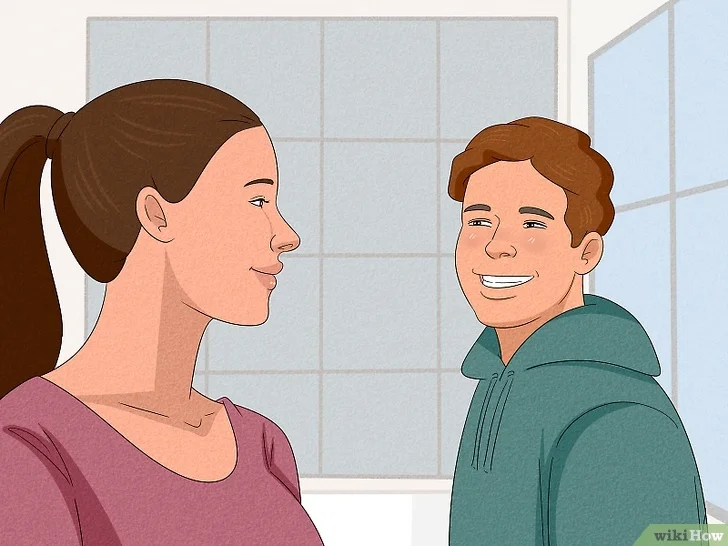
Skip the courtroom interrogation. Try: “I miss how playful we used to be in bed. How are you feeling about us lately?” Speak in “I” statements, aim for curiosity over accusation, and schedule the chat outside the bedroom—nobody wants to debrief desire while surrounded by dirty laundry (literal and emotional).
B. Focusing on Rebuilding Emotional Intimacy & Connection
Revisit the “highlight reel”: the dive-bar karaoke, the rainy camping disaster you now laugh about. Shared novel experiences boost oxytocin, the same cuddle hormone that surges after orgasm. Even 20-minute nightly walks sans phones can reboot connection better than a 3-day vacation that’s mostly airport rage.
C. Exploring Ways to Reignite Spark & Novelty
Trade routine for risk: take a salsa class, experiment with ethical erotica, or recreate your first date with a twist—same restaurant, scandalous underwear. Healthline’s sex tips guide notes that “newness” activates the same dopamine pathways as early romance.
D. Addressing Underlying Relationship Issues
Divide the elephants in the room into small, petting-zoo chunks. One week, tackle the chore imbalance; next, discuss finances. Celebrate micro-wins: if he finally schedules the dentist without reminders, acknowledge it. Positive reinforcement isn’t just for Labradors.
E. Supporting Him Through Personal Challenges
Offer to join a doctor’s appointment or therapy intake, but don’t become his project manager. Phrase it as partnership: “We’re on the same team—what support would feel best?” Then respect his autonomy; nothing kills libido faster than feeling infantilized.
F. Prioritizing Self-Care & Maintaining Your Self-Esteem
Book the spin class, update your résumé, flirt (safely) with your own reflection. Confidence is contagious; sometimes your partner remembers you’re a catch only when you remember first.
G. Evaluating Your Needs & Relationship Compatibility
Make a two-column list: negotiables vs. deal-breakers. If daily sex is your love language and he’s content with quarterly birthday nookie, no amount of scented candles will bridge that gorge. Compatibility isn’t moral failure—it’s math.
IV. Considering Professional Help & Next Steps
A. When and How to Suggest Couples Therapy or Sex Therapy
Bring it up as a joint upgrade, not a damage report: “I think we deserve an awesome relationship—want to bring in a coach?” The American Association of Sexuality Educators, Counselors and Therapists (AASECT) has a zip-code searchable directory of certified sex therapists.
B. Understanding the Role of Individual Therapy
Even if he refuses to go, solo therapy can clarify your boundaries, rebuild self-worth, and script the hard conversations. Think of it as installing your own emotional oxygen mask.
C. Assessing the Possibility of Reconciliation vs. Acceptance
Track effort, not promises. Are both of you reading, talking, trying? If six months pass and the only thing that’s changed is your patience wearing thinner than Target leggings, acceptance may be the saner route.
D. Making Decisions About the Future of the Relationship
Ask yourself the “rocking-chair test”: at 80, will you regret staying and fighting, or leaving and leaping? Either answer is valid; regret is the only failure.
V. Frequently Asked Questions (FAQ)
Q1: Can a relationship survive without sexual attraction?
A: Yes—if both partners genuinely prioritize other forms of intimacy (think companionate marriages or asexual partnerships). The keyword is both; one-sided celibacy breeds resentment faster than unrefrigerated fish.
Q2: How long should I wait to see if things improve after we talk?
A: Therapists often suggest a 90-day “active effort” window: consistent communication, date nights, maybe therapy. If nothing shifts, you have data, not just hope.
Q3: What if he denies there’s a problem or gets defensive?
A: Try the “soft start-up”: “I feel disconnected and I’m scared. Can we figure this out together?” If he still stonewalls, a therapist can mediate. Denial is information, too.
Q4: Could the lack of attraction be my fault?
A: Attraction is duet, not solo. Sure, hygiene, health, or hostility on your part can play a role, but it’s rarely 100% one person. Own your slice, not the whole pie.
Q5: Are these signs always an indication of cheating?
A: Nope. Stress, health, or internal chaos can mimic infidelity symptoms. Still, secretive phones, new grooming habits, and unreachable late nights deserve a respectful ask.
VI. Resources and Further Reading
A. Recommended Books
- Come As You Are by Emily Nagoski, Ph.D.—science-made-simple guide to sexual desire.
- Mating in Captivity by Esther Perel—why domesticity can dull erotic charge and how to rekindle it.
- The Seven Principles for Making Marriage Work by John Gottman, Ph.D.—evidence-based repair toolkit.
B. Reputable Websites for Finding Licensed Therapists
- Psychology Today Therapist Directory
- AASECT (American Association of Sexuality Educators, Counselors and Therapists)
- Couples Therapy Inc. (offers intensive retreats)
C. Authoritative Sources for Understanding Sexual Health
Conclusion
Sexual attraction is the canary in the coal mine of relationships—when it stops singing, the environment needs attention, not earplugs. By spotting the signs, excavating the root causes, and choosing proactive, compassionate steps—whether that’s salsa lessons, therapy sessions, or walking away—you reclaim agency over your love life. Remember: desire thrives on curiosity, safety, and a dash of daring. Give yourself permission to ask for what you want, demand effort, and prioritize joy. You deserve a partnership where “goodnight” is a promise, not a polite exit.