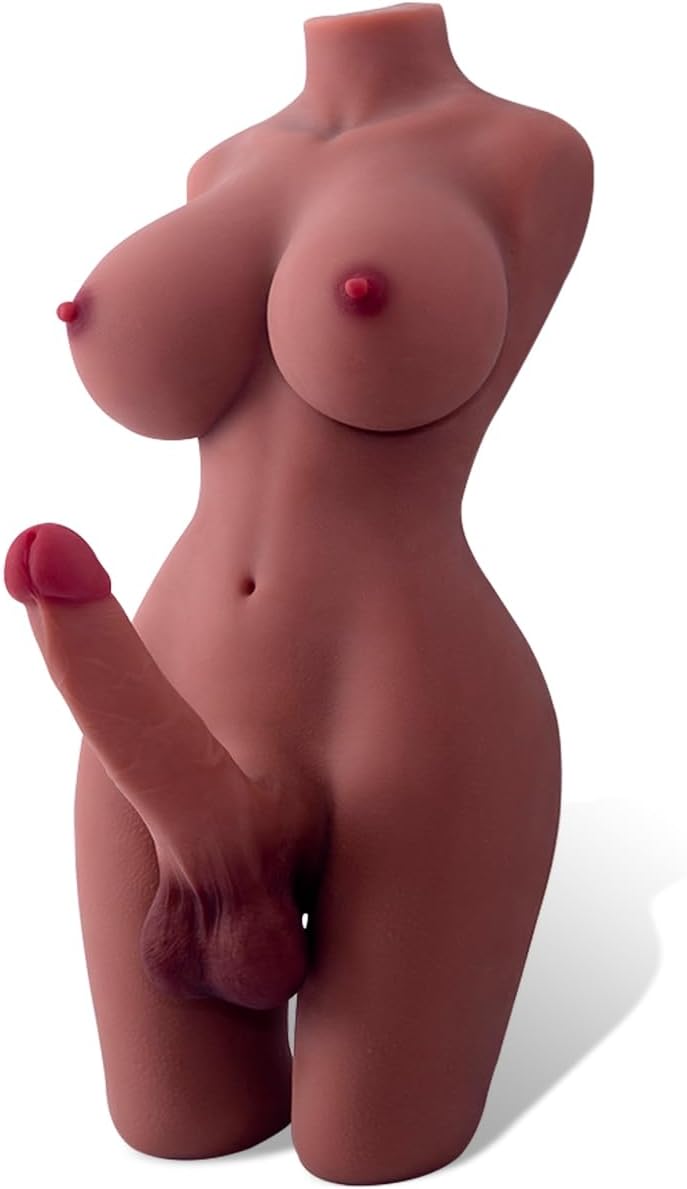
Ever picked up a silicone spatula and thought, “Wow, this feels… oddly human”? Probably not—unless you’ve handled a modern sex doll. Beneath the blush-perfect cheeks and photo-ready pout lies a surprisingly sophisticated supply chain that starts in a chemical plant and ends in a craftsman’s studio. From industrial drums of gooey elastomer to hand-painted freckles, creating a lifelike companion is equal parts Breaking Bad (minus the felonies) and Michelangelo sculpting David after hours. In this article we’ll strip the process bare—no trench coat required—and walk you through how sex dolls are actually made, why material choice matters, and what turns a hunk of rubber into a $2,000 work of, well, interactive art.
1. Core Materials Used in Sex Doll Manufacturing
1.1 TPE (Thermoplastic Elastomer): The Budget-Soft Hug
TPE is the sweatpants of polymers: cozy, stretchy, and wallet-friendly. It’s a mix of plastic and rubber that melts when heated and solidifies when cooled, letting factories pump out doll parts almost as fast as espresso shots on a Monday morning. The upside? A velvety “skin” that jiggles like real flesh and won’t make your credit card weep. The downside? It’s porous—think kitchen sponge—so it can harbor bacteria and tends to stain if you spill Bordeaux on date night. With gentle cleaning and a dusting of corn-starch “talc,” a TPE doll lasts roughly 3–5 years, about the lifespan of a well-used yoga mat.
1.2 Medical-Grade Silicone: The Rolls-Royce of Rubbers
Medical-grade silicone is what NASA might use if astronauts requested in-flight company. It’s chemically inert, hypoallergenic, and can be sterilized in an autoclave—though most owners stop short of baking their bedroom buddy at 250°F. Silicone dolls feel slightly firmer than TPE but still pass the “squeeze test,” especially when artisans layer different densities (firm thighs, cushy hips). Cost? Double or triple TPE, yet you get UV resistance, heat stability (hello, warming blanket), and a 10-year shelf life if you treat it like vintage vinyl.
1.3 TPE vs. Silicone: At-a-Glance Throw-Down
| Feature | TPE | Medical-Grade Silicone |
|---|---|---|
| Feel | Super-soft, slightly tacky | Firm-silky, powder-smooth |
| Durability | 3–5 yrs with care | 10 yrs+ |
| Heat tolerance | ~80°C (176°F) | ~250°C (482°F) |
| Price (full doll) | $800–$1,500 | $2,000–$6,000 |
| Maintenance | Weekly powdering, careful drying | Simple soap-water rinse |
1.4 Material Selection Criteria
Factories don’t spin a roulette wheel. They balance softness (Shore 00 scale), safety (FDA 21 CFR 177.2600 or ISO 10993-10 skin-sensitization tests), heat resistance for optional heating modules, and long-term maintenance. If a buyer wants a doll that can survive a sun-drenched Arizona bedroom, silicone wins. If upfront cost and marshmallow softness top the list, TPE takes the crown.
1.5 Skeletons & Odd Bits
Inside, you’ll find stainless-steel or aircraft-grade aluminum joints, sometimes wrapped in PET wire loom—the same stuff guarding your car’s cables. Premium dolls add ball-jointed wrists, shrug shoulders, even articulated toes for yoga-pose realism. Optional gel buttocks mimic human fat, while copper filaments snake through for body-heat systems. Think Westworld minus the existential crisis.
2. The Molding Process: Creating the Doll’s Form
2.1 Designing the Master Model
Every doll begins life as a 3D mesh on a designer’s screen—ZBrush sculpting, Subsurface-Scatter skin shaders, the works. Some ateliers still start with old-school clay, chiseling dimples like a Renaissance apprentice. Once the digital or clay goddess is approved, a high-resolution 3D printer spits out a maquette, or silicone molds are taken from the clay original.
2.2 Building the Production Mold
Next stop: the mold shop. Think of it as making a giant chocolate Easter bunny, except you can’t lick the spoon. Plaster is cheap but fragile; fiberglass offers mid-range toughness; CNC-milled aluminum molds cost a fortune but survive thousands of pours. Manufacturers pick their poison based on expected sales volume—limited-edition elf princess? Fiberglass. Mass-market bombshell? Aluminum.
2.3 Casting TPE: Injection with a Side of Jiggle
TPE pellets are heated to 180°C, turning into taffy, then injected into the mold under pressure. The machine’s clamp force—about 150 tons—rivals the weight of two adult elephants, ensuring every crease and dimple fills. Cooling channels drop the temp to 40°C in minutes, solidifying the skin so it can pop out faster than cupcakes at a bake sale.
2.4 Casting Silicone: The Liquid Pour
Silicone starts as two liquids: Part A (polydimethylsiloxane) and Part B (platinum catalyst). Mix ratio? Usually 1:1, just like a decent gin-and-tonic. After degassing in a vacuum chamber to banish bubbles, artisans hand-pour the blend into the mold. It cures for 4–6 hours at 80°C—low-temp, energy-friendly—yielding a tear-resistant, crystal-clear skin that even a dermatologist would envy.
2.5 Demolding & Trimming
Fresh out of the mold, the body resembles a flash-frozen superhero: glossy, seam-ridden, and sporting “flashing” (excess rubber). Workers trim the edges with surgical scalpels, then buff seams using 3,000-grit diamond pads—same trick auto-body shops use for mirror-finish paint. The result is a seamless canvas ready for its spa day.
3. Internal Structure: The Articulated Skeleton
3.1 Skeleton Materials
Stainless-steel 304 or 316L rods resist corrosion better than your beach-house grill. Cheaper dolls opt for aluminum alloy—lightweight but more prone to metal fatigue after 500 hip thrusts. Either way, bolts are Loctite-sealed so joints don’t loosen like that IKEA chair you never tightened.
3.2 Joint Engineering
Ball-and-socket joints allow 90° shoulder abduction; double-axis knees bend to 150°—perfect for kneeling or downward dog. Internal spring washers create adjustable friction: twist a hex key, and the limb stays put, no floppy-arm syndrome. Engineers borrow heavily from medical prosthetics, ensuring a range of motion comparable to certified orthotic limbs.
3.3 Integration
Before the skin cures, workers suspend the skeleton inside the mold using locator pins—think tent poles holding up a silicone sleeping bag. Foam padding or cotton wraps create “meat” layers so bones don’t protrude. Once the outer skin gels, the pins are removed, and small patches of TPE/silicone seal the entry holes, erasing any trace of surgery.
4. Craftsmanship & Detailing: Bringing Realism to Life
4.1 Surface Finishing
Artists airbrush freckles using a .3-mm nozzle and alcohol-based pigments. A stipple sponge adds subtle goose-bumps; matte varnish knocks down plastic shine. The goal is uncanny-valley adjacent—close enough for a double-take, far enough to avoid nightmares.
4.2 Painting & Coloring
Layer by layer, silicone paint is thinned with dimethylsiloxane, then baked for 20 minutes at 120°C. Veins are mapped using reference photos from medical atlases—cephalic vein here, basilic there—so anatomy nerds can geek out. Fingernails? Tiny water-slide decals sealed with topcoat, same tech as nail salons.
4.3 Hair Implantation
Rooted hair punches individual strands through the scalp with a hooked needle—painstaking, 4-hour marathon. Alternatively, ventilated wigs (lace-front, human hair) can be glued for easy swap-out. Want a pink bob on Friday and Rapunzel waves by Sunday? Go wig.
4.4 Facial Features
Eyeballs are hand-blown acrylic, 26-mm diameter, with printable iris decals—so yes, you can match your own hazel flecks. Lips get a gradient airbrush: darker periphery, lighter center, finished with a satin clear coat that would make Kylie Jenner jealous.
4.5 Final Assembly
Head screws onto a threaded M16 connector—same standard as camera tripods, because industrial supply chains love reuse. Optional heating pads (12V, 30W) line the torso; a tiny speaker in the chest syncs to Bluetooth moans. After a last QC selfie, the doll is wrapped in fleece, wedged into a memory-foam cocoon, and boxed like a priceless guitar.
5. Quality Control and Final Inspection
5.1 Functional Testing
Each limb cycles through 200 movements—robotic arms perform hip flexion, elbow flexion, ankle dorsiflexion—while torque sensors flag any loosening. A 50-kg sandbag sits on the hips for 24 hours to test skeleton creep, the same protocol IKEA uses for chair fatigue.
5.2 Aesthetic Inspection
Under 5,000-lux daylight LEDs, inspectors scan for paint overspray, seam shadows, or asymmetrical areolae. Calipers measure bust-waist-hip to ±2mm; anything off is sanded and repainted. It’s basically America’s Next Top Model, but the judges wear lab coats.
5.3 Safety Certifications
Reputable factories provide FDA-compliant TPE sheets, platinum-cure silicone certificates, and phthalate-free lab reports from SGS or Intertek. You’re more likely to encounter questionable chemicals in a $5 shower curtain from a discount store than in a mid-range doll.
6. Frequently Asked Questions (FAQ)
6.1 Feel & Care Differences?
TPE feels softer but needs baby-powder pampering; silicone feels firmer, cleans like a dream, and tolerates disinfectants. Choose TPE for budget cloud-hug, silicone for low-maintenance luxury.
6.2 Production Timeline?
Standard build: 3–5 days molding/curing, 2 days detailing, 1 day QC, 1 day shipping prep. Custom face sculpts add 1–2 weeks. Total: roughly 2–4 weeks door-to-door via DHL.
6.3 Body-Safe?
Yes—when you stick to certified vendors. Look for platinum-cure silicone or FDA-compliant TPE plus phthalate-free paperwork. If the price looks too good to be true, it probably reuses mystery rubber.
6.4 Customization Options?
Face, body proportions, skin tone, nail color, areola size, and even labia sculpting are on the menu. Some brands offer 3D-printed heads from your photos—though privacy policies deserve a hard stare.
6.5 Lifespan?
TPE: 3–5 years with gentle use, regular powdering, and storage in a neutral position. Silicone: 10 years+, especially if you avoid silicone-based lubes (they can gum up over decades). Think of it like running shoes: mileage varies.
7. References and Further Reading
Curious minds can dive deeper via ACS Material’s silicone databank, the Society of Plastics Engineers for molding science, or WebMD’s overview of silicone allergy risks. Manufacturer blogs—think RealDoll’s “Behind the Scenes” or DS Doll’s YouTube channel—showcase time-lapse sculpting and paint sessions worth a lunch-break binge.
Conclusion
From petrochemical vats to hand-painted dimples, the journey of a sex doll is a mash-up of aerospace engineering, special-effects makeup, and a dash of dating-app psychology. Modern manufacturing marries cold steel with warm silicone, yielding companions that are as much technological marvels as they are adult toys. Whether you’re window-shopping or already browsing color swatches for areola shade #3, understanding the craft helps you buy smarter, maintain better, and appreciate the artistry behind those blinking, blissfully quiet eyes. Treat your synthetic partner well—clean, powder, store responsibly—and you’ll own not just a pricey plaything, but a surprisingly sophisticated homage to human ingenuity.