Let’s get one thing straight: “self-fuck” isn’t a punch-line, it’s a power move. In 2026, solo intimacy is stepping out of the shadows and into the spotlight as a legitimate, celebrated form of self-care—right up there with meditation apps and oat-milk lattes. This guide exists to help you explore that territory without the usual side dish of shame, misinformation, or a surprise trip to the ER. Whether you’re a seasoned pleasure-seeker or someone who still blushes at the word “lube,” consider this your GPS for navigating the landscape of safe, satisfying, and totally empowered solo sex. And because bodies, genders, and relationships come in more flavors than a Ben & Jerry’s freezer, we’ll keep the language inclusive, the assumptions minimal, and the jokes (mostly) tasteful.
1. Understanding Safe Solo Intimacy Fundamentals
Safe self-pleasure in 2026 isn’t just “don’t stick crazy objects inside yourself”—it’s a holistic mindset. Think of it as the difference between driving barefoot and passing a defensive-driving course: one is technically possible, the other actually prepares you for the road. The modern context folds in three pillars: physical safety (no injuries, no infections), mental well-being (no guilt spirals), and emotional balance (no compulsive escape hatches). Masturbation myths still float around like stubborn party balloons: “It’ll tank your testosterone,” “You’ll desensitize yourself forever,” “Only lonely people do it.” None of these hold air under scientific scrutiny. Healthline’s breakdown shows the only real side effects tend to be better mood and improved sleep—hardly the stuff of horror movies.
2. Essential Safety Practices & Hygiene
Quick reality check: your hands touch subway poles, phone screens, and Fido’s chew toy—all before they get anywhere near your genitals. Wash with unscented soap for at least 20 seconds, rinse thoroughly, and dry with a clean towel. (Yes, the same rule your kindergarten teacher drilled in still applies.) Lubricants are not one-size-fits-all. Water-based lubes play nicely with silicone toys and condoms but evaporate faster than a puddle in Phoenix. Silicone lubes last longer but can degrade some toys—always spot-test. Oil-based options feel luxurious yet can trap bacteria and compromise latex. Pro tip: if you wouldn’t put it in your eye, think twice before putting it downstairs. Set the scene like you’re staging a tiny spa: lock the door, silence Slack notifications, and keep a glass of water nearby—hydration isn’t just for marathon runners.
3. Safe Use of Sex Toys and Accessories
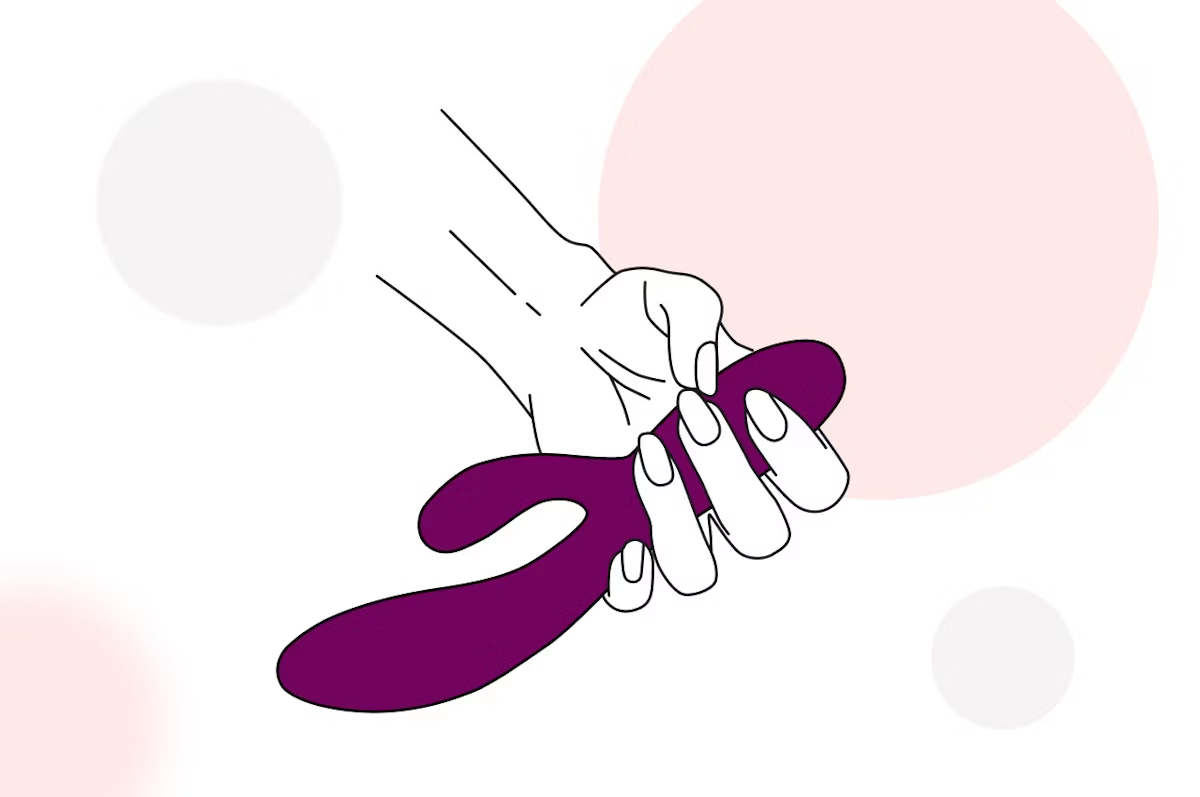
Sex toys live in an unregulated Wild West where “for novelty use only” can be manufacturer-speak for “may contain mystery chemicals.” Hunt for medical-grade silicone, ABS plastic, or stainless steel—materials that earn a passing grade from FDA guidelines for body contact. Non-porous equals non-problem: bacteria can’t set up shop. After each use, wash toys with mild soap and warm water, then sanitize according to instructions—some can be boiled, others need a 70% isopropyl rinse. Store them separately in breathable fabric pouches so your butt plug doesn’t cosplay as a lint roller. Inspect for nicks or discoloration; a tiny tear can harbor bacteria faster than a chipped cutting board. For powered gadgets, check waterproof ratings (IPX7 means it can handle a 30-minute dunk, not a deep-sea expedition) and never charge a toy while it’s still inside you—common sense, but Google “burned rectum” at your own peril.
4. Exploring Techniques for Enhanced & Safe Solo Pleasure
Mindful masturbation is basically yoga minus the leggings: focus on breath, notice sensations without judgment, and—unlike yoga—you can climax at the end. Edging, or surfing the wave just before orgasm, can turn a quick release into a full-body symphony. Start with a 1-to-10 scale of arousal; when you hit 8, back off, breathe, repeat. Fantasies? Load them like Netflix queue: today’s episode might be slow-burn romantic, tomorrow’s a sci-fi thriller—no shame, no algorithm judging you. Vary pressure from feather-light circles to deeper strokes, but keep a mental safe-word: sharp pain means stop, now. Household props—think silicone spatulas or shower heads—can join the party, but wrap them in condoms, avoid anything porous or breakable, and for the love of all things holy, skip the vacuum cleaner; Mayo Clinic urologists have seen the grisly aftermath.
5. Prioritizing Mental, Emotional, and Relational Health
Solo sex should feel like a high-five from yourself, not a guilty secret. If your post-orgasm routine involves mental self-flagellation, it’s time to reframe: consensual pleasure releases endorphins and oxytocin—basically free antidepressants. Balance matters; if you’re turning down real-life dates for marathon sessions with a silicone friend, notice the pattern. The American Association of Sexuality Educators flags compulsive behavior when it interferes with work, sleep, or relationships—think of it like checking Instagram: scrolling is fine, missing your stop because you can’t quit is not. Afterglow care can be as simple as a warm shower, a journal jot, or texting yourself a “good job” emoji—seriously, positive reinforcement works on grown-ups too.
6. Staying Informed & Accessing Resources (2026 Context)
Information ages like avocado—fast. For updates you can trust, bookmark CDC sexual health pages, the NHS intimate wellbeing portal, and podcasts like “Sex with Emily” or “You Are Not So Smart” for myth-busting episodes. Need a pro? The AASECT directory lists certified sex therapists across the U.S. and Europe, many offering Zoom sessions as discreet as a bank statement. Online communities such as r/sexover30 moderate for respectful dialogue—perfect for crowdsourcing lube recommendations without dick pics. Innovations hit shelves monthly: app-controlled toys with biometric feedback, biodegradable vibrators, lubes tailored to vaginal pH—follow consumer-testing sites like Wired’s Gear section for non-sleazy reviews.
7. Frequently Asked Questions (FAQ)
How often is too often? If your skin feels raw or your schedule looks like Swiss cheese, scale back. Otherwise, daily or weekly is normal—think of it like jogging: listen to your knees.
I don’t orgasm—am I broken? Nope. Anorgasmia affects roughly 10-15% of women and plenty of men; sometimes it’s meds, stress, or simply wiring. A licensed therapist can help troubleshoot.
Absolute DO NOTs? No porous produce, no numbing creams (pain is a safety signal), no double-dipping toys between orifices without sanitizing, and no keeping cock rings on for over 20-30 minutes—circulation matters.
Partner feels threatened by my solo time? Frame it as teamwork: “It helps me learn what I like so sex with you is even hotter.” Offer a demo if they’re curious—transparency defuses tension.
Need discreet advice? Planned Parenthood’s Roo chatbot answers 24/7 without storing personal data—Dr. Google with actual credentials.
8. Glossary of Terms & Further Reading
Body-Safe Materials: Non-porous, non-toxic substances cleared for prolonged mucous-membrane contact. Edging: Peaking arousal repeatedly before orgasm. Mindfulness: Paying purposeful attention to present sensations sans judgment. For deeper dives, grab Come As You Are by Emily Nagoski, or scan The Lancet’s sexual health series for peer-reviewed studies. Retailers that publish lab-test results include Peepshow Toys and SheBop—both ship in plain packaging that won’t alert your roommates.
Conclusion
Solo intimacy isn’t a consolation prize for the partner-less; it’s a PhD program in your own pleasure. Armed with 2026-grade knowledge, body-safe gear, and a shame-free mindset, you’re free to experiment, iterate, and celebrate every gasp, tingle, and toe-curl. Keep learning, keep communicating with yourself (and any partners), and remember: the safest sex is the sex you have with someone you trust—luckily, that someone is you.