Understanding Post-Sex Odor Concerns
“Wait … did I just smell that?” If you’ve ever sniffed something funky after getting frisky, you’re in good company. Google logs thousands of “Why does my vagina smell after sex?” searches every month, proving the post-coital whiff is the world’s worst kept secret. The good news? Most of the time it’s as normal as the sweaty sock you peeled off at the gym. The trick is knowing when to shrug it off and when to speed-dial your gyno. This guide breaks down the science without the snooze factor, so you can tell the difference between “meh, biology” and “yikes, infection.”
Why Does My Vagina Smell Different After Sex? (Understanding the Causes)
Think of your vagina as a tiny, self-cleaning oven: it keeps things humming at a crisp pH of 3.8–4.5. Sex, however, is like opening the door and tossing in a bunch of new ingredients—fluids, friction, lube, maybe a latex condom. No wonder the aroma changes.
Normal Post-Sex Odor: What’s Expected?
Semen is alkaline (around pH 7–8) to help sperm survive the acidic vaginal gauntlet. When alkaline meets acidic, you get a temporary chemical “handshake” that can smell slightly bleach-like, chlorine-y, or just … extra body-odorish. Add in sweat from two bodies, maybe a flavored lube that tastes like piña colada gone wrong, and you’ve got a scent that usually fades within a few hours to a day. If the odor is mild and disappears after a shower, it’s basically the vaginal equivalent of morning breath—noticeable, but not a crisis.
Could It Be an Infection? Common Culprits
Sometimes the smell is your body waving a red flag. Three usual suspects:
Bacterial Vaginosis (BV): A shift in vaginal bacteria that produces a classic “fishy” whiff, especially after semen crashes the pH party. The scent is often accompanied by thin, grayish discharge. According to the CDC, BV is the most common vaginal condition in women ages 15–44.
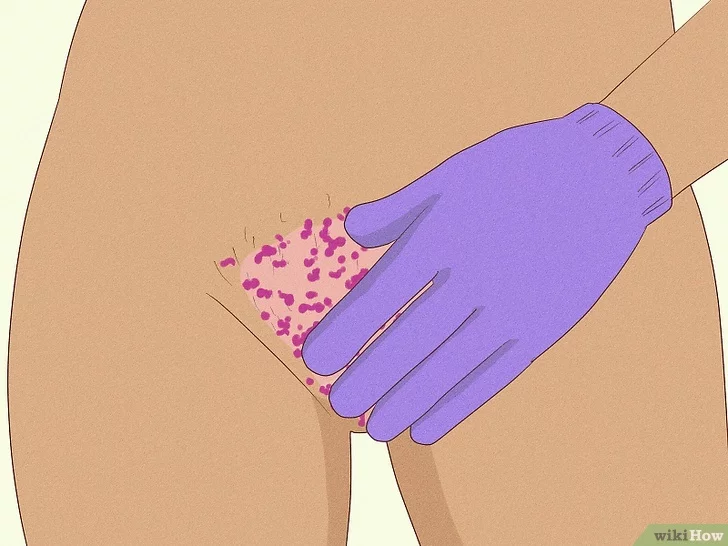
Yeast Infections: Usually smell yeasty (think bread beer) or slightly sour, with thick, cottage-cheese discharge and itching worthy of a Shakespearean tragedy.
Trichomoniasis: A sexually transmitted parasite that can create a foul, sometimes “rotting” odor plus greenish, frothy discharge and burning. The CDC notes that 70–85 % of infected people have minimal or no symptoms—making post-sex odor one of the few tip-offs.
The Role of Semen and pH Balance
Semen’s alkalinity isn’t evil; it’s designed to give sperm a fighting chance. But that pH jump can nudge lactobacilli (the vagina’s good bacteria) off their game, letting “bad” bacteria throw a rager. If you’re prone to BV, you might notice the fishy bouquet minutes after ejaculation—like a bouncer opening the door to the wrong crowd.
Other Contributing Factors
Sometimes the culprit isn’t between your legs—it’s on the nightstand. Flavored or warming lubes, latex condoms with spermicide, and even your partner’s strongly scented body wash can leave a lingering perfume. Forgotten tampons (hey, it happens after tipsy period sex), a sweaty pubic fro, or a diet heavy in asparagus, garlic, and coffee can also add top notes you didn’t order.
What Should I Do About It? (Management and Next Steps)
When is the Odor Normal vs. When to Worry?
Normal: Mild, musky, or slightly sour scent that resolves within 24 hours, no itching, no pain, discharge looks typical for you.
Red-flag parade: Strong fishy, rotting, or chemical odor lasting >48 hours, itching, burning when you pee, pain during sex, or discharge that changes color/texture. If you’re checking your underwear like it’s a CSI episode, it’s time to escalate.
Hygiene Practices After Sex: Helpful or Harmful?
Do’s:
- Pee after sex—flushes bacteria from the urethra and gives you a quick “sniff check.”
- Rinse the vulva (external bits) with warm water or a mild, unscented cleanser. Think gentle, like washing a silk blouse, not scrubbing a BBQ grill.
- Pat dry with a clean towel; moisture breeds odor.
Don’ts:
- Douching—shooting water or “feminine washes” upward is like power-washing your oven’s motherboard. You’ll wreck the good bacteria and invite infections.
- Internal soaps, scented wipes, or glittery sprays (yes, they exist). Your vagina isn’t a birthday cake.
- Wearing the same sweaty thong for 12 hours post romp. Swap into breathable cotton undies or go commando under loose pajamas.
When to See a Doctor or Gynecologist
Schedule an appointment if you tick any of these boxes:
- Odor persists >2 days despite gentle hygiene.
- Discharge is yellow, green, gray, or frothy.
- Itching, burning, or pain interferes with daily life.
- You’ve got fever, chills, or lower-abdominal pain (possible pelvic inflammatory disease).
- You’re pregnant or suspect you might be—some infections raise preterm labor risk.
Prevention Tips for the Future
Think of it as routine maintenance for your pleasure palace:
- Condoms: They reduce pH disruption and STI transmission. Polyurethane or polyisoprene versions are kinder if latex irritates you.
- Partner hygiene: A quick pre-sex rinse lowers bacterial load. Ask nicely— “Wanna shower together?” sounds sexier than “You stank.”
- Choose lubes wisely: Water-based, unscented, and glycerin-free options minimize irritation. Mayo Clinic advises avoiding petroleum jelly or baby oil with condoms—they degrade latex.
- Probiotics: Small studies suggest oral or vaginal lactobacillus supplements may help maintain healthy flora. Not magic, but worth a chat with your provider.
- Diet & water: Staying hydrated dilutes urine (less UTI stink), and a balanced diet keeps all bodily secretions happier—think of it as seasoning soup: too much salt ruins the broth.
Frequently Asked Questions (FAQ)
Q1: Is a “fishy” smell always a sign of an infection?
Almost always. The classic fish odor stems from amines produced by an overgrowth of anaerobic bacteria—aka BV. Rarely, a new lube or condom can mimic it, but if the scent survives a shower, get swabbed.
Q2: How long after sex does a normal odor typically last?
Anywhere from a few minutes to 24 hours. Semen can take 6–8 hours to fully exit the vagina, so next-day “morning after” scent is common. Beyond 48 hours, suspect something else.
Q3: Can my partner’s hygiene or diet affect my vaginal odor?
Absolutely. Smegma, urine residue, or strong-smelling foods (asparagus, curry, cigarettes) on skin or in semen can mingle with your flora. Mutual pre-sex rinse + condoms = aromatic peace treaty.
Q4: Are there any home remedies for post-sex odor?
Stick to the basics: water rinse, cotton undies, hydration. Some folks swear by a 10-minute probiotic yogurt tampon—evidence is thin, and sugary yogurt can feed yeast, so proceed with caution. Never insert garlic, vinegar, or tea-tree oil; they can cause chemical burns.
Q5: If the odor goes away on its own, did I still need to see a doctor?
If it vanishes within a day and you have zero other symptoms, you’re probably fine. Keep an eye on recurrences; frequent odor bouts can signal an underlying imbalance worth checking out.
Seeking Reliable Information & Support (Authoritative Resources)
Dr. Google is great at scaring you, but terrible at swabs. For personalized advice, see a licensed provider. Until then, trusted sites include:
- The American College of Obstetricians and Gynecologists (ACOG)
- CDC – Women’s Health Section
- Office on Women’s Health (U.S. HHS)
- Cleveland Clinic and Mayo Clinic patient-education libraries
Conclusion: Empowerment Through Knowledge
Your vagina isn’t supposed to smell like a vanilla-scented candle—it’s a living, self-cleaning ecosystem with its own signature fragrance. Sex can remix that scent, and usually that’s just biology doing its thing. By learning what’s typical, practicing gentle hygiene, and flagging the warning signs, you stay in the driver’s seat of your own health. So next time you catch a post-sex whiff, take a breath—literally and figuratively—and remember: informed, confident, and proactive is the new sexy.