Redefining “Pretty” – Health Comes First
Let’s be honest—typing “how do I make my vagina look pretty” into Google at 2 a.m. feels a lot like asking the universe why your ex still watches your stories. You want answers, you want them now, and you definitely don’t want judgment. Here’s the plot twist: the universe (and your gynecologist) agrees that “pretty” starts with healthy. Before we dive into the beauty hacks, quick anatomy check: the vagina is the inside tunnel, while the vulva is the outside real estate—labia, clitoral hood, mons pubis, the whole scenic route. You can’t exfoliate a hallway, so today we’re sprucing up the front porch. Ready? Let’s make your vulva the healthiest, happiest version of itself—because confidence looks good on every body.
Understanding Vulvar Health & Aesthetics: Embracing Normalcy
Google “normal vulva” and you’ll see everything from petite petals to dramatic drapes—every single one is standard-issue equipment. A NHS overview of vulval anatomy confirms there’s no factory default for color, length, or symmetry. Yet Instagram filters and certain adult genres keep pushing the “Barbie-smooth” myth, making real women wonder if they’re the odd ones out. Spoiler: you’re not. Prioritizing health—no itching, no pain, no funky discharge—automatically upgrades appearance. Think of it like a houseplant: shine the leaves all you want, but it’s the roots that make it lush.
Foundational Hygiene Practices for Core Health & Appearance
Rule number one: treat your vulva like a silk blouse, not a gym towel. Warm water alone or a mild, pH-balanced cleanser (around 4.5) is plenty. Harsh soaps and Summer’s Eve commercials are basically the equivalent of using dish detergent on your cashmere—overkill that leaves you dry and cranky. Swap polyester thongs for breathable cotton; your skin needs airflow the way your group chat needs memes. After the loo, wipe front-to-back—think of it as traffic direction for bacteria. On your period, change tampons or cups every 4–8 hours and give a quick rinse in the shower to keep blood from drying on the labia, which can cause that not-so-cute irritation look.
Hair Removal Methods & Considerations: Choosing What’s Right for You
Pubic hair is like cilantro: some love it, some hate it, and a few are genetically wired to think it tastes like soap. Options abound:
- Trimming: Fast, bump-free, zero ingrowns—perfect for the low-maintenance squad.
- Shaving: Cheap but risky; a dull razor is basically a one-way ticket to Bump City. Use a five-blade razor, fragrance-free shave gel, and finish with a dab of 1% hydrocortisone cream to calm the skin.
- Waxing/Sugaring: Two-to-four-week smoothness, but expect a brief “fire-ant disco” sensation. Exfoliate 48 hours afterward to prevent trapped hairs.
- Laser/Electrolysis: Pricey upfront, long-term payoff. Ideal if you’re committed to the bald-eagle lifestyle. Avoid DIY IPL devices on darker skin—higher risk of hyperpigmentation.
Not into removal? Rocking a full bush is totally valid; just keep hair conditioned (yes, a drop of fragrance-free beard oil works) so it stays soft and springy.
Managing Skin Tone & Texture: Addressing Concerns Safely
Labia come in Pantone’s entire berry-to-mocha spectrum; darker skin here is normal due to higher melanocyte activity and friction. “Vaginal bleaching” creams hawked online often contain mercury or high-dose steroids—essentially a chemical peel in your pants. The FDA warns these can cause permanent thinning and ochronosis (gray patches). If you’re bothered by rough texture from shaving, a gentle 5% urea cream can smooth without bleaching. For persistent hyperpigmentation (think melasma triggered by hormones), a board-certified derm can prescribe 4% niacinamide or low-strength azelaic acid—safe for mucosal edges when used sparingly.
Odor Management & Maintaining a Healthy Flora
Healthy vaginas smell like everything from tangy yogurt to slightly coppery—thanks to lactobacilli doing their bodyguard routine. Sudden fishy or bread-like whiffs? Could be bacterial vaginosis or yeast throwing a rave. Skip the cucumber-melon sprays; douching flushes out the good guys and raises infection risk by nearly fivefold, per the CDC. Instead, stay hydrated (aim for 2L water daily), load up on probiotic-rich foods like kefir, and choose underwear that doesn’t double as a sauna. If odor comes with itching or thin gray discharge, see a provider—metronidazole gel works wonders.
Lifestyle Factors for Holistic Vulvovaginal Health
Your vulva is a microcosm of your macro life. Omega-3s (salmon, chia seeds) keep cell membranes supple, translating to plumper, less fragile labial skin. Smoking? It strangles blood vessels, leading to paler, thinner tissue—think of a houseplant denied water. Chronic stress spikes cortisol, which can suppress immunity and invite recurrent yeast infections; try box-breathing (inhale 4s, hold 4s, exhale 4s, hold 4s) between Zoom calls. And condoms aren’t just birth control—they’re the ultimate skin shield against chlamydia and herpes, both of which can cause vulvar scarring.
When to Seek Professional Medical Advice: Non-Negotiable Health
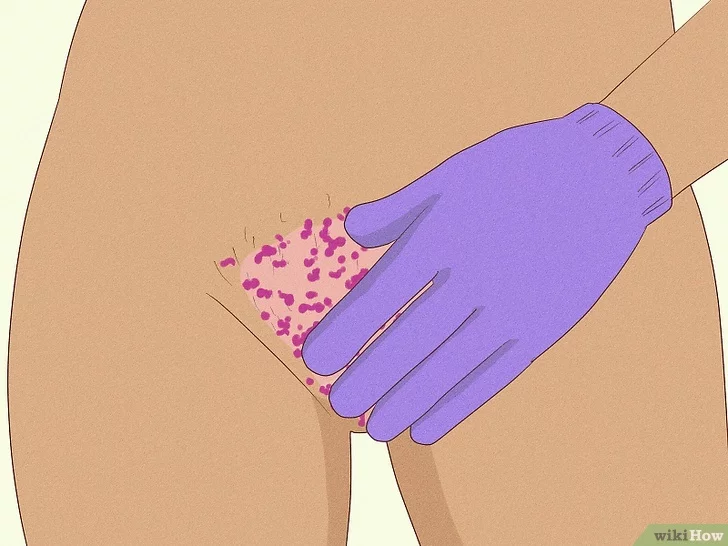
Red-flag bingo: ulcers that look like canker sores, single or clustered blisters, a lump that feels like a pea under the skin, or itch so intense you’re Googling “can I attach a scratch pad to my underwear?” Schedule an appointment—no Instagram filter will fix those. Routine well-woman visits should start at 21 or within three years of first intercourse, then every 1–3 years depending on Pap history. Thinking about a labiaplasty “just to look better”? A 2020 ACOG committee opinion stresses counseling first; many patients’ concerns resolve with reassurance alone.
Frequently Asked Questions (FAQ)
Is it normal for my vulva to be darker than the rest of my skin?
Absolutely. Pigment deepens with puberty, pregnancy, and friction—totally benign unless patches grow or itch.
What’s the safest way to shave without getting bumps?
Use a sharp razor, shave in the direction of growth, and finish with a fragrance-free witch-hazel pad. Bonus: store razors outside the shower to prevent rust.
Can I use regular lotion or coconut oil on my vulva?
Stick to fragrance-free, glycerin-free lotions (CeraVe, Vanicream) on the outer mons only. Coconut oil is comedogenic for some and can trap bacteria—patch-test first.
How often should I see a gynecologist for a check-up?
Annual visits are the gold standard, even if you’re not due for a Pap. Think of it as a “vagina MOT.”
Are there any supplements that improve vaginal health?
Probiotics with L. crispatus and 500mg cranberry extract can reduce UTI and BV recurrence, but they’re sidekicks, not magic wands.
Conclusion: Confidence Rooted in Care
“Pretty” isn’t a cookie-cutter mold; it’s the glow of skin that doesn’t itch, the freedom to wear leggings without swampy regret, the security of knowing what’s normal for you. The seven strategies above—gentle hygiene, mindful grooming, safe pigment care, balanced flora, healthy habits, and timely medical advice—add up to one undeniable truth: when you feel good, you look good. Celebrate your vulva’s unique blueprint, keep learning, and let your confidence do the rest. After all, the sexiest thing you can wear is the knowledge that you’re perfectly, wonderfully maintained.
Resources & Further Reading
Dive deeper with trusted sources: the American College of Obstetricians and Gynecologists, American Sexual Health Association, Mayo Clinic’s vulvovaginal health page, and WebMD’s vaginal health basics. Knowledge is power—and the ultimate beauty hack.