Picture this: you’re curled up on the couch in your comfiest sweats, half-watching Netflix and half-scrolling your phone, when your husband brushes your shoulder and gives you that look. Your stomach drops. You love him, but right now you’d rather alphabetize the spice rack than hop into bed for anything more athletic than sleep. If the phrase “I have no sex drive and my husband is mad” has become your internal soundtrack, welcome to the world’s least exclusive club. Low libido in long-term relationships is as common as misplacing the TV remote—only it’s way more emotionally charged.
The twist? You’re wrestling with two headaches at once: your own worry about why your mojo vanished, plus the ache of seeing someone you care about feel rejected. This guide is here to untangle both threads. We’ll dig into the medical, emotional, and logistical reasons your libido may have gone AWOL, translate your partner’s anger into something you can actually work with, and—most importantly—hand you a toolbox of fixes that don’t involve faking it or snapping at each other. Let’s turn “I have no sex drive and my husband is mad” from a shame-filled secret into a solvable challenge.
1. Understanding the Causes of Low Libido (My Lack of Sex Drive)
Think of sexual desire like a pot of water on the stove: if the burner’s broken, the water won’t boil—no matter how fancy the pot. Below are the usual suspects that quietly switch your burner to “simmer” (or off).
1.1 Identifying Potential Physical Causes
Hormonal hiccups: Thyroid acting sluggish? Estrogen dipping as perimenopause creeps in? Even people with periods in their 20s and 30s can see testosterone levels dip below the libido-friendly zone. A routine blood panel—often skipped in annual physicals—can reveal these gremlins.
Medication side-eye: SSRIs (think Prozac, Zoloft) save minds but can slam the brakes on lust. Birth-control pills, antihistamines, and blood-pressure meds also make the “usual suspects” list. If your prescription timeline and libido crash line up, it’s worth flagging to your doctor.
Chronic illness & pain: Conditions like endometriosis, arthritis, or long-COVID fatigue hijack available energy. Pain signals literally compete with pleasure pathways in your spinal cord—like trying to stream Netflix while someone’s hogging the Wi-Fi.
Sleep—or the lack thereof: One Mayo Clinic overview notes that even one week of sleeping <6 hours nightly can drop free testosterone by 14 percent. Translation: every lost hour of REM could nudge you closer to “not tonight, dear.”
1.2 Exploring Psychological & Emotional Causes
Stress, anxiety, depression: Cortisol is the anti-aphrodisiac. When your brain’s amygdala is screaming about deadlines or existential dread, it diverts resources away from the dopamine highways that make sex sound fun.
Trauma echoes: Unprocessed sexual trauma can keep your nervous system stuck in fight-or-flight. Even if you’ve “moved on,” your body may veto desire before your mind catches up.
Body-image blues: If the idea of being seen naked makes you want to hide under the bed, arousal can’t get past the starting gate. Self-criticism activates the same brain regions that register physical pain—mood killer, party of one.
Relationship resentment: Nothing shrinks desire faster than simmering anger over who last emptied the dishwasher. Emotional intimacy and sexual intimacy share a plumbing system; block one pipe and pressure drops everywhere.
1.3 Recognizing Lifestyle Factors
Poor sleep hygiene: Blue-light doom-scrolling past midnight suppresses melatonin, which you need for both deep sleep and healthy luteinizing hormone pulses (a key ovary-to-libido messenger).
Exercise—or the Netflix marathons: A Healthline roundup shows that 20 minutes of moderate cardio can spike genital arousal in women by 169 percent. Couch lock, on the other hand, drops circulation and testosterone alike.
Diet lowdown: Ultra-processed foods create blood-sugar roller coasters that tank energy. Meanwhile, healthy fats (think salmon, avocado, olive oil) provide the raw ingredients for hormone production.
Substances: Alcohol is a social lubricant that later moonlights as a central-nervous-system depressant. Over time, chronic drinking can lower testosterone and dehydrate vaginal tissues—double whammy.
1.4 Considering the Impact of Relationship Dynamics
Sometimes the “cause” isn’t inside you; it’s between you. Unresolved arguments, score-keeping, or feeling like sex is just another chore on the to-do list can all slam the brakes. If you’re approaching intimacy as a performance rather than play, arousal can’t thrive. Remember: arousal starts with safety, not just lingerie.
2. Navigating My Husband’s Anger & Frustration
Your husband’s frustration can feel like a neon sign blinking “You’re failing at wifehood!”—but anger is rarely about just sex. It’s about what sex represents to him.
2.1 Understanding Why He Might Be Mad
Rejection = unloved: Many partners equate sexual interest with being valued. Saying “I’m not in the mood” can translate in his brain as “I don’t love you,” even when that’s not your intent.
Ego hit: Pop culture tells men their virility is currency. A dry spell can feel like a public downgrade of his masculinity.
Confusion: If you used to initiate and now you don’t, he may be scrambling for an explanation—blaming himself, you, or the mysterious “other guy.”
Loss of connection: Physical intimacy is often his fastest route to emotional closeness. No sex can feel like losing the friendship, the inside jokes, the “us against the world” vibe.
2.2 Recognizing the Impact of His Reaction
Anger backfires spectacularly: the more he pushes, the more your body codes sex as a threat, activating your sympathetic nervous system (fight-or-flight). Desire can’t coexist with danger. Over time you both settle into a guilt-resentment tango: he sulks, you avoid, both feel lousy.
2.3 Differentiating Between Anger and Other Emotions
Anger is often the bouncer protecting softer emotions—hurt, fear, sadness. If you can gently name those underlying feelings (“I hear you’re scared we’re losing our bond”), you defuse the bomb and open space for real talk.
3. Effective Communication Strategies for This Sensitive Issue
Ready to swap eye-rolls for actual dialogue? Try these scripts:
3.1 How to Initiate the Conversation About Low Libido
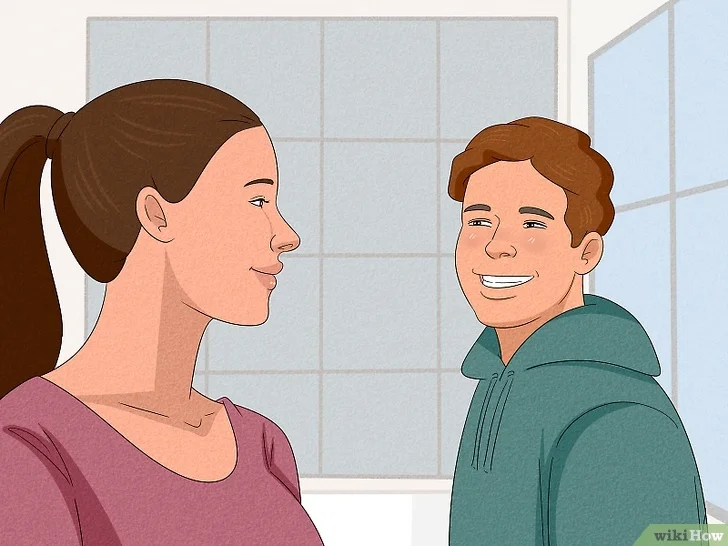
Pick a neutral zone (kitchen table beats bedroom). Lead with teamwork: “I miss feeling close to you, and I think our sex life needs CPR. Can we be on the same team to fix it?” Framing the issue as external (“the problem”) prevents either of you from becoming the villain.
3.2 Expressing Your Feelings Honestly and Compassionately
Use “I” statements: “I feel overwhelmed and disconnected from my body lately. I want to want sex, but I’m stuck and I need help figuring it out.” This keeps the focus on your experience, not his flaws.
3.3 Listening to Your Husband’s Perspective
Channel your inner talk-show host: reflect back what you hear. “So you’re saying when I roll away, you feel like I’m shutting the door on more than just sex—am I getting that right?” Validation doesn’t equal agreement; it simply lowers the temperature so solutions can breathe.
3.4 Practical Communication Tips
- Schedule the chat when neither of you is starving, exhausted, or two glasses of wine deep.
- Agree on a safe word (yes, really) to pause if voices rise. “Can we take 20?” prevents regrettable sentences.
- Ban ultimatums. Replace “If we don’t have sex twice a week I’m done” with “I’d love to aim for small steps—maybe sensual touch without pressure for climax?”
4. Practical Solutions and Steps to Rebuild Intimacy
Enough talking—time for action plans that don’t feel like homework.
4.1 Seeking Professional Medical Evaluation
Start with your GP or gynecologist and ask for:
- Full hormone panel (thyroid, estrogen, testosterone, prolactin).
- Review of all meds and supplements.
- Screening for depression, anxiety, and sleep apnea.
Bring a written timeline: when did desire dip? Any life changes? Data beats vague complaints.
4.2 Exploring Therapy and Counseling Options
Individual therapy: Cognitive-behavioral or EMDR if trauma is in the mix.
Couples or sex therapy: Look for AASECT-certified therapists—they’re trained to talk about eroticism without blushing. Yes, you’ll pay out-of-pocket sometimes, but it’s cheaper than divorce.
4.3 Addressing Underlying Relationship Issues
Revisit the friendship: schedule non-sexual date nights (board games, hiking, cooking together). Emotional foreplay matters. Research from The Gottman Institute shows couples who laugh together are more likely to lust together.
4.4 Redefining and Rebuilding Intimacy
Sensate focus: Take turns touching each other for 10 minutes, avoiding breasts and genitals. The goal is curiosity, not orgasm. It reboots your nervous system to associate touch with relaxation, not performance pressure.
Non-sexual physical touch: 20-second hugs (oxytocin release threshold), back rubs while the pasta boils, good-morning kisses that last more than a peck.
4.5 Managing Stress and Improving Well-being
Sleep: aim for 7–9 hours; use blue-light blockers after 9 p.m.
Exercise: 150 minutes moderate activity weekly—yes, brisk dog walks count.
Nutrition: swap refined carbs for fiber-rich veggies and lean protein to steady blood sugar and energy.
4.6 Negotiating Needs and Finding Compromise
Create a “desire menu”: each of you lists 10 intimacy activities (massage, shower together, sexting, oral, intercourse, cuddling). Rate 1–5 willingness. Overlap items become your starter platter—no pressure to order the full tasting menu immediately.
5. Finding Support and Resources
5.1 Reputable Online Resources
- Mayo Clinic: Low sex drive in women
- WebMD: Sexual Desire Disorders
- ACOG patient pamphlet on low libido
5.2 Locating Qualified Professional Help
- AASECT directory for certified sex therapists.
- Psychology Today’s therapist finder—filter by “sex therapy” and your ZIP code.
- AAMFT marriage & family therapists.
5.3 Recommended Books and Workbooks
- Come as You Are by Emily Nagoski—think of it as the owner’s manual to your sexual brain.
- Mating in Captivity by Esther Perel—how to keep desire alive once you share a toothbrush holder.
- The Sexual Healing Journey by Wendy Maltz—gentle exercises for trauma survivors.
6. Frequently Asked Questions (FAQ)
Q: Is it normal to lose my sex drive in a long-term relationship?
A: Absolutely. Desire fluctuates across life stages. The key is whether the drop distresses you or your relationship—then it’s worth addressing.
Q: Could my low libido be my husband’s fault?
A: Rarely one person’s fault. Dynamics matter, but biology, stress, and health play huge roles. Focus on shared solutions rather than blame ping-pong.
Q: What if my husband refuses therapy?
A: Start solo. Often when one partner changes the dance steps, the other has to adjust. Celebrate small shifts; they can nudge him toward joint help later.
Q: How long until I see improvement?
A: Medical fixes (hormone adjustment, switching meds) can show changes in weeks. Emotional or relational work may take 3–6 months. Track progress in a journal; tiny upticks count.
Q: Is there medication to increase female libido?
A: Yes—Addyi (flibanserin) and Vyleesi (bremelanotide) are FDA-approved for premenopausal women, but they’re not magic. They work best combined with lifestyle and therapy tweaks.
Q: Can we rebuild intimacy if we feel like roommates?
A: Roommates can upgrade to lovers again. Start with friendship rituals, add non-sexual touch, then graduated sensual activities. Think slow cooker, not microwave.
Conclusion
Low libido can feel like your body and your relationship have declared mutiny at the same time. But here’s the good news: desire isn’t a fixed trait; it’s a moving target influenced by hormones, heartache, and even how much kale you ate last week. By tackling physical culprits, translating anger into vulnerability, and rebuilding intimacy like you’re crafting a playlist—one thoughtful track at a time—you can turn “I have no sex drive and my husband is mad” into “We hit a rough patch, but we know how to find our way back to each other.” Grab the resources, book the doctor’s appointment, schedule the therapist, and maybe—just maybe—start with a 20-second hug today. The path from spice-less to spicy again starts with a single, intentional step.