I. Introduction: Understanding Your Goal and Setting Realistic Expectations
Let’s be honest—typing “how to tighten labia majora skin naturally at home: safe tips” into a search bar feels a little like Googling “how to fold a fitted sheet” at 2 a.m.: you’re equal parts curious, skeptical, and hoping for a miracle. The good news? You’re not alone, and you’re not weird for wanting your intimate skin to feel as bouncy and hydrated as the rest of you. “Tightening” here simply means improving tone, elasticity, and moisture—think of it like swapping out a tired hair-tie for one that actually snaps back. The not-so-magical news? Natural methods are more “slow-burn Netflix series” than “15-second TikTok transformation.” Results are subtle, cumulative, and wildly individual. So if anyone promises you a porcelain-smooth Barbie crotch overnight, they’re selling snake oil—possibly literally.
II. Understanding Labia Majora Skin and Common Causes of Laxity
II.1 The Structure and Function of the Labia Majora
Picture the labia majora as the body’s built-in bouncers: they cushion the entrance, regulate temperature, and keep friction from turning into a four-alarm fire. Unlike facial skin, this tissue is stuffed with fat pads, stretchy collagen fibers, and hormone-hungry receptors that throw a tantrum every time estrogen dips. Translation: it’s supposed to be plush, movable, and a tad wrinkly—like a well-loved yoga pant waistband.
II.2 Natural Factors Leading to Skin Laxity
Collagen production peaks somewhere around the time you stop believing boy-band lyrics are deep. After 30, we lose about 1% per year—more if you’ve baked in the sun, birthed a human, or treated your body like a yo-yo. Hormonal cliff dives (menopause, post-partum, marathon breastfeeding) thin the dermis faster than a college budget. Add in weight swings the size of a Netflix binge, and the skin eventually sighs, “I give up.”
II.3 Differentiating Normal Changes From Red Flags
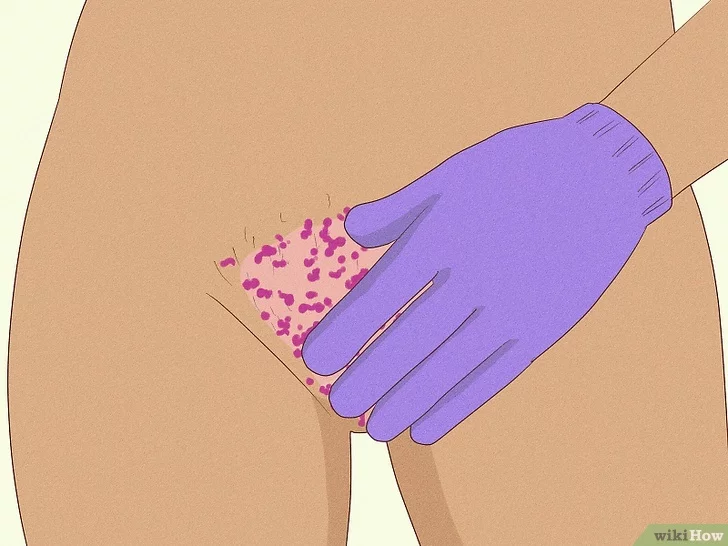
A little crepey texture? Normal. Color shift from dusty rose to mocha latte? Also normal—pigment loves to party. But sudden ulcers, dime-sized lumps, or pain that makes sitting feel like a horse ride? Swipe right on a medical appointment, not on a DIY vinegar “peel” you saw in a Facebook group.
III. The Science Behind Natural Tightening: What Really Works?
III.1 How Natural Methods Support Skin Health
Topical plant oils can’t override genetics, but they can act like a spa day for your keratinocytes: lock in water, deliver antioxidant bouncers, and whisper “calm down” to irritated cells. Internally, vitamin C is the foreman at the collagen construction site, while protein supplies the bricks. Gentle massage? That’s the FedEx truck bringing oxygen and nutrients to the doorstep. None of this rewinds the clock to age 18, but it can slow the gears.
III.2 Evaluating the Evidence
PubMed is not exactly bursting with labia-specific moisturiser trials (scientists tend to chase cancer cures over vulva facials). Most evidence is borrowed from facial dermatology: a 2012 study on almond oil and UV damage showed improved barrier recovery, while Mayo Clinic notes that occlusive moisturizers reduce transepidermal water loss. Extrapolate with caution and a sense of humor.
IV. Safe and Natural At-Home Care Methods for Firmer Skin
IV.1 Topical Applications with Natural Ingredients
IV.1.1 Nourishing Oils: Coconut, Sweet Almond, Rosehip
Think of these as the avocado toast of skincare—trendy, nutrient-dense, and pointless if you drown in them. Coconut oil’s lauric acid boasts antimicrobial perks, but it’s also comedogenic for some; patch-test on your inner thigh first. Sweet almond is lighter, rich in vitamin E, and less likely to start a grease fire in your underwear. Rosehip brings trans-retinoic acid—nature’s retinol—without the prescription drama. Warm a pea-sized drop between clean fingers, pat—don’t scrub—onto the outer labia once daily, preferably after a shower when skin is still damp. Slip on cotton undies so you don’t sauté your skin all day.
IV.1.2 Soothing Masks/Wraps: Aloe Vera, Egg White
Channel your inner preschooler: mix 1 Tbsp pure aloe (from the plant, not the neon-green after-sun bottle) with a teaspoon of raw egg white. Paint a paper-thin layer on the outer lips, leave for 10 minutes, rinse with lukewarm water. Aloe delivers mucopolysaccharides (a fancy word for “sponge-like moisture”), while egg protein forms a temporary film that feels “snug” as it dries. Frequency? Once a week—any more and you risk protein overload that flakes like bad mascara.
IV.2 Nutrition and Internal Support
IV.2.1 Key Nutrients for Collagen Production
Your plate needs the holy trinity: vitamin C (kiwi, bell pepper), zinc (pumpkin seeds, beef), and amino acids (eggs, lentils, salmon). A 2020 NHS overview notes vitamin C is “essential for collagen synthesis which helps to keep skin supple.” Translation: skip the orange, invite the kiwi—one furry fruit equals 85 mg of C, almost your daily RDA.
IV.2.2 Supplement Considerations
Collagen powders are the kale smoothies of the 2020s—hype heavy, evidence light. Still, a 2021 meta-analysis in the Aesthetic Surgery Journal found hydrolyzed collagen improved skin elasticity after 90 days. Dose used: 2.5–10 g daily. If you’re vegetarian, opt for “collagen builders” (vitamin C, silica, amino acids) instead of unicorn tears labeled “vegan collagen.”
IV.3 Targeted Exercises and Gentle Massage
IV.3.1 Pelvic Floor Exercises (Kegels)
Kegels won’t shrink skin like a wool sweater, but they do pump fresh blood through the perineum, giving tissue that post-workout glow. Aim for 3 sets of 10-second holds, twice daily. Free app “Kegel Trainer” pings you so you don’t have to tattoo “squeeze” on your hand.
IV.3.2 Safe Massage for the Labia Majora
After oil application, use thumb and index finger to make small, clockwise circles along the outer labia—think of rolling dough for tiny croissants. Five minutes, 3× weekly. Stop if you feel pain, and never yank; this isn’t a Stretch Armstrong reboot.
V. The Essential Safety Guide
V.1 Ingredient Safety
Citrus oils (lemon, bergamot) are the Regina George of essential oils—phototoxic mean girls that can burn you when exposed to UV light. Undiluted tea tree can fry mucous membranes faster than a jalapeño on a paper cut. Steer clear of apple-cider-vinegar “peels” unless you fancy a chemical burn in your bikini zone.
V.2 Hygiene Protocol
Wash hands, trim nails, and use a dedicated small bowl for mixing. After masking, rinse with lukewarm water—no loofahs, no lavender-scented pressure washers. Pat dry with a fresh towel; the same rag you use on your hair is a bacterial Airbnb.
V.3 Proper Technique
Press, don’t dig. If the skin blanches or stings, abort mission. Your labia should feel pampered, not punished—think Swedish massage, not deep-tissue revenge.
V.4 Managing Expectations
Visible subtle changes take 6–8 weeks of consistent TLC—about the time it takes to binge three seasons of whatever show just dropped. Snap a progress pic only if you’re into that; otherwise judge by touch and comfort.
VI. Methods to Avoid: Ineffective and Potentially Harmful Practices
Vaginal steaming à la Gwyneth? You’re essentially slow-cooking delicate tissue. Worse are “radiofrequency wands” sold on Etsy for $39.99—unregulated gadgets that can blister or permanently numb. And please, step away from the toothpaste “tightening” hacks—your vulva is not a bathroom sink.
VII. When to Consult a Healthcare Professional
VII.1 Red Flags
Persistent itching, non-healing cracks, or a lump that feels like a frozen pea needs a clinician’s eye. ACOG reminds us that vulvar cancer is rare but real—better an awkward appointment than a late diagnosis.
VII.2 Professional Options for Comparison
In-office radiofrequency (ThermiVa) and fractional CO2 lasers (FemiLift) heat or micro-injure tissue to spark neocollagenesis. Downside: $1,000–$3,000 per session, and data on long-term efficacy is still budding. Still, it’s the closest thing to “ctrl-Z” if your laxity is severe.
VIII. Frequently Asked Questions
Q1: How long does it take to see results from natural methods?
Expect 6–8 weeks of consistent oil-plus-massage before you notice a “snapback” in hydration or mild firmness.
Q2: Are there specific exercises to tighten the labia majora directly?
No muscle sits inside the labia, so Kegels support indirectly via blood flow. Skin itself can’t do push-ups.
Q3: Can weight loss help?
Moderate fat loss may reduce heaviness, but rapid drops leave excess skin—think deflated balloon. Slow and steady wins the race.
Q4: Is it safe to use facial firming creams?
Most contain fragrances and alcohol—party crashers for vulvar skin. Stick to oil blends formulated for intimate use.
Q5: How often should I apply oils or massage?
Once daily for oils, 3× weekly for massage. Overdoing it can clog pores and create the dreaded “crotch acne.”
IX. Conclusion: A Balanced Approach to Intimate Wellness
Your labia majora have served you well—cushioning bike rides, buffering bad dates, and generally staying out of the spotlight. Natural care is less about chasing teen perfection and more about maintaining happy, flexible skin that lets you chase the bus without pain. Combine smart nutrition, gentle external TLC, and realistic expectations, and you’ll hit a sweet spot between body positivity and proactive self-care. And if all else fails, remember: the world’s most functional body part is not a porcelain ornament—it’s a living, adaptable, bad-ass bit of you. Treat it kindly, laugh often, and call the doc when things get weird.
X. References and Further Reading
- Mayo Clinic: Dry Skin – Symptoms & Causes
- American College of Obstetricians and Gynecologists: Gynecologic Problems
- NHS: Vitamin C – Functions & Sources
- Aesthetic Surgery Journal: Collagen Supplementation Meta-Analysis
- American Academy of Dermatology: Dermatologists’ Tips for Dry Skin
- PubMed Central: Almond Oil and UV Damage Study