If you’ve ever flinched when a partner grazed your clitoris too hard, struggled to wear tight leggings without constant irritation, or felt like your sensitivity makes sex “too much” sometimes, you’re far from alone. A 2021 Planned Parenthood survey found that nearly 60% of people with vulvas report heightened clitoral sensitivity at some point in their lives, ranging from intensely pleasurable to downright painful. This guide is your no-judgment, actionable roadmap to figuring out what your body likes, staying comfortable day-to-day, and unlocking more pleasure—whether you’re flying solo or with a partner. There’s no “right” level of sensitivity, just what works for you.
Understanding Clitoral Sensitivity: What’s Normal?
First, let’s set the record straight: your clitoris has more than 8,000 nerve endings, more than the entire head of the penis, per The American College of Obstetricians and Gynecologists (ACOG). That means some level of heightened sensitivity is totally expected, and it exists on a huge spectrum. Some people love direct, firm pressure, while others can only tolerate light, indirect touch through clothing, and both are completely normal.
Common causes of temporary increased sensitivity include hormonal shifts (your period, pregnancy, menopause, or starting new birth control), recent sexual activity, tight clothing irritation, or even mild dehydration. It’s key to differentiate between pleasurable and painful sensitivity: if the feeling is warm, tingly, and makes you want more, that’s the good stuff. If it’s sharp, stinging, or lingers as discomfort after touch stops, that’s a sign your body is telling you something is off.
Foundational Care: Daily Comfort and Hygiene Habits
Managing sensitivity starts long before you get in the bedroom, with small daily habits that cut down on unnecessary irritation. First, skip the scented soaps, douches, and fragrant body washes on your vulva: Mayo Clinic recommends only using warm water or a mild, fragrance-free, pH-balanced cleanser on the external vulvar area, since harsh products disrupt your natural microbiome and make sensitivity worse.
Clothing choices also make a huge difference. Opt for 100% cotton underwear whenever possible, and limit wear of tight synthetic leggings, shapewear, or skinny jeans for more than a few hours at a time—think of it like giving your vulva the same fresh air break you give your feet after wearing tight sneakers all day. Cut out other common irritants too: scented toilet paper, fragrance-heavy laundry detergent, fabric softeners, and most disposable wet wipes are common culprits for mild irritation that ramps up sensitivity. If you deal with regular dryness, a thin layer of fragrance-free water-based lube under your underwear can cut down on rubbing discomfort during workouts or long work days.
Solo Exploration: Techniques for Comfortable Touch and Masturbation
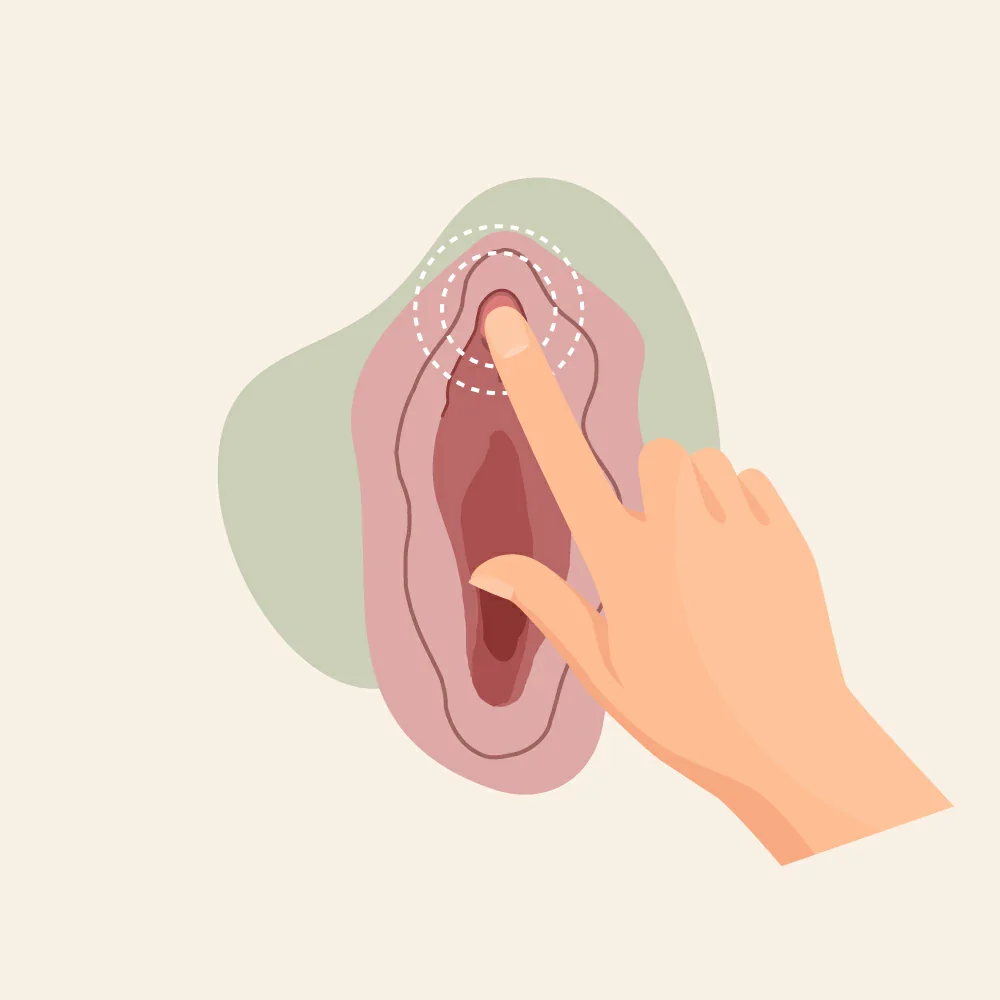
Solo play is the lowest-pressure way to figure out what your body likes, no performance pressure required. First, lean into indirect stimulation: many people with high sensitivity find that touching through underwear, or rubbing the labia around the clitoris instead of the clit directly, feels way more comfortable than direct contact. It’s like eating a super spicy chip: you don’t shove the whole thing in your mouth first, you take small bites and build up to what you can handle.
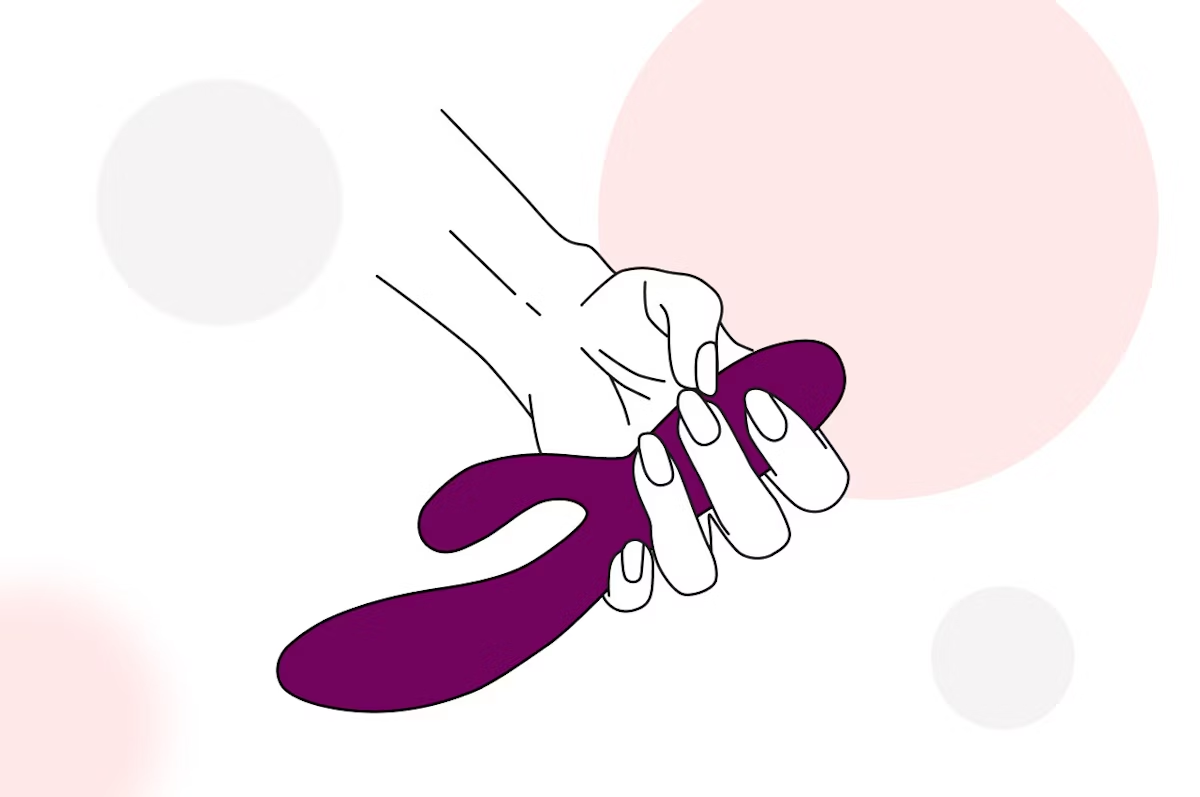
Stick to light pressure at first, using the soft pad of your finger instead of the sharper tip, or even the flat of your palm for broader, duller sensation. Lube is non-negotiable here, even if you get naturally wet: it cuts down on friction that can lead to overstimulation or post-play soreness. Water-based lube is the safest bet for sensitive skin, though silicone lube works great for longer sessions if you don’t plan to use silicone toys. If even light touch is too intense, try using a thin soft washcloth or piece of cotton fabric between your hand and your vulva to dull the sensation further. When experimenting with toys, opt for broad-head, low-frequency vibrators instead of small pinpoint ones, per International Society for the Study of Vulvovaginal Disease (ISSVD) guidance—you can even hold the vibrator against your thigh first to muffle the intensity before moving it closer to your clit.
Partnered Intimacy: Communicating and Enhancing Shared Pleasure
Talking to a partner about your sensitivity doesn’t have to be awkward or feel like a complaint. Frame it as a fun way to make sex better for both of you: try something like “I love when you touch me there, but if you go slower and lighter it feels so much better” instead of “You’re doing it wrong.” Most partners are happy to adjust, they just don’t know what you like unless you tell them.
Stick to positions that give you control first, like being on top, so you can set the speed, pressure, and angle without any unexpected hard touches. You can also put your hand over your partner’s hand to guide them exactly to the pressure and rhythm you like, so there’s no guesswork. Keep lube by the bed, and don’t be shy about reapplying mid-session—extra lube cuts down on friction that leads to irritation, no matter how aroused you are. Finally, don’t sleep on non-penetrative intimacy: focusing on kissing, touching your neck, inner thighs, or nipples, or even dry humping through clothing can be just as pleasurable without any direct clitoral touch, if that’s what feels good that day.
When to Seek Professional Help: Addressing Underlying Causes
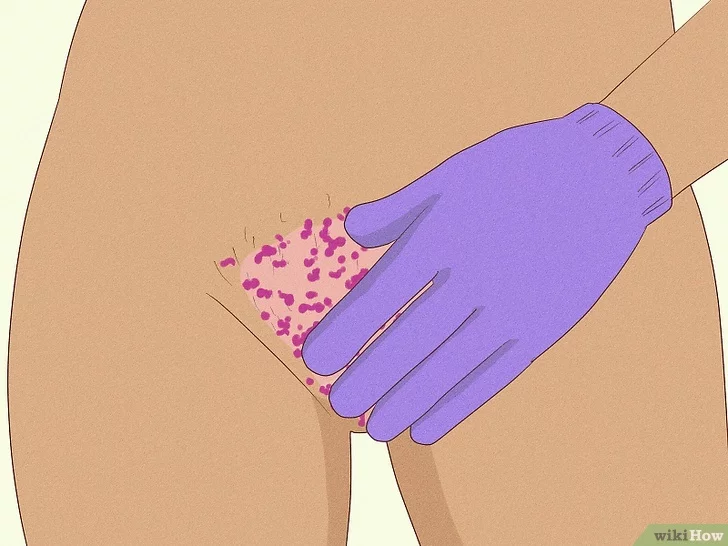
Most sensitivity is normal and manageable with lifestyle changes, but there are some red flags that mean it’s time to see a doctor. Per CDC sexual health guidelines, you should book an appointment if you have persistent pain that lasts more than a week, pain when you pee or have penetrative sex, swelling, unusual discharge, or sensitivity that comes on suddenly without an obvious cause.
Start with your regular OB/GYN, and if they can’t find an obvious cause like a yeast infection or bacterial vaginosis, ask for a referral to a pelvic floor therapist or a vulvovaginal specialist. Potential treatments range from topical hormonal creams for dryness caused by menopause, to pelvic floor physical therapy for tense pelvic muscles that ramp up sensitivity, to prescription low-dose topical numbing agents for severe pain (never use over-the-counter numbing products on your vulva without checking with a doctor first, as many contain irritants).
The Mind-Body Connection: Holistic Self-Care for Sensitivity
Tension makes sensitivity feel way worse than it actually is: if you’re already tensed up expecting pain when someone touches you, even light pressure will feel uncomfortable. Try 5 minutes of deep breathing or a short guided meditation before solo or partnered play to relax your body, and focus on staying present instead of worrying about how you “should” feel.
Adopt a goal-free exploration mindset, too: stop fixating on having an orgasm every time you play, and just focus on what feels good in the moment. It’s like trying a new snack: you don’t have to finish the whole bag to enjoy the taste. Finally, remind yourself regularly that your sensitivity is not a flaw. Anyone who makes you feel like you’re “too much work” for having needs isn’t worth your time, and prioritizing your comfort is never selfish.
Frequently Asked Questions
Q1: Is it normal for my clitoris to be so sensitive I can’t touch it directly?
Absolutely! A 2022 Healthline survey found that 32% of people with vulvas cannot tolerate direct clitoral touch, and many orgasm exclusively from indirect stimulation through clothing or labial rubbing. There’s nothing wrong with you if direct touch doesn’t feel good.
Q2: Could my birth control or medication be causing increased sensitivity?
Yes. Hormonal birth control, antidepressants, antihistamines, and even some acne medications can shift your hormone levels, cause vulvar dryness, or increase nerve sensitivity. If you notice a sudden change in sensitivity right after starting a new medication, talk to your doctor about potential alternatives.
Q3: What type of lubricant is best for very sensitive skin?
Stick to fragrance-free, water-based lube with no added flavors, cooling, or warming agents, per ACOG guidance. Avoid lubes with glycerin if you’re prone to yeast infections, and test a small amount on your inner arm first to check for irritation before using it on your vulva.
Q4: How can I orgasm if direct clitoral touch is too intense?
Try grinding against a soft pillow, using a low-intensity vibrator on your labia or mons pubis (the fatty area above your clit), or asking your partner to stimulate you through a thin layer of clothing. Many people orgasm regularly without ever touching their clitoris directly.
Q5: When does sensitivity typically indicate an infection versus a chronic pain condition?
If sensitivity comes on suddenly, accompanied by unusual discharge, burning when you pee, swelling, or a bad odor, it’s almost always an infection like yeast or bacterial vaginosis, and you should see a doctor right away. If you have persistent sensitivity for 3+ months with no other obvious symptoms, it could be a chronic condition like vulvodynia, and a vulvovaginal specialist can help you explore treatment options.
Resources and Further Reading
Authoritative Websites & Organizations
For evidence-based sexual health guidance, visit the American College of Obstetricians and Gynecologists (ACOG), Planned Parenthood, or International Society for the Study of Vulvovaginal Disease (ISSVD) websites.
Recommended Products (Non-Endorsed)
For sensitive skin, look for fragrance-free hypoallergenic cleansers like CeraVe Hydrating Cleanser, water-based lubes like Sliquid H2O, and 100% cotton underwear from brands like Pact or Hanes.
Finding a Specialist
Use the ACOG provider search tool to find a supportive gynecologist in your area, the ISSVD directory for vulvovaginal pain specialists, or the American Physical Therapy Association’s search tool to find a certified pelvic floor therapist near you.
Conclusion
At the end of the day, managing a sensitive clit is all about listening to your body, not forcing yourself to fit some arbitrary standard of what sex “should” look like. Whether you prefer only indirect touch, need extra lube every time, or have to ask your partner to slow down, your needs are completely valid. Be patient with yourself as you explore, and don’t hesitate to reach out to a medical professional if you’re dealing with persistent pain or discomfort. Your comfort and pleasure are the only things that matter, and there’s no shame in prioritizing them.