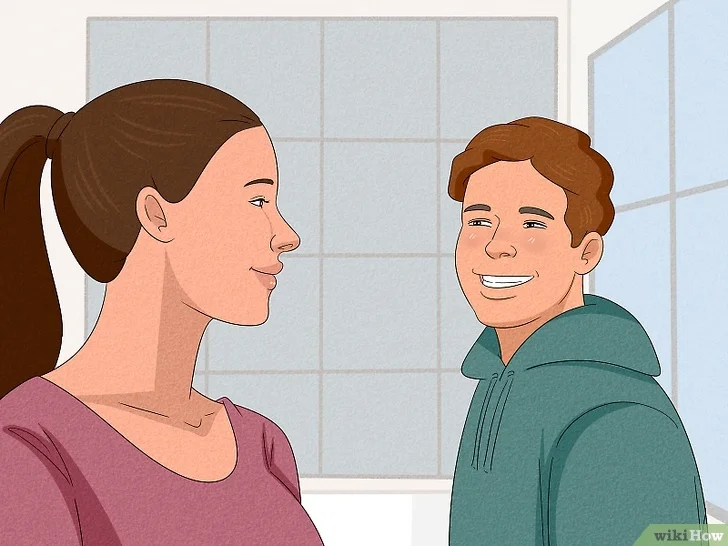
We’ve all been there (or heard the horror story from a best friend): you hit it off with a great guy, the date is perfect, the chemistry is off the charts, you hook up, and you leave feeling like you’ve finally found someone worth making space for in your busy schedule. Then… crickets. He texts half-heartedly, cancels plans last minute, or vanishes entirely. It’s confusing, frustrating, and so easy to spiral into “what did I do wrong?” thoughts.
This article is here to break down that confusing behavior, moving beyond lazy stereotypes like “all guys are players” to explore the messy, overlapping mix of biological, psychological, relational, and situational factors that drive this pattern. Important note up front: we’re explaining this behavior, not excusing it. Ghosting, leading someone on, or being intentionally disrespectful after intimacy is never okay, no matter what’s going on behind the scenes.
Biological & Physiological Factors (The “Drop”)
First, let’s get the science out of the way, because a lot of post-sex withdrawal starts with body chemistry that has nothing to do with how much he likes you. As Scientific American notes, orgasm triggers a rapid, dramatic shift in brain hormones: the feel-good dopamine rush that built up during sexual tension crashes hard, while prolactin (the hormone linked to feelings of satiation and sleepiness) spikes sharply.
Then there’s the refractory period, a well-documented physical response explained in Mayo Clinic resources: after orgasm, most people assigned male at birth experience a period where they can’t get aroused again, and often feel a strong urge to rest, eat, or even zone out alone, rather than cuddle or connect. Think of it like finishing a tough 5K: you’re not going to immediately sign up for another run, you’re going to chug a Gatorade and collapse on the couch for 20 minutes.
The key here is separating instinct from intent. If he’s quiet for an hour after sex but orders you both takeout and texts you the next day to check in, that’s just biology at work. If he vanishes entirely immediately after, there’s more going on than just hormone shifts.
Psychological Drivers & Emotional Processing
A lot of post-sex withdrawal is rooted in how people process emotion and intimacy, not just how their bodies react. For some people, sex is framed as a “goal” to check off a list, thanks to years of cultural messaging that ties sexual conquest to masculinity and success. Once that goal is met, the motivation to put effort into the connection vanishes entirely.
Fear of vulnerability is another huge driver. For people who struggle to open up, the level of closeness that comes with sex can feel overwhelming, even terrifying. This is especially common for people with avoidant attachment styles, per The Attachment Project: avoidants are wired to pull away after intense closeness to protect themselves from feeling dependent or rejected. That withdrawal isn’t about you—it’s about their own internal fear of being hurt.
There’s also the widely talked-about “post-sex clarity” effect: when the fog of lust and sexual tension lifts, people can suddenly see clearly whether they actually have compatible values, personalities, or long-term goals. For some, that clarity leads to the realization that the connection is only physical, so they pull away rather than lead someone on. Underlying mental health issues like depression, anxiety, or past sexual trauma can also cause withdrawal, as WebMD notes: mental health struggles can make even small acts of emotional connection feel draining after sex.
Relationship Dynamics & Expectations
More often than not, post-sex disinterest comes down to simple misalignment of what you both wanted out of the connection from the start. If he was only looking for a casual hookup and you were hoping for a long-term relationship, there’s no middle ground to meet on once sex happens. That mismatch isn’t a failure on either side, but it almost always leads to one person pulling away.
If you didn’t build any emotional connection before having sex, that’s another common trigger. If all your interactions before hooking up were flirty, surface-level, and focused entirely on physical chemistry, there’s nothing left to build on once the sexual tension is resolved. Some people also feel pressured to have sex before they’re ready, either by a partner or by dating culture norms, and once the pressure is off, they realize they don’t actually want to keep seeing the other person.
Communication breakdowns make all of this worse. If you never talked about what you wanted from the connection before having sex, it’s almost guaranteed that one of you will be disappointed by the outcome after.
Situational & Behavioral Factors
Modern dating culture plays a huge role in this pattern too. Hookup culture norms on apps like Tinder and Bumble often frame casual sex as a no-strings-attached transaction, so many people don’t even consider putting in effort to connect after the fact, especially if they’re used to moving on to the next match quickly.
Immaturity is another common factor: many people in their 20s and early 30s haven’t learned how to communicate openly about their feelings, so pulling away feels easier than having an awkward conversation about not wanting to see someone again. Some people also use sex purely for validation, to boost their ego or add to a “body count” they brag about to friends, with zero interest in the other person as a full, complex human being.
Don’t forget external stressors, either. As the American Psychological Association notes, high levels of stress from work, family issues, financial problems, or even a sick pet can make even the most interested person pull away from dating temporarily, as they don’t have the bandwidth to invest in a new connection.
Distinguishing “Losing Interest” from Other Behaviors
It’s critical to not jump to conclusions immediately after sex, because a lot of seemingly cold behavior isn’t actually permanent disinterest. Needing space is very different from complete disengagement: if he texts you to say “I’m swamped with a work deadline this week, can we plan something for next weekend?” that’s him being respectful of your time while taking space he needs. If he leaves your texts on read for 10 days with no explanation, that’s disengagement.
Temporary processing is also different from permanent loss of interest. If he’s a little quiet for a day or two after sex, then opens up about feeling vulnerable or nervous about moving too fast, that’s him processing his feelings, not losing interest. If he never initiates plans again, only texts you at 2 a.m. for hookups, or avoids talking about any kind of future plans, those are clear signs of genuine disinterest.
Most importantly: not all guys follow this pattern! Plenty of people feel more connected and invested after sex, not less. This behavior is not a universal male trait—it’s a combination of individual circumstances, experiences, and choices. Don’t write off every new person you date because of one bad experience with someone who pulled away.
How to Respond and Move Forward (Actionable Insights)
First, start with self-reflection before you reach out to him. What do you actually want out of this connection? Are you okay with casual sex, or were you hoping for a committed relationship? Be honest with yourself about your boundaries and needs, so you don’t end up settling for something that makes you unhappy.
If you want clarity, have a low-pressure, non-confrontational conversation. Don’t blow up his phone with 10 texts asking “why are you ignoring me?!” Instead, send something simple like: “I had a really nice time hanging out the other night, would love to do it again if you’re into it. No pressure either way!” This gives him space to be honest without feeling attacked.
Learn to recognize red flags vs. situations where giving space is okay. If he’s communicative about his needs, respects your boundaries, and makes an effort to make plans with you, it’s okay to give him time to process. If he’s inconsistent, disrespectful, dismissive of your feelings, or refuses to talk about what he wants, it’s time to walk away.
Above all, prioritize your emotional well-being and self-worth. His lack of interest after sex is almost never a reflection of your value, attractiveness, or worth as a person. Don’t waste time chasing someone who doesn’t put the same effort into the connection as you do.
Frequently Asked Questions (FAQ)
Q: Is it always about me if a guy loses interest after sex?
A: No! In the vast majority of cases, his withdrawal is tied to his own hormone shifts, past trauma, attachment style, mismatched goals, or external stressors, not something you did wrong during or after sex. Don’t spiral into self-blame for someone else’s choices.
Q: How long is “needing space” and when does it become disinterest?
A: A reasonable amount of space is 24 to 48 hours, especially if he communicates that he’s dealing with something stressful. If it’s been more than 4 days with zero check-in, especially if you had pre-planned plans that he canceled with no explanation, that’s almost certainly disinterest.
Q: Can a relationship recover after this happens?
A: Yes, but only if both people are willing to put in the work. If he’s open to talking about why he pulled away, apologizes for any disrespectful behavior, and makes a consistent effort to meet your needs, the relationship can absolutely recover. If he’s dismissive, makes excuses, or refuses to communicate, it’s not worth trying to fix.
Q: Are there ways to prevent this from happening?
A: You can’t control someone else’s behavior, but you can reduce the risk by having open conversations about expectations, boundaries, and what you both want from the connection before you have sex. Building emotional connection and trust before being intimate also makes it far less likely that someone will pull away afterwards.
Q: How common is this behavior?
A: Psychology Today research shows that roughly 30% of all daters (both men and women) report pulling away after a first sexual encounter, with men slightly more likely to do so due to a mix of hormonal differences and cultural messaging around casual sex.
Conclusion
At the end of the day, there’s never one single reason a guy might lose interest after sex—it’s almost always a mix of biological, psychological, relational, and situational factors overlapping in messy, human ways. The one non-negotiable in any connection, casual or committed, is mutual respect and clear communication.
Remember that you deserve someone who is excited to be with you before, during, and after sex, no exceptions. Don’t settle for someone who makes you question your worth or chase their attention. The right person will be happy to stick around, communicate openly, and put in the effort to build a connection that works for both of you.
References & Further Reading
For more information on attachment styles and how they impact relationships, visit The Attachment Project, a leading resource for evidence-based attachment theory education.
To learn more about the neurobiology of sex and post-orgasm hormone shifts, check out the full range of reporting on the topic from Scientific American.
For practical dating and relationship advice backed by research, browse relationship columns from Psychology Today.
Recommended reading: Attached: The New Science of Adult Attachment and How It Can Help You Find – and Keep – Love by Amir Levine and Rachel Heller, and Modern Romance by Aziz Ansari and Eric Klinenberg, both of which offer accessible, research-backed insights into modern dating dynamics.