Introduction: A New Chapter Begins
Divorce is like hitting a factory reset on every part of your life, even the bits you thought you had locked down for good. One day you’re in a long-term sexual rhythm with a person you knew (or thought you knew), the next you’re staring at a dating app profile wondering if you even remember how to flirt, let alone be intimate with someone new. It’s normal to feel equal parts excited, terrified, guilty, and confused about this next chapter of your sex life — there’s no rulebook for what comes after the ink dries on your divorce papers.
This guide is built around three core pillars: intimacy, confidence, and wellness. We’re not here to give you arbitrary timelines, judge your choices, or push you into anything that doesn’t feel right. Instead, we’re sharing practical, shame-free advice to help you navigate this journey on your own terms, whether you’re looking for casual fun, a new long-term relationship, or just to reconnect with your own body first.
Understanding the Emotional Landscape
Before you even think about swiping on dating apps or getting into bed with someone new, it’s worth pausing to untangle the messy web of emotions that come with the end of a marriage. The American Psychological Association notes that divorce ranks as one of the most stressful life events a person can experience, right up there with the death of a loved one, so it’s no surprise your relationship to sex and intimacy will feel off-kilter at first.
Grief, loss, and rejection don’t just show up as crying over old wedding photos. They can look like irritability when someone flirts with you, numbness to sexual desire, or even guilt for feeling relieved that your marriage is over. Many people also find their self-esteem and body image tied directly to how their ex-spouse saw them for years, so separating your self-worth from that old relationship is critical. It’s okay to take months (or longer) to unlearn the idea that your value is tied to being someone’s spouse.
It’s also normal to struggle with trust issues, fear of getting hurt again, or shame around dating post-divorce — especially if you’re a parent, or if you grew up in a community that stigmatizes divorce. This is also the perfect time to rediscover who you are as a single, sexual person: the preferences you put on hold for your ex, the kinks you never got to explore, the boundaries you wish you’d set years ago. This isn’t just a reset, it’s a chance to build a sex life that works for you, not anyone else.
Rebuilding Confidence for Intimacy
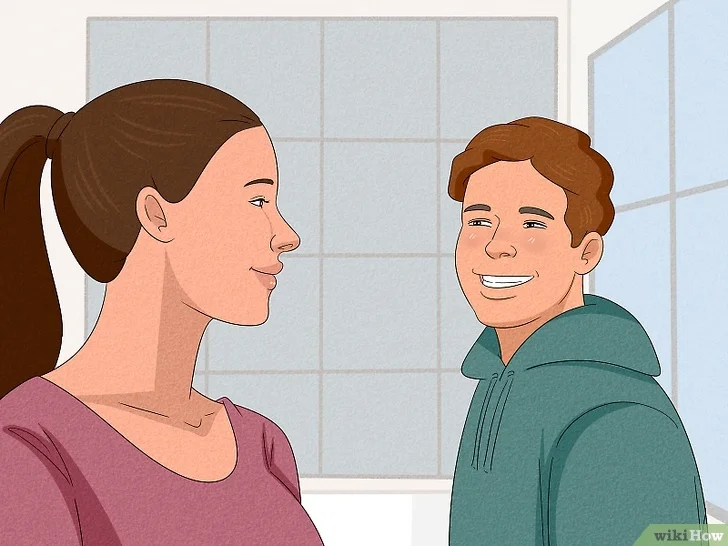
It’s impossible to have satisfying, low-stress intimacy if you’re spending the whole time listening to that inner critic screaming “Am I too out of practice? Do they hate my body? Am I doing this right?” Performance anxiety is incredibly common for people dating after divorce, and the only way to quiet that voice is to remind yourself that your new partner is almost certainly just as nervous as you are. No one expects you to be perfect, especially not on the first go-round.
One of the most powerful confidence-building tools you have is clear communication. The American Association of Sexuality Educators, Counselors and Therapists notes that open, non-defensive conversations about what you like, what you don’t like, and what your limits are are the single biggest predictor of satisfying sex with new partners. This also ties directly to setting healthy boundaries: it’s not rude to say you don’t want to sleep over after the first date, or that you don’t want to talk about your ex on a first outing. Boundaries aren’t a “keep out” sign for people who care about you — they’re a signal that you respect yourself.
Don’t rush things, either. Taking 2, 3, or 10 dates to get comfortable with someone before you sleep with them isn’t a sign you’re broken, it’s a sign you’re being intentional about your comfort. Small acts of self-care also go a long way: wearing underwear that makes you feel hot, doing a 10-minute skincare routine before a date, or repeating simple affirmations like “My desires matter” can help you build that foundation of self-love that makes intimacy feel good, not stressful.
Navigating New Intimate Relationships
The first question almost everyone asks is “When am I ready to date again?” There’s no universal answer here, but a good rule of thumb is: if you’re dating to make yourself happy, not to make your ex jealous, not to fill a void of loneliness, and not because your friends are pushing you to, you’re probably on the right track.
When you do start seeing new people, you don’t owe anyone a full play-by-play of your divorce on the first date. If things get more serious, being honest about what you learned from your marriage, what your needs are in a relationship, and what your boundaries are around kids, co-parenting, and commitment is important, but you don’t have to spill all the gory, painful details until you’re ready. It’s also critical to get clear with yourself first about what you want: are you looking for casual hookups, a long-term partner, or something in between? Be upfront about that with new people to avoid hurt feelings on both sides.
Safe sex is non-negotiable here, even if you haven’t thought about condoms or STI testing in a decade. Planned Parenthood recommends getting tested for STIs every 3 to 12 months if you’re sexually active with new partners, even if you’re using condoms consistently, because many STIs are asymptomatic. And remember: great sex isn’t just physical. Building small moments of emotional intimacy — asking about their day, listening when they talk about their own struggles, being present when you’re together — makes the physical connection far more satisfying for most people.
Prioritizing Sexual and Emotional Wellness
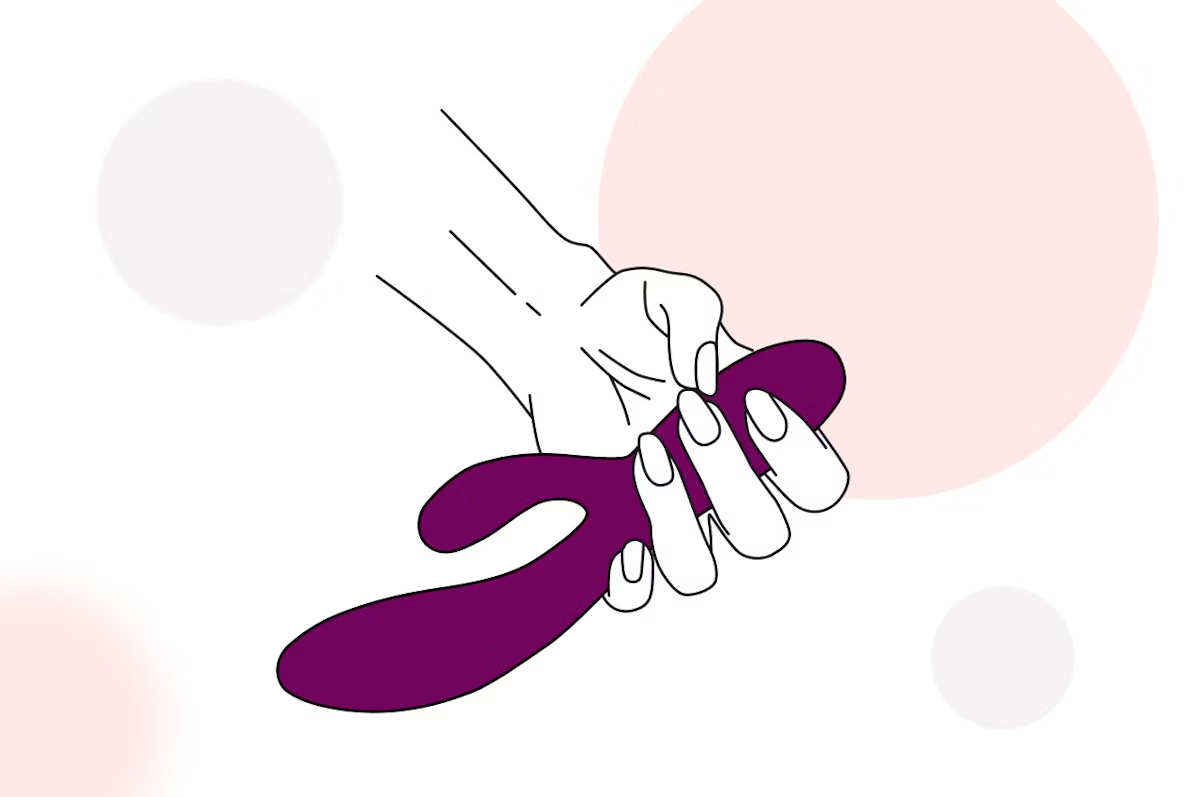
One of the most underrated parts of post-divorce sexual wellness is reconnecting with your own body first, no partner required. Masturbation isn’t a consolation prize for people who aren’t dating — it’s the best way to learn what feels good for you now, after years of being with the same partner. Your preferences might have changed, and knowing exactly what you like means you can tell a new partner exactly what to do, no guesswork required.
It’s also normal to experience big shifts in your libido after divorce, either up or down. Mayo Clinic notes that stress, grief, hormonal changes, and even medication adjustments from the stress of divorce can all impact your sex drive, and that’s nothing to be ashamed of. If low libido, pain during sex, erectile dysfunction, or other sexual issues are distressing you for more than a few months, don’t hesitate to reach out for help. Sex therapy isn’t just for couples — it’s an incredibly effective tool for working through trauma, performance anxiety, and identity shifts post-divorce.
Don’t sleep on the basics, either: regular exercise, 7 to 9 hours of sleep a night, staying hydrated, and managing stress all directly impact your sexual well-being. Even a 20-minute daily walk around the block with your dog can boost blood flow, reduce stress hormones, and give you more energy for intimacy, physical or otherwise.
Practical Considerations and Safety
If you have kids, navigating dating and intimacy requires a little extra care. For young kids, you don’t need to give them details beyond “I’m going out with a friend” until you’ve been seeing someone for multiple months and are sure the relationship is serious. For teens, you can be more open about the fact that you’re dating, but you never need to share details of your sex life with them, no matter how old they are.
Online dating safety is non-negotiable, too. Meet all first dates in a public, well-lit place like a coffee shop or bar, share your location with a friend before you go, and don’t give out your home address or work details until you’ve known someone for a while. If you ever feel unsafe on a date, don’t worry about being polite — leave immediately. If you’re ever in an abusive or unsafe situation with a new partner, the National Domestic Violence Hotline is available 24/7 for free, confidential support.
There are also practical logistics to consider: double check your custody agreement to see if there are any clauses about introducing new partners to your kids before a certain waiting period, to avoid legal headaches down the line. Keep your finances separate from new partners until you’re fully committed, and don’t feel pressured to pay for expensive dates or accept lavish gifts early on if that makes you uncomfortable. At the end of the day, if your gut is telling you something is off about a person or situation, trust it.
Frequently Asked Questions
Q: How long should I wait before having sex after my divorce?
A: There is no magic number, no “correct” timeline, and no prize for waiting or jumping in quickly. Some people are ready a few months after their divorce is final, others wait years. The only right choice is the one that feels good to you, regardless of what your friends, family, or ex might think.
Q: Is it normal to feel scared or disinterested in sex after divorce?
A: Completely normal. Divorce is an incredibly traumatic, stressful event for most people, and your brain and body will often put sex on the back burner while you process your feelings. That disinterest or fear is not a flaw — it’s your system protecting you until you’re ready to engage again.
Q: How do I handle comparing a new partner to my ex-spouse?
A: Small, casual comparisons are normal at first — you have years of reference points from your marriage, after all. But if you’re constantly nitpicking new partners for not acting exactly like your ex (or exactly the opposite of your ex), that’s a sign you may still be processing the end of your marriage, and it might be worth taking a break from dating to focus on yourself.
Q: What if I have sexual difficulties (like erectile dysfunction or pain) that started after the divorce?
A: These issues are extremely common post-divorce, and they’re almost always tied to stress, trauma, or anxiety, not a permanent physical problem. Start by talking to your primary care doctor to rule out any underlying medical issues, then consider working with a certified sex therapist to work through the psychological root causes.
Q: How can I deal with feelings of jealousy if my ex-spouse starts dating?
A: Jealousy doesn’t mean you want to get back together — it just means you’re human, and big life changes are hard. Remind yourself that your ex’s dating life has no bearing on your worth, and if social media stalking is making it worse, mute or block them temporarily until those feelings fade. Focus on your own journey, not theirs.
Resources for Support & Further Reading
Recommended Books
Come As You Are by Emily Nagoski, PhD: A groundbreaking, accessible guide to female sexuality, perfect for anyone reconnecting with their body and desires post-divorce.
Rebuilding: When Your Relationship Ends by Bruce Fisher, EdD: A classic post-divorce healing workbook that walks you through every stage of grief, identity rebuilding, and preparing for new relationships.
The Smart Girl’s Guide to Sex After Divorce by Debby Herbenick, PhD, MPH: A funny, shame-free, research-backed guide to dating, sex, and intimacy post-marriage, from one of the world’s leading sex researchers.
Authoritative Websites & Organizations
• American Association of Sexuality Educators, Counselors and Therapists (AASECT): The leading professional body for sex therapy, with resources on sexual health and a directory of certified providers.
• American Psychological Association (APA) – Divorce Topics: Evidence-based guidance on managing grief, stress, and relationship transitions post-divorce.
• Planned Parenthood: Free, accessible information on safe sex, STI testing, and sexual health for people of all genders and relationship statuses.
• National Domestic Violence Hotline: 24/7 free, confidential support for anyone experiencing relationship abuse or safety concerns.
Finding a Qualified Therapist
Use the AASECT directory to search for certified sex therapists in your area, or the APA’s psychologist locator tool to find providers who specialize in divorce and relationship trauma. Many therapists offer sliding-scale rates if cost is a barrier, and telehealth options are widely available across the U.S. and Europe for people who don’t have local providers.
Conclusion: Embracing Your Journey with Compassion
At the end of the day, there’s no “perfect” way to navigate sex after divorce. You’ll have awkward dates, great hookups, moments where you miss your ex, and moments where you’re so excited to be single you can barely stand it. All of that is normal, all of that is allowed.
Be patient with yourself, prioritize your safety and comfort above anyone else’s expectations, and remember: this chapter isn’t just about having good sex. It’s about getting to know yourself all over again, on your own terms, and building a life and a sex life that feels fully yours. That’s not a burden — it’s a gift, even if it doesn’t feel like it right now.