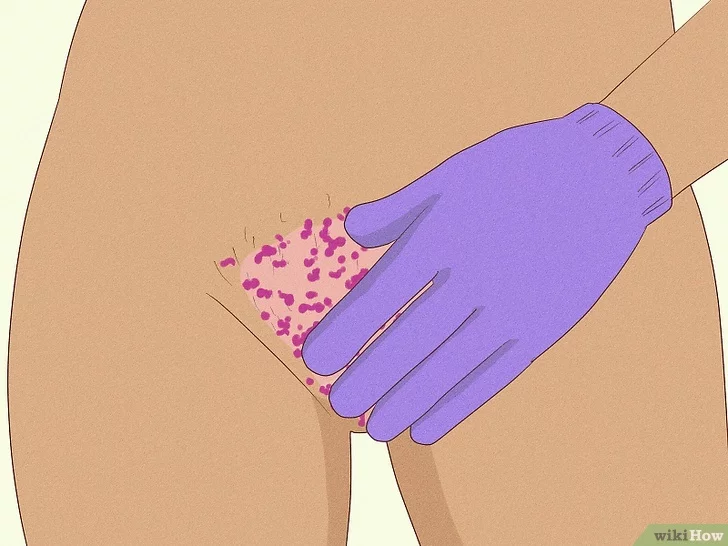
We’ve all been there: you just wrapped up a deeply satisfying intimate moment, riding that post-orgasm high, when out of nowhere, a sharp, dull ache seizes your lower abdomen, pelvic area, or even your thighs. Suddenly, that warm glow is replaced by confusion (and maybe a little panic): wait, why am I cramping right now? You’re not alone in asking this question. Post-orgasm cramping is far more common than you might think, and most of the time, it’s totally harmless. This guide will break down exactly what causes those unexpected aches, share quick relief tips for when they hit, explain how to prevent them in the future, and help you spot when it’s time to check in with a doctor.
Causes of Post-Orgasm Cramping: Why It Happens
There’s no one-size-fits-all reason for post-orgasm cramping, but these are the most common culprits:
Intense Muscle Contractions: During orgasm, your pelvic floor muscles contract rapidly and repeatedly — think of it like doing 10 quick, unplanned squats at the gym without warming up first. If your muscles were already a little tight, these repeated contractions can lead to temporary spasms or soreness afterward, just like you’d feel after a tough workout.
Hormonal Fluctuations: Orgasm triggers a surge of oxytocin (the “love hormone”) and prostaglandins, inflammatory compounds that also cause period cramps. Oxytocin stimulates uterine contractions, which can feel like mild cramping even if you’re not on your period. People who have naturally higher prostaglandin levels often notice this more acutely.
Dehydration and Electrolyte Imbalance: If you’re low on magnesium, potassium, or sodium, your muscles are far more prone to cramping. If you worked up a sweat during sex or haven’t drank enough water that day, that imbalance can trigger spasms right after orgasm, the same way you might get a leg cramp in the middle of the night after a long day outside.
Pelvic Floor Muscle Dysfunction (Hypertonia): Some people have chronically tight pelvic floor muscles, a condition called hypertonia. For these folks, the extra contractions of orgasm push already tense muscles over the edge, leading to longer-lasting, more painful cramping.
Underlying Medical Conditions: In some cases, frequent post-orgasm cramping is a sign of an undiagnosed health issue, which we’ll cover in more detail later in this guide.
Common Symptoms and When to Worry
First, let’s define what “normal” post-orgasm cramping feels like: it’s usually a mild, dull ache located in your lower abdomen, pelvic area, or upper thighs. It fades on its own within 5 minutes to an hour, and doesn’t come with any other unusual symptoms. Most people only experience it occasionally, not every time they orgasm.
There are, however, red flags that signal you should talk to a healthcare provider sooner rather than later. These include: severe, stabbing pain that makes you double over, cramping that lasts longer than 2 hours, vaginal or penile bleeding alongside cramping, fever or chills, nausea, or pain that gets worse every time you have an orgasm.
The easiest way to tell the difference between normal discomfort and a potential problem is to track patterns: if it’s rare, mild, and fades fast, you’ve got nothing to worry about. If it’s regular, disruptive, or paired with other symptoms, it’s worth getting checked out.
Effective Relief Tips for Immediate Comfort
When a cramp hits mid-post-orgasm glow, try these quick fixes to feel better fast:
Applying Heat: Grab a microwavable heating pad, fill a hot water bottle, or hop into a warm bath. As Mayo Clinic notes, heat therapy increases blood flow to tight, spasming muscles, which eases tension and reduces pain in minutes.
Gentle Stretching and Relaxation Poses: Try yoga poses that open up your hips and pelvic area, like child’s pose, happy baby, or a gentle seated forward fold. If you’re dealing with leg cramps, stand and stretch your hamstrings by reaching for your toes for 10 to 15 seconds at a time.
Hydration and Electrolyte Replenishment: Sip on a bottle of coconut water, a sports drink, or regular water with a pinch of salt and a slice of banana. Replenishing lost fluids and electrolytes will stop muscle spasms in their tracks faster than drinking plain water alone.
Deep Breathing and Relaxation Techniques: Try the 4-7-8 breathing method: inhale for 4 counts, hold for 7, exhale slowly for 8. This activates your body’s rest-and-digest response, which helps tense muscles relax faster.
Over-the-Counter Pain Relievers: If the pain is bad enough to be annoying, a standard dose of ibuprofen or acetaminophen will knock it out quickly. Just be sure to follow the dosage instructions on the bottle, as WebMD recommends, and avoid taking more than the recommended amount in a 24-hour period.
Prevention Strategies to Avoid Future Cramps
If post-orgasm cramping is becoming a regular annoyance, these small lifestyle changes can help you avoid it entirely:
Stay Hydrated All Day: Don’t chug water right before sex — aim to drink 8 to 10 cups of water a day regularly, and add an extra glass if you worked out or spent time outside in the heat that day. This keeps your electrolyte levels balanced so your muscles are less prone to spasms.
Regular Pelvic Floor Exercises: It’s not just about Kegels! The American College of Obstetricians and Gynecologists (ACOG) recommends combining strengthening exercises with “reverse Kegels” (which teach you to relax your pelvic floor muscles) to reduce tension and prevent cramping.
Pre- and Post-Sex Stretching: Spend 5 minutes doing gentle hip opener stretches before sex to loosen tight pelvic floor muscles. A quick 2-minute stretch afterward can also prevent muscles from seizing up as your body cools down.
Manage Stress and Anxiety: Chronic stress causes your muscles to stay tense all over, including your pelvic floor. Regular meditation, therapy, or even 20 minutes of walking a day can lower overall stress levels and reduce how often you experience cramping.
Dietary Considerations: Eat more magnesium-rich foods like spinach, almonds, and dark chocolate (win-win!), as low magnesium levels are a top cause of random muscle cramps. Limit heavy alcohol or caffeine intake right before sex, since both are dehydrating and can make muscle spasms more likely.
Medical Treatments and When to Consult a Healthcare Provider
If you’re experiencing any of the red flag symptoms we mentioned earlier, or if cramping is happening every time you orgasm and interfering with your sex life, it’s time to book an appointment with a gynecologist, urologist, or primary care provider.
At your appointment, your provider will likely start with a pelvic exam, ask about your symptoms and medical history, and may order an ultrasound or urine test to rule out infections or structural issues.
Depending on the cause of your cramping, treatment options may include pelvic floor physical therapy (the gold standard for hypertonic pelvic floor dysfunction), antibiotics for infections, hormonal medication to balance prostaglandin levels, or counseling if stress, anxiety, or past sexual trauma is contributing to muscle tension.
Related Health Conditions and Risk Factors
In some cases, frequent post-orgasm cramping is a symptom of one of these underlying health conditions:
Endometriosis: This condition occurs when tissue similar to the uterine lining grows outside of the uterus. The contractions of orgasm irritate this extra tissue, leading to sharp, long-lasting pain. As NHS UK notes, painful sex is one of the most common undiagnosed symptoms of endometriosis.
Pelvic Inflammatory Disease (PID): PID is a bacterial infection of the reproductive organs, usually caused by untreated STIs. It causes widespread inflammation in the pelvic area, which makes orgasm and sex very painful. It requires immediate treatment with antibiotics to avoid long-term complications.
Interstitial Cystitis/Painful Bladder Syndrome: This chronic condition causes bladder pressure and pelvic pain that gets worse when the bladder is full or when pelvic muscles contract during orgasm. Many people with IC report regular post-orgasm cramping as a primary symptom.
Uterine Fibroids: These noncancerous growths in the uterine wall are very common, but they can cause pain when the uterus contracts during orgasm, as the contractions press against the fibroids.
Chronic Stress and Anxiety: Even if you don’t have an underlying physical condition, long-term stress keeps your pelvic floor muscles in a constant state of tension, making cramping far more likely after orgasm.
Understanding the Science Behind Post-Orgasm Cramps
To get why these cramps happen, it helps to know a little bit about what your body does during orgasm:
The Role of the Autonomic Nervous System: During arousal and orgasm, your sympathetic nervous system (your “fight or flight” response) is activated, which makes your muscles tense up. After orgasm, your parasympathetic nervous system (your “rest and digest” response) should kick in to relax your body. For some people, especially those who are stressed or dehydrated, that switch is delayed, leaving muscles tight and prone to cramping.
Physiology of Muscle Contraction and Release: Johns Hopkins research shows that during orgasm, the pelvic floor muscles contract between 3 and 15 times, each lasting less than a second. If your muscles are already tight or fatigued, these rapid contractions can trigger a spasm that lingers after orgasm ends.
The “Refractory Period” and Muscle Fatigue: After orgasm, your body enters a recovery period where it rebuilds energy stores. If you’re dehydrated, sleep-deprived, or have been physically active that day, your muscles take longer to recover, making cramping more likely during this recovery window.
Frequently Asked Questions (FAQ)
Is it normal to cramp after an orgasm? Yes! Occasional mild cramping is completely normal, and Healthline reports that roughly 1 in 3 people with uteruses experience it at least occasionally. It only becomes a problem if it’s regular or severe.
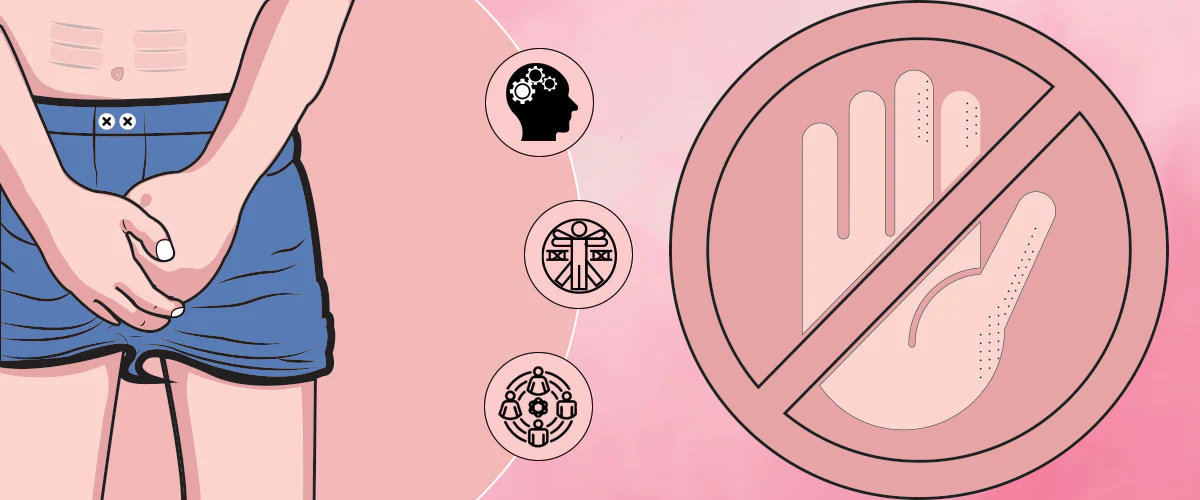
Can men experience post-orgasm cramps? Absolutely! Men have pelvic floor muscles too, and the same triggers — intense contractions, dehydration, tight pelvic floors, or underlying conditions like prostatitis — can cause post-orgasm cramping in the pelvic area, lower abdomen, or testicles.
Are cramps after orgasm a sign of pregnancy? Not usually. Early pregnancy cramping is typically unrelated to orgasm, but if you’ve had unprotected sex and missed a period, it’s a good idea to take a pregnancy test. If you are pregnant and experience post-orgasm cramping with bleeding, contact your OB-GYN right away.
How long do these cramps usually last? Normal post-orgasm cramps last between 5 minutes and an hour. If they last longer than 2 hours, or are severe enough that you can’t walk or go about your day, that’s a red flag to see a doctor.
Could it be related to my birth control? Possibly. Hormonal birth control can change your body’s prostaglandin levels, and some people report more frequent cramping when starting a new birth control method. If the cramping doesn’t fade after 2 to 3 months of starting a new method, talk to your provider about switching to a different option.
Conclusion
At the end of the day, occasional mild post-orgasm cramping is just a weird, normal quirk of the human body — nothing to be embarrassed or worried about. But if the pain is persistent, severe, or getting in the way of you enjoying sex, you don’t have to just live with it. Understanding your body, tracking your symptoms, and seeking help when you need it is the best way to make sure your intimate moments stay fun, pain-free, and satisfying. You deserve nothing less.
References & Further Reading
- Mayo Clinic: Chronic Pelvic Pain
- WebMD: Pain After Sex
- ACOG: Sexual Pain FAQs
- NHS UK: Sexual Pain in Women
- Johns Hopkins Medicine: Pelvic Pain
This article is for general informational purposes only and is not a substitute for professional medical advice, diagnosis, or treatment. Always seek the advice of your physician or other qualified health provider with any questions you may have regarding a medical condition.