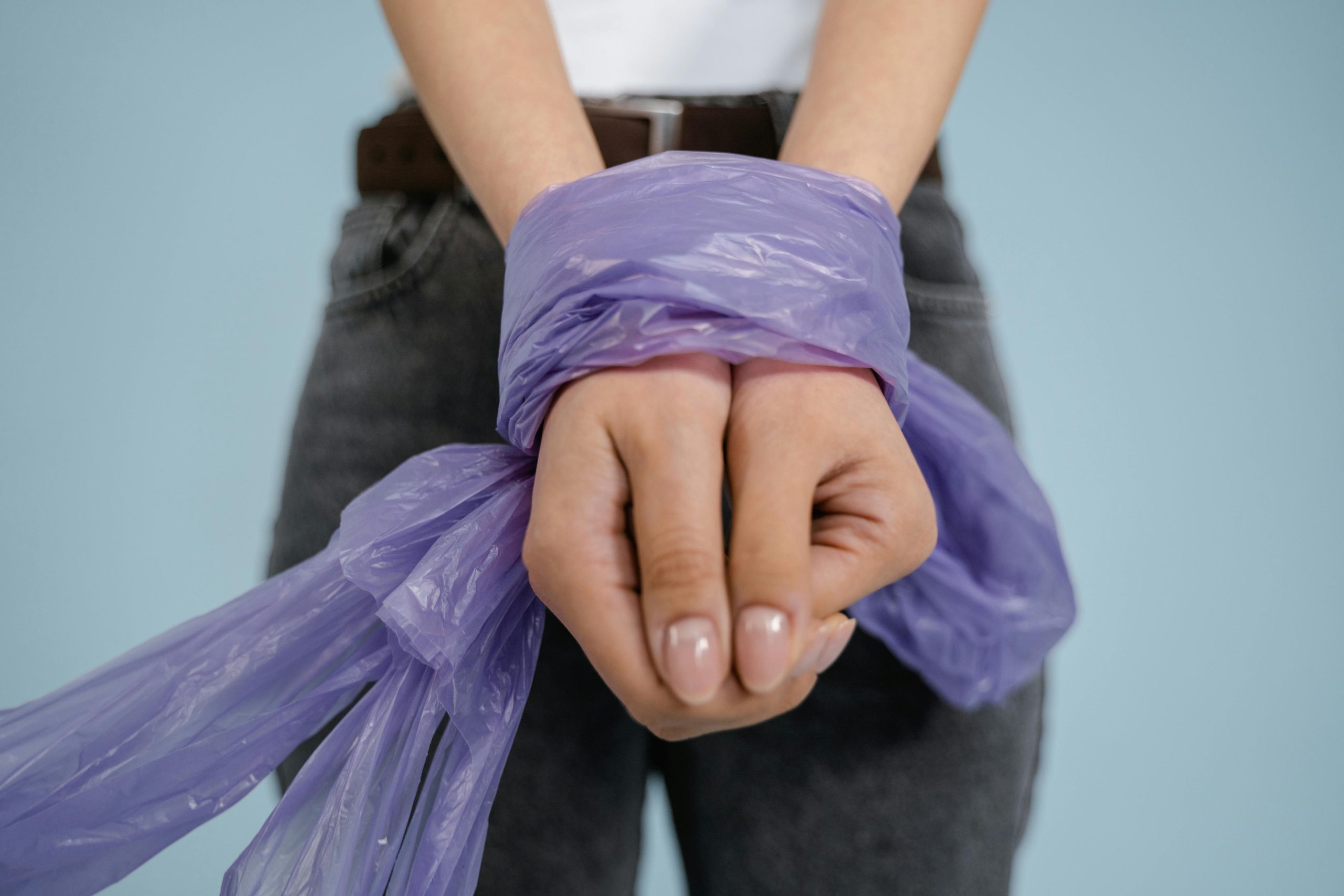
Introduction to BDSM Rope for Beginners
Rope bondage is often the first “hands-on” skill new kinksters explore, and for good reason: it is inexpensive, intimate, and endlessly creative. “BDSM rope for beginners” is not about complicated suspensions seen on social media; it is about learning how to restrain a willing partner safely while building trust and arousal. Start by understanding that bondage is a form of edge-play—any time you limit someone’s mobility, you assume responsibility for their physical and emotional safety. The payoff is a heightened sense of connection: the rigger learns focus and control, the bottom experiences “letting go,” and both parties read each other’s bodies in real time. Approach the journey as you would learning to drive: study the rules, practice in an empty parking lot, and only then hit the highway.
Essential Safety Tips for New Rope Bondage Enthusiasts
Before any rope touches skin, memorize the “big three”: circulation, nerves, and breathing. Tie only over muscle, never across the joint creases of wrists, ankles, or behind the knees where superficial nerves lie close to bone. The National Coalition for Sexual Freedom (NCSF) recommends a two-finger rule: you should be able to slide two fingers flat between rope and skin. Keep safety shears (EMT shears with blunt tips) within arm’s reach; rope can tighten unexpectedly when a bottom squirms. Agree on both verbal and non-verbal safe-signals—some gagged bottoms hold a bell or foam ball they can drop. Finally, set a timer for 15–20 minutes for your first few ties; nerve compression can take that long to show symptoms such as tingling or loss of grip strength. When in doubt, untie and check.
Choosing the Right Rope: Types and Materials for Starters
Most beginners start with either 100 % cotton or 6 mm untreated jute. Cotton is soft, machine-washable, and cheap (≈ $0.15/ft), but it stretches and can collapse knots under strain. Jute is the traditional Shibari fiber: light, rough, and “toothy,” so knots bite and stay put; however, it must be hand-washed, dried quickly, and treated with mineral oil to prevent splinters. Synthetic options such as MFP (multi-filament polypropylene) float in water, making them ideal for pool or shower scenes, yet they are slippery and require more knot knowledge. Aim for 7–8 m (23–26 ft) lengths; cut four of them for an average-sized partner. Whip the ends with tape or thread to prevent fray, and color-code your ropes so you can grab the right length in low light.
BDSM Rope for Beginners: Basic Knots and Ties
Master two foundational knots and one structural tie and you can play safely for months. First, learn the single-column tie: wrap twice around a single wrist or ankle, cross the bight, and finish with a square knot; it tightens under tension but will not collapse. Second, the double-column tie binds two limbs together—think wrists or ankles—using the same principle but capturing both columns in one loop. Finally, practice the chest harness (a “takate-kote” lite): wrap rope high above the breasts, lower under, then cinch between the shoulder blades; this becomes an anchor point for future creative positions. Practice on a chair leg, then on yourself, and only then on a partner. Aim for symmetry: if one side has three wraps, so should the other; balanced tension prevents pinching and nerve injury.
Communication and Consent in Beginner Rope Play
Bondage without explicit, enthusiastic consent is abuse. Sit down clothed and negotiate the “5 Ws”: What areas of the body may be tied? What positions are off-limits? Where can the scene go (bed, living-room floor)? When does it end—by clock or by safe-word? Who may touch or photograph? Write answers in a shared Google Doc or use a printed checklist from the Society of Janus. Agree on a traffic-light system: “Yellow” means slow down and check in, “Red” means untie immediately. After the scene, schedule a 24-hour follow-up; some bottoms drop emotionally once adrenaline subsides. Remember that consent can be withdrawn mid-tie—if your partner says “I’m done,” you stop, even if you just spent ten minutes on an elaborate pattern.
Common Mistakes to Avoid When Starting with Rope Bondage
The fastest way to injure a partner is “tunnel vision”: focusing on making the pattern Instagram-perfect instead of monitoring body feedback. Other rookie errors include tying wrists too low—hands should stay at waist level or higher to prevent nerve stretch—and using slippery synthetic rope without extra half-hitches, leading to sudden slippage that can dislocate a shoulder. Avoid suspension-grade carabiners from the hardware store; they lack load ratings for human weight. Finally, do not copy random YouTube tutorials without cross-referencing; even popular channels sometimes skip safety wraps. Stick to educators vetted by the BDSM community such as Esinem or TheDuchy until you can spot unsafe technique yourself.
Setting Up Your First Rope Scene: A Step-by-Step Guide
Think of your first scene as a 30-minute mini-date. Start by laying a thick yoga mat or folded duvet on carpet—hard floors bruise hips and shoulders. Gather supplies: four pre-cut ropes, safety shears, water bottle, small towel, and a phone timer. Dim lights slightly and queue music at 60–80 BPM to encourage slower, calmer movements. Begin with a five-minute “rope meditation”: have your partner breathe deeply while you drag the rope across their skin so both of you settle into roles. Tie only one single-column on each wrist and link them with a short double-column; stay in that position for ten minutes while you stroke, talk dirty, or simply watch their breathing. End by cutting the connecting rope (not the wrist cuffs) and cuddling for at least five minutes. Clean up together—coiling rope can become aftercare.
BDSM Rope for Beginners: Psychological Aspects and Mindset
Bondage is as much mental as physical. The bottom enters “rope space,” a trance-like state fueled by restricted movement and heightened vulnerability; heart rate drops while endorphins spike, similar to mindfulness meditation (2017 study, Journal of Sexual Medicine). Tops often experience “top drop” later, feeling guilty for having power. Counter both by verbalizing intentions: “I’m tying you because I want to take care of you.” Establish rituals—kiss the rope before use, thank your partner after untying—to anchor emotions. If either party has a trauma history, discuss triggers (e.g., hands behind back resembling arrest) and avoid those positions. Finally, keep first scenes short; longer scenes amplify emotional intensity faster than beginners expect.
Untying and Aftercare: Essential Practices for Newbies
Untying is not the end—it is the final act of the scene. Remove rope slowly, reversing the order you applied it; sudden yanks can burn skin and shatter headspace. As each coil lifts, massage the skin to encourage blood return and check for numbness or discoloration. Offer a sugary drink or chocolate to counter adrenaline crash. Wrap your partner in a blanket and hold them for at least ten minutes; body heat stabilizes temperature drop caused by restricted circulation. Inspect wrists and ankles for “rope marks”; light redness is normal, but deep grooves lasting over 30 minutes indicate excessive tightness—log it as data for next time. Finally, coil your rope neatly; the ritual signals completion and shows respect for your tools.
Ethical Considerations in Rope Bondage for Starters
Ethics extend beyond consent. Never practice on someone who is intoxicated; alcohol and cannabis dull pain perception, increasing injury risk. Respect privacy—ask before posting photos, and blur faces or distinctive tattoos if you do share. Be culturally sensitive: Shibari is Japanese art; learning it is fine, but calling your messy first tie “Shibari” can feel appropriative. Support educators by paying for classes rather than pirating videos. Finally, acknowledge power dynamics outside the bedroom: if you tie your financially dependent partner, ensure they feel free to say no. Ethical riggers build reputations slowly; unethical ones are blacklisted fast in tight-knit kink communities.
Practice Drills and Exercises to Build Confidence
Confidence comes from muscle memory, not theory. Drill daily for five minutes: tie a single-column on your own ankle, stand up, and try to walk until it collapses—note how many steps it takes. Next, blindfold yourself and repeat; removing vision simulates low-light play. Practice “speed unties”: set a stopwatch for 30 seconds and cut your rope off a chair leg with safety shears, aiming for clean, controlled motions. Record yourself tying a chest harness on a pillow; watch the video to spot uneven wraps. Finally, attend a “rope bite” (casual peer workshop) and ask an experienced bottom to give tactile feedback—nothing teaches faster than someone saying “that cinch is pinching my radial nerve.”
BDSM Rope for Beginners: Frequently Asked Questions (FAQ)
Q: How long should my ropes be? A: 7–8 m is standard for wrists/ankles; 10–12 m for full chest harnesses on larger bodies.
Q: Can I use cheap hardware-store rope? A: Only if it is 100 % cotton or braided nylon rated for load; avoid sisal—it splinters.
Q: What if my partner panics? A: Stay calm, cut the rope closest to the knot first, speak in low tones, and offer water; most panic peaks pass in 90 seconds.
Q: How do I wash rope? A: Cotton goes in a pillow-case on cold delicate cycle; jute gets hand-washed in woolite and dried with a fan—never direct sunlight.
Q: When am I ready for suspension? A: After 6–12 months of floor work, formal instruction, and ability to complete a load-bearing chest harness in under two minutes without looking.
Resources for Further Learning: Books, Videos, and Communities
Start with free, peer-reviewed resources: TheDuchy.com offers step-by-step photos and risk disclaimers; Esinem’s “Japanese Rope Bondage” Udemy course includes slow-motion close-ups. Books worth buying: “Shibari You Can Use” by Lee Harrington (inclusive language, gender-neutral photos) and “Better Bondage for Every Body” by Evie Vane (focuses on plus-size and disabled bottoms). For live feedback, search FetLife for “rope bite” plus your city; most meet-ups allow observers if you message the host first. Finally, follow @Topologist on Twitter for daily safety threads and @ShibariStudy on Instagram for slow-motion ties from multiple angles. Budget at least $100 for education before you spend $200 on fancy rope.
Transitioning from Beginner to Intermediate Rope Techniques
You are ready to level up when you can tie a non-collapsing single-column blindfolded in under 15 seconds and name three signs of nerve compression. Intermediate skills include suspension-worthy uplines (ring hitch, munters), hip harnesses that distribute weight evenly, and tension-locking patterns such as the kamikaze cuff. Start adding weight gradually: have your partner lean away while you hold the rope, simulating partial suspension forces. Take an in-person class that covers physics—knowing that a 60 kg bottom dropping 30 cm generates ≈ 900 N of force will convince you to buy rated carabiners. Keep a “rope diary”: log tie type, duration, bottom feedback, and any marks; patterns emerge that guide your next learning goal. Finally, mentor a newer rigger; teaching forces you to articulate safety rules you may have internalized imperfectly.
BDSM Rope for Beginners: Real-Life Scenarios and Case Studies
Case 1: Anna (28) and Luis (30) wanted spice without danger. They used two 7 m cotton ropes for a spread-eagle on the bed, staying within Anna’s flexibility range. A 15-minute timer buzzed, Luis untied, and they had penetrative sex while the rope marks were still fresh—simple, sexy, no injuries. Case 2: Jay (non-binary) practiced a chest harness solo in their living room, then wore it under a baggy hoodie to a kink meet-up. The gentle compression reduced anxiety similar to a weighted blanket, demonstrating rope’s therapeutic potential. Case 3: Mark skipped safety wraps and suspended his girlfriend from a ceiling hook that pulled out of drywall; she fell 60 cm and bruised a tailbone. The takeaway: even “light” partial suspension requires load-rated hard points (minimum 2 kN). These stories show that rope can delight or devastate; the difference is education, patience, and respect.