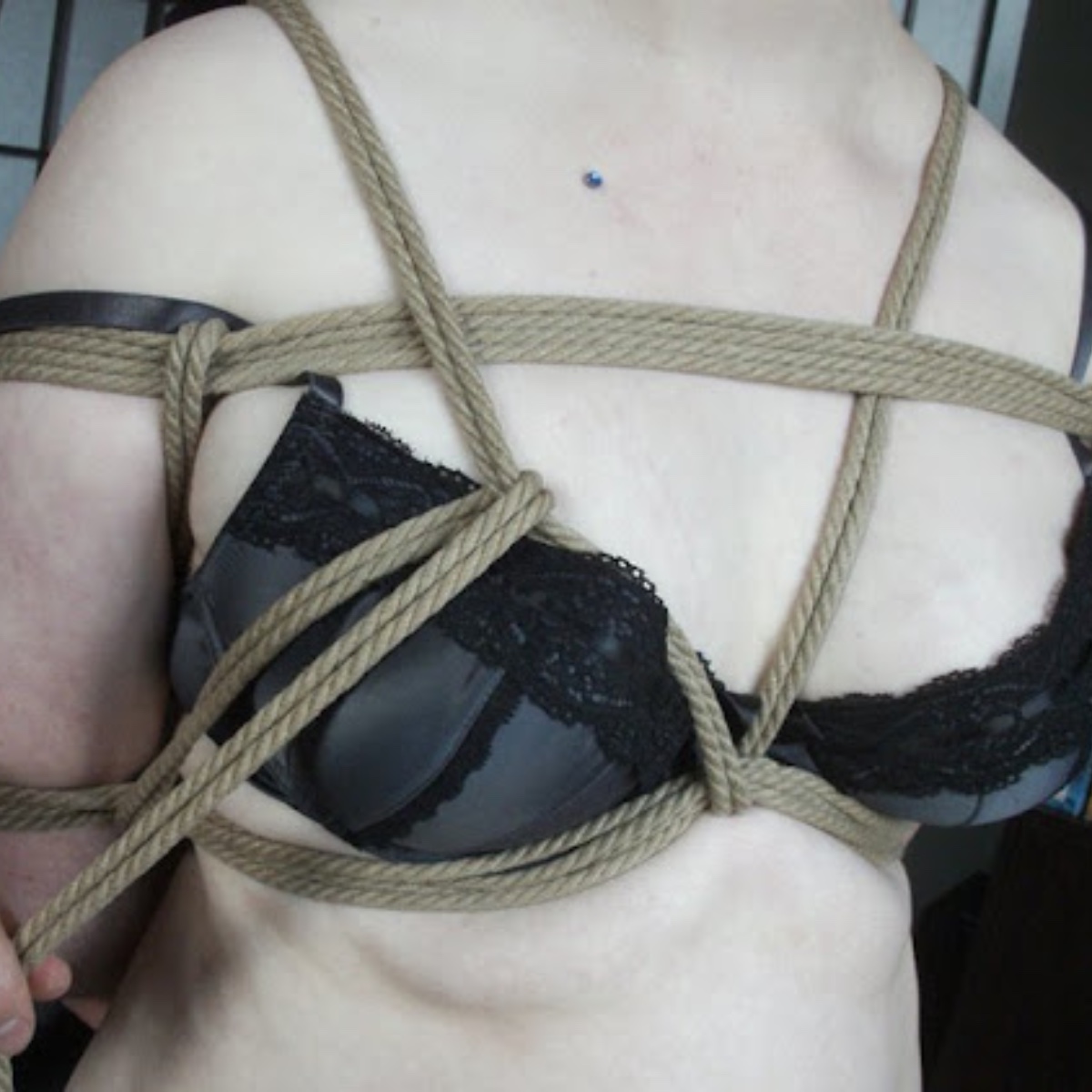
If you’ve ever scrolled kink TikTok, flipped through a Savage Love column, or chatted with friends about spicing up your sex life, you’ve probably heard hints of breast bondage. As a staple of consensual BDSM play, this practice uses rope, soft restraints, or other binding materials to restrict, highlight, or add sensation to the chest area, and it’s enjoyed by people of all genders, body types, and experience levels. No, you don’t need to be a leather-clad domme or a professional rope rigger to try it—this guide is for everyone from total newbies who’ve never held a piece of kink rope before to experienced players looking to brush up on safety best practices.
Before we dive into knots and tips, let’s get the non-negotiables out of the way: all ethical kink operates on one of two widely accepted frameworks, per The National Coalition for Sexual Freedom (NCSF): SSC (Safe, Sane, Consensual) meaning all activities are low-risk, planned thoughtfully, and agreed to by every participant, or RACK (Risk-Aware Consensual Kink) which acknowledges all activity carries some risk, and all parties fully understand and consent to those risks upfront. There’s no “right” framework, but both start and end with enthusiastic, ongoing consent.
Foundational Principles for Practice
Before you even pick up a piece of rope, get these basics locked in to make sure your play is fun, low-stress, and respectful for everyone involved.
First up: consent and communication are non-negotiable. Consent isn’t a one-time checkbox you tick before a scene—it’s a continuous conversation. Pick a clear safe word (many people use the stoplight system: green = keep going, yellow = slow down or adjust, red = stop immediately) and even a safe gesture, like tapping three times, in case someone can’t speak during play. Be honest about what you want, what you’re nervous about, and any hard limits you have right off the bat.
All partner roles come with clear responsibilities: if you’re the top (the person doing the binding), you’re in charge of checking in regularly, watching for signs of distress, and having safety supplies on hand. If you’re the bottom (the person being bound), you’re responsible for speaking up immediately if something feels off—no “toughing it out” to impress your partner, ever. Setting the scene is also key: pick a space with no interruptions (put your phone on Do Not Disturb, lock the door if you have roommates), grab water, snacks, and safety supplies before you start, and make sure everyone is in a calm, present headspace.
Aftercare is just as important as the scene itself. The rush of endorphins and adrenaline from bondage can leave people feeling vulnerable, overstimulated, or even a little disoriented after play. Agree on what aftercare looks like for you beforehand—it could be cuddling under a blanket, eating takeout fries and watching The Office, or even just sitting quietly together, no pressure to be intimate after the scene ends. Finally, prioritize continuous learning: don’t get all your tips from random porn, which rarely shows safety protocols. Lean on reputable community resources, take workshops, and ask experienced, respectful members of kink communities for advice if you’re curious.
Essential Breast Bondage Techniques
Now for the fun part: building your skill set, starting with beginner-friendly basics and moving up to more advanced play as you get comfortable.
First, nail your rope selection and prep. Beginners should stick to soft, wide 6mm to 8mm cotton or hemp rope—thin nylon or paracord can cut into skin easily, so save that for later when you have more practice. Wash and soften new rope before using it to avoid scratchy fibers irritating skin, and make sure you have at least two 15 to 20 foot lengths for basic ties.
Start with foundational wrapping and binding methods before you try fancy patterns. Single-column ties, which wrap around a single body part (in this case, the base of the breast) without pinching or pulling, are the building block of almost all breast bondage ties. Practice wrapping evenly, not too tight, and securing with a simple square knot first. Once you’ve mastered the basics, you can experiment with advanced patterns like the hishi (diamond) tie, which creates a beautiful geometric pattern over the chest, or integrate other restraints like soft cuffs, spreader bars, or even sensory toys like feather ticklers or ice cubes. Bound breast tissue has increased blood flow, so even light touches will feel far more intense than they do normally, making sensation play a super fun add-on for many people.
Critical Safety Protocols & Risk Mitigation
Safety doesn’t kill the mood—it lets you relax and enjoy the scene without worrying about something going wrong. These rules are non-negotiable, no matter how experienced you are.
First, get familiar with anatomical vulnerabilities. The chest has lots of superficial nerves, lymph nodes, and delicate soft tissue, so avoid tying directly over the collarbone or underarm area, where nerve compression is most likely to happen. Per Healthline, permanent nerve damage from bondage is extremely rare if you follow safety guidelines, but it’s always better to avoid high-risk areas entirely.
Stick to safe duration and tightness rules: beginners should keep breast bondage scenes under 30 minutes, and even experienced players should cap scenes at 1 hour total. You should be able to fit two fingers under every section of the rope at all times—if you can’t, it’s too tight, loosen it immediately. Do circulation and nerve checks every 10 minutes: ask the bound person to wiggle their fingers, check that their chest skin is pink (not pale or blue), and ask if they have any tingling, numbness, or sharp pain.
Keep your rope clean: wash it after every use, and don’t share rope between partners without washing it first to avoid spreading bacteria. Most importantly, have a pair of blunt-tip medical scissors within arm’s reach at all times. These cost $5 at any drugstore, and they can cut through rope in seconds if you need to release someone quickly. Rope is replaceable—your partner’s comfort and safety aren’t.
Exploring the Erotic & Psychological Benefits
Wondering why so many people love this practice? The benefits go way beyond just physical pleasure, and there’s a benefit for almost every preference.
First, the heightened sensation is hard to beat: binding increases blood flow to the chest, making every touch, kiss, or light impact feel far more intense than normal. Many people report easier, more intense orgasms during breast bondage play, even if they don’t usually orgasm from chest stimulation alone. For people who enjoy power dynamics, bondage can be a deeply satisfying way to explore control or surrender: being bound can create a feeling of safe, consensual vulnerability, while doing the binding can feel like a loving, trusted act of care for your partner.
There’s also a huge aesthetic element for many people: a well-done breast harness is like wearable art, and many people love the way it looks and feels to show off a tie to their partner. The level of open communication required to do breast bondage safely also builds massive amounts of trust and intimacy between partners—you have to be able to be honest about what feels good and what doesn’t, which translates to better communication outside the bedroom too. Finally, the physiological rush is real: bondage triggers a release of endorphins and oxytocin, the same “feel good” hormones you get from a long run or a really good hug, leaving many people feeling euphoric and connected for hours after a scene ends.
Step-by-Step Tutorials for Common Ties
Ready to try your first tie? These three beginner to intermediate ties are perfect for building your skill set.
Tutorial 1: Basic Breast Harness (Single Column Based)
1. Grab two 15-foot lengths of soft cotton rope, fold one in half to create a loop (called a bight) at the center.
2. Place the bight at the center of the bound person’s upper back, bring the two loose ends around to the front, under each breast.
3. Cross the ends over the top of each breast, bring them back around to the back, and tie a secure square knot.
4. Check tightness: slide two fingers under every section of the rope, adjust as needed before you start play.
Tutorial 2: Hishi (Diamond) Pattern Harness
1. Start with the basic breast harness base, tied securely.
2. Take a second 15-foot length of rope, tie one end to the center of the chest strap between the two breasts.
3. Bring the two loose ends up diagonally over the top of each breast, then down diagonally under the opposite breast to create a diamond shape over each breast.
4. Bring the ends back around to the back, tie them to the existing back strap, and do a full tightness and circulation check before proceeding.
Tutorial 3: Upper Body Integration (Chest Harness with Breast Focus)
1. Start with the basic breast harness, tied securely.
2. Take a third 10-foot length of rope, tie one end to the left back strap, bring it up over the left shoulder to the front of the chest, then tie it to the left side of the lower chest strap.
3. Repeat on the right side to create shoulder straps.
4. If you want to add arm restraints, tie soft cuffs to the shoulder straps, and check hand circulation every 5 minutes to avoid nerve compression.
Frequently Asked Questions
We get it, you probably have questions. These are the most common ones we hear from new players:
What is a safe time limit for breast bondage?
Beginners should stick to 30 minutes max per scene, while experienced players can go up to 60 minutes if they’re checking circulation regularly. Never leave a bound person unattended, even for a minute.
What are the absolute “red flag” signs to stop immediately?
Stop right away if you or your partner experiences numbness, tingling, sharp or burning pain, pale or blue skin on the chest or hands, difficulty breathing, or if the safe word/gesture is used.
Can breast bondage cause sagging or long-term damage?
Per Mayo Clinic, breast sagging is caused by age, genetics, pregnancy, and weight fluctuations, not temporary consensual bondage. As long as you follow safety guidelines, long-term damage is extremely rare.
What are the best beginner-friendly materials?
Stick to soft 6-8mm cotton rope, fuzzy Velcro restraints, or wide elastic bands for your first few tries. Avoid thin rope, wire, zip ties, or anything that can cut into skin easily.
How do we navigate discomfort versus dangerous pain?
Mild, dull pressure is normal and can feel good in the context of a scene. Sharp, burning, or throbbing pain, or pain paired with tingling or numbness, is never normal—stop immediately if you feel that.
Is it safe to bind over breast implants?
Always check with your plastic surgeon first, but most people with implants can safely enjoy breast bondage if they use looser tension, avoid direct pressure on implant incision sites, and stop immediately if they feel any unusual pain or shifting of the implant.
Troubleshooting and Common Mistakes
Even experienced riggers make mistakes! Here’s how to fix the most common issues:
Managing Rope Bite and Skin Irritation
Light red marks (called rope bite) are normal and usually fade in a few hours. If you get blisters or persistent irritation, you used rope that was too thin or too tight next time. Apply a gentle, fragrance-free lotion to the area after play to soothe irritation.
Correcting Uneven Pressure or Slipping Ties
If your tie is slipping or pulling more on one breast than the other, pause the scene to adjust it immediately. Uneven pressure can lead to nerve compression or injury, so don’t try to power through. Make sure you’re using square knots to secure ties, not granny knots, which slip easily.
Avoiding Nerve Compression in the Underarm and Collarbone
If the bound person reports tingling in their fingers, you’ve probably tied the rope too close to the underarm or collarbone. Loosen the rope immediately, and reposition it lower on the chest before continuing.
What to Do If a Scene Needs to Stop Suddenly
Don’t waste time trying to untie knots if there’s an emergency. Grab your blunt-tip scissors and cut the rope off as quickly as possible. Rope is cheap, your partner’s safety isn’t. After the scene, check in with each other, provide whatever aftercare is needed, and don’t assign blame—mistakes happen, and what matters is that you handled it safely.
Further Resources and Further Reading
Want to keep learning? These reputable, safety-focused resources are perfect for players of all experience levels:
Recommended Books and Educational Websites
Start with The New Topping Book and The New Bottoming Book by Dossie Easton and Janet Hardy, the gold standard for accessible, consensual kink education for beginners. The Kink-Aware Professionals Directory hosted by NCSF is also a great resource if you’re looking for a doctor, therapist, or other healthcare provider who is knowledgeable and non-judgmental about kink.
Local Workshops and Communities
Look for local kink community events hosted by reputable organizations, which often offer in-person rope bondage workshops with certified instructors. Always vet events first: look for clear consent policies, required safe word training, and zero tolerance for harassment.
Safety-Focused Video Tutorial Channels
Twisted Monk and The Duchy are two popular, SFW YouTube channels that offer free, safety-focused rope tutorials for beginners to advanced riggers, with clear instructions for avoiding common injuries. Skip porn tutorials, which almost never show critical safety steps.
Final Thoughts
At the end of the day, breast bondage, like all kink, is about having fun, connecting with your partner, and exploring what feels good for you. There’s no “right” way to do it, as long as you’re communicating openly, prioritizing safety, and everyone involved is enthusiastically on board. Don’t pressure yourself to master fancy knots on your first try, laugh off the mistakes, and remember that the best kink scenes are the ones where everyone feels safe, respected, and joyful. Whether you’re just curious or ready to tie your first harness, keep learning, keep checking in, and enjoy the ride.