Can I Have Sex After an Abortion?
Yes—eventually. The short answer you came for is that penetrative sex, oral sex, and any activity that introduces bacteria or semen into the vagina should be paused until your cervix has closed and bleeding has stopped. For most people that means a minimum of 7–14 days, but the real green light is given at your follow-up visit (usually 2–3 weeks after a surgical abortion or 1–2 weeks after medication abortion). Planned Parenthood, the American College of Obstetricians and Gynecologists (ACOG), and the UK’s NHS all use the same phrase: “wait until bleeding stops and your provider says it’s OK.” Ignoring that window increases the risk of post-abortion endometritis, a painful uterine infection that can land you in the ER and jeopardize future fertility.
Understanding the Timeline: When is it Safe to Resume Sex?
Think of your uterus like any other wound: it needs a scab. After a surgical abortion the cervix is mechanically dilated and the uterine lining is scraped or suctioned; after a medication abortion the lining is expelled with strong cramps. Both processes leave a raw surface that remains open to bacteria for roughly 7–10 days. A 2021 systematic review in Contraception found that people who resumed intercourse ≤6 days after abortion had 2.3-times higher odds of infection compared with those who waited ≥10 days. European clinics often add an extra buffer, advising “no vaginal penetration for two full weeks or until the first normal period returns.” Mark your calendar from the day the procedure ends (or the day you pass the pregnancy tissue), not from the day bleeding lightens—bleeding can stop and restart, but the internal healing lags behind what you see on the pad.
Medical Guidelines: Waiting Period After Abortion
ACOG’s 2022 clinical update lists “avoid vaginal intercourse, tampons, or anything in the vagina for at least one week” as a Level-B recommendation (based on consistent descriptive evidence). The UK Royal College of Obstetricians & Gynaecologists (RCOG) goes further: “abstain from vaginal sex for 14 days or until bleeding stops, whichever is later.” French guidelines (HAS, 2020) mirror RCOG, and Scandinavian clinics routinely schedule a telephone check-in on day 14 before clearing patients. If you had general anesthesia, add 24 hours before you even consider solo sex or external stimulation—opioids and sedatives slow reflexes and make consent conversations fuzzy. Bottom line: one week is the absolute floor; two weeks is the evidence-based sweet spot.
Potential Risks of Having Sex Too Soon After Abortion
Early sex isn’t just “risky”—it can be brutal. Semen introduces prostaglandins that can trigger painful uterine contractions on raw tissue. Bacteria—yours or your partner’s—can ascend through the still-open os and cause endometritis, salpingitis, or pelvic abscess. A 2019 CDC report flagged 18 post-abortion sepsis deaths in the U.S.; half occurred in patients who had unprotected intercourse within five days. Other less dramatic but miserable outcomes include prolonged bleeding, foul-smelling discharge, and fever >38 °C. If you notice sharp pain during orgasm, bright-red bleeding that soaks a pad in an hour, or chills 24–72 hours after sex, head to urgent care; you may need IV antibiotics or a repeat suction to remove retained tissue.
Healing First: Why Waiting 10-14 Days (or Longer) is Recommended
Your uterine lining must regenerate from the basal layer up; that process takes a full two weeks in 90 % of cases. The cervix also needs to regain its tight “dimple” shape—dilation leaves microscopic tears that act like open doors for staph and E. coli. Hormonally, hCG drops by 50 % every 48 hours, but estrogen and progesterone remain low, thinning vaginal walls and reducing natural lubrication. Translation: even gentle penetration can feel like sandpaper. Clinicians in the Netherlands frame the wait as “three milestones”: no bleeding, no pain, and a negative urine pregnancy test. Hit all three and you’re statistically past the infection window; try sooner and you roll the dice.
Signs Your Body is Ready for Sex After Abortion
Look for the “three zeros”: zero bleeding, zero cramps, and zero odor. If you can wear light-colored underwear without a liner for 24 hours, your uterus has likely sealed. A clear or creamy white discharge is normal; yellow-green, fishy, or chunky signals infection. Gentle self-touch with clean fingers can test comfort—if you can insert one finger without sharp pain or immediate bleeding, the tissue is mending. Finally, take a home pregnancy test; it should be negative by week 3. A lingering positive can indicate retained tissue and means sex is off-limits until your provider rules out an incomplete abortion.
Can I Have Sex After an Abortion Safely? Key Considerations
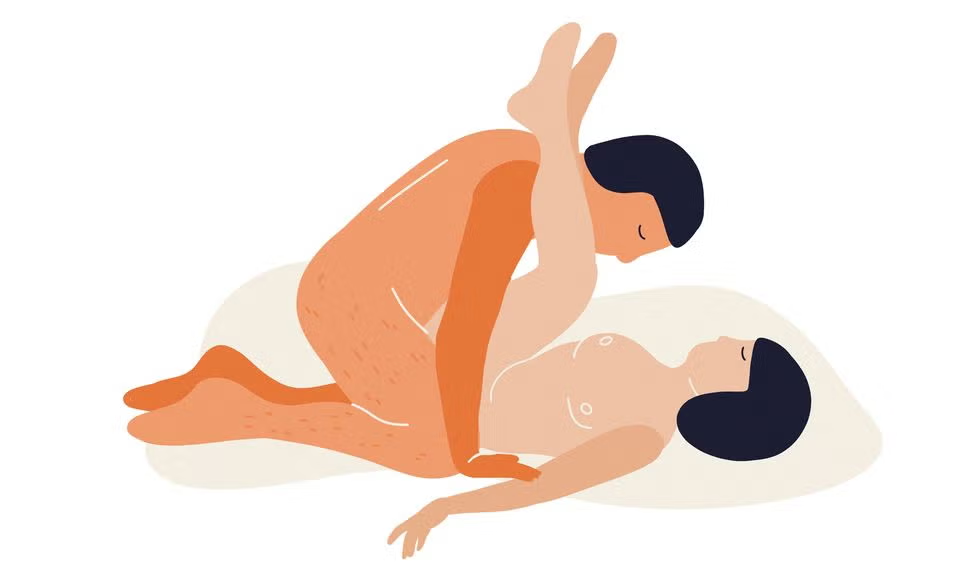
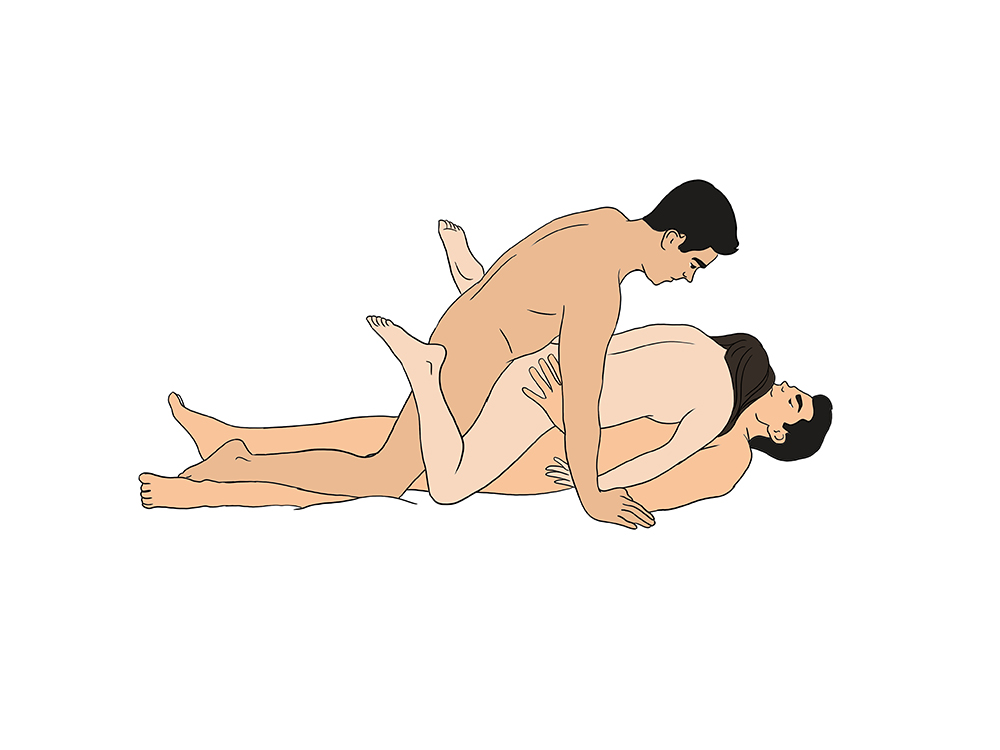
Safety isn’t only physical. Stock condoms—latex or polyisoprene—before the procedure so you’re not tempted to “just this once” go bare. Use a water-based lube; hormone shifts can dry you out. Choose positions that limit deep thrusting (e.g., spooning) the first time back. Have a safe-word or signal in case you suddenly feel pain or emotional overwhelm. If you had general anesthesia, wait until you can drive and sign legal documents—those same drugs can cloud consent. Finally, pee after sex and wash external genitals with plain water to flush bacteria; douching is strictly out.
Post-Abortion Sex: When to Use Contraception and Why It’s Crucial
Ovulation can return in 8–14 days, even if you’re still spotting. A 2020 Lancet study found 70 % of post-abortion pregnancies in the U.S. occurred within six months, largely because people assumed they were “temporarily infertile.” Start contraception the same day as your abortion (yes, even before you have sex). If you choose the pill, patch, or ring, begin the first dose within five days to suppress early ovulation. If you opt for a copper or hormonal IUD, it can be inserted immediately after a surgical abortion while the cervix is still open—failure rate <1 %. Condoms plus withdrawal used together cut the residual risk to near zero.
Choosing the Right Contraception After Abortion
Your abortion method affects your options. After medication abortion, the IUD must wait until ultrasound confirms the uterus is empty (usually day 7–14). After surgical abortion, same-day insertion is standard in Sweden and increasingly in U.S. Planned Parenthood affiliates. The shot (Depo-Provera) can be given in the buttock before you leave the clinic—perfect if you fear pill fatigue. If you’re breastfeeding (yes, some people lactate after second-trimester abortions), progesterone-only methods are safe; estrogen can drop milk supply. European clinicians favor the implant (Nexplanon) for its 3-year set-and-forget coverage and rapid return to fertility after removal.
Physical Recovery: How Abortion Affects Your Body and Sex Readiness
Expect a “mini-period” for 1–3 weeks: lighter than a period after medication abortion, heavier after surgical. Cramping peaks at 24–48 hours as the uterus clamps down; ibuprofen 600 mg every six hours is safe and does not mask infection pain. Breast tenderness can linger for two weeks if the pregnancy was >8 weeks—wear a snug sports bra and avoid nipple stimulation if it triggers sadness or arousal you’re not ready for. Vaginal pH rises after blood loss, making yeast infections common; probiotics with L. crispatus or a 7-day course of clotrimazole can rebalance flora. Once bleeding stops, kegel exercises restore pelvic tone and can make first post-abortion orgasms feel less “hollow.”
Emotional Readiness: Is Your Mind Ready for Sex After Abortion?
Abortion can trigger relief, grief, or both—sometimes in the same hour. A 2021 UCSF longitudinal study of 1,000 U.S. patients found 70 % reported improved mood by week 2, but 25 % cried during first post-abortion sex. Ask yourself: can I name my feelings without shame? If the answer is “mostly,” you’re likely ready. Start with non-penetrative intimacy—mutual masturbation, massage, or oral with a condom—to test emotional temperature. Schedule sex for daylight hours when cortisol is lower; nighttime can amplify sadness. If you dissociate, feel numb, or flash back to the clinic room, pause and consider a therapist who specializes in reproductive trauma (ISSWSH.org lists U.S. and EU providers).
Dealing with Bleeding or Discharge After Sex Post-Abortion
Some pink spotting after first post-abortion sex is common—friction can reopen tiny scabs along the cervix. Wear a panty liner and skip penetrative sex for 48 hours; the tissue should reseal. Heavy red bleeding (≥1 pad/hour for 2 hours) or palm-sized clots warrant a call to your clinic; you may need misoprostol or a quick suction to remove retained tissue. Foul, yellow-green discharge with itching points to bacterial vaginosis or trichomoniasis; a 7-day metronidazole course clears it. Keep a “post-sex log” for two weeks: color, odor, cramps, mood. Bring it to your follow-up; clinicians love data and it speeds diagnosis.
When to Contact Your Healthcare Provider About Sex After Abortion
Call immediately if you experience fever ≥38 °C, sustained bleeding >6 weeks, or pain that ibuprofen can’t touch. Same-day telehealth is now offered by most U.S. abortion providers and many EU sexual-health apps (e.g., Livi, Doctolib). Send a photo of any clots on a white tissue—clinicians can gauge size and color faster than verbal description. If you had sex before clearance and now notice pus-like discharge, request a swab for gonorrhea and chlamydia; many clinics will mail you a self-collection kit. Finally, if your home pregnancy test is still positive at 4 weeks, don’t assume it’s a new pregnancy—get a quantitative hCG blood draw to rule out retained tissue or, rarely, gestational trophoblastic disease.
Can I Have Sex After an Abortion? Debunking Common Myths
Myth 1: “Sex will ruin the abortion.” False—once tissue is evacuated, sex can’t “undo” it, but it can infect the raw site. Myth 2: “You can’t get pregnant again right away.” See above—ovulation in two weeks is biology, not opinion. Myth 3: “Orgasms will push out blood clots.” Orgasms cause mini-uterine contractions, but they’re too weak to expel clinically significant clots; they can, however, increase cramping. Myth 4: “Your vagina is ‘looser’ after abortion.” The vagina is a muscular tube that re-tones within days; only childbirth stretches pelvic fascia. Myth 5: “Men will judge you if you want sex soon.” Research from the University of Copenhagen shows most partners follow the patient’s lead—communicate your timeline and boundaries clearly.
Hormonal Changes and Sexual Desire After Abortion
Within 48 hours, progesterone plummets from ~25 ng/mL to <1 ng/mL, the same drop seen after childbirth. Estrogen dips briefly, then rebounds, often causing a “mini-puberty” of oily skin and horniness at week 3. Testosterone, unmasked by low progesterone, can spike libido—some people report masturbating multiple times a day. Conversely, 15 % feel hypoactive due to thyroid suppression or iron-deficiency anemia from blood loss. Track your cycle with an app like Clue; if desire hasn’t returned by week 6, ask for a TSH, ferritin, and vitamin D panel. Low-dose estrogen vaginal tablets can restore moisture without systemic effects if you’re breastfeeding or can’t use combined contraceptives.
Partner Communication About Sex After Abortion
Start the conversation before you leave the clinic: “The doctor said no penetration for two weeks—let’s calendar a check-in on day 15.” Use non-blaming “I” statements: “I’m nervous about pain, so let’s try outercourse first.” If your partner equates waiting with rejection, share the infection stats—facts defuse ego. Agree on a safeword (“pause”) that either can say without explanation. If you’re non-monogamous, disclose the abortion to other partners; STI screening is recommended for everyone before resuming sex. Finally, celebrate the milestone: when your provider clears you, mark it with a date night—just you, condoms, and a bottle of silicone lube, no pressure to “perform.”