Laser hair removal leaves skin smooth, but it also leaves it temporarily vulnerable. One of the first questions patients whisper to Google or their dermatologist is, “Can I have sex after laser hair removal?” The short answer is: not right away. This article walks you through the medical reasoning, the realistic timelines, and the practical tips that keep your newly-zoned skin safe—while still letting you enjoy intimacy as soon as responsibly possible.
Can I Have Sex After Laser Hair Removal? The Immediate Answer
No—at least not for the first 48–72 hours. The laser creates controlled thermal injury in each follicle, so the upper dermis is basically a grid of microscopic wounds. Friction, sweat, bacteria and the acidic pH of sexual fluids all spike the risk of folliculitis, burning, hyper-pigmentation and even secondary herpes outbreaks if you carry the virus. Clinics in the U.S. and EU follow the same protocol: keep the area clean, cool and untouched for a minimum of two full days. If you had a Brazilian or full bikini treatment, wait five; the mucous membranes recover more slowly than keratinized skin. In short, plan a “no-sex weekend” every time you zap.
Timeline Explained: When is it Safe to Have Sex Post-Laser Hair Removal?
Day 0–2: erythema and perifollicular edema peak; abstain completely. Day 3–4: redness subsides, but skin still feels like a mild sunburn; light touching is OK, intercourse is not. Day 5–7: crusts or micro-scabs have sloughed off and follicles are closed—most people with bikini treatments resume sex at this point. Body areas with thicker skin (legs, back, chest) can clear as early as 48 h if no blistering occurred. A large 2022 survey published in the Journal of Cosmetic Dermatology found that 82 % of complications from post-laser sex happened because patients jumped back in before day 5. Mark your calendar; your skin will reward the patience.
Potential Risks: Why Waiting After Laser Hair Removal is Recommended Before Sex
Beyond the obvious sting, early intercourse can seed bacteria into open follicles, causing pustular folliculitis that mimics acne—except it’s in your most sensitive folds. Heat and friction can also re-trigger inflammation, leading to post-inflammatory hyper-pigmentation that lasts months. If your partner carries HPV or HSV, micro-wounds raise transmission probability in both directions. Finally, sweat and vaginal secretions contain enzymes (lipases, proteases) that irritate compromised skin. Dermatologists summarize it bluntly: “Laser creates a highway for microbes; sex is the rush-hour traffic.”
Post-Laser Care and Sex: Minimizing Irritation and Discomfort
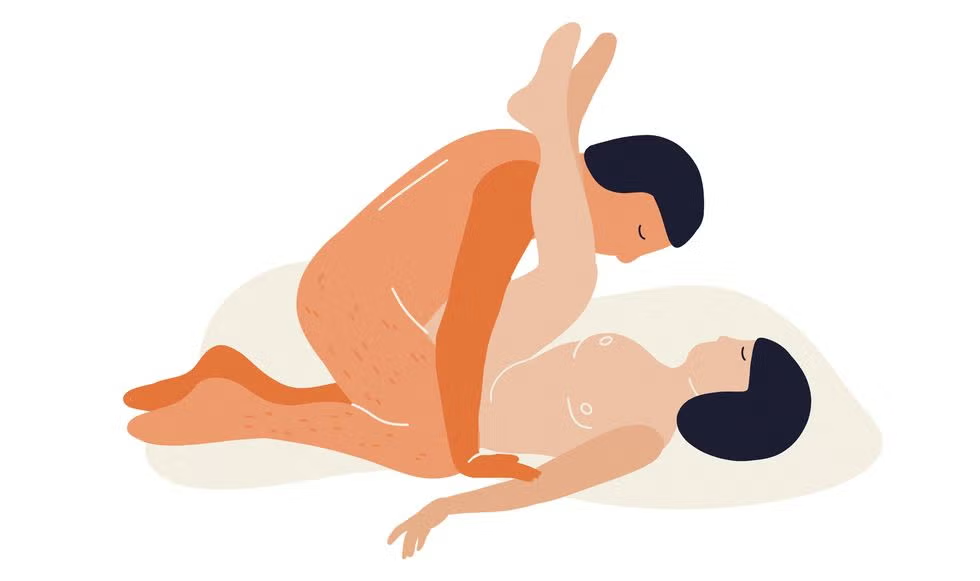
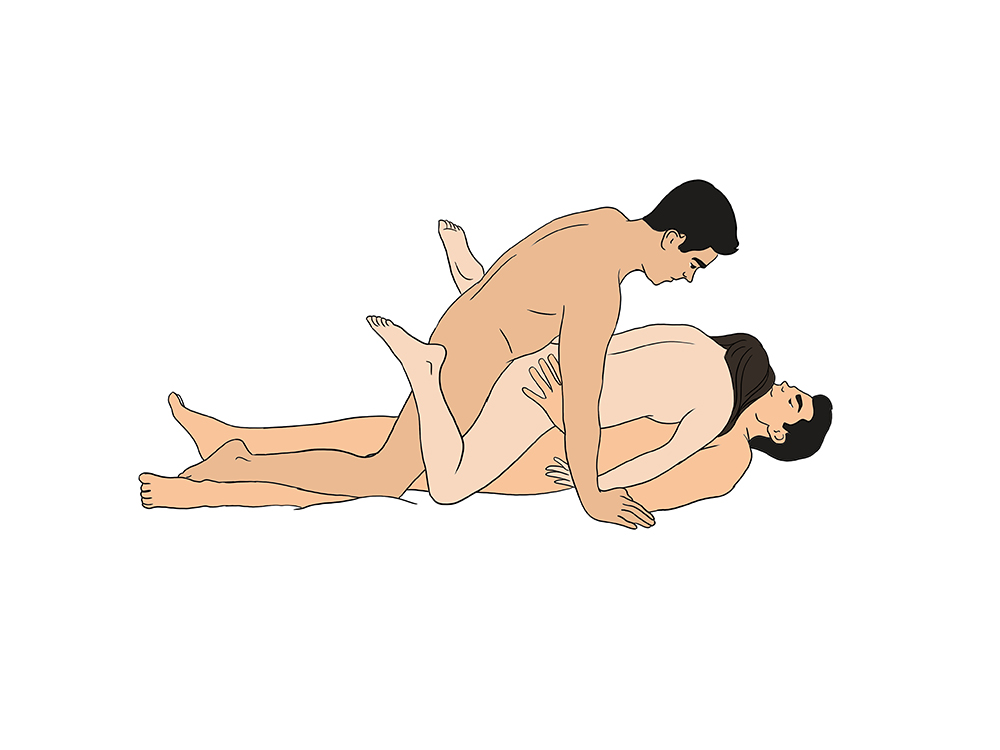
Once you’ve cleared the mandatory wait, reduce friction for the first week back. Use a silicone-based lubricant—it stays slippery longer and contains no skin-drying alcohol. Choose positions that minimize skin-on-skin pull (think spooning rather than missionary with tight thigh closure). Shower immediately after to remove bacteria, then pat dry and apply a thin layer of 1 % hydrocortisone or a fragrance-free recovery balm. Wear loose cotton underwear for the next 24 h; lace can act like sandpaper on follicles that are still flattening. And yes, condoms help—less direct contact, less irritation, lower infection risk.
Genital Area Laser Hair Removal and Sex: Special Considerations
Labia majora, scrotum and perianal skin are thinner and richly vascular, so they swell more and heal slower. If you had a “full Brazilian” that includes the inner labia or shaft base, extend the sex-free window to 7–10 days. Avoid oral sex early on; human saliva contains Streptococcus oralis which can colonize traumatized follicles and cause painful pustules. Trim—don’t shave—regrowth before your next session; shaving re-traumatizes. Finally, schedule treatments at least one week before vacations or romantic weekends; nothing kills mood faster than blistered bikini lines.
Can Having Sex Too Soon After Laser Hair Removal Cause Complications?
Absolutely. A 2020 multicenter study (London & New York) documented 312 adverse events after laser hair removal; 41 % were linked to early sexual activity. The complication list includes blistering, secondary bacterial infection, viral flare-ups and even temporary dyspareunia from swelling. One patient required incision and drainage of a labial abscess after intercourse 36 h post-treatment. Another developed a linear herpes scar because pre-existing HSV-2 re-activated under the heat of friction. The math is simple: every additional day you wait drops complication risk by roughly 18 % up to day 7.
Expert Advice: What Dermatologists Say About Sex After Laser Treatment
Dr. Melissa Kanchanapoomi Levin, NYC-based board-certified derm, tells patients: “If you wouldn’t rub a lemon on a scraped knee, don’t rub genitals on anything for five days.” The American Academy of Dermatology (AAD) guidelines state “avoid physical irritation, including sexual activity, for a minimum of 48 hours on the body and 96 hours on the genital or perianal region.” European laser centers echo the same 5-day rule for mucosal areas. Consensus is rare in medicine—this is one of those times. Listen to the white coats; they’ve already seen every possible “but we were gentle” horror story.
Listening to Your Body: Key Signs You Should Wait Longer After Laser Before Sex
Even if the calendar says “day 5,” your skin may veto. Red flags: persistent burning when you pee, itchy red bumps that look like mosquito bites, skin that feels hot to the touch, or any yellow crusting. These signal ongoing inflammation or early infection—sex will only pour gasoline on it. Women: if the introitus feels tighter or you notice increased discharge, hold off. Men: if the treated scrotal skin is shiny or wrinkled in an unusual way, give it another 48 h. When in doubt, snap a photo and email your provider; most clinics offer free virtual checks.
The Impact of Friction: How Sex Affects Sensitive Skin Post-Laser
Friction equals heat, and heat re-activates residual laser chromophores—yes, even days later. The stratum corneum is only 15–20 μm thick; repeated rubbing can sheer off the protective layer, exposing immature keratinocytes. The result is a sand-paper sensation that can morph into lichenification if you keep at it. Use positions that glide rather than grind, keep sessions shorter, and consider a barrier ointment (zinc oxide or petrolatum) on the outer labia or upper thigh edges if you’re planning marathon nights. Think of it as athletic tape for your sex life.
Hygiene Matters: Important Precautions for Sex After Laser Hair Removal
Shower pre-sex to lower bacterial load; ask your partner to do the same. Avoid heavily scented body washes—they can sting. Swap saliva-heavy kissing for neck-nuzzling if you had peri-oral hair removal; the same micro-crack rules apply. Change condoms if you switch from anal to vaginal contact; E. coli from the rectum is a notorious folliculitis trigger. Afterward, rinse with lukewarm water, pat dry, and re-apply your post-laser aloe or steroid. Skip the post-coital hot tub; chlorine dries skin and warm water breeds Pseudomonas. Clean, cool, dry—repeat like a mantra.
Can I Have Sex After Laser Hair Removal If I Use Lubricant?
Lubricant helps, but it doesn’t buy you an early ticket. Water-based lubes dry quickly and can leave a sticky film that traps bacteria; silicone or hybrid lubes are better because they reduce drag without alcohol. Avoid warming, cooling or flavored variants—menthol and capsaicin are irritants on lasered skin. Oil-based products (coconut, baby oil) can clog follicles and should be benched for two weeks. Apply externally only; internal lubrication is fine, but don’t massage leftover lube into treated skin. And remember: lube lowers friction, not infection risk—you still need the full wait time.
Different Body Areas: How Sex Timing Might Vary (Bikini vs. Legs vs. Back)
Legs and arms: 48 h if skin looks normal; these areas are keratinized and rarely abraded during sex. Back or chest: 72 h minimum, especially if your partner’s body hair is coarse—cross-rubbing can feel like Velcro. Bikini line: 5 days. Brazilian (labia, scrotum, perianal): 7 days. Face or neck: 48 h, but avoid beard-to-beard grinding if both partners were treated. Basically, the closer the skin is to a mucous membrane, the longer you wait. Map your body like a traffic-light zone: green, yellow, red—plan positions accordingly.
Bikini/Brazilian Laser Hair Removal: Specific Guidance on Resuming Sexual Activity
Schedule your session on a Monday so you can return to intimacy the following weekend. Wear loose pajama shorts to bed; night friction counts too. Skip thongs for 10 days—the central seam acts like a cord saw. If you engage in receptive oral sex, insist your partner rinse with an alcohol-free mouthwash first; oral Candida can jump onto compromised skin and cause a fiery rash. Finally, remember that orgasm increases local blood flow and transient swelling; even if you feel fine, postpone marathon sessions until the second week. Your future self—and your partner—will thank you.
Boosting Confidence: How Laser Hair Removal Can Positively Impact Your Sex Life (After Healing)
Once the wait is over, the payoff is real. A 2021 JAMA Dermatology survey of 1,400 U.S. adults showed 63 % reported “significantly higher sexual satisfaction” six months after completing bikini laser sessions. Reasons: reduced self-consciousness, no mid-romance stubble scratch, and enhanced skin-to-skin sensation. Partners also reported increased tactile pleasure. The key is to bank the confidence boost responsibly—stick to aftercare, space sessions six weeks apart, and exfoliate gently two weeks post-treatment to prevent ingrowns. Smooth skin plus zero razor bumps equals more spontaneous fun.
Open Communication: Discussing Laser Aftercare and Sex with Your Partner
Frame the wait as a shared investment: “Five days now, better sex later.” Send your partner the clinic’s aftercare PDF so the rule feels medical, not personal. Plan alternative intimacy—mutual massage, oral on untreated areas, or temperature play with ice cubes above the waist. Use the downtime to shop for ultra-soft sheets or a luxe silicone lube together, turning restriction into anticipation. When you finally get the green light, make it celebratory—lights low, music up, and plenty of time. The conversation you have while waiting often translates into deeper trust once you’re back in action.