Introduction to Menstrual Cup and Sex: Understanding the Basics
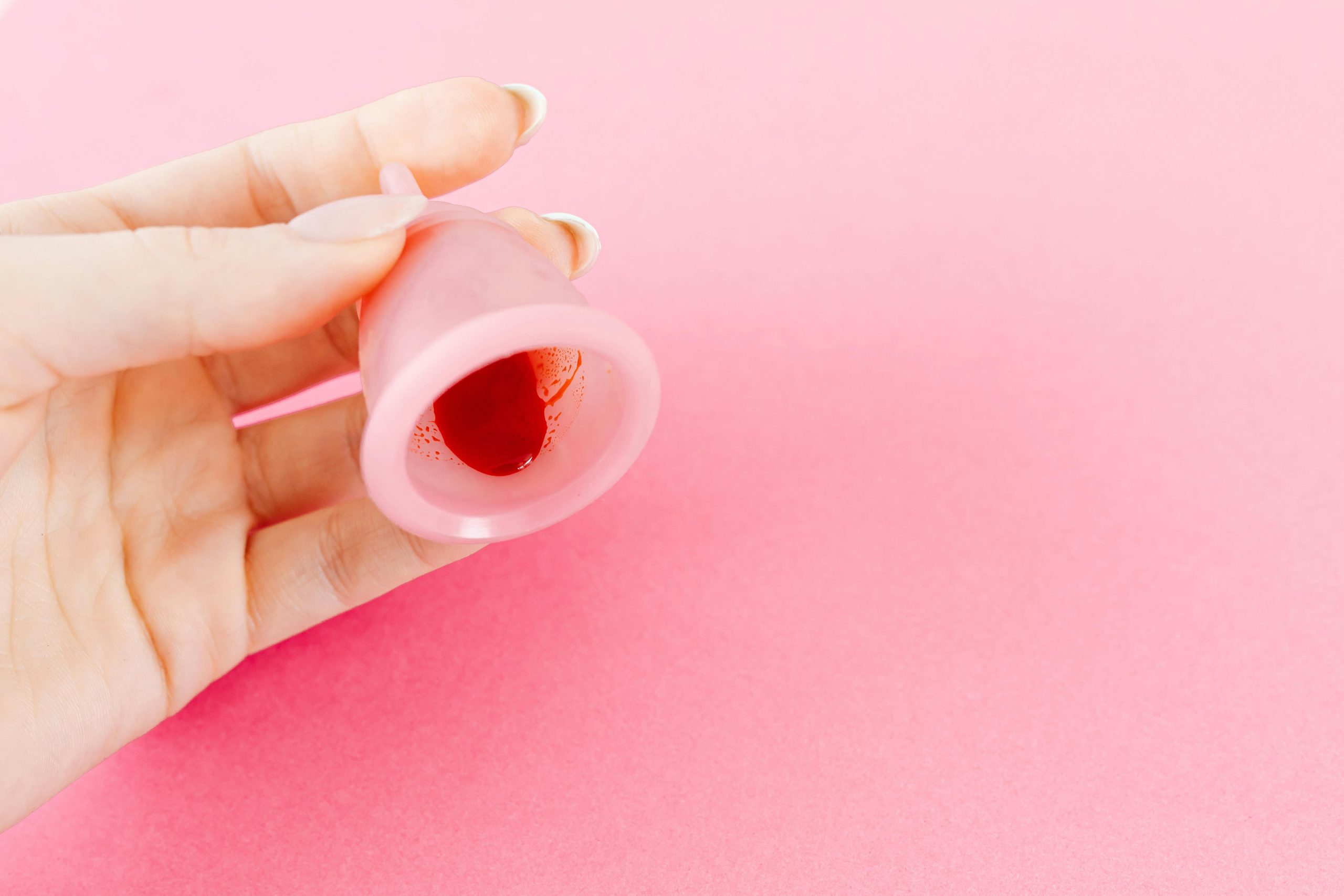
A menstrual cup is a reusable silicone or TPE device that sits inside the vaginal canal to collect menstrual flow. While cups are designed for daily wear up to 12 hours, many users wonder whether they can stay in place during penetrative sex. The short answer: traditional cups with a stem or firm rim are not intended for intercourse; they can be bumped, dislodged, or cause discomfort for either partner. However, a newer sub-category—flat, disc-style cups such as Intimina’s Ziggy or Flex’s reusable disc—are marketed as “sex-friendly” because they tuck under the cervix and rest parallel to the vaginal floor, theoretically leaving room for penetration. Understanding this distinction is step one before experimenting, and it sets the stage for the safety, pleasure, and hygiene topics that follow.
How to Safely Use a Menstrual Cup During Sexual Activity
If you opt for a disc-style cup, safety starts with clean hands and a fresh cup. Empty and rinse the device before sex to reduce bacterial load and prevent post-coital odor. Insert by squeezing the rim into an oval, sliding it back toward the tailbone, then tucking the front rim behind the pubic bone so it sits at a 45° angle. Use a water-based lubricant on the rim if needed; silicone lube can degrade silicone cups over time. Communicate with your partner about depth and angle—some penises or toys may still graze the rim, causing micro-shifts. After intercourse, remove the cup within four hours, wash with a pH-balanced cleanser, and re-insert or switch to a pad if you’re sore. Never reuse a cup that has been pushed painfully high without checking for suction or folds that could harbor bacteria.
Benefits of Combining Menstrual Cup Use with Sex
The most obvious benefit is mess-free period sex: discs catch flow before it reaches the vaginal opening, reducing laundry and self-consciousness. A 2022 survey of 1,400 U.S. women (Flex Co.) found 62 % reported higher sexual confidence while wearing a disc compared with a towel or no protection. Because cups don’t absorb natural lubrication like tampons, the vagina stays moister, potentially enhancing sensation. Environmentally minded couples appreciate skipping single-use softcups or condom-like “female” barriers. Finally, some users report stronger orgasms: the rim gently stimulates the anterior fornix, an erogenous zone rich in nerve endings. While evidence is anecdotal, the possibility adds a playful dimension to period intimacy without the waste or cost of disposable options.
Potential Risks and Concerns with Menstrual Cup and Sex
Discomfort tops the list: a firm rim can chafe the penile glans or vaginal walls, especially during vigorous thrusting. If the cup migrates upward, removal may require bearing down or even medical assistance—rare but documented in case reports from the U.K.’s NHS. There is also a theoretical risk of Toxic Shock Syndrome if the cup is left in for more than 12 hours post-sex while fluids remain trapped. Micro-tears from friction can introduce staphylococcus aureus, though no large-scale studies link cups to higher TSS rates than tampons. Lastly, oil-based lubricants or silicone toys can degrade cup material, leading to leaks or chemical irritation. Users with IUDs should be extra cautious: vigorous sex can dislodge both cup and IUD strings, increasing expulsion risk to 5–8 % according to a 2020 Contraception journal meta-analysis.
Comfort and Fit: Ensuring Menstrual Cup Stability During Sex
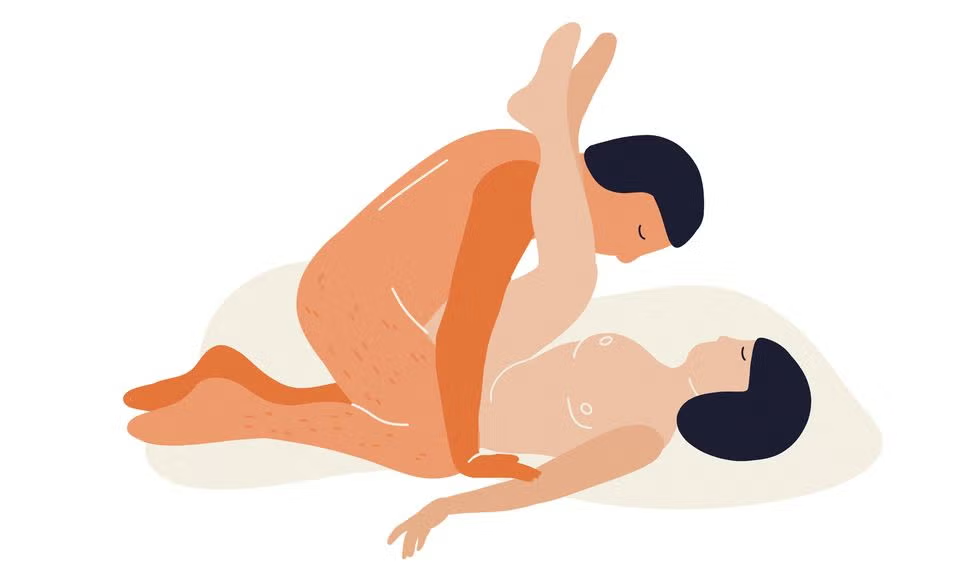
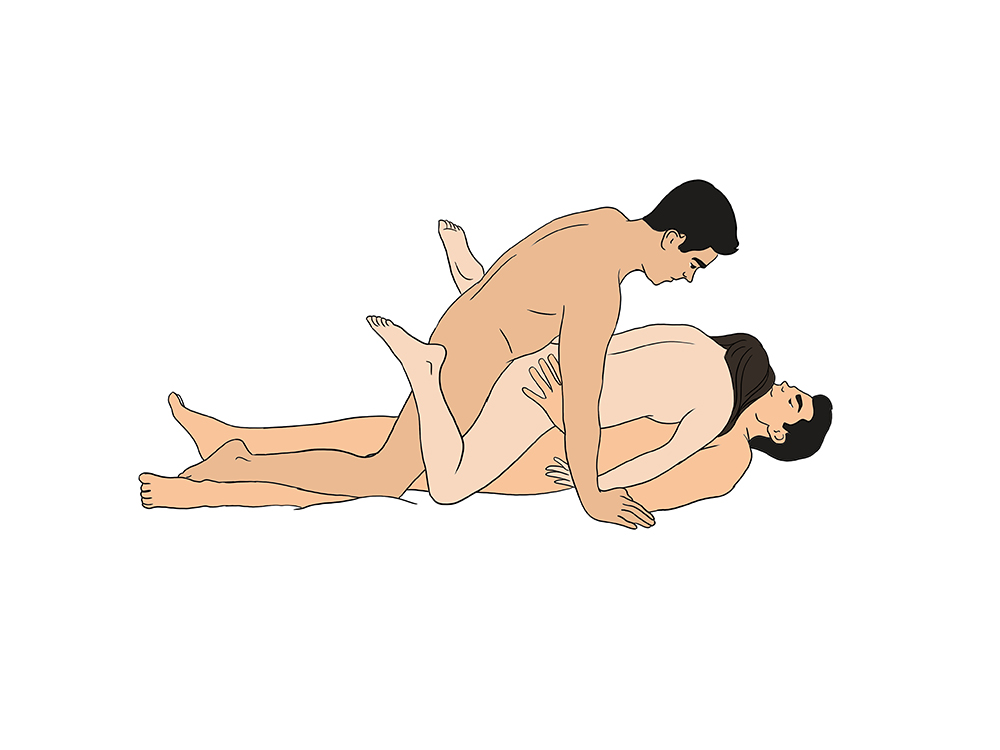
Stability hinges on choosing the right diameter and firmness. Disc-style cups come in two sizes—typically 65 mm and 75 mm rim diameter. If you’ve delivered vaginally, the larger size often seals better against the vaginal fornix, preventing slippage during deep penetration. Test the fit on a heavy-flow day first: stand, cough, and do a light squat; if the disc auto-dumps, it’s too small. During sex, positions that angle the penis toward the anterior wall (missionary with a pillow under hips) keep pressure off the rim. Reverse cowgirl, which angles toward the posterior wall, can pop the rim free. If you feel a “click” mid-thrust, pause and re-tuck the rim behind the pubic bone. Adding a dab of water-based lube inside the rim helps it flex with movement rather than resisting and folding.
Comparing Different Menstrual Cup Brands for Sexual Compatibility
Traditional bell-shaped cups—DivaCup, Lunette, Saalt—are not recommended for intercourse; their stems and suction holes protrude and can scratch a partner. Discs are the viable category. Flex’s disposable disc has a firmer rim that some users find too rigid for lengthy sex, but its 72 mm diameter suits wider vaginas. Intimina’s Ziggy Cup 2 is softer, with a double rim that reduces auto-dumping but may ride higher, requiring removal hooks. Cora’s disc is the slimmest (62 mm), ideal for nulliparous users who want minimal pressure. All three are made of medical-grade silicone, but Ziggy is the only one rated for 12-hour wear and 200+ reuses, making it the most cost-effective at $39.99 USD. For eco-purists, the reusable Flex disc offers similar dimensions to the disposable version but with a matte finish that grips tissue better, reducing slippage during athletic sex.
Menstrual Cup and Sex: Real User Experiences and Stories
On Reddit’s r/menstrualcups, user “LunaNova92” described her first experience: “We used the Ziggy in missionary; my boyfriend felt a light ‘plastic’ sensation for the first minute, then forgot it was there. Zero blood on the sheets, and I orgasmed faster than usual—maybe because I wasn’t worried about leaks.” Conversely, “BerlinButch” reported the Flex disposable rim folded sideways during strap-on play, causing a sudden cramp and a “balloon full of blood” spill. In a 2023 TikTok poll of 3,200 U.S. users, 58 % said they’d repeat the experience, 22 % called it “just okay,” and 20 % vowed never again, citing pain or partner objection. The takeaway: success often depends on cup choice, communication, and sexual position, not simply anatomy.
Debunking Myths About Menstrual Cup Use in Sexual Contexts
Myth 1: “The cup will get lost inside you.” False—the vaginal canal is a closed pouch; the cup can shift high but cannot enter the uterus. Myth 2: “Period blood is too dirty for sex.” In reality, menstrual fluid is a mix of uterine lining and blood, no more bacteria-laden than any other bodily fluid when both partners are STI-free. Myth 3: “Men hate the feel.” A 2021 Kinsey Confidential survey found 71 % of cis-men couldn’t distinguish between a disc and the vaginal wall when blindfolded. Myth 4: “You can’t use condoms.” Discs sit above the vaginal canal, so external condoms remain fully effective; internal condoms may compete for space and should be avoided. Debunking these myths empowers couples to experiment without shame.
Impact of Menstrual Cup on Sexual Pleasure and Satisfaction
Pleasure changes are subjective. Some users report heightened G-spot stimulation because the disc’s rim presses anterior tissues closer to the vaginal wall. Others feel a distracting “ring” during deep thrusting. A 2020 pilot study at the University of British Columbia (n = 52) used validated FSFI scores: participants wearing a disc during sex had a mean satisfaction increase of 0.8 points versus tampon-free periods, but a 0.5-point drop compared with cup-free sex, a statistically non-significant difference. Notably, anxiety about leakage dropped by 40 %, indirectly boosting libido. If either partner feels the rim, switching to shallow-entry positions or adding clitoral focus can redirect attention. Ultimately, the cup is neutral; mindset and communication determine whether it enhances or detracts from pleasure.
Hygiene and Cleaning Tips for Menstrual Cup After Sex
Post-sex, remove the cup within four hours to prevent bacterial overgrowth. Rinse first with cold water to prevent protein coagulation, then wash with a mild, fragrance-free cleanser (pH 3.8–4.5). Boil for 5–10 minutes at the end of your cycle; if you’ve had intercourse with a new partner or suspect STI exposure, soak in 70 % isopropyl alcohol for 20 minutes, rinse thoroughly, then boil. Store in a breathable cotton pouch—never an airtight jar—to prevent mold. If the cup retains a persistent odor, leave it in direct sunlight for two hours; UV rays break down residual sulfur compounds. Avoid hydrogen peroxide soaks more than once a month, as they can prematurely degrade silicone. Following CDC guidelines for medical devices reduces infection risk to negligible levels.
Menstrual Cup and Contraception: Compatibility with Condoms and More
Disc-style cups do not interfere with external condoms; they occupy separate anatomical planes. However, internal (female) condoms rely on an outer ring that can collide with the disc rim, increasing slippage for both devices. If you use spermicide, apply it after the disc is inserted to avoid coating the rim, which can weaken silicone over time. Diaphragms and cervical caps should not be combined with discs—they compete for the same space behind the pubic bone. For IUD users, a 2019 study in Obstetrics & Gynecology found concurrent cup use raised expulsion risk from 2 % to 4.6 %; sex adds mechanical force, so check strings monthly and ask your provider to trim them flush with the cervix. Emergency contraception and hormonal methods remain unaffected by cup use.
When to Avoid Using a Menstrual Cup During Sexual Intercourse
Skip the cup if you have active vaginitis, a yeast infection, or any lesion that could be abraded. Postpartum users should wait until cleared by a midwife—usually six weeks—to allow the cervix to close and pelvic floor tone to return. If you’ve recently had colposcopy or LEEP, the vaginal cuff is fragile; rim pressure can reopen sutures. During a herpes outbreak, the cup can ferry viral particles from introitus to cervix, increasing lesion spread. Finally, if sex is expected to be exceptionally vigorous (e.g., BDSM scenes with deep penetration toys), consider a towel instead; even the best disc can fold and leak under extreme force. When in doubt, consult your OB-GYN and err on the side of comfort.
Expert Insights on Menstrual Cup and Sex from Healthcare Professionals
Dr. Jen Gunter, author of “The Vagina Bible,” emphasizes that discs are “unlikely to cause harm if used correctly, but data on long-term sexual health outcomes are lacking.” The American College of Obstetricians and Gynecologists (ACOG) has no official stance yet, yet individual clinicians echo caution: Dr. Staci Tanouye, a Florida-based OB-GYN, tells patients, “If you can feel it, so can your partner; reposition or remove.” Planned Parenthood’s digital portal advises boiling between cycles and avoiding oil-based lubes to preserve silicone integrity. Sex therapist Dr. Holly Richmond adds a psychosexual angle: “Couples who communicate about the cup often report improved overall sexual communication, a net positive for relationship satisfaction.” While large RCTs are pending, expert consensus supports informed, hygienic experimentation.
Cultural Attitudes Towards Menstrual Cup and Sex in Western Societies
Mainstream U.S. and Northern European media increasingly frame period sex as healthy, with Teen Vogue and Cosmopolitan running upbeat tutorials on discs. A 2021 YouGov poll showed 54 % of Britons approve of period sex, up from 37 % in 2012, paralleling cup adoption rates. Yet taboo lingers: 38 % of U.S. men still express “disgust” in anonymous surveys, influencing partner openness. Christian abstinence blogs sometimes conflate cups with “abortifacient devices,” a scientifically false but culturally resonant claim. Meanwhile, eco-feminist communities celebrate discs as liberation from both tampon waste and sexual downtime. Advertising reflects the split: Flex’s campaigns feature heterosexual couples in white sheets, emphasizing discretion, while smaller brands use queer-inclusive imagery to destigmatize blood. The trajectory is toward normalization, but regional and generational divides remain stark.
Frequently Asked Questions About Menstrual Cup and Sex
Q: Can my partner feel the cup? A: Most report only a faint “ridge” that fades after initial thrusts; switching positions usually solves it. Q: Will it spill if I orgasm? A: Orgasm contractions can temporarily break the seal, but the disc reseats as muscles relax; leakage is rare unless the cup is over-full. Q: Is oral sex safe? A: Yes, but remove the cup first to prevent suction bruising on the giver’s tongue. Q: Can I use a vibrator? A: External vibes are fine; internal toys may dislodge the rim, so check placement afterward. Q: Does it protect against STIs? A: No—discs are not barriers; use condoms and get regular screenings. Q: How soon after sex should I remove it? A: Within four hours is ideal, but overnight is acceptable if you empty before bed and have no history of TSS. When uncertainties persist, consult your gynecologist rather than Reddit.