Introduction
Walk into any drugstore and you’ll see rows of “acne” creams, yet nothing labeled “cyst remover.” That mismatch sums up the confusion: every pimple is an unwelcome guest, but a cyst is a different species entirely. Mis-identifying the two can turn a minor blemish into a months-long battle with pain, scars, or even a surgical scar. This guide dismantles the myths, shows you exactly what is happening under your skin, and tells you when to close the bathroom cabinet and call a board-certified dermatologist. By the end, you’ll know why that “deep” spot that lingers for weeks isn’t just a stubborn pimple—it’s a cyst that deserves professional respect.
Cyst vs Pimple: The Fundamental Differences Explained
A pimple—medically an acne papule, pustule, or comedone—starts when a pore is clogged by sebum and dead cells, then colonized by Cutibacterium acnes. It is essentially a superficial traffic jam. A cyst, by contrast, is a walled-off sac that can be triggered by severe inflammatory acne (a “cystic acne nodule”) or by a blocked sebaceous duct that balloons into a keratin-filled pouch (an “epidermal inclusion cyst”). The key triad is depth, contents, and containment: pimples live in the upper follicle, contain oily debris plus bacteria, and are not encased; cysts occupy the deep dermis or sub-cutis, hold a cheesy or fluid core, and are wrapped in a membranous sac. Understanding this triad dictates everything from pain level to scar risk.
Visual Identification: How to Tell a Cyst from a Pimple
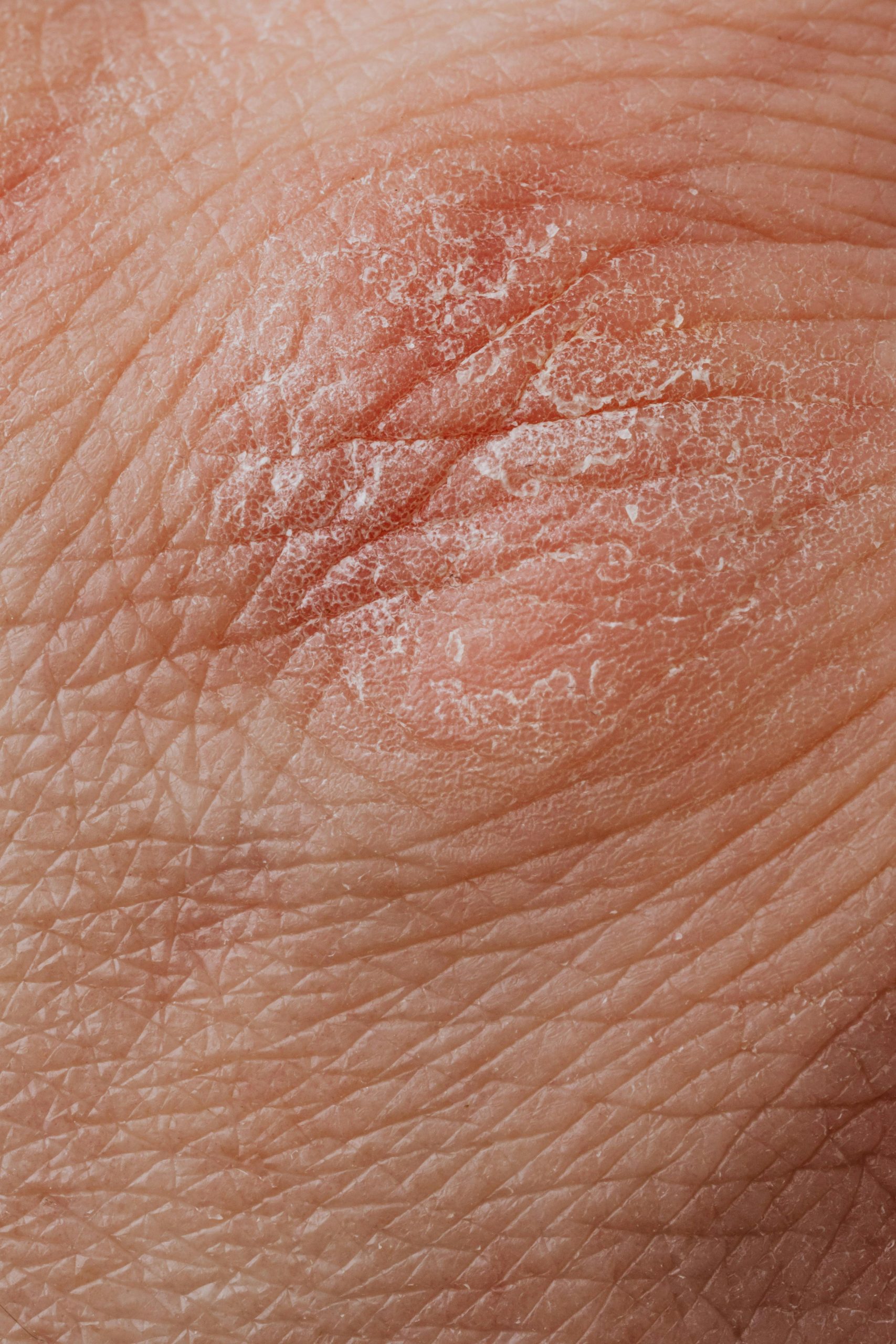
Under good lighting, a classic whitehead shows a pinpoint opening with a visible pus plug; blackheads are open, oxidized dots; red papules are tender but flat on top. A cyst, however, appears as a dome-shaped, skin-colored or dusky red mound that can reach 1–5 cm. There is rarely a central punctum, and if you shine a flashlight from the side, the swelling casts a broad shadow because the mass is deeper. Gentle side-to-side pressure makes a pimple wiggle slightly; a cyst feels like a pea sliding under a sheet—it moves as one unit. When in doubt, draw a circle around the perimeter; cysts expand beyond the original ring within 24–48 h, whereas pimples usually stay confined.
Under the Skin: What Causes Cysts vs. What Causes Pimples
Pimples begin inside the infundibulum of the hair follicle. Hormonal surges (androgens, cortisol, even dairy-derived growth factors) up-regulate sebum production while corneocytes stick together instead of shedding. The resulting micro-comedone becomes inflamed once oxygen levels drop and C. acnes flourishes. Cysts bypass this superficial choreography: in cystic acne, the follicular wall ruptures sideways, spilling lipids and keratin into the dermis and inciting a foreign-body granulomatous reaction that eventually walls itself off. In non-acne cysts, a benign defect in the follicular isthmus allows basal keratinocytes to implant deeper, creating a self-enclosed keratin factory. Genetics, smoking, and repeated trauma (hello, phone against the jaw) are common accomplices.
Pain Level & Sensation: Cystic Acne vs. Regular Pimples
Ask patients to rate pain on a 0–10 scale and you’ll hear 2–3 for an average papule, 4–5 for a juicy pustule. Cysts routinely score 6–8 and are described as “a heartbeat under the skin.” The difference is pressure: a pimple’s pus can leak outward through a pore, but a cyst’s contents are trapped in an inelastic sac that distends pain-sensitive Pacinian corpuscles in the deep dermis. NSAIDs barely dent cystic pain because the stimulus is mechanical stretch plus prostaglandin-rich inflammation. If the cyst becomes secondarily infected and evolves into an abscess, the pain turns explosive (9–10) and may wake you from sleep—your cue for same-day medical drainage.
Size Matters: Comparing the Scale of Cysts and Pimples
Comedones measure 0.5–2 mm, papules 2–5 mm, and pustules up to 1 cm when they coalesce. Cysts start at 5 mm and can balloon to several centimeters—the size of a nickel or a golf ball. Importantly, the visible dome underestimates the true diameter; ultrasound studies show cystic acne nodules often have a 2–3 cm inflammatory halo under the skin. Rapid enlargement over 48 h usually signals internal bleeding or vigorous inflammation, whereas slow, painless growth over months typifies benign epidermal cysts. Photograph the lesion next to a U.S. quarter every week; if the red area outgrows the coin, escalate to prescription therapy.
Depth Matters: Deep Cysts vs. Surface Pimples
Imagine skin as a three-story building: the stratum corneum roof, the living epidermis attic, and the collagen-rich dermis basement. Pimples loiter on the first two floors; cysts squat in the sub-basement. Because the dermis is vascular and collagen-dense, anything that destroys it leaves a crater. Superficial pimples heal by re-epithelialization within days, but cysts discharge inflammatory soup into this structural layer, digesting collagen bundles and triggering fibrotic scar repair. Dermatologists palpate with gloved fingers to gauge depth—if you can’t feel the base, it’s too deep for OTC benzoyl peroxide to reach.
The Risk Factor: Why Cysts Are More Likely to Scar
Collagen remodeling is like scaffolding: remove one beam and the whole wall tilts. Cystic inflammation recruits matrix metalloproteinases (MMP-2, MMP-9) that chew through type I collagen for weeks. Once the sac is re-absorbed or surgically removed, the dermis can’t regenerate enough collagen, yielding atrophic “ice-pick” or “rolling” scars. Studies in the Journal of the American Academy of Dermatology show that 87 % of cystic acne patients develop permanent textural change, versus 22 % of mild-to-moderate papulopustular acne. Darker skin types face an added insult: post-inflammatory hyperpigmentation that can persist 6–12 months even if the scar itself is shallow.
Don’t Pop! The Dangers of Squeezing Cysts vs. Pimples
Your fingers exert 5–15 psi—enough to explode a pustule sideways, driving bacteria into the dermis and doubling inflammation. With cysts, the physics are worse: the sac wall is 200–400 µm thick and resists rupture, so pressure simply shears surrounding vessels and nerves. If the cyst does burst internally, keratin acts as a foreign body, seeding new satellite cysts or provoking a vigorous granulomatous reaction that requires surgical excision. MRSA outbreaks have been traced to bathroom “self-surgery,” according to CDC case reports. Bottom line—pop a whitehead and you might get a bigger pimple; pop a cyst and you might get a surgical scar plus a course of IV antibiotics.
Home Care Strategies: What Works (and What Doesn’t) for Each
For pimples, a minimalist routine wins: fragrance-free cleanser with 2 % salicylic acid, 2.5 % benzoyl peroxide leave-on gel, and a non-comedogenic moisturizer. Hydrocolloid patches absorb exudate and curb picking. Warm compresses for 5 minutes twice daily soften the plug and speed resolution. Cysts demand the opposite—skip heat, which worsens vasodilation, and apply a sealed ice cube wrapped in soft cloth for 3 minutes, three times daily, to blunt prostaglandin release. Topical 5 % dapsone gel or 10 % niacinamide serum can calm redness but will not dissolve the sac. Resist layering “stronger” acids; at best they irritate the surface, at worst they create dermatitis on top of the cyst, complicating eventual steroid injections.
Over-the-Counter Solutions: Effectiveness for Pimples vs. Cysts
Meta-analyses confirm that 2.5 % benzoyl peroxide reduces inflammatory lesions by 46 % after 12 weeks, while 2 % salicylic acid clears 35 % of comedones. Sulfur and azelaic acid add modest incremental benefit. None of these penetrate deeper than 200 µm—roughly the upper third of the dermis—so they barely touch a cyst’s core. Consumers often misinterpret temporary drying of the surface as “shrinking,” but ultrasound shows the sac remains intact. If you need to look presentable for an event, a hydrocolloid patch plus 1 % hydrocortisone cream can flatten swelling for 8–12 h, but expect rebound erythema the next day. Save your money: OTC is for maintenance, not miracles.
When to See a Dermatologist: Cysts vs. Stubborn Pimples
Book an appointment if a pimple fails to improve after 6–8 weeks of consistent OTC therapy, or if you count more than 10 inflammatory lesions at one time—those are signs of moderate acne that warrants prescription retinoids or antibiotics. Cysts, however, should trigger an immediate call: any solitary nodule >5 mm that hurts, lasts >2 weeks, or recurs in the same spot needs evaluation. Fever, red streaking, or a cyst on the central face (“danger triangle”) qualifies for same-day care. Early intralesional triamcinolone (2.5–5 mg/ml) can abort inflammation within 48 h, cutting scar risk by 60 %, per a 2022 JAAD study—proof that the clock is tissue.
Professional Treatment Options for Persistent Cysts and Severe Pimples
For widespread papulopustular acne, first-line is topical tretinoin 0.025 % plus clindamycin/benzoyl peroxide, escalated to oral doxycycline 100 mg BID if >20 lesions. Hormonal flares in females respond to spironolactone 50–100 mg or combined oral contraceptives containing drospirenone. Cysts bypass these algorithms: a single inflamed nodule gets an ILK (intralesional kenalog) shot; multiple cystic lesions warrant oral isotretinoin 0.5–1 mg/kg for 5–6 months. Refractory or recurrent epidermal cysts require elliptical excision with complete removal of the capsule—failure rates drop from 40 % to <5 % when the sac is extracted intact. Newer options like photodynamic therapy or 1720-nm laser are promising but remain second-line to the gold standards above.
Healing Timelines: How Long Do Cysts vs. Pimples Last?
Superficial pimples peak at 48 h and resolve in 5–7 days if left untouched; pustules may take 7–10 days. Cystic nodules follow a slower arc: days 1–3 represent the proliferative phase, days 4–14 the inflammatory plateau, and weeks 3–6 the remodeling phase—assuming no secondary infection. Even after the visible lump flattens, induration and micro-scarring continue for 4–12 weeks. Epidermal inclusion cysts persist indefinitely until surgically removed; spontaneous rupture shortens the timeline but trades duration for scar severity. Patients should photograph weekly and expect at least one menstrual cycle (for females) or 6–8 weeks (for males) before declaring “it’s not going away.”
Beyond the Bump: Potential Complications of Cysts
Secondary infection can convert a sterile cyst into an abscess requiring incision and drainage, sometimes under general anesthesia if on the face. Repeated inflammation destroys adnexal structures, causing permanent hair loss in beard or scalp areas. Rarely, longstanding cysts develop squamous cell carcinoma within the wall—reported risk 0.011 % but real. Perhaps the most under-appreciated complication is the psychological toll: chronic pain and visible disfigurement feed social withdrawal and depression scores comparable to asthma or epilepsy. Treat the scar and the psyche together; dermatologists increasingly pair surgical excision with referral to cognitive-behavioral therapy when Dermatology Life Quality Index (DLQI) exceeds 10.
Prevention Tactics: Can You Stop Cysts and Pimples Before They Start?
For everyday acne, evidence supports low-glycemic diets, daily 50 mg zinc gluconate, and non-comedogenic sunscreen—each reduces lesion counts by 20–30 %. Silk pillowcases washed weekly cut C. acnes load by 55 % versus cotton. Unfortunately, cystic acne has a heritability of 81 %; if both parents had it, early dermatologic referral is preventive, not reactive. For epidermal cysts, avoid picking at “sebaceous filaments” on the neck or chest—micro-trauma seeds implantation. No cream or supplement reliably prevents cyst formation, but starting isotretinoin at first sign of nodular acne drops 5-year scar risk from 74 % to 28 %. In short, you can’t rewrite your DNA, but you can refuse to ignore it.
The Psychological Impact: Dealing with Painful Cysts and Visible Pimples
Surveys by the American Academy of Dermatology reveal 71 % of adults with acne feel it interferes with social activities; the figure jumps to 92 % among cystic-acne sufferers. Chronic facial pain amplifies anxiety circuits in the amygdala, creating a feedback loop where stress spikes cortisol, which in turn flares acne. Open conversations with employers or professors about dermatology appointments reduce guilt, while telederm follow-ups minimize missed work. Online communities like r/cysticacne provide solidarity, but avoid echo chambers that demonize every moisturizer. If you cancel plans, can’t look in mirrors, or obsessively research ingredients at 2 a.m., those are signs for professional mental-health support—because clear skin means nothing without a clear mind.
Conclusion
Recognize the depth, respect the pain, and relinquish the urge to squeeze—those three habits alone will spare you years of regret. Pimples demand patience and consistent topical care; cysts demand a dermatologist’s skilled hand and sometimes a surgeon’s scalpel. Both are manageable, neither is a moral failing, and neither defines your worth. Book the appointment, start the prescription, log the photos, and give healing the time it deserves. Healthy skin is a marathon, not a mirror selfie, and you now own the roadmap.