Does Gay Sex Hurt? Understanding Pain During Anal Intercourse
The short answer is: it can, but it absolutely doesn’t have to. Pain during anal sex is almost always a signal that something—lubrication, relaxation, pacing, anatomy, or mindset—is off, not that the act itself is inherently painful. The anus is a ring of muscle that normally stays contracted; unlike the vagina, it doesn’t self-lubricate and must be coaxed open gradually. When those needs are ignored, micro-tears in the delicate lining can occur, leading to anything from mild soreness to sharp pain. A 2020 meta-analysis in the Journal of Sexual Medicine found that 9–15 % of men who have sex with men (MSM) reported frequent pain during receptive anal intercourse, but the same study noted that “adequate lubrication and partner communication reduced incidence by more than half.” In other words, pain is a data point, not a destiny. Treat it as actionable feedback, push pause, add more lube, slow down, or change positions until the sensation shifts from ouch to ahh.
Does Gay Sex Hurt? Debunking Common Myths and Misconceptions
Myth #1: “If it hurts the first time, that’s normal and you just have to push through.” Reality: Pain is your body’s check-engine light; ignoring it increases risk of tearing, hemorrhoids, and long-term pelvic-floor tension. Myth #2: “Real men don’t need lube.” Reality: Even porn actors pre-lube off-camera; friction is physics, not a moral failing. Myth #3: “Pain means you’re too tight and need a bigger toy or partner to ‘stretch you out.’” Reality: The anal sphincter is a muscle that responds to relaxation, not forceful dilation. A 2019 British Medical Journal review emphasized that “gradual desensitization with incremental dilators, not rapid stretching, prevents trauma.” Myth #4: “If you’re a bottom, pain is part of the deal.” Reality: Pleasurable receptive anal sex is the norm when risk factors—insufficient warm-up, anxiety, or underlying conditions like anal fissures—are addressed. Dispel these myths and you replace fear with facts, which is the first step toward pain-free play.
Does Gay Sex Have to Hurt? Preventing Discomfort and Pain
No. Pain is optional, not mandatory. Prevention starts hours—or even days—before penetration. Hydration and a fiber-rich diet keep stools soft, reducing hemorrhoid flare-ups that can make sex sting. A 2021 UCSF sexual-health guide recommends 25–35 g of daily fiber plus 2 L of water to maintain “pliable, elastic rectal mucosa.” Right before sex, take a warm shower to relax pelvic muscles; many guys find a quick saline rinse sufficient—aggressive douching can strip protective mucus and ironically cause more irritation. Use a generous amount of silicone or water-based lube (silicone lasts longer for marathon sessions; water-based cleans up easier). Begin with a well-manicured finger or small plug, applying steady outward pressure until the sphincter invites you in—never pry. Time invested in foreplay equals comfort currency: most men need 5–10 minutes of gradual dilation before they’re ready for a penis-sized object. Remember, sphincters open like a flower, not a garage door.
Why Does Gay Sex Hurt Sometimes? Identifying the Causes
Pain can sneak in from multiple angles. Mechanical causes include insufficient lube, rapid thrusting, or oversized girth relative to experience level. Neurological causes involve heightened pelvic-floor tone—often linked to anxiety or previous trauma—creating a “vaginismus-like” syndrome in the anal sphincter. Medical culprits range from benign (anal fissures, hemorrhoids) to infectious (rectal gonorrhea, herpes ulcers) to inflammatory (Crohn’s proctitis). A 2022 Sexually Transmitted Infections study noted that 6 % of MSM presenting with “sexual pain” tested positive for rectal chlamydia, underscoring the need for routine STI screening. Finally, pharmacological factors: poppers relax smooth muscle but can cause headaches that distract from body cues, while amphetamines may encourage overly vigorous play. Keep a pain diary—note timing, position, lube brand, substances, and stress levels—to isolate patterns. Share findings with a gay-affirmative provider; targeted treatment (dilators, pelvic-floor PT, antibiotics) can turn pain into history.
Managing Pain and Discomfort During Anal Sex: A Practical Guide
If discomfort appears mid-session, stop and assess. First, add lube—lots of it. A 2018 Andrology lab study showed that doubling applied lube volume reduced peak friction force by 42 %. Second, change position: switch from doggy (which tightens the recto-anal angle) to side-lying or receiver-on-top, giving the bottom control over depth and angle. Third, introduce a “safe-word plus traffic-light” system—green for go, yellow for pause, red for full stop—so negotiation doesn’t kill the mood. Over-the-counter 2 % lidocaine gel is tempting, but urologists warn it can mask injury; instead, try a breathable silicone lube mixed with 5 % jojoba oil for added slip without numbing. Post-sex, a cool pack wrapped in soft cloth reduces any superficial swelling, while a warm Epsom-salt sitz bath the next day promotes blood flow. Persistent soreness >24 h? Switch to oral or mutual masturbation for 48 h to allow micro-tears to seal. Think of anal sex like weight-training: progressive overload plus rest days equals gain without strain.
Understanding Anal Anatomy and Preventing Pain in Gay Sex
The final 5 cm of your digestive tract is a masterpiece of engineering: an inner involuntary sphincter (smooth muscle) and an outer voluntary sphincter (striated muscle) work in tandem. Beyond the gatekeepers lie two 90-degree curves—the anorectal angle controlled by the puborectalis sling. To minimize pain, you need to straighten that highway. Bearing down gently (like having a bowel movement) relaxes the puborectalis and opens the angle; this is why “push out to let in” is more than locker-room lore—it’s biomechanics. The rectal lining is thin, only 0.2–0.4 mm, and richly supplied with nociceptors, so friction is felt fast. Use toys with a flared base and a gradual taper—diameter jumps >1 cm between plugs spike discomfort risk, according to a 2020 sexual-medicine ergonomics paper. Warm toys to body temperature in a bowl of warm water; cold metal shocks the muscle into clamp-down. Finally, angle toys or penis toward the belly button, following the natural forward curve of the rectum, not the sacrum. Anatomy isn’t destiny; it’s a roadmap.
Common Causes of Pain During Receptive Anal Sex (Bottoming)
Beyond the obvious lack of lube, three bottom-specific issues top the complaint chart. First, hypertonic pelvic floor: chronic clenching from desk jobs or gym squats keeps the outer sphincter half-shut. A 2021 Prostate International study showed that 4 weeks of pelvic-floor physical therapy (biofeedback plus reverse Kegels) reduced pain scores by 55 %. Second, incomplete bowel cleaning: residual stool acts like sandpaper under a condom. Switch to a low-volume bulb douche—200 mL max—and stop when the return runs clear; over-irrigation triggers cramping. Third, hemorrhoidal tags: swollen cushions at the anal verge get pinched during thrusting. Apply a glycerin suppository 30 min before play to shrink them, or choose positions (spooning) that reduce outward suction. If every attempt feels like razor blades, request an anoscopy; small fissures hiding at 6 or 12 o’clock are easily missed but quickly heal with 0.2 % nitroglycerin ointment. Treat the cause, not just the symptom.
Essential Lube and Relaxation Techniques for Pain-Free Gay Sex
Lube is your passport to pleasure. Silicone-based lubes like Pjur Original stay slick for 20+ minutes underwater, ideal for shower sex, but can stain sheets; pair with a dark towel. Water-based lubes such as Sliquid Sassy mimic rectal pH (7.0) and clean up with a rinse, yet can dry out—revive with a spritz of water instead of globbing more product. Oil-based lubes (coconut, Crisco) are cheap and ultra-slippery, but degrade latex condoms; reserve them for monogamous, condom-free scenes. Quantity rule: if you think you have enough, add two more milliliters—about the size of a ketchup packet. For relaxation, combine diaphragmatic breathing with progressive muscle release: inhale for 4 counts while visualizing the sphincter blooming, exhale for 6 counts while dropping shoulders and butt muscles. Apps like “Bottom Coach” offer guided audio timed to a 10-minute dilation routine. Pair breathing with a vibrating plug on low; vibration gates pain signals at the spinal cord level (Melzack-Wall gate-control theory). The result: a chilled-out hole ready for action.
Communication is Key: How to Talk About Pain During Gay Sex
Most guys would rather fake a moan than admit “it burns.” Flip the script by making pain talk part of dirty talk: “Love feeling you, but ease up a sec—need more glide.” Normalize check-ins before clothes come off: “Yellow means adjust, red means freeze, got it?” Research from the Kinsey Institute (2021) shows that couples who used a three-word code during sex reported 30 % higher satisfaction and 50 % lower injury rates. Frame feedback as collaboration, not criticism: instead of “You’re hurting me,” try “Let’s angle higher so you hit my good spot.” If you’re the top, watch for micro-signals—clenched jaw, shallow breathing, or a sphincter that suddenly tightens like a fist. Stop, ask, and reassure: “You good? Want me to stay still so you can breathe into it?” Post-sex debrief cements trust: share what felt great and what needs tweaking. Good sex is co-authored; silence is the real mood killer.
Taking It Slow: Pacing and Penetration for Comfort
Think of anal sex as a three-act opera, not a punk song. Act 1: external play—rimming, perineum massage, or a lubed finger circling the rim for at least 3 minutes to trigger reflex relaxation. Act 2: shallow penetration—insert just past the outer sphincter (about 1 inch) and hold still for 30–60 seconds while the receiver breathes out; this allows the inner sphincter to downgrade from fight-or-flight to rest-and-digest. Act 3: gradual depth—advance 1 cm at a time, pausing for a full exhale each round. A 2017 Danish sexual-medicine study timed 120 couples and found that bottoms who received penetration over ≥8 minutes had 70 % lower odds of next-day soreness. Use a metronome app set to 60 BPM for initial thrusts; slower tempo synchronizes with heartbeat, reducing anxiety. Save jack-hammer speed for the final minute or as negotiated. Remember, rectal tissue heats up with friction—cool-down breaks every 5 minutes maintain tissue integrity and heighten eventual climax.
Position Matters: Finding Comfortable Positions for Anal Sex
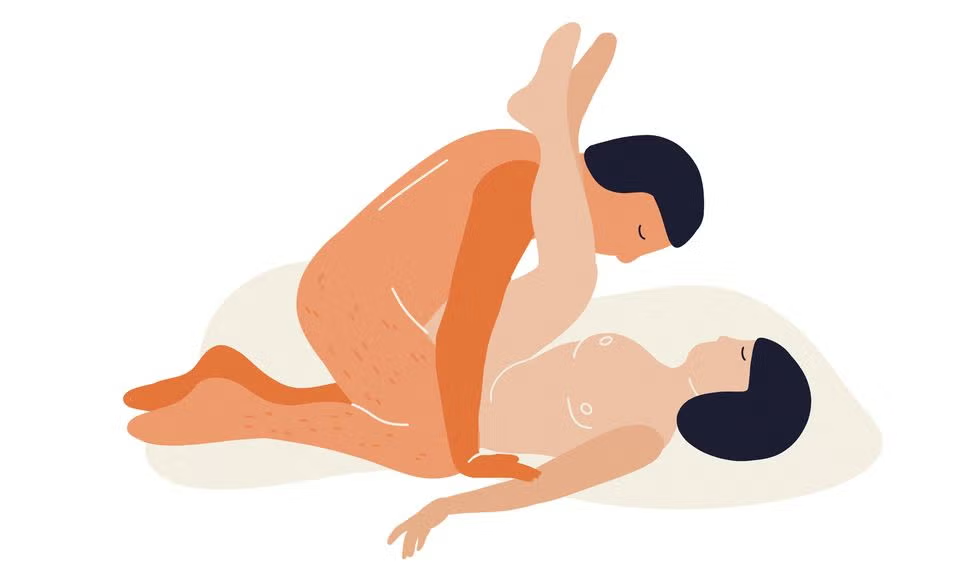
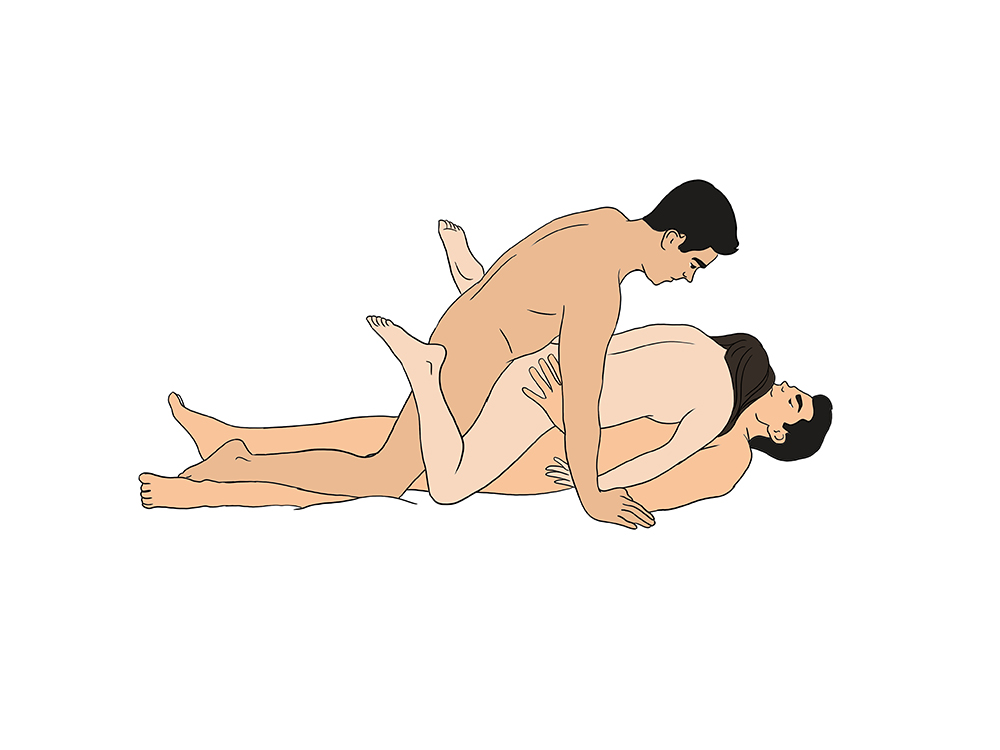
Your spine and rectum form a living slinky; tweak angles and gravity works for you, not against you. Receiver-on-top (cowboy) lets the bottom lower onto the penis at their own pace, straightening the anorectal angle by 15 degrees compared to doggy style, according to MRI data from a 2020 sexual-biomechanics lab. Spooning keeps thrusts shallow—ideal for guys with longer partners or hemorrhoids—while the big-spoon partner can reach around to add stroking, turning discomfort into dual stimulation. For deeper yet comfy access, try flat-on-stomach with a pillow under the hips: the rectum elongates, reducing stretch on the anterior wall where most nociceptors cluster. If you’re athletic, standing rear entry with one foot on a chair opens the pelvis and lets the receiver control depth by bending or straightening the knee. Switch positions every 3–5 minutes to redistribute pressure points; think of it as rotating tires to prevent blowouts. Comfort is geometry plus creativity.
When Pain Persists: Seeking Help and Medical Advice
Occasional soreness is normal; pain that lasts >48 h or recurs every session is not. Book an appointment with a gay-affirming provider—look for directories like GLMA or OutCare. Expect a brief anal exam and possibly anoscopy; 90 % of fissures and 70 % of internal hemorrhoids are visible with these simple tools. Bring a symptom log: note pain location (superficial vs deep), timing (during vs after), and associated factors (bleeding, mucus, fever). Persistent deep pain could signal proctitis from chlamydia, gonorrhea, or herpes—rectal PCR swabs are quick and guide antibiotics. If no pathology is found, request a referral to a pelvic-floor physical therapist; trigger-point release of the puborectalis can resolve pain in 6–8 sessions. Don’t accept a shrug: the American Society of Colon and Rectal Surgeons states “anal pain in MSM deserves the same diagnostic rigor as chest pain in cardiology.” You deserve answers, not embarrassment.
Pain vs. Pleasure: Achieving a Positive and Safe Anal Sex Experience
Pain and pleasure share neural highways—both travel via the pudendal nerve—but context decides the exit ramp. Focus on erotic context: dim lights, favorite playlist, and a trusted partner flip the brain’s threat-detection switch from amygdala to reward circuitry. Use cognitive priming: spend 2 minutes visualizing a hot prior scene; fMRI studies show imagined stimulation pre-activates the same somatosensory cortex regions as real touch, raising pleasure thresholds by up to 30 %. Layer stimulation: simultaneous penile stroking floods the spinal cord with competing signals, crowding out pain messages (gate-control again). Set a pleasure quota: agree that if pain >3/10, you pivot to oral or mutual masturbation—no failure, just variety. Finally, debrief afterglow: share one highlight and one tweak. Reinforcing what felt good trains the brain to associate anal play with reward, not risk. Pleasure is a skill; practice with feedback and pain becomes the exception, not the rule.
First Time Gay Sex: Addressing Anxiety and Preventing Pain
Virgin nerves can hijack even the best-laid plans. Reduce novelty stress by solo rehearsing: wear a condom on a slim, well-lubed plug while masturbating; your brain learns to pair penetration with orgasm, not alarm. Schedule the main event on a low-stress day—deadlines and anal sex are incompatible. Negotiate a “soft launch”: agree that penis penetration is optional; fingers or a small toy may be enough for session one. Have a post-sex plan: disposable towel, water bottle, and chocolate on the nightstand so aftercare is seamless. Remember, consent is ongoing—calling a yellow or even red your first time is not failure; it’s data collection. Most guys who report a “great first time” cite one common denominator: a patient partner who treated the moment as exploratory, not performative. Your only KPI is comfort, not stamina or porn-star theatrics.
Lubrication Options: Choosing the Right Lube to Minimize Discomfort
Not all lubes are created equal for rectal use. Look for osmolality 200–400 mOsm/kg (close to rectal cells) and pH 6.5–7.5 to avoid stinging and cell damage. Popular brands meeting WHO rectal standards: Sliquid Sassy, Yes But, and Velvet Rose. Avoid glycerin-heavy lubes if you’re prone to yeast; sugar alcohols feed candida. For marathon sessions, hybrid lubes (10 % silicone + 90 % water) give 15-minute slip with easy clean-up. Temperature matters: store lube at room temp; cold gel triggers sphincter reflex contraction. Single-use 5 mL pillow packs are travel-friendly and prevent cross-contamination. If you play with silicone toys, stick to water-based or hybrid—pure silicone lube can degrade toy surfaces over time, creating micro-roughness that drags tissue. Finally, patch-test new lubes on the inner wrist or anal rim 24 h before main use; a tiny hive beats a rectal fire. Lube is cheap, tissue repair is not—invest wisely.
Anal Health and Preparation: Reducing the Risk of Pain
Treat your butt like an athlete treats hamstrings—condition, stretch, recover. Daily Kegel-reverse Kegel cycles (contract 3 s, relax 6 s, 10 reps) maintain sphincter tone without hyper-tightness. Fiber is your invisible trainer: 25 g daily from oats, chia, and psyllium produces bulky, soft stools that act as internal dilators, keeping the canal elastic. A 2022 Sexual Health survey found bottoms who met fiber goals had 40 % fewer fissures. Schedule annual anal Pap smears if you’re HIV+ or have >10 lifetime partners—HPV-related lesions can cause pinpoint pain often misdiagnosed as hemorrhoids. Post-sex care: rinse with lukewarm water only; soaps strip protective mucus. If you douche, follow the 2-hour rule—finish at least 120 min before penetration so the colon re-coats with mucus. Finally, rotate toys: rigid glass one day, soft silicone the next prevents pressure-point fatigue. Healthy tissue is resilient tissue; prep off-bed pays off in-bed.