If you’ve ever craved that perfect mix of skin-to-skin intimacy, deep, toe-curling sensation, and the kind of unfiltered connection that makes time slow down, the hook position (aka legs over shoulders) probably already feels familiar. But far too many people write it off as a “only for super flexible yoga buffs” move, or rush through it without adjusting for their bodies, missing out on 90% of the pleasure it can offer. This guide skips the generic, one-size-fits-all advice to give you actionable, body-safe tips to maximize enjoyment, avoid awkward cramps or discomfort, and make the position work for you and your partner, no contortion required. First, a non-negotiable ground rule: no position works well without enthusiastic, ongoing consent, open communication, and a shared focus on mutual fun. If you’re both on the same page about that, let’s dive in.
Understanding the Hook Position (Legs Over Shoulders)
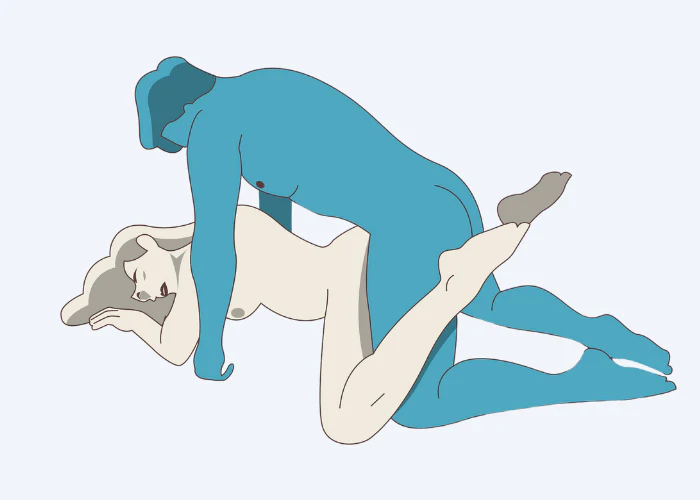
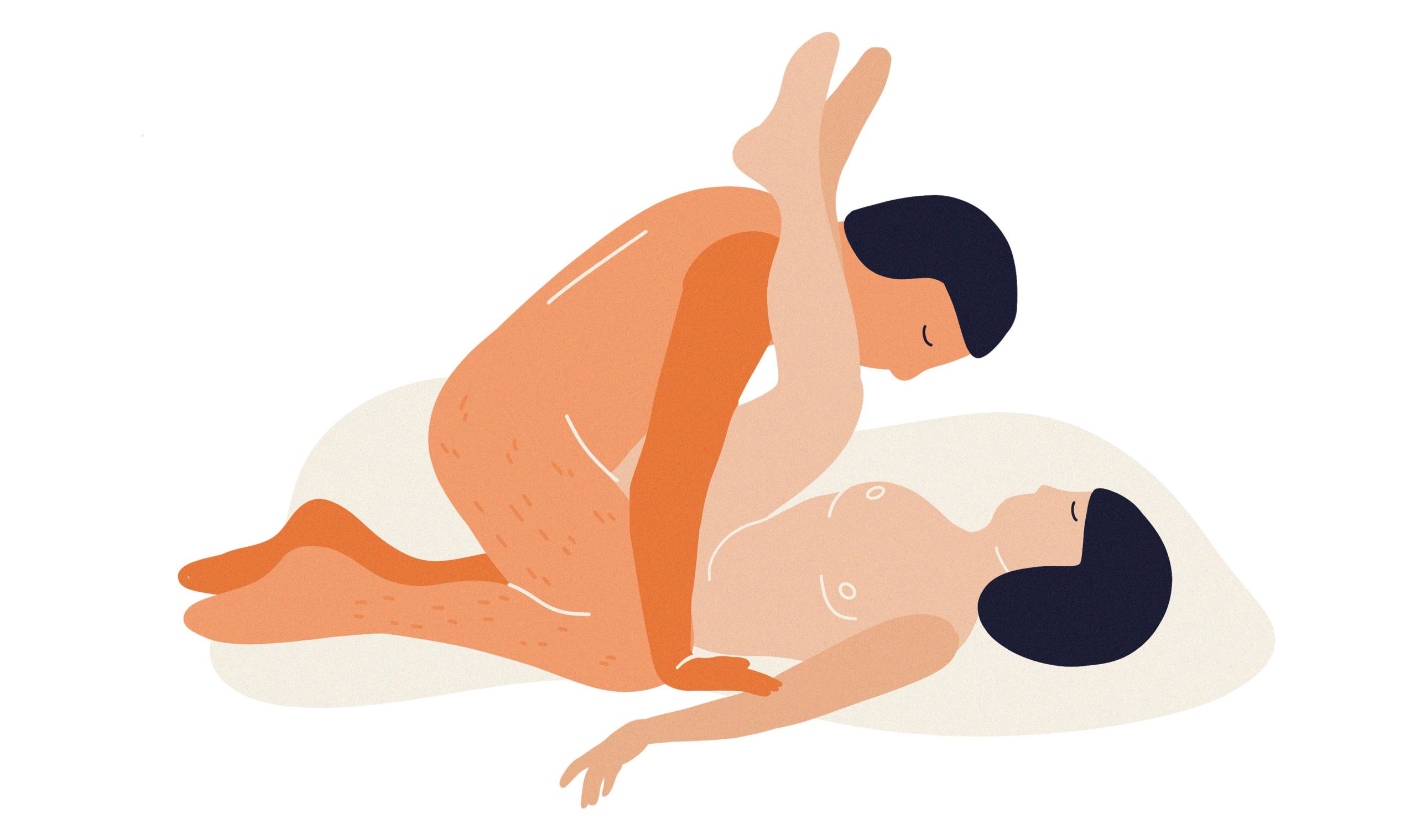
At its core, the hook is a modified missionary-adjacent penetrative position, most often performed with the receiving partner lying flat on their back. To get into the basic version, the receiver bends their knees and lifts their legs up, while the giving partner (positioned between the receiver’s legs) rests the receiver’s calves or ankles over their shoulders, “hooking” them in place. This folds the receiver’s body slightly forward, tilting their pelvis upward in a way that changes the angle of penetration entirely.
The angle shift is what makes this position so uniquely satisfying. For receivers with vulvas, the tilted pelvis brings the G-spot into direct contact with every thrust, and the deeper penetration stimulates internal nerve endings that don’t get as much attention in standard missionary. For receivers with prostates, the angle often delivers consistent, targeted P-spot stimulation that can lead to full-body orgasms. For givers, the position offers a tighter, more enveloping sensation, plus full visibility of their partner’s face and body reactions, which adds a huge erotic charge for many people.
It’s no surprise it’s a fan favorite: it’s relatively easy to get into, offers far more targeted stimulation than basic missionary, and the close face-to-face positioning makes it easy to kiss, make eye contact, or whisper to each other, adding an emotional intimacy layer that positions like doggy style don’t always offer as naturally.
Techniques to Deepen Pleasure in the Hook Position
Getting the angle right is 80% of the battle with this position, and small tweaks make a massive difference. For receivers, try tucking your pelvis slightly upward, like you’re trying to lift your lower back an inch off the bed, rather than letting it sag. This shifts the internal angle even further to line up with your G or P spot, so every thrust hits the right spot, instead of bouncing off bone or feeling uncomfortably deep. For givers, skip the fast, jackhammer thrusts most porn depicts: slow, controlled thrusts that grind at the deepest point of penetration, rather than pulling all the way out, will stimulate far more nerve endings for both partners. If you want extra support, slide a firm memory foam pillow under the receiver’s hips to keep their pelvis tilted without them having to hold the position themselves.
For receivers, you can amplify pleasure even more by mixing in extra stimulation. If you have a vulva, Kinsey Institute research shows that 70% of people with vulvas need clitoral stimulation to orgasm, so ask your partner to use a free hand to rub your clitoris, or tuck a small bullet vibrator between your bodies while you’re in position. You can also adjust your leg height to target different spots: higher legs (resting on your partner’s shoulders) will lean into deeper, more P-spot focused stimulation, while resting your legs lower on their biceps will shift contact to the G-spot. If full over-shoulder feels too much, try hooking one leg at a time first to ease into it.
Givers get plenty of perks here too: the position gives you full control over the pace and depth of thrusts, so you can adjust to what your partner is asking for without awkward balancing. You also have full access to run your hands over your partner’s chest, stomach, or thighs, and you can watch their reactions in real time to adjust what you’re doing, which is a huge turn on for most people.
Most importantly, don’t guess what feels good: talk through it. Ask questions like “faster?” “deeper?” or “does this angle work?” as you go, and don’t be afraid to pause and adjust if something feels off. The best rhythm is the one that works for both of you, not the one you saw in a video.
Optimizing Comfort and Experience
You don’t need to be able to do the splits to enjoy this position, but a little pre-game prep goes a long way to avoid cramping mid-session. For receivers, a quick 30-second hamstring stretch (sit on the floor, extend one leg, lean forward slightly from the hips) or child’s pose to loosen up your hips before you get started will make holding your legs up far more comfortable. If you start to feel a cramp coming on, don’t power through it: pause, lower your legs, shake them out, and try a modified position instead of pushing through to avoid pulling a muscle.
Lube is non-negotiable here. Planned Parenthood notes that deeper penetration angles can lead to more friction, which raises the risk of small tears or irritation, so use a generous amount of lube before you start, and keep a bottle nearby to reapply if you need to. Silicone lube works great for this position because it’s long-lasting, but if you’re using silicone sex toys, stick to water-based lube to avoid damaging the material.
Toys are a great addition here too: small bullet vibrators for clitoral stimulation, or wearable prostate massagers for people with prostates, can take the pleasure from good to unforgettable without any extra work. If you want to build to an extra intense climax, try edging: bring each other right to the edge of orgasm 2 or 3 times, pausing to slow down before you let go, to make the final climax far more powerful. If you want to sync your orgasms, communicate openly when you’re close, and adjust your pace to match each other’s rhythm.
Safety, Communication, and Consent
Like any sexual position, the hook only works if everyone is comfortable and safe. First, listen to your body: if something feels like a sharp pain, not a gentle stretch, stop immediately. Don’t overextend your legs: if your hamstrings are screaming, or your knees feel strained, lower your legs and try a modification instead of pushing through. Check in with your partner every few minutes, especially if it’s your first time trying the position, to make sure they’re still enjoying themselves.
Consent is non-negotiable, and it should happen before you even get into position. Mention that you want to try the hook position, ask if they’re interested, and talk through boundaries first: do they want to avoid deep thrusting? Do they have knee or hip issues you should know about? Set a safe word or signal beforehand, too: the traffic light system (green = keep going, yellow = slow down/adjust, red = stop immediately) works great, even if you’re too breathless to talk in full sentences. Most importantly, if your partner says they want to stop or switch positions, respect that immediately, no questions asked, no guilt-tripping. Pleasure is a shared experience, not a performance goal.
Variations and Modifications
The standard hook position is just a starting point, and there are tons of tweaks to make it work for every body type. If resting your legs all the way over your partner’s shoulders is too much of a stretch, rest them on their forearms or biceps instead, which cuts down on the required flexibility by half. You can also try the single-leg hook: rest one leg over their shoulder, and keep the other bent or stretched out on the bed, which is perfect for people with limited hip mobility.
If you want to try a different setting, use the edge of a bed or a sturdy counter: the receiver sits on the edge, leans back on their hands, and lifts their legs over the standing giver’s shoulders. This variation takes almost all the pressure off the receiver’s back and legs, since the bed supports their weight, and it’s great for people who struggle to hold their legs up for long periods.
It’s also super easy to transition to and from the hook position: you can move into it from standard missionary just by lifting the receiver’s legs up, or transition out to cowgirl or doggy style if you want to switch up the sensation mid-session without pausing the fun.
Frequently Asked Questions
Is the Hook position safe for everyone? What are the contraindications? It’s safe for most people, but if you have recent hip, knee, or back injuries, chronic pelvic pain, or are in the third trimester of pregnancy, you should talk to your doctor before trying it. Mayo Clinic advises avoiding positions that put pressure on the pregnant abdomen in late pregnancy, so the hook position is usually not recommended after 28 weeks.
My partner has limited flexibility. How can we modify it? Use the edge of the bed variation, rest legs on forearms instead of shoulders, add a pillow under the receiver’s hips, and only lift legs as high as feels comfortable. You don’t have to get the legs all the way up to get the pleasure benefits of the position.
It feels too deep or uncomfortable. What should we do? First, add more lube. Then, try reducing the depth of thrusts, remove the pillow under the receiver’s hips, or switch to the single-leg variation to reduce penetration depth. If it’s still uncomfortable, try a different angle or position entirely—there’s no prize for powering through discomfort.
What is the best type of lube to use for this position? Silicone lube is ideal for most people, since it’s long-lasting and won’t dry out mid-session. If you’re using silicone toys or latex condoms, use a high-quality water-based lube instead, as silicone lube can break down silicone toys and oil-based lubes can damage latex.
How can we make this position more intimate and connected beyond just physical sensation? Maintain eye contact as much as possible, hold hands, whisper things you love about each other, or pause to kiss regularly. The face-to-face positioning makes it easy to connect emotionally, not just physically, so lean into that instead of focusing only on the end goal of orgasm.
Further Resources & References
For more evidence-based, inclusive sexual health advice, we recommend The Guide to Getting It On by Paul Joannides, the gold standard for accessible, non-judgmental sex technique guidance for all body types and orientations.
You can also find free, trusted sexual health resources from authoritative platforms including Planned Parenthood, The Kinsey Institute, O.school, and Scarleteen.
For product recommendations, look for body-safe silicone toys from reputable brands like Dame or We-Vibe, and high-quality lube from Sliquid or K-Y. Always buy from trusted retailers to avoid counterfeit, unsafe products.
Final Takeaway
The hook position is one of the most versatile, pleasure-packed positions out there, but the secret to making it work isn’t perfect flexibility or technique—it’s adjusting it to fit your bodies, communicating openly, and prioritizing fun over performance. Don’t get discouraged if it feels awkward the first time you try it: laugh through the cramps, adjust as you go, and remember that the point is to enjoy time with your partner, not check a box on a sex position list.
If you loved this guide, be sure to check out our other pleasure-focused content for more body-safe, inclusive tips to make your sex life feel more fun and satisfying for everyone involved. And if you have a favorite hook position hack we didn’t mention, drop it in the comments below!