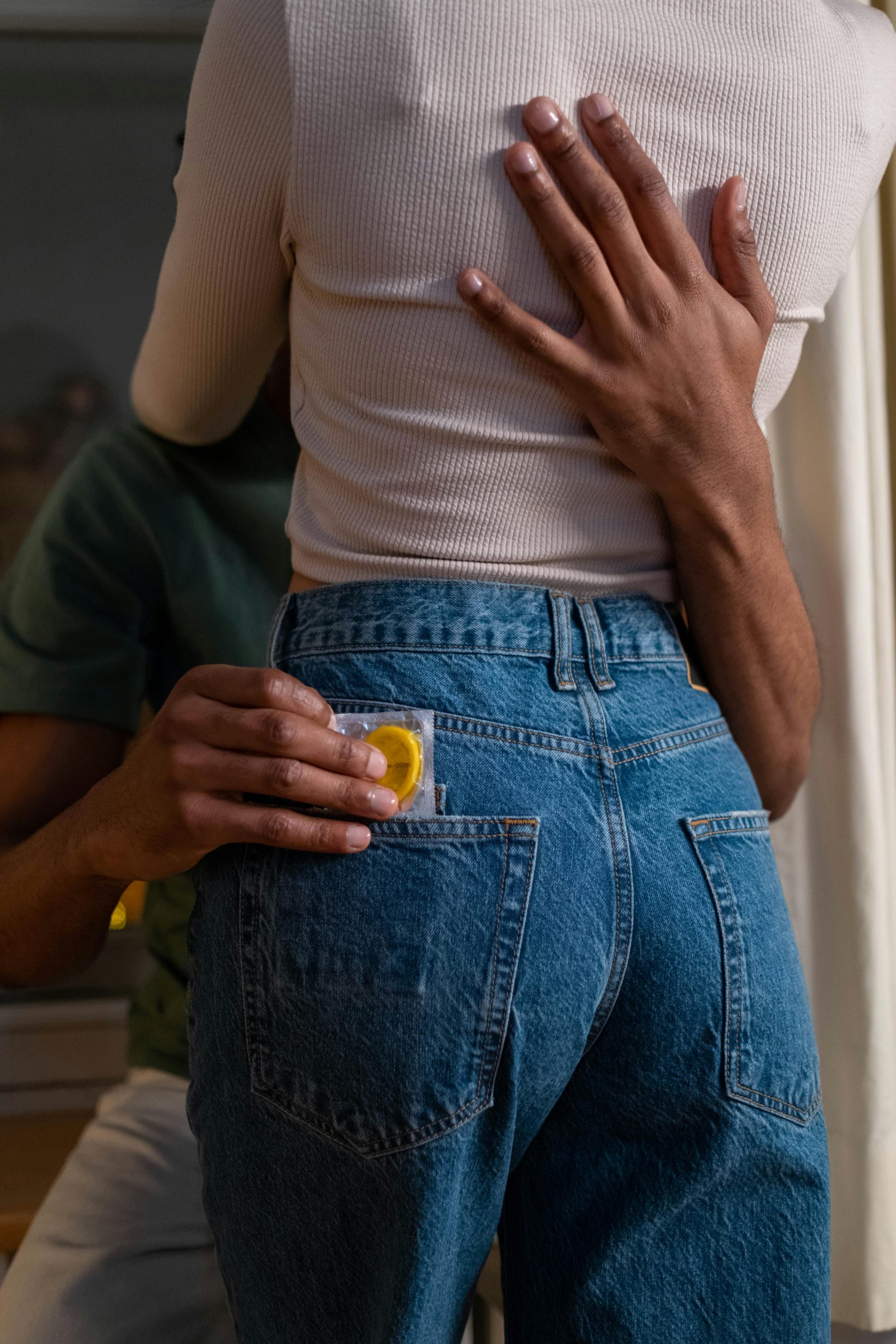
Let’s be honest—at 2 a.m., after a condom has been tied off, wrapped in three tissues, and launched toward the trash like a three-point shot, the brain can still buzz with “what-ifs.” Did every single swimmer really die in there, or could one microscopic action hero stage a jailbreak and, well, score again? In plain English: How long can sperm survive in a discarded condom, and what is the actual risk of an unplanned pregnancy? This article walks you through the science, the myths, and the practical steps so you can sleep (or do whatever) with confidence.
Sperm in a Tossed Condom: The Stopwatch Starts… Now
Inside the male reproductive tract, sperm can hang around for days. Inside a partner’s body, they may last up to five. But once semen lands in the latex party balloon you’ve just flung into the bin, the VIP lounge closes. Most studies tracking motility (the ability to swim) show a steep drop within 15–30 minutes at room temperature, with total immobility in one to four hours. Translation: the “window” is tiny, and the environment is basically a death trap compared with the warm, nutrient-rich wonderland of the female reproductive tract.
Why They Die So Fast: The Four Horsemen of Sperm Apocalypse
1. Temperature Shock
Sperm are Goldilocks cells—37 °C (98.6 °F) is juuust right. At a breezy 21 °C (70 °F) living-room temp, their motors slow, membranes stiffen, and the countdown begins. Leave the condom on a radiator or, worse, a sunny windowsill and you’ll cook them; pop it in the fridge and you’ll freeze-dry their tails. Either way, motility plummets.
2. Drying & Humidity
Semen coagulates almost immediately after ejaculation, then liquefies within 15–30 minutes. During that liquefaction, moisture starts to evaporate. Once the fluid phase is gone, sperm are stranded like whales in a drained aquarium. Even if a slick of lubricant remains, it’s rarely enough to keep them viable.
3. Oxygen Exposure
Semen is normally low-oxygen; atmospheric air is roughly 21 % oxygen. That relative “oxygen blast” generates free radicals that pummel sperm membranes. Think of it as leaving sliced apples on the counter—brown, shriveled, done.
4. Chemical Warfare
Many condoms come coated with spermicidal lube (usually nonoxynol-9). The name is literal: it pops sperm membranes like bubble wrap. Even standard silicone or water-based lubes aren’t nutritious—they’re formulated for slip, not survival.
Side note on condom material: Latex, polyurethane, and polyisoprene are all equally hostile; the difference is measured in minutes, not hours, so don’t bother hunting for “sperm-friendly” rubbers.
Real-World Pregnancy Risk: From “Technically Possible” to “Powerball Odds”
Could a pregnancy occur? Theoretically, yes—if you harvest the condom within minutes, keep the semen at body temperature, and immediately deposit a substantial volume deep inside the vagina. In practice, that scenario is so contrived it belongs in a forensic textbook, not your Saturday night. Once the condom has sat in open air, gravity has pulled fluid to the knot, and the surface has dried, the odds drop to near-zero. The CDC and Planned Parenthood both emphasize: pregnancy requires live, motile sperm to reach an egg in real time. A dried-up ring on a latex sheet doesn’t cut it.
How Condoms Work & Why “Post-Game” Matters
A condom is a simple physical barrier—no magic, just engineering. Its job ends the second it leaves the body. That’s why proper use includes:
- Withdrawing while still erect,
- Holding the base to prevent slippage,
- Tying a knot to seal ejaculate,
- Wrapping in tissue and discarding in the trash—not the toilet (sewer rats don’t need your DNA, and plumbing bills are no joke).
Once that sequence is followed, the condom is biohazard, not birth control.
Sperm Survival in Other Outside-the-Body Spots
Skin (hand, thigh, abdomen): Dries within minutes; wipe or wash and they’re toast.
Water (hot tub, bath, lake): Rapid dilution + temperature swings = seconds to minutes of viability.
Fabric (towel, underwear): Fibers wick moisture; sperm are immobilized almost instantly.
Moral: the vagina is a five-star spa; everywhere else is a cheap motel with the heat broken.
Safe Disposal & “Oops” Protocols
Step 1: Knot, wrap, trash. A small zip-lock or the wrapper from the new condom works as a mini garbage bag.
Step 2: Wash hands with soap. Not because pregnancy is likely, but because genital fluids can carry bacteria and viruses.
Step 3: If semen somehow sloshes onto external genitalia within seconds of ejaculation, consider emergency contraception (Plan B up to 72 h, Ella up to 120 h). For peace of mind, not because science says it’s mandatory.
Step 4: Track your menstrual calendar or take a home pregnancy test in 14–21 days if cycles are irregular. Stress can delay a period, so testing beats obsessing.
FAQ: The Greatest Hits of Late-Night Panic
Q: Can sperm survive overnight in the condom?
A: Only in a forensic lab with precise temp and humidity controls. In your bedroom trash can? They’re goners within hours.
Q: I brushed the outside of the used condom—am I pregnant?
A: Skin is a desert highway for sperm. Wash your hands; move on.
Q: Do spermicidal condoms guarantee instant death?
A: Pretty much. Nonoxynol-9 knocks out 99 %+ in under a minute.
Q: Best way to dispose of a condom so my dog/roommate/kid doesn’t find it?
A: Knot, wrap in a bit of tissue, bury mid-trash, take the bag out within 24 h. No flushing, no compost.
Q: Any other health risks from old condoms?
A: STI pathogens (HIV, herpes, HPV) don’t survive long outside the body, but bacteria like E. coli or strep can. Treat used condoms like dirty band-aids—seal and toss.
Key Takeaways (a.k.a. What to Remember When You’re Not Wearing Pants)
1. Inside a discarded condom, sperm lose motility fast—think minutes, not days.
2. Drying, temperature change, oxygen, and lubricants form an unbeatable kill squad.
3. Pregnancy risk is scientifically “negligible” once the condom is in the trash—provided you handle it responsibly.
4. Correct condom use (before, during, and after sex) is still your best pregnancy and STI bodyguard.
5. When in doubt, emergency contraception and medical pros exist for a reason; use them rather than losing sleep.
Where to Learn More (Without Falling Down a Reddit Rabbit Hole)
Planned Parenthood, the American College of Obstetricians and Gynecologists (ACOG), the CDC’s sexual health pages, and the Mayo Clinic all maintain up-to-date, judgment-free guides on contraception and emergency options. Pair that knowledge with consistent condom use, and you’ll keep both your peace of mind and your plumbing intact.