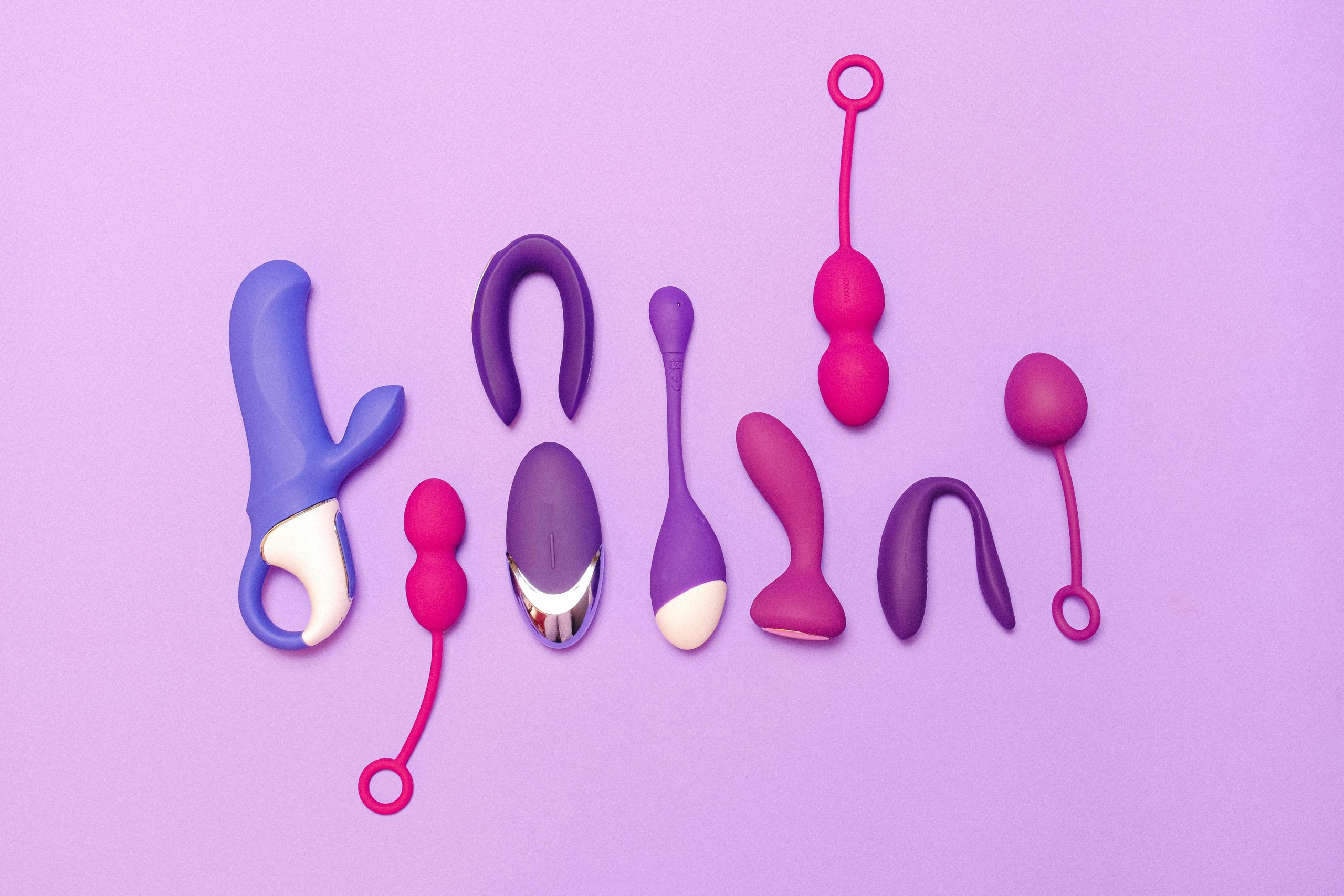
That old vibrator buried in your drawer? The silicone toy that’s seen better days? Or maybe a gadget that just doesn’t spark joy anymore? You know you shouldn’t just toss it in the trash bin – but figuring out the right way to dispose of sex toys feels confusing, maybe even a little embarrassing. What about privacy? Is it bad for the environment? Could the battery leak or cause a fire?
You’re right to be concerned. Simply throwing sex toys away poses real risks: potential privacy breaches if someone spots it, environmental harm from non-biodegradable materials and electronic waste, and safety hazards from batteries. The good news? Disposing of your sex toys safely, discreetly, and as eco-consciously as possible is absolutely achievable.
This guide cuts through the confusion. We’ll walk you through the essential pre-disposal steps, break down exactly how to handle different materials, share smart privacy-protecting tips, and point you towards legitimate recycling options. By the end, you’ll know exactly how to part ways with your personal wellness products responsibly and with total peace of mind.
Part 1: Essential Pre-Disposal Steps (Safety & Privacy First!)
Before you even think about the bin or recycling center, these crucial steps are non-negotiable for safety, privacy, and effective disposal.
- Thorough Cleaning & Disinfection:
- Why it’s vital: Hygiene is paramount. Residues can attract bacteria or pests and pose risks during handling.
- How to do it: Wash the toy meticulously with warm water and mild, unscented soap or a dedicated sex toy cleaner. Pay attention to seams and textures. Rinse completely.
- Dry Completely: Ensure the toy is 100% dry before proceeding. Moisture can lead to mold growth inside packaging or during storage before disposal.
- Remove Batteries & Power Sources:
- Crucial Safety Step: Batteries (especially lithium-ion) pose significant risks if crushed in garbage trucks or compactors, including leaks, fires, and even explosions. Removing them also makes material separation for recycling easier.
- How to do it: For toys with removable batteries, open the compartment and take them out carefully. For rechargeable toys with sealed batteries, ensure the device is fully discharged before disposal. Never attempt to pry open sealed units yourself.
- Battery Disposal: Dispose of batteries separately at designated battery recycling points (often found in supermarkets, electronics stores, or community centers). Never put loose batteries in regular trash or recycling bins.
- Privacy Protection Packaging:
- Discretion is Key: The last thing you want is your personal item being identifiable in the trash or recycling stream.
- How to do it:
- Wrap the cleaned and battery-free toy in several layers of opaque material like old newspaper or scrap paper.
- Place it inside an opaque bag (e.g., a sturdy black trash bag) or an unmarked, non-see-through container (like an old cereal box taped shut).
- Ensure the final package gives no indication of its contents. Place it within your regular household trash bag if going to landfill.
Part 2: Material-Specific Disposal Guide
The material your toy is made from dictates the best disposal route. Never assume a sex toy belongs in your curbside recycling bin unless explicitly confirmed for your specific material and location.
- Body-Safe Silicone & High-Grade Elastomers:
- The Challenge: While stable and non-toxic, pure silicone is not biodegradable and rarely accepted in municipal curbside recycling programs due to contamination risks and specialized processing needs.
- Best Option: Brand Take-Back/Recycling Programs:
- Some manufacturers are stepping up. Check the website of the toy’s brand (e.g., Womanizer, LELO, Lovehoney) for current recycling initiatives. Always verify program details and availability in your region.
- Example: Lovehoney’s Recycle Me program (UK/US) accepts certain brands of old toys for recycling.
- Alternative Options:
- Donation (Highly Selective & Controversial): Only consider gifting a thoroughly sanitized toy to a trusted, informed, and consenting partner. This is rare and requires extreme care regarding hygiene and mutual agreement. Never donate used toys to charities or second-hand stores.
- Landfill (Last Resort): If no recycling program exists and donation isn’t feasible, wrap the toy securely for privacy (as per Part 1, Step 3) and place it in your general household waste (non-recyclable trash). Ensure it’s well-contained to prevent it from becoming litter.
- Plastics (ABS, TPE, PVC, Jelly Rubber):
- The Challenge: Most sex toy plastics are complex blends, contain additives, or are classified as electronic waste if powered. They are almost never accepted in standard curbside recycling.
- Disposal Method: After thorough cleaning and battery removal, wrap the toy securely for privacy (Part 1, Step 3) and dispose of it in your general household waste (non-recyclable trash).
- Metal (Stainless Steel, Aluminum):
- The Opportunity: Pure metal toys (without electronics) are often highly recyclable!
- Disposal Method:
- Clean the toy thoroughly.
- Check with your local metal scrap yard or recycling center. Many accept clean stainless steel or aluminum items. Call ahead or check their website for accepted materials.
- If the metal toy has electronic components (e.g., a vibrating stainless steel wand), treat it as Electronic Waste (E-waste) – see Part 3.
- Glass (Borosilicate/Pyrex):
- The Opportunity: Glass is recyclable, but requires careful handling.
- Disposal Method:
- Clean the toy thoroughly.
- Wrap it securely in newspaper or bubble wrap to prevent breakage and potential injury to sanitation workers.
- Check your local curbside glass recycling rules. If accepted, place the wrapped item in the glass bin. If not, or if the glass is treated/painted, take it to a glass recycling drop-off point or dispose of it carefully in general waste (wrapped for safety and privacy).
- Wood, Stone, Ceramic:
- Disposal Method: These inert materials, once cleaned, can generally be placed in general household waste, wrapped for privacy. Ensure any finishes or sealants are non-toxic. Natural, unfinished wood might biodegrade slowly in specific composting conditions, but this is uncommon and not generally recommended for sex toys.
Part 3: Special Types & Crucial “NEVER DO THIS” Warnings
- Vibrators & Electric Toys (The E-Waste Problem):
- The Reality: Any sex toy containing a battery (removable or sealed), motor, circuit board, or charger is classified as Electronic Waste (E-Waste). These items contain hazardous materials and require specialized recycling.
- Correct Disposal Method:
- DO NOT put in regular trash or recycling bins.
- Take them to a designated E-Waste recycling facility or drop-off point. Many electronics retailers (e.g., Best Buy, Staples – check local stores), municipalities, and community centers hold e-waste collection events or have permanent drop-off locations.
- Use resources like Earth911’s Recycling Search or your local government waste management website to find e-waste drop-off points near you. This is the most environmentally responsible option.
- The “NEVER EVER DO THIS” List:
- 🚫 NEVER FLUSH IT DOWN THE TOILET! Sex toys WILL cause severe plumbing blockages. They can clog your pipes, damage sewage systems, and lead to expensive repairs and environmental contamination. Only human waste and toilet paper belong in the toilet.
- 🚫 NEVER Toss Loose into Curbside Recycling: Unless you have explicit confirmation that a specific component (like pure, clean metal or glass) is accepted by your local program, placing a sex toy (especially mixed material or electronic ones) in the recycling bin contaminates the entire load. This often results in otherwise recyclable materials being sent to landfill. When in doubt, leave it out.
- 🚫 NEVER Burn It: Incinerating sex toys, especially plastics and electronics, releases toxic fumes and pollutants (like dioxins) into the air, posing serious health and environmental hazards. It’s dangerous and illegal in most areas.
Part 4: Eco-Conscious Alternatives & Future Thinking
While disposal is sometimes inevitable, considering the entire lifecycle of your pleasure products is key to sustainability.
- Buy with the End in Mind:
- Choose Durability: Invest in high-quality toys made from long-lasting materials like platinum-cured silicone, stainless steel, or borosilicate glass. They last longer, reducing the frequency of disposal.
- Support Eco-Brands & Recycling Programs: Research brands committed to sustainability. Prioritize those offering take-back programs (like some mentioned in Part 2), using recyclable/recycled packaging, or designing for repairability. Ask brands about their disposal policies before buying.
- Consider Material: Opt for materials with better end-of-life potential, like pure metal or glass (recyclable) or high-quality silicone (potential for brand recycling).
- Repair, Don’t Replace:
- If a high-quality toy malfunctions, check the warranty first. Some manufacturers offer repairs or replacements.
- For minor issues (like a loose wire on a corded toy if you’re handy), consider if safe repair is possible. Only attempt this if you have the expertise and it doesn’t compromise safety or waterproofing. For rechargeable toys with dead batteries, specialized repair might be an option, though often costly.
- Leverage Professional Recycling Resources:
- Brand Programs: Revisit manufacturer websites for any updated recycling initiatives.
- E-Waste Facilities: As emphasized in Part 3, this is essential for anything electronic.
- Household Hazardous Waste (HHW) Facilities: While not always accepting sex toys specifically, HHW facilities are equipped to handle certain electronic components and batteries safely. Check your local HHW program guidelines.
- Search Tools: Utilize databases like:
- Earth911 Recycling Search (Enter “Electronics” or specific materials like “Metal”)
- Your local city/county government waste management website.
Conclusion: Parting Ways Responsibly
Disposing of a sex toy responsibly boils down to a clear process: Clean it meticulously. Remove all batteries. Choose the right disposal path based on its materials (prioritizing recycling programs and e-waste facilities). Package it discreetly.
By taking these steps, you achieve three important goals: You protect your privacy. You minimize environmental harm by diverting waste from landfill where possible and ensuring hazardous components are handled safely. You eliminate safety risks associated with batteries and improper disposal.
Make it a habit: Next time you’re shopping for a pleasure product, consider its entire journey. Choosing brands that prioritize sustainability and offer responsible end-of-life solutions makes future goodbyes much easier. Dispose responsibly, and enjoy with peace of mind.
FAQ: Disposing of Sex Toys Responsibly
Q: Can I recycle my silicone sex toy in my regular curbside bin?
A: Almost certainly not. Pure silicone isn’t typically processed by municipal recycling facilities due to contamination risks and specialized requirements. Always check your local program’s specifics, but assume “no” unless explicitly stated. Look for brand take-back programs instead.
Q: How do I safely remove the battery if the compartment is stuck or it’s rechargeable?
A: Do not force it. For stuck compartments, try gently wiggling or using a non-conductive tool. If it won’t budge, or if it’s a sealed rechargeable unit, do not attempt to pry it open. Your safest option is to treat the entire toy as E-Waste and take it to a designated facility where professionals can handle the battery removal safely.
Q: What’s the absolute most discreet way to get rid of a sex toy?
A: Combine the steps: Clean thoroughly, remove batteries if possible, wrap securely in opaque material (like newspaper), place inside a sealed opaque bag or container (e.g., black trash bag, taped box), and place this within your regular household trash bag on collection day. For e-waste, drop it off discreetly at a facility. Avoid small, see-through bins.
Q: Are there really stores that take back old sex toys?
A: Currently, very few physical stores accept them directly. Focus on manufacturer take-back programs (online/mail-in, like some offered by Womanizer or Lovehoney – always check current details) and designated E-Waste drop-off locations (like electronics retailers or municipal sites). Don’t expect your local adult shop to take them unless they specifically advertise a program.