Let’s talk about the elephant in the bathroom: your butt might be darker than the rest of you—and you’re not alone. Google Trends shows that searches for “how to lighten anus safely” have quietly tripled since 2018, proving that even the most intimate shade of brown is getting its moment in the spotlight. But before you start marinating your backside in lemon juice because some TikTok guru swore by it, pump the brakes. This guide is built on one non-negotiable philosophy: safety beats shade every single time. We’re here to separate the science from the silliness, map out the causes, walk you through at-home options that won’t leave you sprinting to the ER, and decode professional treatments—from lasers to prescription peels—so you can make an informed, cheeky decision without literally losing skin in the game.
1. Understanding Anal Lightening & Safety Concerns
First, why does your anus look like it’s been vacationing in the sun without SPF? The skin down there is a magnet for pigment thanks to four usual suspects:
Friction & Pressure: Thongs, bike shorts, and even your office chair create chronic rubbing—think of it as a slow-motion rug burn that convinces your melanocytes to drop extra pigment like confetti.
Hormonal Plot Twists: Pregnancy, birth-control switches, or PCOS can spike estrogen and progesterone, which in turn rev up tyrosinase, the enzyme that orders extra melanin.
Genetic Roulette: Dermatologists at the American Academy of Dermatology note that naturally higher Fitzpatrick skin types (IV–VI) carry more active melanocytes everywhere—yes, everywhere.
Post-Inflammatory Hyperpigmentation (PIH): That itchy fungal infection or razor bump you scratched two summers ago? It left a “memory” in the form of pigment.
Is lightening even safe? Short answer: it can be—if you treat the region like the delicate silk scarf it is. The anus sits at the intersection of thin epidermis and mucosal tissue, meaning it absorbs chemicals faster than your forearm and complains louder. Risks range from stinging rashes to second-degree burns and, paradoxically, darker skin once inflammation rebounds. Our guiding star: subtle lightening, not Instagram-filter levels of alabaster.
2. At-Home Anal Lightening Methods: Safety First
Topical Creams & Serums (The Only DIY We’ll Co-Sign)
Look for actives that slow tyrosinase without throwing a tantrum on sensitive skin:
- Kojic acid (fungal metabolite, 1–2%): interrupts pigment conveyor belts.
- Vitamin C (L-ascorbic acid 10–15%): antioxidant + mild tyrosinase blocker.
- Alpha arbutin (synthetic bearberry extract): releases hydroquinone in micro-doses, sparing you the drama of the raw stuff.
- Licorice extract & niacinamide: anti-inflammatory bonuses that calm while they lighten.
- Azelaic acid (15%): doubles as acne and PIH whisperer.
Shopping checklist: the label must say “intimate area,” “fragrance-free,” “hypoallergenic,” and ideally “dermatologist-tested.” Anything advertising “bleach” or “steroid” belongs in the trash, not near your tush.
Patch-Test Like Your Sex Life Depends on It
1. Dab a pea-sized amount on the upper inner thigh where skin is thin but not as embarrassing to show an ER doc.
2. Wait 48 hours. No redness, itching, or Mount Vesuvius-style breakout? Proceed.
3. Still nervous? Slather a layer of plain petroleum jelly around—not on—the anus first; it’s the equivalent of putting painter’s tape around a light socket.
Application Choreography
Cleanse with lukewarm water and a pH-balanced wash (think CeraVe, Cetaphil). Pat—don’t blow-dry—until skin is Sahara-dry. Smooth on a lentil-sized amount once nightly for two weeks, then every other night once you see plateau. Feel tingle? Cool. Feel burn? Abort mission.
Natural “Remedies” We’d Like to Cancel
Lemon juice has a pH of 2—roughly the same as stomach acid. Yogurt’s live cultures can’t survive the competitive jungle of butt bacteria. And rubbing oatmeal back there is just breakfast with extra steps. Worst-case scenario: you gift yourself a contact dermatitis rash that ends up darker than when you started. Hard pass.
Everyday Habits That Matter More Than You Think
Swap your loofah for your hand, ditch the peppermint-scented wet wipes, and choose cotton undies that don’t double as a tourniquet. A thin layer of fragrance-free moisturizer (hello, plain Vanicream) keeps the barrier intact so your lightening actives don’t storm the castle alone.
3. Professional Anal Lightening Procedures
Laser Treatments
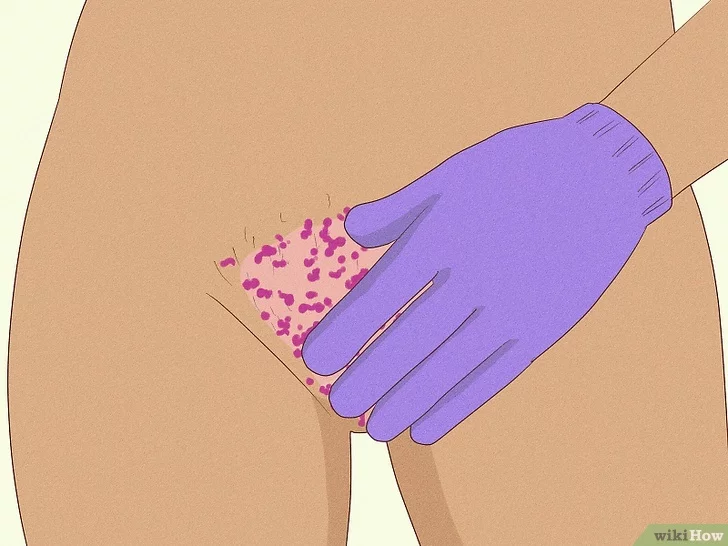
Q-switched Nd:YAG lasers fire nanosecond pulses that shatter melanin like a wine glass in a movie bar fight. Expect 4–6 sessions spaced 4 weeks apart, each lasting about ten minutes—yes, shorter than your coffee run. Post-treatment you’ll feel sunburn-level heat for a few hours; providers usually hand you a chilled surgical glove filled with water to tuck between cheeks. Cost: $300–$600 per session in most U.S. metro areas. Bonus: lasers work on every skin tone when operated by someone who understands the difference between 532 nm and 1064 nm wavelengths.
Medical-Grade Chemical Peels
Forget the “lunchtime” glycolic peels sold at mall kiosks. For the anal region, board-certified derms use 10–20% trichloroacetic acid (TCA) or 30% lactic acid, left on for 2–3 minutes max. You’ll leave the office looking like you sat on a mild sunburn, then peel like a snake for a week. Picking flakes equals hyperpigmentation tattoos—so hands off.
Prescription Topicals
Hydroquinone 4% is the Beyoncé of pigment busters—effective but high-maintenance. It can cause ochronosis (blue-black discoloration) if used longer than three consecutive months. Tretinoin 0.025% speeds cell turnover but can sting like a bee. Rule: dermatologist writes the script, you follow it like gospel, and you revisit the office every eight weeks.
Finding Your Dream Provider
Start at AAD.org’s “Find a Dermatologist” tool; filter for “cosmetic” and “ethnic skin.” During consults ask: “How many anal lightening cases have you performed?” and “What’s your post-inflammatory hyperpigmentation rate?” If they promise porcelain perfection, sprint. Reputable pros quote realistic 30–50% shade reduction.
4. Critical Safety Warnings & Risks
DIY disasters we’ve seen in urgent care: chemical burns from 40% glycolic acid ordered online, ulcerations after garlic-clove “night treatments,” and permanent hypopigmentation from steroid creams bought in Facebook groups. On the pro side, the wrong laser on darker skin can leave zebra stripes, and sloppy peel application can scar. Absolute no-gos: active herpes outbreak, open hemorrhoids, or any itchy rash you haven’t shown a doctor. When in doubt, park the bleaching dream and book the appointment.
5. Aftercare & Maintaining Results
Post-treatment, switch to a bland cleanser and white toilet paper (dyes can irritate). Wear loose pajama bottoms and skip the gym for 48 hours—friction is pigment’s clingy ex. Sun protection isn’t just for nudist beaches; UV rays sneak through swimsuit fabric. Slap a zinc-oxide diaper-rash cream around the perimeter if you’ll be in a thong at the beach. Maintenance topicals twice weekly keep new melanin from gate-crashing, and touch-up lasers once a year seal the deal.
6. Frequently Asked Questions (FAQs) on Anal Lightening
How long until I see a difference? At-home creams: 4–8 weeks. Lasers: 2–3 sessions. Peels: 1–2 weeks post-peel for initial glow.
How long does it last? Results fade without upkeep; think 6–12 months for topicals, 1–2 years for lasers.
Does it hurt? Topicals: mild tingle. Lasers: quick snap like a rubber band; numbing cream helps.
Price tag? Drugstore serum: $25–$60. Full laser series: $1,200–$3,600. Insurance calls it cosmetic and quietly exits the chat.
Permanent? Only if you also stop friction, hormones, and aging—so no.
Can I use my face cream? Only if it’s fragrance-free and you patch-test; most facial formulas are too potent.
Coverage? Unless your employer’s benefits are out of this world, you’re paying out-of-pocket.
7. Resources & Further Reading
Dive deeper with Mayo Clinic’s primer on hyperpigmentation, browse PubMed’s stash of kojic-acid studies, or listen to The Dermatology Digest podcast episode on intimate-area cosmetic procedures. Knowledge is power—and power keeps your posterior pristine.
Conclusion
Your anus doesn’t need to glow like a full moon—it just needs to feel like yours. Whether you dab on a dermatologist-approved serum or book a laser date, keep the mantra “safety over shade” on repeat. Patience, patch tests, and professional guidance turn a risqué Google search into a confident, informed choice. Ready to take the next step? Schedule a consult with a board-certified derm, and let the only thing that gets burned be outdated taboos—not your backside.