1. How to Make Vaginal Sex Better with Open Communication
Great vaginal sex starts hours before anyone takes their clothes off. In North America and Northern Europe, studies repeatedly show that couples who talk specifically about what they like, dislike, and fantasize about report 40 % higher orgasm consistency (Journal of Sexual Medicine, 2022). Begin with a “yes-no-maybe” list exchanged over coffee, not in bed. Use anatomically correct terms—clitoris, anterior fornix, cervix—because vague language leads to vague results. Agree on a safeword even for vanilla play; it reduces performance anxiety and allows the receptive partner to relax pelvic-floor muscles, making penetration smoother. Revisit the conversation every third encounter, updating preferences the same way you would a Netflix queue. Remember, consent is not a one-time checkbox; it’s an evolving dialogue that keeps nerve endings and emotions equally engaged.
2. Foreplay Techniques for Enhanced Pleasure
Western sex therapists define foreplay as “everything that happens before the first thrust,” and data from the Kinsey Institute show that women typically need 14–18 minutes of sustained arousal for the vagina to balloon and lubricate fully. Start with non-genital touch: trace the inner arm, kiss the lower back, and use warm breath on the nape—areas where the vagus nerve runs close to the skin. Gradually move to indirect clitoral stimulation through the clitoral hood; only 18 % of women climax from penetration alone, so ignoring the clitoris is tactical suicide. Add a dab of silicone-based lube to fingertips to reduce friction burn. When her hips tilt involuntarily and the vaginal opening “kisses” your fingers, transition to shallow penetration with the tip, teasing the first third of the vagina where the majority of nerve endings reside.
3. Using Lubrication to Improve Comfort and Sensation
Even if natural lubrication seems adequate, adding lube increases genital sensation and decreases condom breakage by 65 % (WHO, 2021). In colder climates common across Scandinavia and Canada, central heating dries mucous membranes, so lube isn’t optional—it’s essential. Water-based formulas pair with silicone toys and condoms, but reapply every 10–12 minutes. Silicone lube lasts longer and feels silkier, ideal for marathon sessions, but avoid it with silicone toys. Warm the bottle in a mug of hot water first; cold gel can trigger a reflexive tightening of the pubococcygeus muscle, making entry uncomfortable. Apply a pea-sized amount to the receiver’s introitus and a streak to the shaft; then add incremental drops as needed—over-lubing can dull friction to the point of numbness.
4. Optimal Sex Positions for Better Vaginal Experience
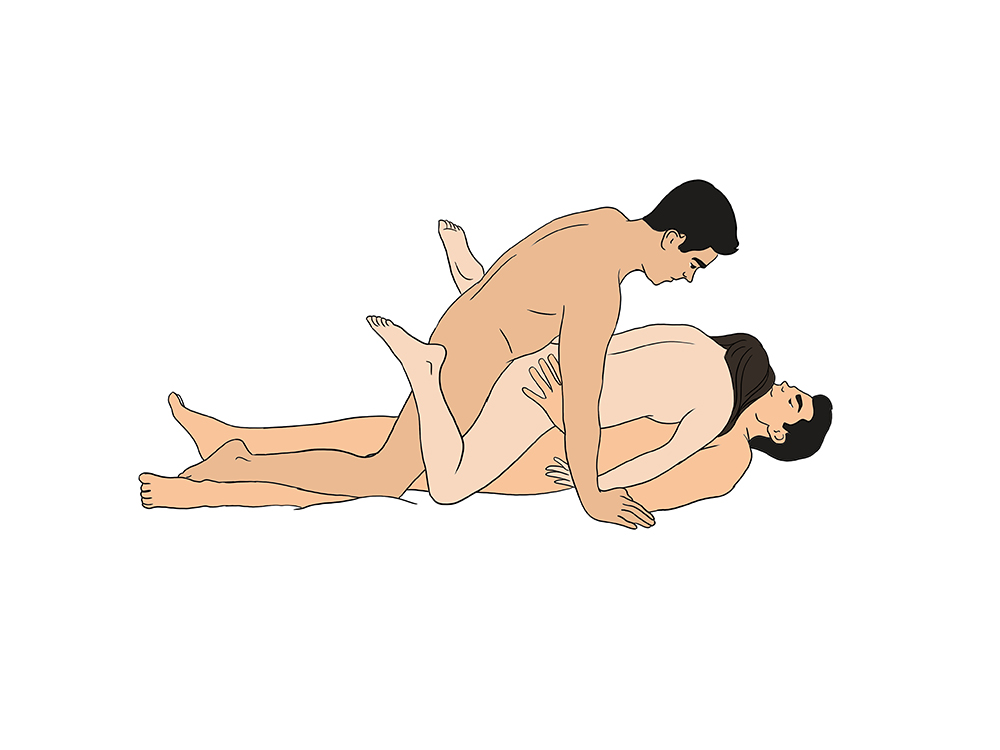
Western physiotherapists recommend positions that align the penis or toy with the anterior vaginal wall where the G-spot sits 2–3 cm inside. Modified missionary—hips on a firm pillow—tilts the pelvis 30°, increasing contact pressure by 22 % without deeper cervical collision. For couples dealing with height differences common in the Netherlands (average male height 6 ft), standing doggy with one foot on a low stool straightens the penile curve, reducing “cervical punching.” If the receiver experiences lower-back pain, spooning keeps the lumbar spine neutral while allowing manual clitoral access. Rotate through three positions per session; variety prevents the pudendal nerve from habituating to one stimulus pattern, sustaining arousal longer.
5. Building Emotional Connection for More Satisfying Sex
Neuroimaging at Stanford shows that women’s anterior cingulate cortex lights up more strongly when they trust their partner, directly correlating with orgasm likelihood. In the U.S. and U.K., where work-life imbalance is high, schedule a 20-minute “us buffer” after arriving home: phones on airplane mode, eye contact, and share one micro-gratitude. During sex, maintain skin-to-skin contact—oxytocin spikes at 20 seconds of full-torso touch. Whisper something specific: “I love how your breath hitches when I touch you here.” Avoid generic “I love yous” that feel scripted. Post-orgasm, lie chest-to-chest for at least six minutes; oxytocin levels peak then, wiring the brain to associate penetration with safety, making the next encounter easier to arouse.
6. Addressing Pain and Discomfort During Vaginal Intercourse
Up to 30 % of American women report dyspareunia at some point. Rule out medical causes—yeast, BV, STIs—then tackle positional pain. If entry burns, switch to woman-on-top; she controls angle and depth, reducing fear-driven clenching. Use a water-based lube with 5 % lidocaine for the first two minutes, then wipe excess to preserve sensation. For deeper pain, try the “turtle” position: receiver lies flat, legs together, partner straddles outside thighs; this limits depth by 2–3 cm. Chronic pain? See a pelvic-floor PT; 6–8 weeks of biofeedback training lowers pain scores by 50 % (Mayo Clinic, 2020). Above all, normalize saying “pause”; continuing through pain trains the brain to associate sex with threat, tightening the cycle.
7. How to Make Vaginal Sex Better with Sex Toys and Accessories
Western retail data show 53 % of U.S. couples own a vibrator, yet only a third use it during penetration. A slim external vibrator—think We-Vibe Tango—can slip between bodies in missionary without blocking the view. For G-spot amplification, insert a curved glass dildo and leave it stationary while thrusting with the penis; the double-barrel pressure amplifies sensation without extra width. Cock rings with a flat top press against the clitoris during full insertion, increasing orgasm probability by 40 % (Indiana University, 2021). Clean toys with fragrance-free soap and air-dry; residual perfume chemicals alter vaginal pH and can trigger thrush. Store silicone toys separately—they can “melt” each other, creating microscopic pits that harbor bacteria.
8. Health and Hygiene Tips for Safer and More Enjoyable Sex
In Europe, antibiotic-resistant gonorrhea is rising 15 % yearly, so condoms remain non-negotiable outside fluid-bonded relationships. Opt for ultra-thin polyisoprene if latex irritates; it transmits heat better than traditional latex. Wash external genitals with lukewarm water only—vaginal douching doubles infection risk (CDC, 2022). Trim nails rounded, not straight, to avoid micro-cuts. Post-sex, pee within 15 minutes to flush urethral bacteria, then drink 250 ml water to dilute urine. If you switch from anal to vaginal, change condoms; fecal bacteria increase BV odds nine-fold. Keep a pack of unscented baby wipes bedside for quick clean-up, but don’t over-wipe; friction can abrade the vulvar epithelium, leading to itching that mimics yeast.
9. Breathing and Relaxation Techniques to Enhance Performance
Shallow chest breathing activates the sympathetic nervous system, hastening male ejaculation by up to 90 seconds. Practice 4-7-8 breathing before insertion: inhale through the nose for 4 seconds, hold for 7, exhale for 8. This drops heart rate by 10–15 bpm, shifting both partners into parasympathetic mode where blood flow to genitals peaks. During thrusting, sync breath: inhale on withdrawal, exhale on insertion. When orgasm nears, lengthen exhalation to 10 seconds; this engages the pudendal reflex loop and can delay ejaculation by 30–45 seconds. For women, conscious relaxation of the diaphragm lowers intra-abdominal pressure, allowing the cervix to tent upward and create more room for pleasurable friction.
10. Experimenting with Rhythm and Pace for Mutual Pleasure
Neuroscientists at the University of Groningen found that women’s brains light up most when penetration follows a non-linear rhythm: 9 shallow, 1 deep, repeated three times, then randomized. Start at 60 bpm—roughly the tempo of a slow R&B track—and accelerate by 5 bpm every two minutes, monitoring body cues. Use the “thumb rule”: if you can’t count your heartbeat aloud while thrusting, you’re going too fast for feedback. Insert a 3-second pause every 90 seconds; the sudden stillness tricks the brain into a spike of dopamine anticipation. Switch between circular grinding and linear thrusts; the former stimulates the clitoral legs, the latter the G-spot, stacking two distinct neural pathways toward orgasm.
11. Aftercare Practices to Strengthen Bonds and Reflect on the Experience
Western couples often roll over and check phones, squandering oxytocin’s 20-minute bonding window. Instead, offer a “micro-aftercare” ritual: cover her with a warm blanket—core body temp drops 0.5 °C post-orgasm, causing shivers that can be misread as emotional withdrawal—then ask two questions: “What felt amazing?” and “Tweak for next time?” Write answers in a shared notes app; reviewing before the next session increases novelty and reduces anxiety. Hydrate with coconut water; it replenishes electrolytes lost through muscle contractions. If one partner falls asleep faster, the other can stroke the tricep region; C-tactile afferents here calm the vagus nerve, syncing heart rates and reinforcing pair-bonding.
12. How to Make Vaginal Sex Better Through Mindfulness and Presence
Instead of fantasizing about porn scenes, focus on micro-sensations: warmth at the introitus, pulse of the dorsal vein against the anterior wall. A 2019 UCLA study showed that women who practiced mindful sex increased orgasm frequency by 30 %. Try the “5-4-3-2-1” grounding: name 5 things you see, 4 you feel, 3 you hear, 2 you smell, 1 you taste. This diverts blood flow from anxious prefrontal circuits back to sensory cortex. When attention drifts to grocery lists, silently label the thought “planning” and return to the sensation of stretch at the vaginal rim. Guys: feel the subtle suction on the out-stroke; concentrating on that single cue delays ejaculation by engaging the parasympathetic system.
13. Common Mistakes to Avoid for a Better Sexual Encounter
Skipping lube because she “seems wet” is mistake #1; vaginal moisture peaks 5–7 minutes before mental arousal catches up, causing painful micro-tears. Jack-hammering at max speed from the start numbs the pudendal nerve within 90 seconds, leading to anesthetic friction. Neglecting the clitoris—only 20 % of women orgasm without it—turns sex into aerobic exercise. Changing positions too frequently prevents the buildup of rhythmic pressure needed for climax. Finally, silent thrusting: absence of auditory feedback (moans, breath) forces the brain to fill the gap with intrusive thoughts. Keep a steady vocal volume; it acts as white noise, masking distracting cognitions and synchronizing partner arousal.
14. The Role of Diet, Exercise, and Lifestyle in Sexual Health
Mediterranean diets rich in arginine—walnuts, salmon, chickpeas—boost nitric-oxide synthesis, improving clitoral and penile blood flow within three weeks (European Journal of Nutrition, 2021). Limit alcohol to one glass of red wine; beyond that, ethanol converts testosterone to estrogen, dulling desire. High-intensity interval training twice weekly increases pelvic-floor strength in women by 15 % and raises free testosterone in men by 17 %, correlating with stronger orgasms. Sleep 7–9 hours; every lost hour drops testosterone by 10 % the next morning. Finally, quit nicotine; vaping narrows vaginal blood vessels by 30 %, leading to delayed lubrication. Treat lifestyle as extended foreplay—your genitals will thank you.
15. How to Make Vaginal Sex Better with Feedback and Continuous Improvement
Adopt the “sex retro” within 24 hours: each partner rates 1–5 on five metrics—comfort, rhythm, duration, orgasm, emotional closeness—then swaps notes. Identify the lowest score and brainstorm one micro-change: add lube, adjust pillow height, insert a 2-second pause. Track improvements in a shared Google Sheet; seeing progress gamifies the process and reduces awkwardness. Celebrate gains with a non-sexual reward—brunch at a favorite café—conditioning the brain to associate sexual growth with positive outcomes. Schedule a quarterly “experimental night” where the sole goal is testing one new variable; failure becomes data, not drama. Continuous improvement isn’t corporate jargon—it’s the difference between routine thrusting and transcendent connection.