Quick clarity check first: when we talk about “shaving your vagina” in common language, we’re almost always referring to the external vulvar area (the mons pubis, labia, and bikini line). The internal vaginal canal is never something you should shave, full stop. Got that out of the way? Great. If you’ve ever left the shower feeling like you nailed a perfect smooth shave, only to wake up the next day with a bikini line that looks like a bumpy strawberry, you’re not alone. Personal grooming is 100% a choice—there’s no right or wrong amount of hair to have down there—but if you do opt to shave, safety is non-negotiable. The skin around your vulva is up to 3 times thinner than the skin on your legs, per Mayo Clinic, so one misstep can lead to days of itching, burning, or even infection. This guide is packed with derm-backed, no-BS tips to get the smooth skin you want without the painful side effects.
Preparation is Key: Getting Ready to Shave Safely
Half the battle of a safe, irritation-free shave happens before you even pick up a razor. First, timing: always shave at the end of your shower or bath, not the start. The American Academy of Dermatology (AAD) notes that 5 to 10 minutes of warm water and steam softens pubic hair by 30%, making it far easier to cut without pulling, and softens the skin to reduce nicks.
Next, gently cleanse the area with a mild, fragrance-free, pH-balanced cleanser. Skip scented body washes and bubble baths here—they disrupt the delicate microbiome of the vulva, leading to irritation even before you start shaving. If your hair is longer than a quarter inch (about the length of a grain of rice), trim it first with a clean electric trimmer or small, sharp scissors. Long hair clogs razor blades instantly, leading to tugging, missed spots, and more friction. Finally, set up your space: use a well-lit area (a suction cup mirror on your shower wall works perfectly so you don’t have to hunch over like you’re searching for a lost earring) and lay out all your tools ahead of time to avoid slipping around the shower mid-shave to grab something you forgot.
Choosing the Right Tools: Razors, Creams, and More
Using the wrong tools is the #1 cause of bad shave experiences, so let’s break this down. First, your razor: opt for a sharp, clean razor with 2 to 3 blades and a moisturizing aloe or shea butter strip. Dull razors cause 70% of razor burn cases, per Healthline, so replace your blade or disposable razor every 5 to 7 shaves, or as soon as you feel it tugging on hair.
Next, your shaving cream or gel: pick a fragrance-free, hypoallergenic, moisturizing formula made for sensitive skin. Skip regular bar soap or body wash as a substitute—they’re drying, strip your skin’s natural protective barrier, and don’t provide enough slip for the razor to glide, which is like trying to ice skate on a sidewalk. A few helpful extra tools: a handheld mirror to see tricky spots, and a separate, soft clean towel you only use for drying your intimate area to avoid spreading bacteria from other parts of your body.
The Safe Shaving Technique: Step-by-Step Guide
Once you’re prepped and have your tools ready, follow these steps to avoid nicks and irritation: First, slather on a thick, even layer of shaving cream—you shouldn’t be able to see the skin under it. If it soaks in before you finish shaving, reapply, don’t try to power through.
The golden rule for beginners (and anyone prone to irritation) is to shave with the direction of hair growth first, not against it. Shaving against the grain gives a closer shave, but it also pushes hair under the surface of the skin, leading to 60% more ingrown hairs and razor burn, per AAD data. If you want an extra-close shave after your first pass, you can do one very light against-the-grain pass, but no more than that.
Use short, light strokes, and don’t press down on the razor! The weight of the razor should do all the work—pressing pushes hair under the skin and causes micro-tears. Gently stretch the skin flat with your free hand to create a smooth surface, but don’t pull it too tight, which can lead to nicks. For the sensitive labia and bikini line folds, go extra slow with even shorter strokes, and feel free to skip shaving the labia entirely if you’re nervous—no rule says you have to shave every spot. Rinse your razor under warm water every 2 to 3 strokes to clear out trapped hair and cream, which keeps the blades sharp and reduces friction.
Post-Shave Care: Essential for Smooth & Healthy Skin
What you do after shaving matters just as much as the shave itself. First, rinse the area with cool or lukewarm (not hot) water to soothe freshly opened pores and wash away any leftover shaving cream. Dry the area by patting gently with your clean soft towel—never rub, which is like dragging a rough cloth over raw skin and will instantly cause redness.
Follow up with a fragrance-free, alcohol-free moisturizer: pure aloe vera gel works great, as does a post-shave balm formulated specifically for intimate areas. Skip scented lotions, body butters with essential oils, or products with alcohol—they’ll burn and irritate freshly shaved skin. For the next 24 hours, wear loose, breathable cotton underwear and avoid tight yoga pants, leggings, or synthetic fabrics that trap sweat and friction. It’s also best to skip workouts, swimming, and sex during that window to avoid extra irritation or bacteria getting into open pores.
Preventing and Managing Common Problems (Razor Burn, Bumps, Ingrown Hairs)
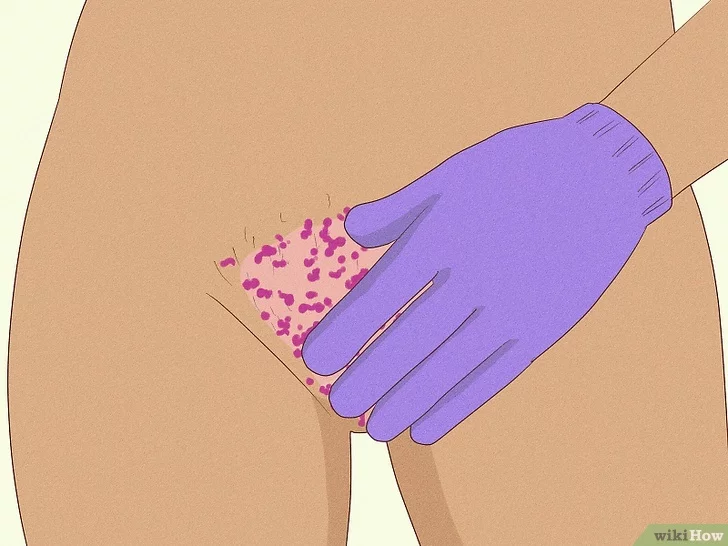
Even with the best technique, you might run into occasional irritation, so let’s cover how to handle it. Razor burn is red, itchy, and tender, caused by friction from the razor. Ingrown hairs are small, firm bumps that happen when hair grows back into the skin instead of out, and they can get infected if you pick at them. First, prevention: exfoliate the area 2 to 3 times a week with a gentle chemical exfoliant (like lactic acid) to remove dead skin that traps hair. Skip harsh physical scrubs with walnut shells or plastic beads—they cause micro-tears in the sensitive skin, per NHS guidance. Exfoliate 1 to 2 days before shaving, not right before or right after, when skin is extra sensitive.
If you do get razor burn, apply a 1% over-the-counter hydrocortisone cream for 1 to 2 days to reduce redness and itching. For ingrown hairs, hold a warm compress to the area for 10 minutes 2 to 3 times a day to help the hair surface. If it’s close to the top, you can gently lift it with a sterile tweezers, but never dig into the skin or pick at it—this causes scarring and infection. If you notice pus-filled bumps, pain, swelling, or a fever, that’s a sign of infection, and you should see a provider right away.
Expert Tips for Long-Term Smoothness and Comfort
Every person’s hair growth and skin sensitivity is different, so there’s no one-size-fits-all routine, but these tips will help you find what works for you. First, figure out your ideal frequency: some people shave every 2 to 3 days, others once a week, and that’s totally fine. Don’t push yourself to shave more often than your skin can handle—if you get irritation after every shave, take a 1 to 2 week break to let your skin heal.
Adjust your routine for different areas: the mons pubis has thicker skin, so you can get away with an against-the-grain pass if you want extra smoothness, while the labia is far more sensitive, so stick to with-the-grain strokes or just trimming instead. Also, note that your skin is extra sensitive the week before and during your period, so shaving then is more likely to cause irritation—if you can, schedule shaves for the week after your period ends for the most comfortable experience. If shaving just isn’t working for you, consider other options: trimming is low-risk and zero-irritation, waxing lasts 3 to 4 weeks but can be painful, depilatory creams work if you test a small patch first to make sure you don’t have a reaction, and laser hair removal offers permanent reduction but is pricey and works best for dark hair on light skin.
Important Safety Warnings and When to Consult a Professional
There are a few hard no’s when it comes to shaving your vulvar area: never use a dull razor, never dry shave (this causes more nicks and irritation than any other mistake), and never share a razor with anyone else—this can spread staph bacteria, herpes, and other infections. Also, skip shaving entirely if you have active cuts, rashes, folliculitis, or STI outbreaks like herpes—shaving over these areas will spread the infection and make symptoms far worse.
Pay attention to red flags that mean you need to see a dermatologist or gynecologist: irritation that lasts more than 3 days, painful cysts, pus-filled bumps that don’t go away with home treatment, or unusual discharge after shaving. These can be signs of a more serious infection that needs prescription treatment.
Frequently Asked Questions
Is it safer to shave with or against the grain? Shaving with the grain is always safer, especially for beginners or people with sensitive skin, as it reduces irritation and ingrown hairs by 60% per AAD data. You can do one light against-the-grain pass for extra closeness only if your skin tolerates it well.
How can I get a closer shave without irritation? Make sure your hair is softened with 5 to 10 minutes of warm water first, use a brand new sharp razor, apply plenty of moisturizing shaving cream, do one with-the-grain pass followed by one very light against-the-grain pass, exfoliate regularly, and moisturize immediately after shaving.
What is the best way to exfoliate before or after shaving? Exfoliate 1 to 2 days before shaving with a gentle lactic acid chemical exfoliant. Don’t exfoliate right before or right after shaving, as your skin is too raw and you’ll cause irritation. You can exfoliate again 2 days after shaving to prevent ingrown hairs.
Can I use the same razor I use for my legs? Technically you can, but it’s not ideal, as razors pick up bacteria from other parts of your body that can cause infection on your sensitive vulvar skin. If you do use the same razor, disinfect it thoroughly with rubbing alcohol before using it on your intimate area.
How long should I wait after shaving before having sex or going swimming? Wait at least 24 hours. Freshly shaved skin has open pores that are more prone to irritation from friction, or infection from chlorine in pools or bacteria in natural bodies of water.
Are there any products I should never use on my shaved skin? Absolutely avoid scented lotions, alcohol-based products, essential oils, harsh physical scrubs, depilatory creams not formulated for intimate/bikini use, and antibacterial soaps. All of these will irritate your skin and disrupt your vulva’s natural pH balance.
Conclusion
At the end of the day, a safe, irritation-free shave comes down to four core steps: proper preparation, using the right tools, following a gentle technique, and taking care of your skin afterward. Remember that perfect, totally smooth skin is never worth days of pain, itching, or infection—if shaving doesn’t work for your skin, that’s completely okay, there are tons of other grooming options that might be a better fit. Grooming is a personal choice, so take the time to test what works for you, listen to your body, and build a routine that makes you feel comfortable and confident.
References & Further Reading
- American Academy of Dermatology: How to Shave Properly to Avoid Irritation
- Mayo Clinic: Vaginal Health 101
- Healthline: How to Prevent and Treat Razor Burn
- NHS: How to Treat Ingrown Hairs
Disclaimer: This article is for informational purposes only and is not a substitute for professional medical advice, diagnosis, or treatment. Always seek the advice of your physician or other qualified health provider with any questions you may have regarding a medical condition or personal health concerns.