I. Empowerment Through Knowledge and Self-Care
Let’s be honest—typing “How to Take Clear and Confident Photos of Your Vagina” into a search bar can feel like you’re about to star in a spy thriller titled Operation Vulva. But here’s the twist: the only mission is looking after yourself. Whether you’re tracking a weird bump, sending visuals to a telehealth doc, or simply learning what “normal-for-you” looks like, snapping a few clinical pics is the ultimate act of body literacy. This guide is your witty, no-blush companion for doing it safely, privately, and with zero shame. (Disclaimer: for adults only, and strictly for health purposes—no OnlyFans cameos here.)
II. Purpose and Context: Why and When These Photos Are Useful
Think of vulvar photos like timestamped selfies for your health file:
- Medical Consultations: A Mayo Clinic survey found 48 % of telehealth visits benefit from patient-supplied images, cutting follow-up visits by a third. A clear shot can save you a second co-pay.
- Health Monitoring: Melanomas in the genital area are rare but deadly when missed. A quarterly “skin check” photo roll lets you spot the ABCDEs—asymmetry, border, color, diameter, evolution—long before Dr. Google panics you.
- Self-Knowledge: The Labia Library reports 65 % of women have never looked down there with a mirror. Photos turn guesswork into data, boosting body confidence.
This guide is NOT for non-consensual sharing, porn shoots, or Instagram’s #VulvaVibes (which, thankfully, doesn’t exist).
III. Preparation: Privacy, Security, and Setting the Scene
Before you hit the camera button, channel your inner secret agent:
- Privacy: Lock the door, silence Alexa, and pick a time when roommates are walking the dog—unless you want an awkward “What’s for dinner?” mid-shoot.
- Digital Security: Disable iCloud/Google Photos backup for these shots. Store them in an encrypted folder (iPhone Files → “On My iPhone,” Android → Secure Folder). Password-protect your device; 53 % of phone thefts end in data leaks, per a 2022 UK Ofcom report.
- Transmission: Only upload through HIPAA-compliant portals like MyChart or NHS app messaging. Regular email is about as secure as a postcard.
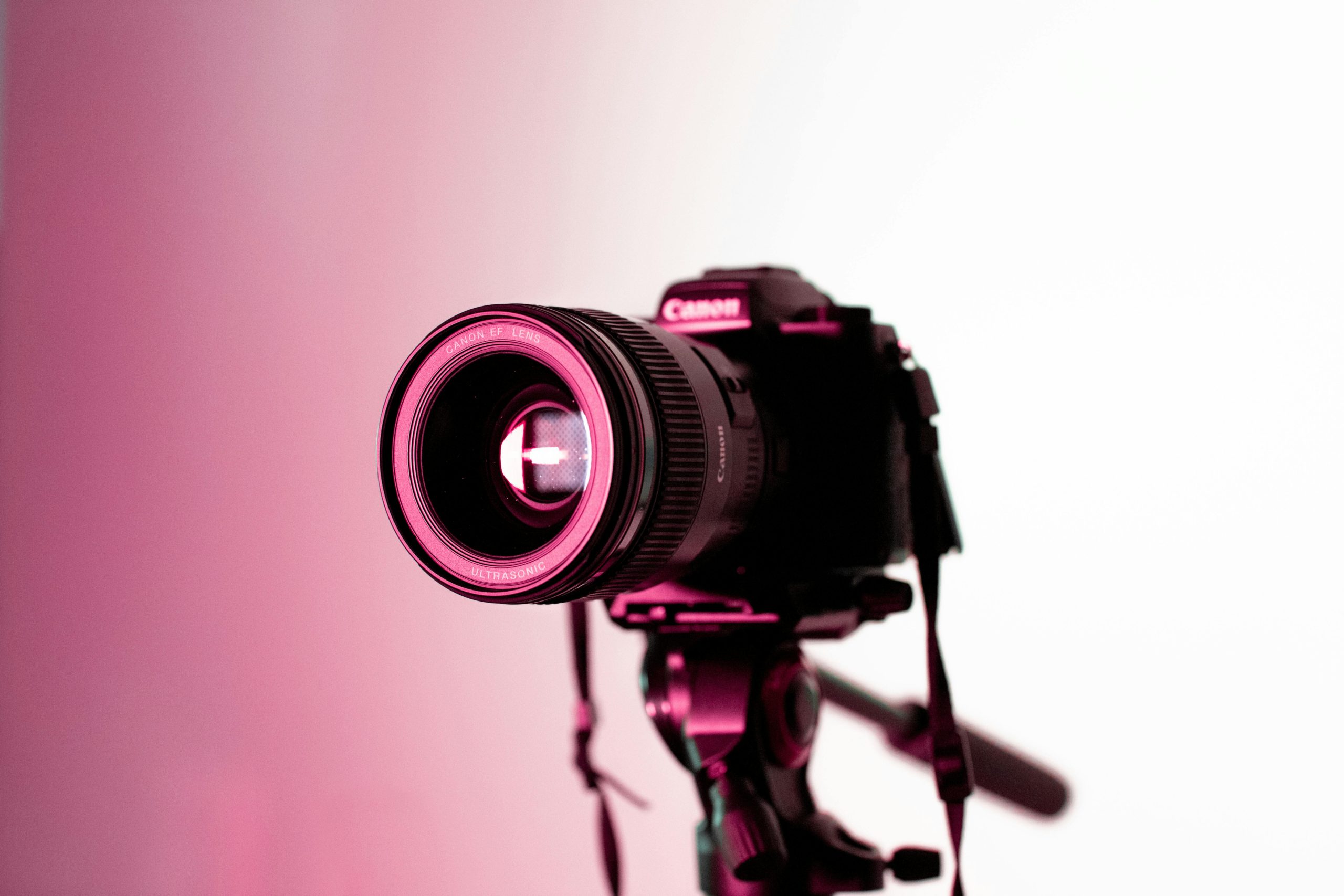
- Equipment: Your phone is fine—set it to 4K or highest resolution, HDR off (it over-softens skin detail). A cheap $10 phone tripod beats shaky pinky-finger yoga.
- Physical Prep: A quick rinse with warm water removes lint and menstrual debris. Skip glittery body wash; residue can mimic discharge on camera.
IV. Techniques for Taking Clear, Useful Photographs
Lighting > ring-light obsession. Indirect daylight from a north-facing window evens out shadows without the interrogation-lamp vibe. If the sun’s on strike, a $20 LED desk lamp on the lowest cool-white setting works. Position it 45° to your thigh—think Vogue, not mugshot.
Focus like a pro:
- Tap the screen directly on the area of concern; yellow box = locked focus.
- Hold the phone 6–8 inches away—close enough for detail, far enough to avoid fish-eye distortion.
- Use “macro” mode (iPhone 13+ Auto-Macro, Samsung “Focus Enhancer”) for super-close bumps.
Angles? Channel a dermatology atlas: front view, side profile, and mirror-assisted “perineum peek.” Keep at least 1 cm of surrounding skin in frame so clinicians gauge scale—like including a quarter in a coin-collector photo, only less monetary.
Stability hack: Sit on the bed edge, feet on floor, phone propped against a stack of Cosmo mags—steady and appropriately literary.
V. Building Confidence and Comfort During the Process
Feeling squeamish? Remember: doctors photograph worse things before coffee. Reframe the task as “collecting evidence for my favorite client—me.” Queue a Lizzo track, inhale 4-7-8, and snap between breaths. If anxiety spikes, pause, sip water, resume. Perfection is irrelevant; utility is queen. Your vulva is as unique as your fingerprint—no filter needed.
VI. Understanding Vulvar Anatomy: What’s Normal?
Quick refresher: outer lips = labia majora (hair-bearing), inner lips = labia minora (can be smooth or frilly), clitoral hood at the top, urethra just below, vaginal opening lower still, and perineum finishing the real-estate tour. Color palette? Pink, mahogany, burgundy, latte—all normal. Symmetry is optional: ACOG notes 50 % of women have visible size differences between left and right labia. Your baseline photo is the “before” snapshot; future changes are the storyboard.
VII. For Medical Concerns: What to Look For and Document
Red-flag gallery: new ulcers, rapidly growing bumps, violaceous discoloration, or scaly white patches that won’t moisturize away. Snap two versions—wide shot for location, close-up for texture. Jot notes in your phone: “3 mm raised red papule, right labia minora, itchy after sweating, noticed 5 days ago.” Think of it as writing the Instagram caption nobody wants, but your gyno needs.
VIII. Communicating Effectively with Your Healthcare Provider
Upload via the clinic’s secure portal; include your full name, DOB, date stamp, and a 1-sentence chief complaint: “Concerned about dark mole on left labia majora, size doubled in 3 months.” HIPAA requires providers to acknowledge receipt within 48 hours. If they ask for higher resolution, they’ll say so—no need to spam 27 shots.
IX. Important Considerations, Alternatives, and Warnings
Revenge-porn laws in 48 U.S. states and most EU countries criminalize sharing intimate images without consent—penalties range from fines to six-figure damages. Even sharing with a partner carries risk: 1 in 10 ex-partners admit to leaking nudes, per a 2020 Guardian report. If you’re uneasy, skip DIY—request an in-office photograph or use a labeled anatomical diagram during your visit. And if you have acute pain, fever, or rapidly spreading sores, forget photos and head straight to urgent care.
X. Frequently Asked Questions (FAQ)
Q: Is it weird or wrong to do this?
A: Not unless checking your teeth with a selfie is weird. It’s healthcare, not scandal.
Q: What if my photos aren’t perfectly clear?
A> 70 % usable clarity beats 0 % perfect absence. Your provider will request retakes if needed.
Q: Can I use these for a gynecologist appointment?
A: Absolutely—Healthline lists patient-supplied images as standard pre-visit material since 2021.
Q: How long should I keep them?
A: Until the issue resolves or your doc says so, then delete from both device and “Recently Deleted” folder.
Q: What if I notice something concerning in the photo?
A: Upload it to the patient portal and request review; most clinics triage within 24 hours.
XI. Resources and Further Reading
- ACOG – vulvar skin conditions FAQ
- NHS – guide on body-safe photography
- Mayo Clinic – telehealth best practices
- The Vulva Gallery – body-positive anatomy illustrations
- EFF – smartphone privacy basics
XII. Conclusion: Taking Control of Your Health with Confidence
Mastering “How to Take Clear and Confident Photos of Your Vagina” isn’t about becoming Annie Leibovitz in lace—it’s about owning your health narrative. Lock down privacy, light the scene like a cozy brunch spot, and shoot with the clinical detachment of a medical resident. Store securely, share wisely, and delete responsibly. When you can document change faster than you can say “telehealth,” you’ve turned awkward into empowered—and that’s the best snapshot of all.