Why Take Sex Less Seriously?
Picture this: you’re both naked, the Spotify “Sexy Time” playlist is humming, someone’s knee slips off the mattress with the grace of a baby giraffe on ice, and you burst out laughing mid-thrust. Awkward? Only if you let it be. Most couples who survive the knee-slip actually report feeling closer afterward—because nothing dissolves performance pressure faster than a shared giggle. Humor in the Bedroom: Funny Sex Acts and Their Meaning isn’t about turning your love life into a stand-up routine; it’s about weaponizing laughter to bulldoze anxiety, deepen trust, and remind you both that sex is, at its core, grown-up playtime. When you stop treating orgasms like final exams, you free up mental bandwidth for creativity, curiosity, and the kind of emotional glue that keeps partners synced long after the sweat dries.
The Purpose and Value of Humor in the Bedroom
Reducing Sexual Pressure and Performance Anxiety. The brain’s “threat” radar (hello, amygdala) can’t tell the difference between a saber-toothed tiger and the fear that you won’t last long enough. Laughter floods the body with dopamine and oxytocin, neurochemicals that tell the amygdala to chill. Result: blood flows back to the genitals instead of the survival circuits, making arousal easier for every gender.
Enhancing Intimacy and Emotional Connection. According to a 2022 study in The Journal of Sex Research, couples who reported “frequent shared laughter during sex” also scored 23 % higher on emotional closeness scales. Laughing together literally synchronizes heart-rate variability—a fancy way of saying your bodies start vibing like two phones on the same Wi-Fi.
Breaking Routine and Adding Playful Spice. Novelty is the clitoris of long-term relationships: ignore it and everything goes numb. Introducing a ridiculous pirate accent or a “Naked Olympics” pillow-ring toss re-categorizes the bedroom as a playground instead of a stage for the same three moves.
Gracefully Navigating Awkward Moments. Queefs, lost condoms, and ill-timed pet interruptions happen. A quick joke—“Guess the dog wants a threesome again”—signals you’re both on the same team against embarrassment, rather than two critics reviewing each other’s bloopers.
Examples and Descriptions of Funny Sex Acts (The “What”)
Humorous Role-Playing and Improvised Scenarios. Ever tried “incompetent plumber who fixes nothing”? One partner shows up with a plastic wrench, spends five minutes pretending to bang pipes under the bed, then charges “payment” in oral favors. The absurdity melts self-consciousness and invites improvisation.
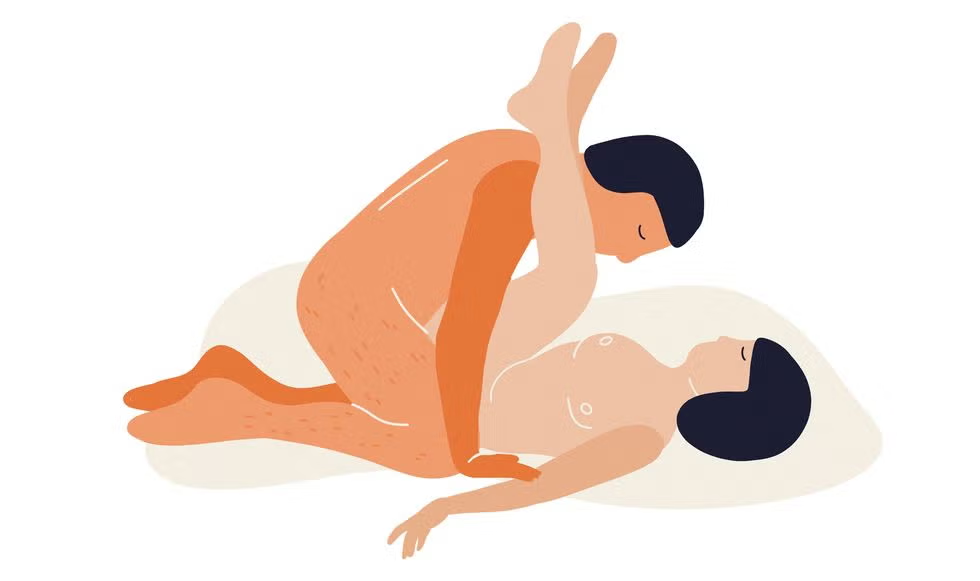
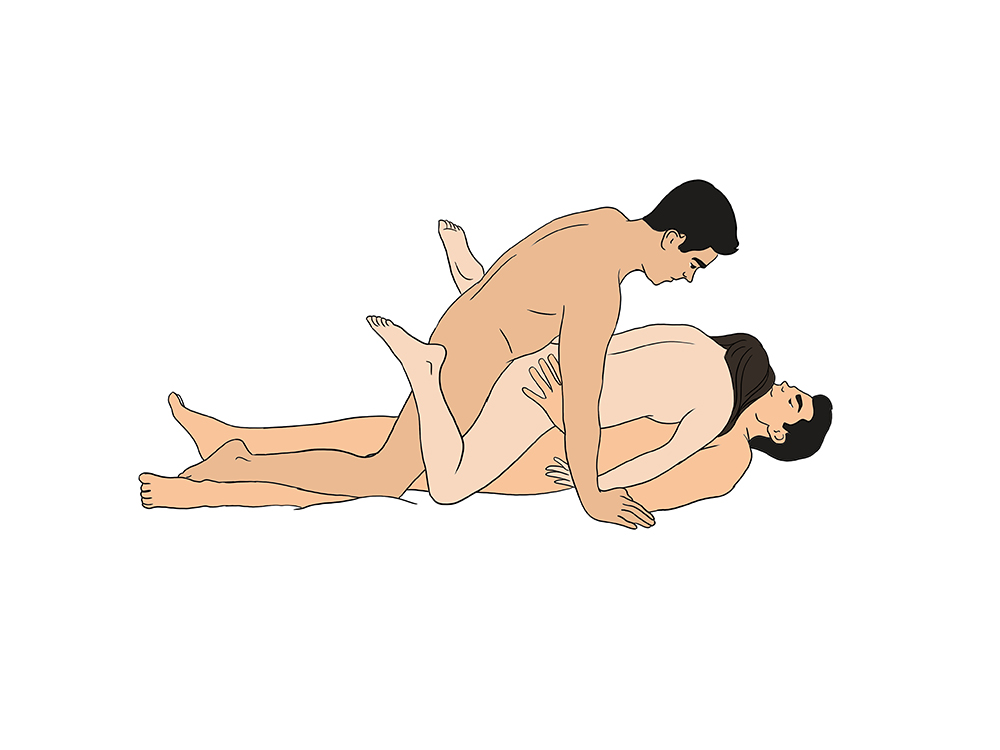
Amusing Position Attempts and Playful Challenges. The “Reverse Cowboy Helicopter” isn’t a real Kama-sutra entry—it’s two adults attempting a 360-degree spin without separating, inevitably collapsing into a heap. The goal isn’t mastery; it’s the shared “we’re ridiculous and we love it” moment.
Funny and Creative Uses of Toys, Props, or Costumes. Think vibrating cock ring wearing a tiny Lego sombrero, or a silicone dildo repurposed as a DIY microphone for dramatic karaoke mid-foreplay. Props become inside jokes rather than performance enhancers.
Imitations, Exaggerations, and “Spoof” Sexual Acts. Channel your best porn-star moan—then crank it to 11 until both of you snort-laugh. Exaggeration exposes how performative sex can get, letting you both drop the script and return to authentic sensation.
Embracing the Unexpected: Accidentally Funny Interactions. The lube bottle makes a goose-honk sound, or your smart speaker suddenly blares the Jeopardy! theme. Instead of mortification, treat it like the universe’s improv prompt: “Yes, and… we’ll answer trivia questions with every thrust.”
The Psychological and Emotional Meanings Behind Humorous Sex Acts (The “Why”)
Expressing Deep Trust and Emotional Security. You only risk clowning around if you believe your partner won’t mock you tomorrow at brunch. Humor therefore becomes a live demonstration of “I trust you with my unfiltered self.”
Showcasing Vulnerability and Mutual Acceptance. Belly laughs require relaxed abdominal muscles—the anatomical opposite of the defensive armor we wear in conflict. Letting your body go floppy mid-sex signals psychological safety.
Co-Creating Unique, Bonding Memories. Ten years later you won’t remember the perfectly executed missionary that lasted eight minutes; you’ll remember the time you both got tangled in fairy lights trying to create “erotic disco night.” Those memories act like private emotional currency.
Playfully Challenging Social Norms and Rigid Sexual Scripts. Western culture still peddles the “sex must be sultry and serious” trope. Mocking that script—say, by delivering dirty talk in Shakespearean English—reclaims sexuality as self-authored rather than media-prescribed.
A Form of Non-Verbal Communication and Affection. Inside jokes are relationship shorthand. A quick eyebrow wiggle that references last week’s “flying dildo incident” can communicate, “I adore you, I remember us, and we’re still in this together,” faster than any love sonnet.
How to Safely and Effectively Introduce Humor into Sex
The Foundational Role of Communication and Enthusiastic Consent. Float the idea during a neutral moment—maybe over coffee: “How would you feel about mixing more silliness into sex?” Consent for humor is as vital as consent for penetration; nobody wants a pie in the face without warning.
Understanding and Respecting Your Partner’s Humor Boundaries. Some people grew up shamed for being “too loud” in bed; others fear looking “stupid.” Ask what types of humor feel safe—wordplay, physical comedy, pop-culture spoofs—and which are off-limits.
Mastering Timing and Reading the Room (or Bedroom). Mid-orgasm is probably not the moment to debut your Donald Duck impression. Early foreplay or post-coital cuddle windows are lower-stakes arenas for experimentation.
Avoiding Mockery, Belittling, or Hurtful “Humor.” Punch up, not down. Jokes about your own performance = good. Jokes about your partner’s body = relationship landmine. When in doubt, self-deprecate first; it gives your partner permission to laugh without feeling targeted.
Starting Small: Tips for Lighthearted Experimentation. Begin with low-risk props: a feather tickler that squeaks instead of swooshes, or a blindfold made from an old superhero T-shirt. Debrief afterward: “Did the squeaker feel fun or annoying?” Iterate like scientists who really, really enjoy their research.
The Long-Term Impact of Humor on Sexual Relationships and Satisfaction
Maintaining Relationship Novelty and Vitality Over Time. A 2021 Healthline survey found that couples who intentionally introduced new playful rituals every 4–6 months reported 33 % higher sexual satisfaction after five years than those who didn’t. Humor is the cheapest, fastest novelty hack available.
Building Resilience for Navigating Sexual Challenges or Lulls. When libidos misalign—say, postpartum or during menopause—shared laughter keeps the erotic circuitry humming on low power. You may not be having marathon sex, but you can still share an inside joke about the vibrator that now doubles as a back massager for nursing shoulders.
Deepening Emotional Bonds and Partner Synchronicity. Over time, inside jokes accumulate into a private culture. This “relationship micro-culture” predicts stability better than shared hobbies or even love-language alignment, according to a 2020 Mayo Clinic article on couple communication.
Distinguishing Beneficial, Connective Humor from Destructive Humor. Sarcasm or teasing that scores points erodes safety. Rule of thumb: if you wouldn’t laugh at the joke together tomorrow morning over pancakes, retire it.
Frequently Asked Questions (FAQ)
Q1: What if my partner doesn’t find my sexual humor funny?
A: Treat it like a kink mismatch—negotiate, don’t negotiate against. Ask what does feel playful to them: music, lighting, word games? Adapt; humor is broader than slapstick.
Q2: Isn’t laughing during sex disrespectful or a sign that it’s not good?
A: Research shows the opposite—laughter increases oxytocin, which enhances arousal. The key is laughing with, not at, your partner.
Q3: How can we recover if a joke falls flat or causes offense?
A: Pause, check in (“I sense that landed wrong—are you okay?”), apologize without defensiveness, and pivot. A cuddle and a sincere “I’m sorry” usually beat any clever follow-up punch line.
Q4: Are there any times when humor in the bedroom is a bad idea?
A: Yes—during trauma processing, immediately after a sexual dysfunction episode, or when either partner feels emotionally unsafe. Read the emotional room first.
Q5: Can humor help with sexual issues like mismatched libidos or erectile dysfunction?
A: Absolutely. Shared laughter lowers cortisol, which can improve blood flow (helpful for erections) and reduces pressure to “perform,” making lower-libido partners more open to touch.
Conclusion: Embracing the Lighter Side of Love
Sex doesn’t need another self-improvement project; it needs a permission slip to be gloriously, ridiculously human. Humor in the Bedroom: Funny Sex Acts and Their Meaning isn’t a prescription for non-stop giggles—it’s an invitation to co-write a private comedy where the punch lines are trust, the bloopers are bonding, and the standing ovation is a relationship that still feels fun after the hormones level out. So go ahead: misquote Shakespeare during cunnilingus, race each other to the silliest orgasm face, and let the dog stare—because when you can laugh together, you’ll keep coming together, again and again.
References & Further Reading
American Association of Sexuality Educators, Counselors and Therapists (AASECT) – for certified therapists and evidence-based sex education.
Mayo Clinic – Couple Communication and Sexual Health
Healthline – Keeping Sex Exciting Long-Term
Perel, E. (2006). Mating in Captivity: Unlocking Erotic Intelligence. HarperCollins – for playful approaches to sustaining desire.
Castleman, M. (2021). Sizzling Sex for Life: Everything You Need for Great Sex. Rowman & Littlefield – includes chapters on humor as a sexual enhancer.