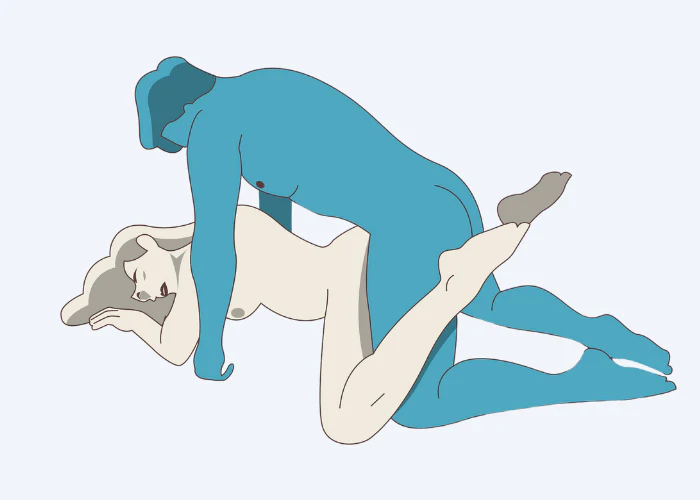
Let’s be real: Most sex positions fall into one of two camps. There are the acrobatic, viral ones that require the flexibility of a competitive yogi and leave you more focused on not face-planting than pleasure, and then there are the vanilla, autopilot ones you fall back on when you’re too tired to try anything new. The Slow Climb is the rare sweet spot in between: It’s accessible enough for any experience level, delivers consistent, mind-blowing physical sensation, and fosters the kind of deep emotional closeness you just can’t get from rushed, goal-focused sex. This guide will give you a complete roadmap to mastering the Slow Climb position, from setup and execution to little-known tweaks for maximizing pleasure and connection with your partner.
Understanding the Slow Climb Position
At its core, the Slow Climb is a face-to-face, intentional intimacy position that prioritizes slow, rhythmic pelvic movement over fast, deep thrusting. It’s designed for maximum skin-to-skin contact and shared, gradual arousal, rather than racing to orgasm as quickly as possible.
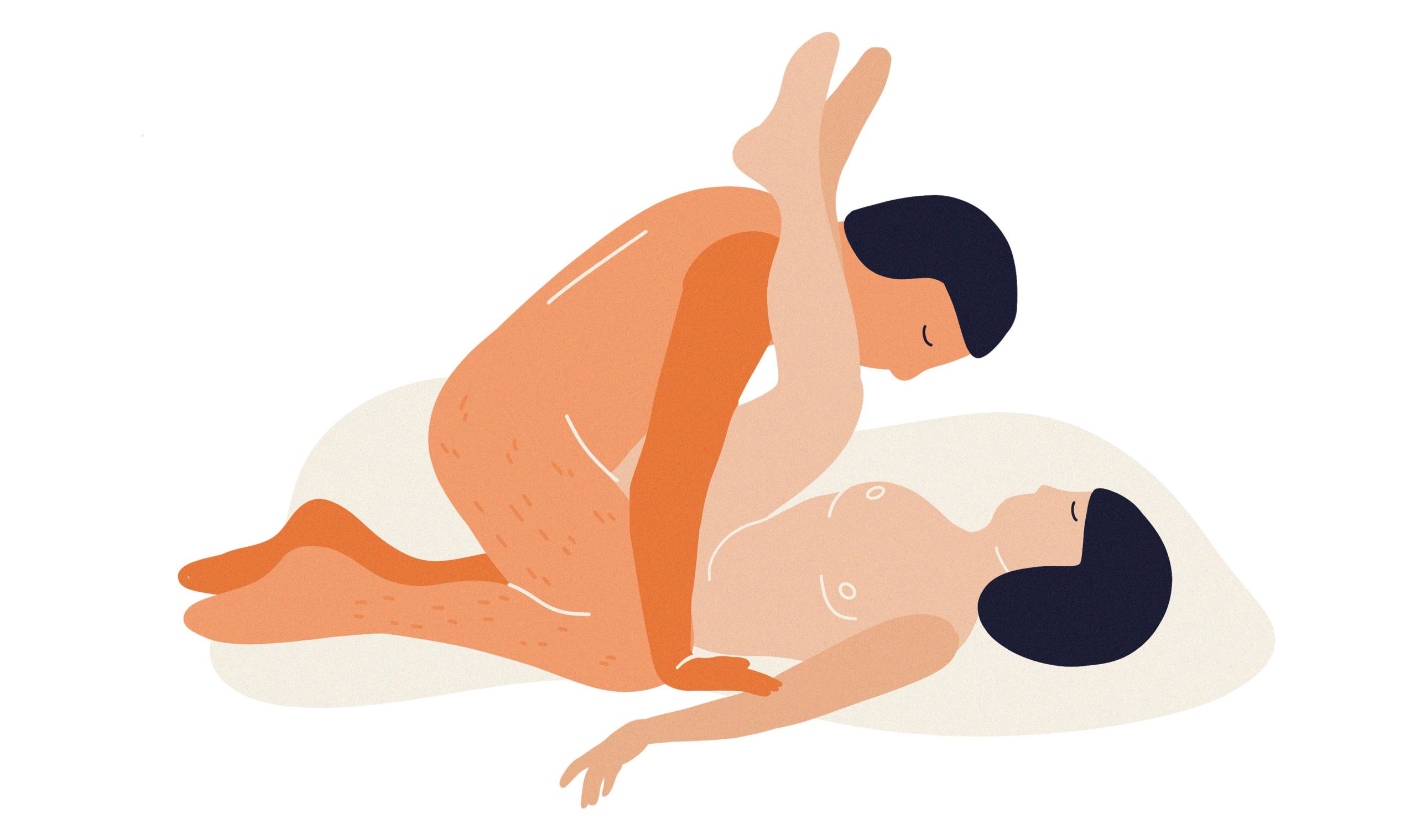
The basic setup is simple: The receiving partner lies flat on their back on a comfortable surface, with knees bent and feet flat. The penetrating partner kneels between their legs, leans forward to align their pelvis flush against the receiving partner’s pubic bone, and supports their upper body on their elbows or hands. The receiving partner can either keep their feet flat for stability or wrap their legs around the penetrating partner’s waist to adjust depth. Unlike standard missionary, there’s minimal space between the two partners’ lower bodies, and movement is limited to small, rolling pelvic shifts rather than in-and-out thrusting.
While it shares some similarities with the Coital Alignment Technique (CAT) and classic missionary, the Slow Climb differs in its core priority: It balances physical pleasure with emotional connection, rather than focusing solely on orgasmic outcome. The deliberate, slow pace is non-negotiable here, rather than an afterthought.
Step-by-Step Execution Guide
First, set the scene: This is not a position for 15-minute quickies before work. Save it for a lazy Sunday morning or a quiet weeknight when you have as much time as you’d spend binging two episodes of your favorite show, no rush allowed. Start with plenty of foreplay to get both partners fully aroused — this makes alignment easier and sensation far more intense.
To get set up: Have the receiving partner lie back, and slide a small pillow under their lower back if they tend to get back pain. The penetrating partner kneels between their legs, adjusting their height so their hips are perfectly level with the receiving partner’s hips (add a pillow under your knees if you’re on a hard surface to avoid knee strain). Once aligned, penetrate slowly, no rushing. The receiving partner can adjust their leg position to find a comfortable angle: feet flat on the bed, calves wrapped around the penetrating partner’s lower back, or ankles hooked over their shoulders for deeper penetration, if flexibility allows.
The “climb” movement itself is subtle: Instead of thrusting, both partners make slow, circular pelvic rolls, as if you’re grinding your hips together in 2 to 3 second cycles. Each roll should build a tiny bit more pressure, like you’re slowly climbing a hill toward shared climax. There’s no need for big, dramatic movements — the smallest shifts in angle create the biggest differences in sensation.
Maximizing Physical Pleasure & Sensation
The Slow Climb’s close pelvic alignment is its biggest superpower for physical pleasure. As Healthline notes, 75% of people with vulvas need consistent clitoral pressure to reach orgasm, and this position delivers that nonstop, no extra work required. The angle also puts perfect pressure on the anterior vaginal wall (aka the G-spot area) for people who enjoy internal stimulation, and for couples using a strap-on for anal play, the angle targets the prostate with incredible accuracy for people with penises.
To amp up sensation even more: Add a small, flat vibrator between your pelvises for extra clitoral buzz, if that’s your vibe. For targeted G-spot or prostate stimulation, the penetrating partner can tilt their hips upward slightly on each roll to add extra pressure to the front wall. Adjust depth easily by having the receiving partner lift their hips higher for deeper penetration, or lower them if you want to keep things more shallow. Mix slow rolls with short, pulsing movements, or hold a deep, pressed position for 10 seconds at a time to build delicious, anticipatory tension.
Fostering Deep Intimacy & Connection
The Slow Climb is as much about emotional closeness as it is about physical pleasure, and its face-to-face setup makes that effortless. American Psychological Association research shows that sustained eye contact during vulnerable, intimate moments releases high levels of oxytocin, the “bonding hormone” that makes you feel connected to your partner long after sex ends. The slow, non-rushed pace also forces you to be fully present, instead of obsessing over your to-do list or when you’ll climax.
To lean into the connection: Try syncing your breathing to your rolls, inhaling as you press together and exhaling as you release. Run your hands over each other’s faces, backs, and shoulders, or whisper soft affirmations, fantasies, or little things you love about each other. There’s no pressure for performative dirty talk — even a soft “this feels so good” goes a long way. This position is perfect for building intimacy after a stressful week, or for reconnecting after a rough patch in your relationship.
Communication & Syncing with Your Partner
Since you’re already inches away from each other’s faces, communication in the Slow Climb is far less awkward than in positions where you’re facing away from each other. There’s no need to yell across the bed to ask for an angle adjustment — a soft murmur is all it takes.
To get in sync, start at an extremely slow pace for the first 10 rolls, and follow your partner’s lead first before suggesting adjustments. Check in every few minutes with a simple “does this feel good for you?” to make sure you’re both on the same page. If you get out of sync, just pause, laugh about it, and reset — there’s no prize for “perfect” rhythm. Remember: If something feels uncomfortable for either partner, you stop immediately, no questions asked.
Tips for Mastery & Enhancing the Experience
Don’t worry if your first try is messy! You might slip, you might get a cramp, you might laugh so hard you lose the mood, and that’s all totally normal. Practice when you’re relaxed and have no time constraints, not when you’re in a hurry.
Pillows are your secret weapon for this position: A memory foam wedge pillow under the receiving partner’s butt can adjust the angle for deeper penetration and less back strain, while a soft pillow under the penetrating partner’s elbows eliminates pressure pain if you’re holding yourself up for a long time. Add extra sensual touches to set the mood: Start with a 10-minute full body massage, light a few candles, or use a silk blindfold to heighten your other senses if you want to mix things up. Once you’re comfortable with the basic position, experiment with subtle variations: Lean all the way forward so your chests are pressed flush together for maximum skin contact, or try the penetrating partner sitting on the edge of the bed instead of kneeling if you have knee pain.
Potential Benefits & Why Choose This Position
The Slow Climb has both physical and emotional benefits that set it apart from most other popular positions. Physically, it delivers far more consistent mutual stimulation than positions like doggy style or standard missionary, leading to higher rates of shared orgasm for many couples. It’s also low-impact, so you can keep going for far longer without getting tired or straining a muscle. Emotionally, the slow, intentional pace builds trust and vulnerability, and many couples report feeling closer to each other for days after using this position.
It’s ideal for situations where you want to prioritize connection over performance: A lazy weekend at home, a date night where you don’t have anywhere to be, or when you’re working to rebuild intimacy after a period of stress or distance in your relationship.
Safety, Comfort & Considerations
First, never push through pain to “finish” the position. If your elbows, knees, or back start hurting, adjust immediately. Add more pillows for support, or switch to a modified version of the position that works for your body.
The Slow Climb is highly adaptable for all body types, fitness levels, and mobility needs. If you have knee pain, the penetrating partner can stand next to the bed instead of kneeling, while the receiving partner lies with their hips at the edge of the mattress. If you have limited mobility, you can even do a modified version propped up against your headboard, with both partners sitting up. Mayo Clinic recommends using a water-based or silicone lubricant for this position to reduce friction and make the rolling movements even more pleasurable — avoid oil-based lube if you’re using condoms, as it breaks down latex and increases the risk of STI transmission and unplanned pregnancy.
Frequently Asked Questions (FAQ)
Q: Is the Slow Climb position suitable for all body types?
A: Absolutely! There is no “ideal” body type for this position. You just need to adjust props and positioning to fit your needs: Add extra pillows for support, use the edge-of-bed modification for bigger height differences, or adjust leg positions to avoid straining tight muscles.
Q: Can this position help with premature ejaculation?
A: Yes! Because the Slow Climb focuses on slow, small movements instead of fast thrusting, it’s much easier for people with penises to control their arousal levels. NHS guidance lists slow, intentional sexual activity as one of the most effective at-home strategies for managing premature ejaculation, making this position a great choice for couples dealing with that concern.
Q: What if we find maintaining the position physically challenging?
A: Modify it! You don’t have to follow the basic setup perfectly. Try doing it on a couch instead of a bed, have the penetrating partner sit in a sturdy chair, or prop yourself up against a wall for extra support. There are no rules, only what feels good for both of you.
Q: How do we transition into or out of the Slow Climb from other positions?
A: To transition in from standard missionary, just have the penetrating partner shift their weight forward to press their pelvis flush against their partner’s pubic bone, and switch from thrusting to slow rolling movements. To transition out, you can speed up into standard missionary, roll over into spooning position, or move to whatever other position you’re in the mood for.
Q: Is this position primarily for heterosexual couples?
A: Not at all! The Slow Climb works for any couple, regardless of gender, orientation, or what type of sex you’re having. It works just as well for queer couples using strap-ons, or even for couples who want to grind with no penetration at all — the core focus on slow, face-to-face connection works for everyone.
Exploring Further: Resources & Expert Insights
This guide is a comprehensive starting point, but if you want to dive deeper into sexual technique and building long-term intimacy, there are tons of evidence-based, inclusive resources available. For books, we recommend Come As You Are by Emily Nagoski, which breaks down how sexual desire works for different people, and She Comes First by Ian Kerner, which is a great guide to prioritizing mutual pleasure. The American Association of Sexuality Educators, Counselors and Therapists (AASECT) resource library has a huge collection of free, medically accurate guides for sexual health and relationship wellness, and inclusive sexual education platforms like O.school and Scarleteen have great tips for all experience levels.
Conclusion
The Slow Climb isn’t about being a “perfect” sexual partner or having the most intense orgasm of your life. It’s about the rare combination of deep, satisfying physical pleasure and that warm, connected feeling that makes sex feel special, not just a physical act. Don’t fixate on getting every detail right the first time: The best parts of this position are the messy, unscripted moments — the laughter when you slip, the soft little confessions you whisper to each other, the quiet afterglow where you just lay together and breathe. As long as you’re communicating openly and prioritizing each other’s comfort, you’re already doing it right.