Getting Back to Closeness: It’s a Common Concern
Wondering about intimacy after spinal fusion, discectomy, or other lumbar surgery is completely normal. If you’re searching for “best positions” post-operation, you’re prioritizing safety – and that’s smart. This guide offers practical strategies to navigate physical closeness during recovery. Always remember: Your surgeon or physical therapist’s instructions override any general advice here. The true “best” position is whatever feels safe, comfortable, and pain-free for you right now.
The Golden Rules Before You Begin
Safety is non-negotiable. Follow these fundamentals:
- Get Medical Clearance FirstNever resume sexual activity without your doctor’s explicit approval. Healing timelines vary – typically weeks to months – depending on your procedure and recovery progress.
- Pain is a Stop SignAny sharp pain, numbness, tingling, or muscle spasms in your back or legs means STOP immediately. Discomfort is your body’s warning system. Ignoring it risks reinjury.
- Ditch Pre-Surgery ExpectationsYour old routines won’t work yet. Approach intimacy as a new exploration focused on gentle connection, not performance.
- Communication is Your FoundationHave open, honest conversations with your partner about fears, limitations, and comfort levels. Frame this as a shared “recovery project” requiring teamwork and patience.
Exploring Comfortable Positions: Ideas to Try
The core goal? Minimize bending, twisting, or weight-bearing through your healing spine. Focus on stability and control.
- Side-Lying Position (Spooning or Facing)
- Why it works: Lying on your side dramatically reduces spinal load. Both partners maintain control over movement depth and angle.
- Comfort boost: Place a firm pillow between your knees to align hips and neutralize spine pressure. Partners can face each other or nestle close spoon-style.
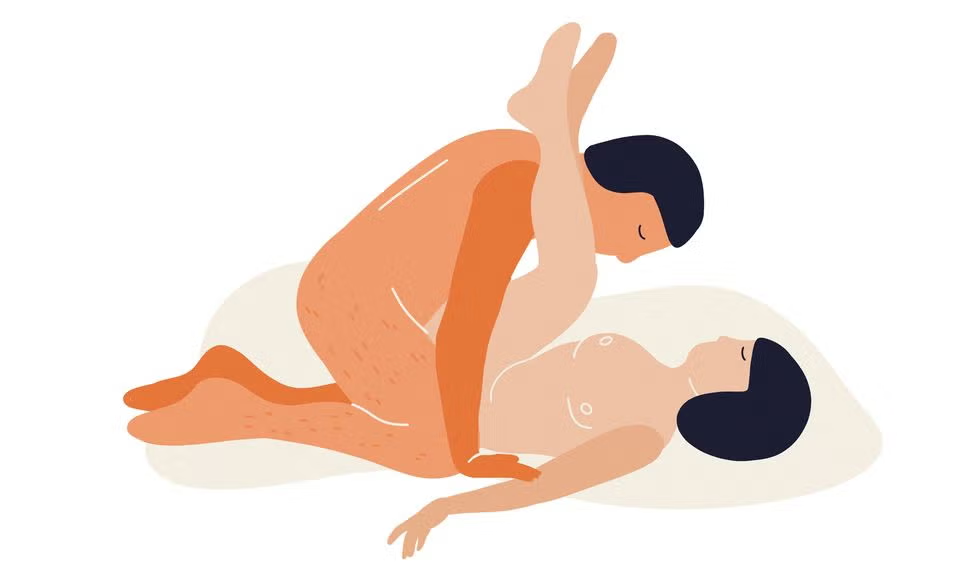
- Recovering Partner on Top (Modified Partner Astride)
- Why it works: The person who had surgery controls all movement – pace, penetration depth, and body angle. This allows instant adjustments based on sensation.
- Crucial note: Requires adequate arm strength and core stability. Use arms for support, keep movements slow, and avoid arching or straining the lower back. Kneeling may not be feasible early on; focus on positions where the recovering partner is seated or supported.
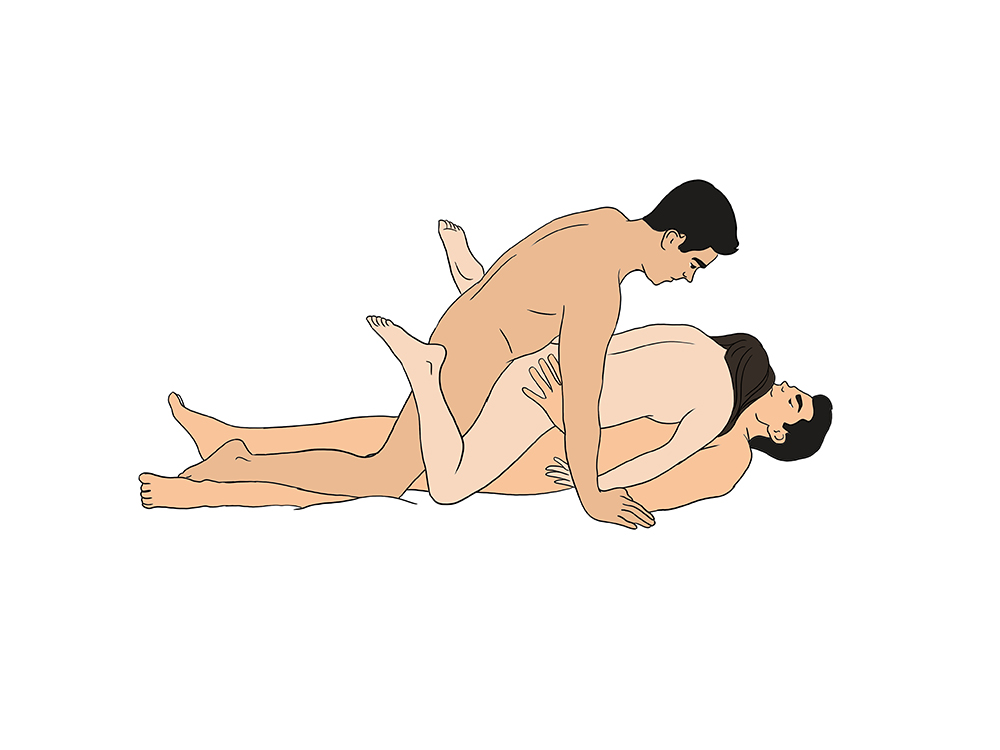
- Recovering Partner on Back (Modified Missionary – Use Extreme Caution)
- Why caution is needed: Traditional “on-back” positions can strain the lumbar curve.
- Safety modification: If approved by your PT/doctor and comfortable: Place 2-3 thick pillows under your knees, bending hips and knees to 90 degrees. Feet should rest flat. This flattens the lower back against the bed. Your partner must support their full weight on hands/arms – no pressure on your abdomen or pelvis.
- Positions to Avoid (Until Fully Cleared):Deep forward bends (e.g., certain kneeling), positions requiring spinal twisting (e.g., some seated), high-impact movements, or anything demanding core flexion/extension power.
More Than Just Positions: Tips for Easier Intimacy
Comfort extends beyond body angles:
- Warm Up: Do surgeon-approved gentle stretches or take a warm shower beforehand to relax muscles.
- Leverage Support Tools: Wedges, firm pillows, or specially designed sex cushions are invaluable. They help maintain neutral spinal alignment and reduce muscle effort. Position them under hips, knees, or back as needed.
- Redefine Intimacy: Focus on kissing, touch, massage, mutual pleasure, and emotional connection. Penetrative sex isn’t the only path to closeness. Prioritize bonding over specific acts.
- Manage Pain Proactively: If approved, take prescribed pain medication 30-45 minutes beforehand. Ensure the room is warm, private, and free from distractions.
Be Patient and Kind to Yourself
Recovery isn’t linear. Celebrate small progress and accept temporary limitations without frustration. Work with your partner as a team – navigating this challenge can strengthen your bond. There is no universal “best position,” only what’s safest and most comfortable for you at this stage. Trust the process, prioritize healing, and consult your medical team with any concerns. Your path back to fulfilling intimacy is unique – and achievable.