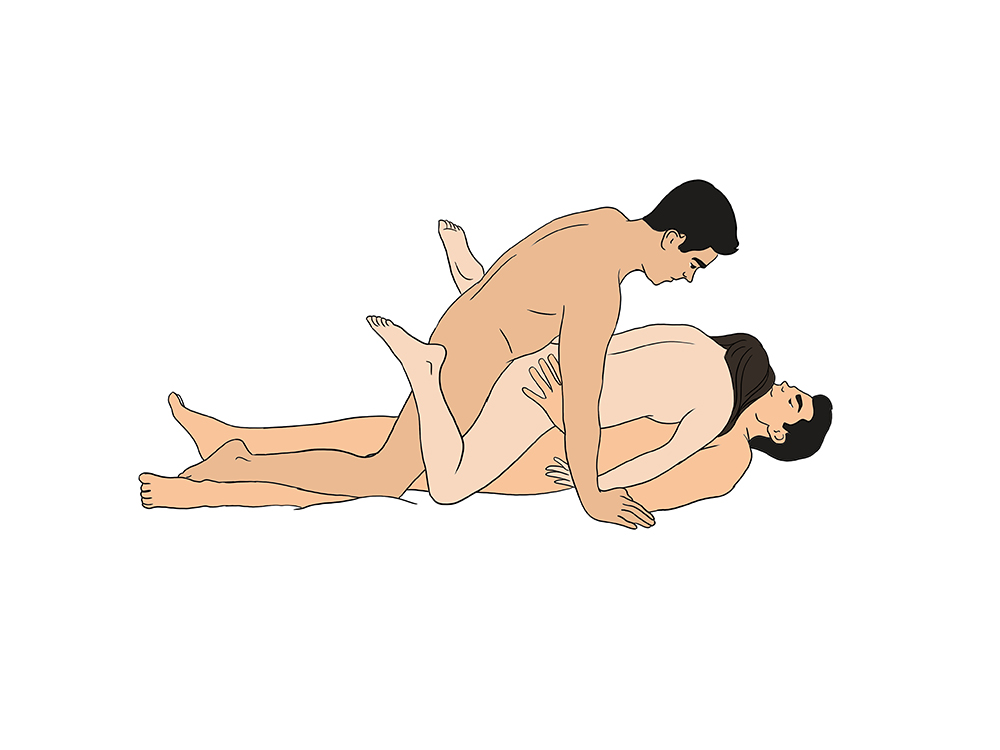
Picture the moment when longing stops being a whisper and becomes a hymn. Sexual worship—treating your partner like a living deity in the bedroom—turns that hymn into a full-blown gospel choir. It’s not just “great sex with candles”; it’s the deliberate fusion of animal desire and spiritual devotion, a consensual ritual where bodies become altars and orgasms feel suspiciously like enlightenment. This guide walks you through the theology, choreography, psychology, and safety nets of sexual worship, the ultimate expression of desire, so you can decide whether you want to kneel…or be knelt to.
I. Conceptual Foundations of Sexual Worship
Beyond the Physical Act. Sexual worship is the intentional frame that says, “Right now, you are sacred to me.” Intercourse, oral, kissing, even eye contact—every touch is offered as reverence, not conquest. Think of it as replacing “I want you” with “I honor you with my turn-on.”
The Ultimate Expression of Desire. Intensity? Check. Surrender? Double check. Transcendence? That’s the brass ring. When desire is funneled into ritual, the brain’s reward circuitry (ventral striatum, if you’re nerdy) lights up like a Christmas tree, flooding the body with dopamine and oxytocin, producing the same altered states monks chase with mantras.
Psychological Drivers. Power, adoration, submission, and the delicious cocktail of neurotransmitters that make ego boundaries dissolve. In consensual worship, the “sub” isn’t lesser—they’re the cherished pilgrim; the “dom” isn’t merely bossy—they’re the adored deity. Both partners get a hit of agency and surrender, a psychological two-for-one deal.
Not Your Average Kink. Any fetish can include worshipful elements (foot fetishists, I see you), but sexual worship spotlights the partner’s entire being, not just the objectified body part. The mantra is “You are the temple,” not “You are the toy.”
II. Manifestations & Ritualistic Practices
Body as Sacred Site. Slow, deliberate kissing along the hipbone can feel like reciting a rosary. Map your lover with the curiosity of an art restorer uncovering a Renaissance fresco—every sigh is a cracked tile revealing gold leaf underneath.
Verbal & Symbolic Acts. Try a three-line chant: “I praise you / I please you / I belong to you.” Repeat while circling a candle around their body; the heat flickers like incense. Titles matter—“Goddess,” “My King,” “Sir Radiance”—because names shape neural expectations, priming the brain for ritual headspace.
Sensory Amplification. Swap Spotify’s “Bedroom Jams” for a curated playlist of throat singing or ocean drones. Blindfolds? They delete visual data so the brain can doodle in the margins. Temperature play—warm ceramic plate, cool metal spoon—adds synesthetic surprise.
Consensual Power Exchange. Maybe the worshipped deity stays clothed while the devotee strips. Maybe the deity permits only one body part to be kissed per day, building erotic anticipation. The contract can be Proust-length or a sticky note that says, “Tonight, I’m your temple.”
III. Psychological & Emotional Dimensions
Transcendence & Ego Dissolution. Johns Hopkins researchers found that mystical-type experiences correlate with decreased activity in the default-mode network—the “me” center. Ritualized sexual worship can tickle the same circuitry, giving you that “oceanic feeling” without psychedelics.
Intimacy as Sacred Union. When bodies merge, the hormone vasopressin (a bonding chemical) surges. Couples who routinely practice devotional sex often report a lingering “after-glow” that lasts 48 hours or more, buffering stress like a shot of emotional Novocain.
Vulnerability & Trust. Absolute surrender demands radical safety. Think of it as bungee-jumping naked: the cord is your partner’s reliability. Negotiate the cord’s tensile strength before you leap.
Potential Risks. Emotional dependency can sneak in like a cat you accidentally fed. Watch for signs: constant reassurance-seeking, boundary erosion, or post-scene “drop” that feels like a hangover sans booze. Counterbalance with aftercare, debriefs, and outside friendships.
IV. Cultural & Spiritual Contexts
Historical Precedents. Mesopotamian priestesses once engaged in sacred sex to honor Inanna; the belief was that erotic energy greased the universe’s gears. Tantric texts (500–900 CE) framed lingam and yoni as cosmic circuitry.
Modern Neo-Tantra. Weekend workshops in Bali or Brooklyn recast these ideas for secular sensibilities: breathe, eye-gaze, slow-motion penetration—Instagrammable enlightenment sold at early-bird pricing.
BDSM Community Spin-offs. Foot worship, body worship, and “Goddess worship” sessions are cataloged on FetLife with the same specificity as Yelp restaurant reviews—five stars for “transcendent arches.”
Critiques & Controversies. Scholars argue that cherry-picking Tantra can flatten rich traditions into “orgasm = nirvana.” The fix? Credit your sources, pay teachers from the culture of origin, and remember that spirituality isn’t a sexy costume; it’s a living lineage.
V. Philosophical Perspectives on Desire & Worship
Desire as Divine Energy. Freud called libido “psychic gasoline.” Why not use it to power the pilgrimage toward self-transcendence rather than just a race to climax?
Sacred/Profane Dichotomy. Ritual deliberately smudges that line—like drawing a mustache on the Mona Lisa and discovering she looks great with facial hair. The profane becomes sacred because you said so.
Existential Fulfillment. Can sexual worship answer Camus’ “one truly serious philosophical problem” (a.k.a. life’s meaning)? Maybe temporarily. It’s not a universal solution, but it can feel like downloading a cosmic software update.
Ethics of Deification. Consent is the difference between worship and unhealthy projection. Treat the role like a limited-run theater gig: after curtain call, actors drop character and grab pizza together.
VI. Practical Guidance & Community Resources
Establishing Ritual Frameworks. Start with the three C’s: Container (candles, playlist, locked door), Consent (yes/no/maybe list), and Continuum (time-bound scene, 30–90 minutes max).
Communication Tools. Use the “Worship Wants” worksheet: each partner writes five acts that make them feel adored—massaging calves, reciting poetry, being fed strawberries. Swap sheets, circle mutual hits, negotiate the rest.
Literature & Communities. Books: The Art of Sexual Ecstasy by Margo Anand, Sacred Kink by Lee Harrington. Online: FetLife groups “Goddess Worship 101,” Reddit’s r/sacredsexuality. Workshops: The Institute for Advanced Study of Human Sexuality (San Francisco) offers weekend immersions.
Integration with Daily Life. Create micro-rituals: morning text—“Good morning, Goddess, your temple bell rings for you tonight.” It keeps the erotic ember glowing without requiring a 24/7 toga party.
VII. Safety, Ethics, and Aftercare
Informed Consent. Think of it as a GPS you update mid-route: “Still okay if I add nipple clamps?” Continuous negotiation prevents wrong turns.
Risk Checklists. Cover emotional triggers, body insecurities, and spiritual landmines (ex-Catholic guilt, anyone?). Rate each 1–5. Anything above a 3 gets a contingency plan.
Aftercare Essentials. Hydrate (coconut water replaces electrolytes), swaddle in a fuzzy blanket, debrief: “What felt holy? What felt hollow?” Schedule a next-day check-in text; post-scene drop can hit 12–24 hours later.
When to Call a Pro. If either partner feels persistently depressed, dissociated, or can’t reclaim their secular identity, seek a certified sex therapist (AASECT directory) or kink-aware counselor.
VIII. Frequently Asked Questions (FAQ)
Is sexual worship a religion? Nope. It’s a spiritual technology you can plug into any belief system—or none. Atheists can worship their partner’s phenomenal cortex without invoking Zeus.
Do both partners need to “believe” the deity role? Not literally. Think of it as improv: you temporarily adopt the “yes-and” premise for the scene, then drop it when the lights come up.
How do I start exploring? Begin with a single ritual: candle, playlist, three-minute body kiss guided by the prompt “Every touch is praise.” Debrief after. If you both grin like fools, expand.
Worship vs. obsession? Obsession ignores boundaries; worship negotiates them obsessively—in the best way. Healthy worship enhances life outside the bedroom; obsession cannibalizes it.
Outside BDSM or Tantra? Absolutely. Call it “devotional date night.” Frame the steak dinner as an offering, the chocolate mousse as communion—no safe-word required (unless you eat too much).
Feeling silly? Silly is human. Laugh together; incorporate the giggle as part of the ritual—think of it as the holy ghost of joy entering the room.
IX. Further Reading & Authoritative Resources
Books: Sacred Sexuality by Georg Feuerstein, Urban Tantra by Barbara Carrellas, Playing Well with Others by Harrington & Williams.
Journals: Journal of Sex Research, Culture, Health & Sexuality for peer-reviewed studies on ritual sex and BDSM psychology.
Communities: FetLife group “Tantra and Kink,” Reddit r/TantricSex, Facebook “Sacred Sexuality Collective” (private, moderated).
Professional Orgs: AASECT (sex therapists), Sexual Health Alliance (kink-certified educators).
X. Glossary of Key Terms
Aftercare: Post-scene emotional and physical care. Drop: Sudden emotional crash after intense play. Negotiation: Pre-scene discussion of desires, limits, and health concerns. Transcendence: Ego-dissolving state of heightened awareness. Sacred/Profane: Concepts whose boundary is intentionally blurred in ritual sex.
XI. Conclusion: Integrating the Experience
Sexual worship isn’t about trading your personality for a flowing robe and a jar of coconut oil. It’s a deliberate experiment: Can I treat desire as a doorway rather than a destination? If you remember the trinity—consent, communication, and aftercare—you can step through that door without leaving your sense of humor (or your partner’s boundaries) behind. Whether you end up chanting “Oh my God” in the spiritual or purely colloquial sense, you’ll have turned ordinary skin into hallowed ground, and that’s a miracle worth celebrating—preferably with afterglow snacks.