Introduction: The Sensation Paradox of Lubrication
Ever slathered on what the bottle promised was “liquid silk,” only to feel like you’re making love through a thick wool sock? You’re not broken, and you’re definitely not alone. The same goo that prevents rug-burn on your delicate bits can sometimes leave you wondering, “Did I just trade friction for feeling?” Welcome to the sensation paradox of lubrication: a product meant to enhance pleasure occasionally steals the spotlight—and not in a good way. Below, we’ll unpack the science, the sneaky ingredients, and the simple hacks that let you keep the glide without sacrificing the ride.
The Science Behind Reduced Sensation: How Lubricants Work
Think of your nerve endings as tiny guitar strings. They need just the right tension—read: friction—to vibrate and sing. Lube swoops in like an overzealous sound technician, slapping a foam pad on those strings. Result? Fewer vibrations, quieter song. Physically, every lubricant creates a micro-barrier that separates skin from skin, lowering the heat and traction your thermo- and mechano-receptors register. Chemically, some lubes go further, either pinging or paralyzing ion channels (the little gates that let “I’m being touched!” signals into nerves). In short: less friction, fewer fireworks—unless you choose and use wisely.
Key Culprits: Lubricant Ingredients That Can Numb or Dull
Flip your bottle over and you might find a rogue’s gallery of passion police:
- Benzocaine & Lidocaine: The bouncers at Club Penis, paid to keep excitement from getting too rowdy. Great if you’re trying to last longer; terrible if you didn’t RSVP for the numbing party.
- Glycerin & Propylene Glycol: Common humectants that pull water into the formula. In high doses they can leave a cold, almost plastic-wrap sensation on mucous membranes.
- Cellulose Thickeners: Hydroxyethylcellulose turns water into Jell-O shot. Thick gels feel cushiony but can act like a down comforter over your nerve endings.
- Alcohol & Menthol: The “tingle” twins. A dash can feel playful; too much triggers irritation, micro-swelling, and a rebound numbness once the party’s over.
Individual allergies amplify everything—one person’s “silky” is another’s “Novocain.”
Physical vs. Chemical Effects: Barrier Creation and Nerve Interaction
Picture sliding across a wooden floor in socks (thin lube) versus diving onto it wearing a puffy snowsuit (thick polymer gel). Same floor, totally different feedback. That’s the physical barrier effect. Now imagine the snowsuit is wired with a mild tranquilizer dart that pricks you on landing—welcome to the chemical effect. Add in sensory overload (strawberry-kiwi tornado, anyone?) and your brain can’t tell which chorus of signals to focus on, so it turns the volume knob down on all of them.
Desensitizing Lubricants vs. Standard Lubes: Understanding the Difference
Desensitizing lubes wear their mission statement on the box: “Climax Control,” “Delay Spray,” “Last Longer, Thank Us Later.” Standard lubes just want everyone to slip ’n’ slide without tearing or chafing. If a plain water-based formula leaves you numb, odds are it’s the physical blanket, not an anesthetic. Knowing which team you’re playing for prevents accidental tactical time-outs.
Beyond Ingredients: Factors Influencing Sensation Loss
Sometimes the culprit isn’t the formula—it’s the user:
- Too Much of a Good Thing: A palm-full creates a slip-n-slide; a shot-glass creates sensory blackout.
- Layer Cake Syndrome: Reapplying without wiping turns lube into a cold, congealed strata that deadens touch.
- Body Chemistry Roulette: Dehydrated skin, hormone dips, or even last night’s margaritas can make nerves grumpy.
- Brain Spam: Performance anxiety tells your brain to scan for problems; focusing on the lube instead of your partner is like watching the microwave instead of your dinner date.
Choosing Sensation-Preserving Lubricants: What to Look For
Shopping list for feel-curious adults:
- Go Thin to Win: Look for words like “liquid,” “silky,” or “silk” rather than “gel” or “ultra-thick.”
- Short Ingredient Lists: Fewer syllables, fewer surprises. Think: water, propylene glycol (in moderation), hydroxyethylcellulose, citric acid, potassium sorbate—done.
- Osmolality Matters: The World Health Organization recommends osmolality below 1200 mOsm/kg to avoid mucosal irritation that can masquerade as numbness.
- Base Breakdown:
- Water: Versatile, toy-friendly, but pick “long-lasting” versions with care—some sneak in extra glycerin.
- Silicone: Ultra-slick micro-film; great for skin-on-skin, condom-safe, but will cloud silicone toys.
- Oil: Marathon glide, but latex condoms wave the white flag and some folks feel “sealed off.”
- Hybrid: Water + a dash of silicone—often the Goldilocks of glide and feel.
Optimizing Use: Application Tips to Minimize Numbing Effects
Turn lube application into part of foreplay, not a commercial break:
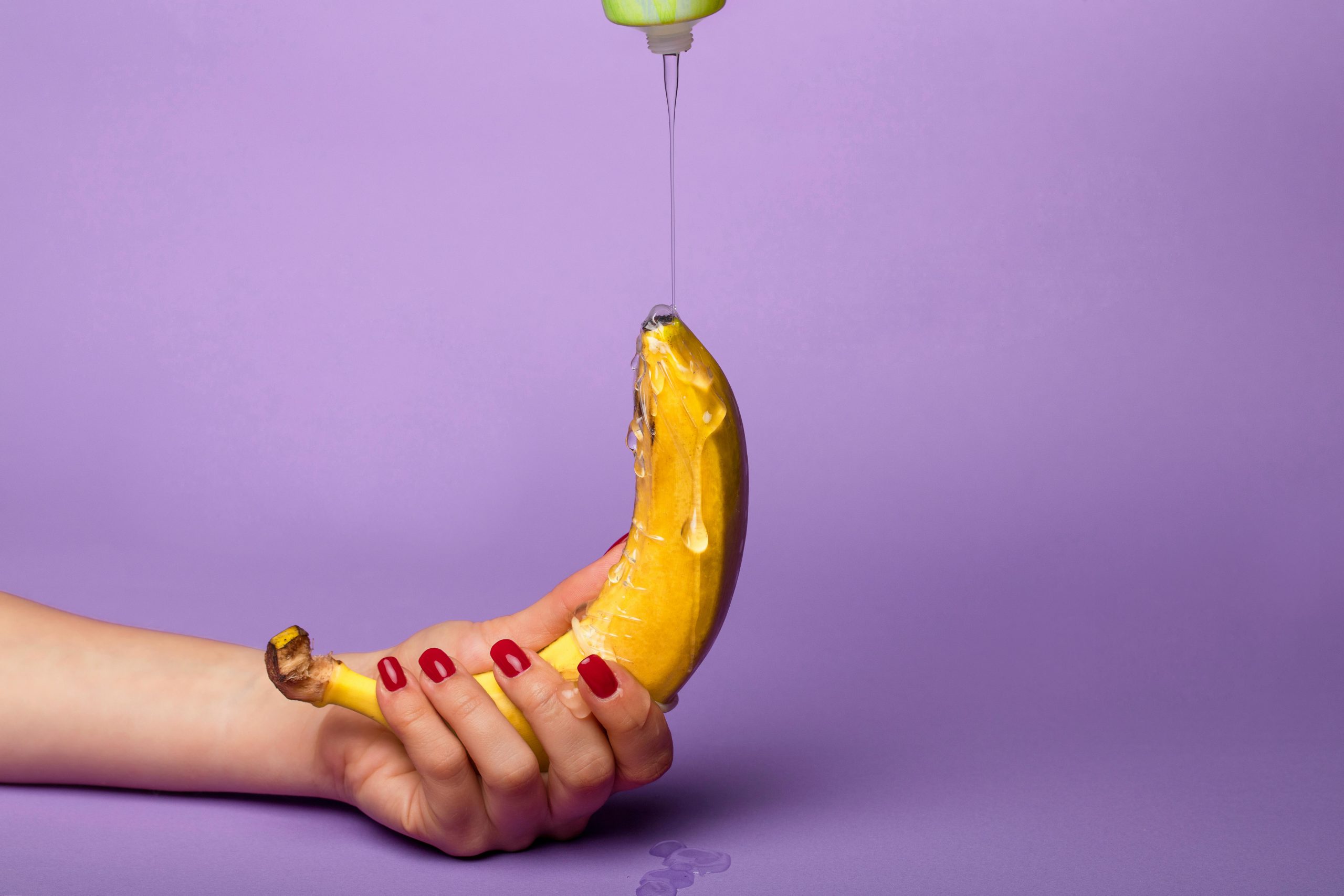
- Start Small: A dime-sized drop warmed between palms spreads farther than you think.
- Target, Don’t Carpet-Bomb: Dot it on him, her, them, or the toy—avoid flooding the entire vulva or glans.
- Wipe & Refresh: Feel a slump? Swipe with a warm washcloth before round two of lube; you’ll reboot friction and body heat.
- Layer the Senses: Combine lube with manual or oral touch so nerves stay engaged while friction stays friendly.
When Reduced Sensation Might Be Beneficial (or Intended)
Sometimes you actually want the volume knob lower: guys managing premature ejaculation, partners exploring marathon sessions, or people with conditions like vulvar vestibulitis where friction = pain. In those cases, a benzocaine product used consciously—and with partner knowledge—can flip the script from “too much” to “just right.” Communication is the safeword.
Frequently Asked Questions (FAQ)
Q: Does all lube reduce sensation?
A: Nope. Most standard lubes just cut friction. If you feel deadened, check thickness, ingredients, or amount.
Q: I feel numb after a plain water-based lube. Why?
A: Could be high glycerin, a thick polymer, or a preservative your skin hates. Try a thin, glycerin-free silicone or hybrid.
Q: Are silicone lubes better for sensation?
A: Many say yes—thin, long-lasting, no cold evaporation. Patch test first; silicone doesn’t suit everyone.
Q: How can I spot numbing agents?
A: Hunt for “delay,” “prolong,” or active ingredients benzocaine/lidocaine on the label.
Q: Can I mix lubes?
A: Generally, no. Oil breaks latex; silicone and oil can curdle; water + silicone usually safe but performance varies. Stick to one proven product.
Conclusion: Enhancing Pleasure Through Informed Choices
Lube isn’t the villain—ignorance is. Numbness usually comes from a too-thick coat, a sneaky anesthetic, or user error, not from the mere concept of extra slip. Read labels like you read restaurant reviews, start small, warm it up, and communicate with your co-star. Do that and you’ll turn “Why lube can diminish sensation” into “Why lube just made everything better.”