1. Sex During Cold Weather: Health Benefits and Potential Risks
Intercourse on frigid days is more than a cozy pastime. A 2022 survey by the Kinsey Institute found that 62 % of American adults report stronger orgasms when the bedroom is below 68 °F (20 °C), probably because cooler air stimulates the sympathetic nervous system and heightens skin-to-skin thermoreception. Blood pressure, however, rises 5–10 mmHg during arousal; the American Heart Association reminds us that sudden cold exposure plus sexual excitement can double cardiac workload in people with coronary disease. Dress the windows, not the body: keep the room at 64–66 °F (18–19 °C) and warm the bed with an electric blanket 20 min beforehand so vasoconstriction is minimized when skin meets skin.
2. A Low-Temperature Guide to Heating Up Emotional Intimacy
Winter nights lengthen circadian melatonin release, which can flatten mood and libido. Couples who deliberately schedule “no-device” evenings report 30 % higher relationship satisfaction, according to a 2021 Journal of Social & Personal Relationships study. Use the cold as a built-in excuse to slow down: share a fleece blanket, take turns reading erotica aloud, or trade 5-minute scalp massages while the radiator hums. The extended foreplay increases oxytocin, the “bonding hormone,” counteracting seasonal affective dips and priming both partners for more connected sex.
3. Staying Warm: Practical Comfort Hacks
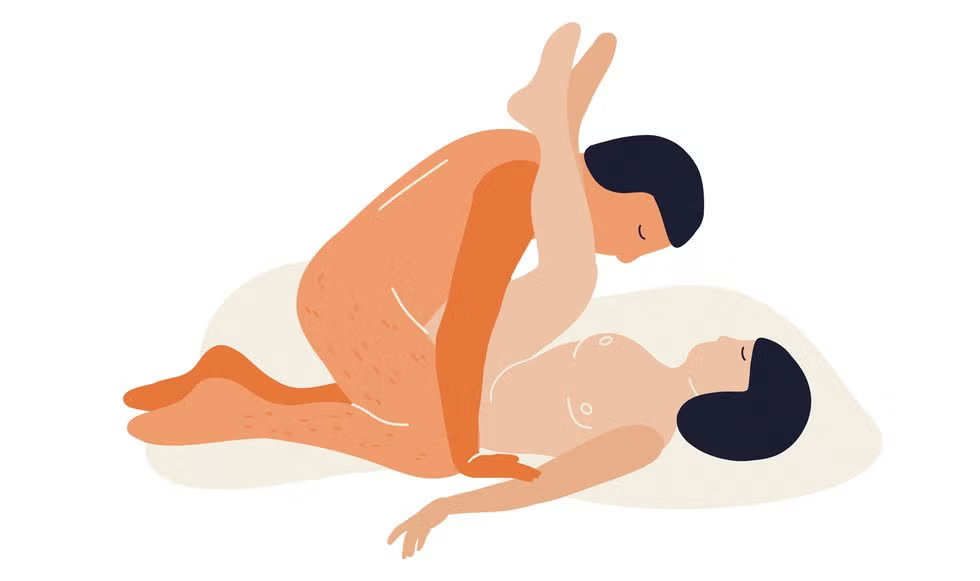
Start with the base layer: merino-wool long johns wick moisture and retain heat even when tossed on the floor. Place a thick area-rug beside the bed so bare feet never meet icy hardwood. Switch ceiling fans to clockwise on low; the gentle updraft pushes rising warm air back down and can raise perceived temperature by 2 °F without touching the thermostat. Finally, slide a microwaveable flax-seed heat pack under the lumbar region during missionary or under the knees during oral—targeted warmth relaxes the pelvic floor and deepens breathing.
4. Combating Winter Skin Dryness
Indoor humidity often drops below 25 % once heating systems kick in, stripping natural oils that facilitate friction-free movement. Dermatologists at Mayo Clinic recommend a two-step approach: first, apply a silicone-based moisturizer (dimethicone) at least 30 min before sex so pores can absorb without leaving a greasy film on sheets. Second, choose a hybrid lubricant—70 % water, 30 % silicone—which stays slick longer in low humidity yet rinses off easily. Avoid glycerin-heavy formulas; they draw water out of already-thirsty epidermis and increase micro-tear risk.
5. Safe-Sex Precautions Against Colds and Hypothermia
Common colds peak when absolute humidity falls, not merely temperature. A 2020 NIH study showed rhinovirus replicates 40 % faster in nasal passages below 37 °C. Kissing, therefore, is the most efficient transmission route. Get flu shots by late October, keep alcohol-based sanitizer on the nightstand, and agree on a “no-make-out” rule if either partner feels post-nasal drip. To prevent after-sex chills, have a robe and wool socks within arm’s reach; core temperature drops quickly once exertion ends, and damp skin accelerates heat loss eight-fold.
6. Seasonal Creativity: Winter-Themed Erotic Play
Transform the bedroom into a Nordic cabin: dimmable fairy lights shaped like tiny pine cones, a playlist of crackling-fire ASMR, and a faux-sheepskin throw that invites bare skin without the ethical qualms. Try the “fireside cowgirl”: position a small space heater (with safety grill) 3 ft from the foot of the bed so radiant heat warms the receiver’s back while the rider faces the glow. Introduce temperature-contrast toys—glass or steel wands chilled in a bowl of snow-water for 3 min, then traced along inner thighs. The rapid cold-to-warm shift awakens dormant thermoreceptors and can intensify climax.
7. Immunity and Intimacy: Winter-Specific Advice
Moderate sexual activity (1–2 times per week) raises salivary immunoglobulin A by 20 %, a marker linked to fewer respiratory infections, according to a 2021 Brain, Behavior, & Immunity paper. Overdoing it, however, elevates cortisol and reverses the benefit. Balance is key: pair each intimate session with 500 ml of water and a vitamin-C-rich snack (kiwi, bell-pepper strips) to replenish antioxidants lost through physical exertion. If one partner is recovering from flu, wait at least 48 h after fever breaks; viral shedding remains high and strenuous breathing can trigger lingering cough reflexes.
8. How Cold Alters Physiological Arousal
When ambient temperature dips, sympathetic nerves constrict peripheral vessels, shunting blood to the core. Paradoxically, genital arousal relies on parasympathetic dilation. The clash can delay penile erection by 30–60 s and reduce natural vaginal lubrication up to 25 %. A simple counter-measure: engage in 5 min of whole-body dynamic stretches—hip circles, cat-camel, jumping jacks—before touching erogenous zones. The mild exercise flips the autonomic balance toward “feed-and-breed” mode, restoring blood flow where it matters most.
9. Psychological Adjustment for Winter Libido
Shorter photoperiods suppress hypothalamic gonadotropin-releasing hormone, cutting baseline testosterone by 10–15 % in northern latitudes. Combat the slump with morning light therapy (10 000 lux for 20 min) and a high-protein breakfast; both interventions stabilize dopamine pathways that gate sexual motivation. Couples can also reframe winter sex as “hygge with benefits,” focusing on shared warmth rather than performance metrics. Cognitive reframing lowers performance anxiety and has been shown to restore subjective desire to summer levels within two weeks.
10. Communicating Seasonal Desire Mismatches
One partner may crave skin-to-skin contact while the other recoils at the thought of leaving a toasty blanket. Use a 1-to-10 “warmth willingness” scale during a neutral moment (not when either person is rejected). If the gap exceeds 4 points, negotiate a compromise: the colder partner chooses ambient heating aids (space heater, thicker duvet) while the warmer partner selects lingerie or role-play scenarios. Writing the agreement on paper turns invisible expectations into tangible trade-offs and reduces resentment, a technique endorsed by the Gottman Institute.
11. Emergency Protocols When the Heat Goes Out
Power outages can turn intimacy risky within 30 min once indoor temps fall below 50 °F (10 °C). Keep a “blackout box” beside the bed: two emergency mylar blankets (reflect 90 % body heat), a rechargeable hand-warmer that doubles as a 5200 mAh phone charger, and chem-light sticks for safe illumination without open flame. If someone begins to shiver, stop sexual activity immediately—shivering burns 400 kcal/hr and can mask signs of hypoglycemia. Share body heat spoon-style under the mylar layer and sip a sweet hot drink if available; resume only when core warmth is regained.
12. Global Winter Traditions: Learning from the Nordics
In Denmark, the concept of “hygge” explicitly links coziness to marital satisfaction; 78 % of couples who light candles nightly report higher sexual frequency, per a 2019 Aarhus University survey. Iceland’s tradition of “jólabókaflóð” (Yule book flood) couples literature and libido—partners gift each other erotic poetry, then read aloud under heavy duvets. Adopt the Icelandic angle by choosing a steamy audiobook and setting a “one chapter, one orgasm” rule; the narrative pacing delays climax and aligns with edging techniques praised by sex therapists.
13. Cold-Weather Sex Kit Checklist
1) Two-piece merino base layers (easy to peel off). 2) USB-powered heated mattress pad with dual-zone controls. 3) Silicone-based lube in an 8-oz pump bottle—larger size prevents mid-act fumbling. 4) Flax-seed heat pads, microwave 90 s. 5) Insulated stainless-steel water carafe to prevent dehydration without leaving the bed. 6) A “quick-clean” pack: unscented baby wipes and a microfiber towel for rapid post-coital freshening when the bathroom feels arctic. Store everything in a bedside crate so nothing interrupts the flow from desire to afterglow.
14. Special Considerations for Chronic Illness
Rheumatoid-arthritis patients often experience morning stiffness amplified by cold. Schedule sex for late afternoon, when joint flexibility peaks, and keep a heated blanket wrapped around affected limbs during foreplay. Asthmatics should use their bronchodilator 15 min beforehand; the warmth of arousal can paradoxically trigger exercise-induced bronchospasm once breathing deepens. For those on beta-blockers, which blunt heart-rate response, choose positions that allow self-pacing (side-lying or seated) and monitor for undue fatigue. Always discuss symptom triggers with both your physician and your partner—transparency is the safest aphrodisiac.