The Art of Playful Teasing
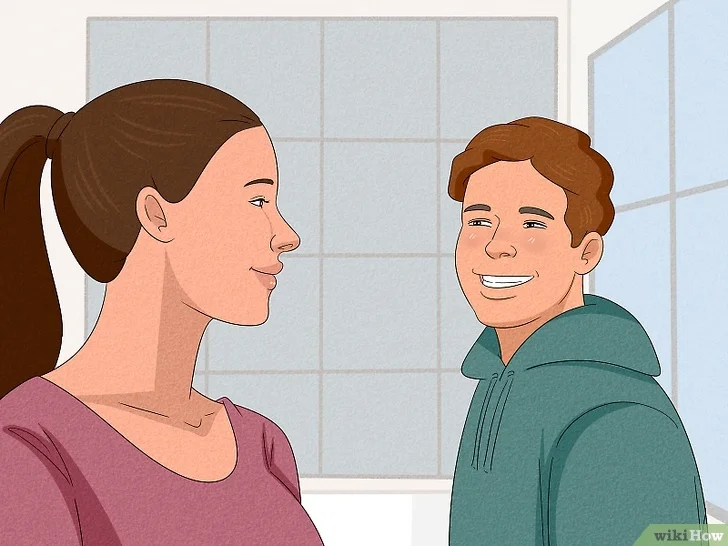
Have you ever left a first date buzzing, not because of a fancy dinner or expensive gifts, but because you spent two hours trading silly jokes that had both of you snort-laughing in public? If so, you’ve seen firsthand the power of playful teasing: it’s the secret sauce that turns awkward small talk into electric, memorable connection. For anyone trying to spark romantic interest, it’s far more effective than generic compliments or rehearsed pickup lines. In this guide, we’ll break down exactly what playful teasing is, why it works so well, the 10 specific teases women tend to love most, and how to use them respectfully without crossing into awkward or mean territory.
What Are “Playful Teases” and Why Do They Work?
First, let’s clear up a common misconception: playful teasing is not mean-spirited mockery, bullying, or backhanded insults. It’s a light, affectionate, consensual form of banter that’s designed to make both people laugh, not leave one person feeling hurt or embarrassed. The line between playful teasing and offensive commentary is clear: if the other person doesn’t find it funny, if it targets a known insecurity, or if it’s said in a harsh tone, it’s not playful teasing.
The core logic behind its effectiveness ties to the push-pull dynamic of attraction, as outlined in a 2018 Psychology Today piece on romantic dynamics. Unlike constant, predictable niceness that can feel boring or inauthentic, playful teasing offers a tiny, low-stakes “push” (a gentle challenge or joke) followed by warmth (affection, laughter, a sincere follow-up), which activates the brain’s reward centers far more than one-note politeness.
The Psychology Behind the Secret Appreciation
There’s actual science behind why playful teasing feels so good and builds attraction so quickly. First, it creates small, positive emotional spikes: that tiny jolt of surprise when someone teases you, followed by laughter, releases dopamine, the brain’s pleasure chemical, which people start to associate with the person who made them feel that way.
Second, playful teasing is a quiet signal of confidence and social intelligence. If you’re comfortable teasing someone gently, it shows you don’t feel the need to people-please or agree with everything they say to impress them, which is far more attractive than coming off as desperate for approval.
Finally, shared humor builds fast intimacy. Scientific American research confirms that laughing together releases oxytocin, the “bonding hormone,” faster than generic small talk about work or the weather. Inside jokes from teasing feel exclusive, like you and the other person are in on a secret no one else knows.
The 10 Playful Teases Women Secretly Love
Each of these teases is low-stakes, respectful, and designed to spark fun back-and-forth, not leave anyone feeling hurt. We’ve included context on why they work and real-world examples to make them easy to implement:
1. The Gentle Challenge on Opinions
Description: Question a trivial, low-stakes opinion she shares, avoiding serious topics like politics, religion, or personal trauma.
Why it works: It proves you’re actively listening to her, and that you have your own personality instead of being a yes-man who agrees with everything she says to impress her.
Example: If she mentions pineapple is her favorite pizza topping, gasp dramatically and say, “Wait, hold on, we’re going to have to pause this date right now until you defend that wildly unhinged take. Do you also put marshmallows on burgers, or is this the only chaotic food opinion you have?”
2. Humorous Exaggeration of a Quirk
Description: Affectionately blow a tiny, cute, unproblematic habit or quirk of hers out of proportion.
Why it works: It shows you notice small, specific details about her, which feels far more special and personal than generic compliments.
Example: If she keeps sneaking fries off your plate throughout dinner, laugh and say, “Oh I see the play here. You only asked me out to get unlimited access to my side dishes. I should have spotted the red flag when you asked if I ordered fries before we even sat down.”
3. Playful Competition Banter
Description: Lean into friendly, low-stakes competition during casual activities, with no sore loser energy.
Why it works: Journal of Social and Personal Relationships studies show that shared low-stakes competition boosts attraction by creating shared excitement and playful tension.
Example: If you’re playing mini-golf and she gets a hole in one, pretend to pout and say, “Okay that’s it, you’re clearly a mini-golf pro who lied about being a beginner. I demand a rematch, and the loser buys the post-game mint chocolate chip ice cream.”
4. The “I Noticed That” Tease
Description: Playfully reference a tiny, almost unnoticeable action or choice she made, no creepy over-observation.
Why it works: It makes her feel seen, rather than like you’re just scrolling your phone while she talks.
Example: If you notice she’s humming a Taylor Swift deep cut under her breath while looking at the drink menu, say, “Wait, is that ‘Cardigan’? I didn’t take you for a secret Swiftie who serenades cocktail lists. I’m obsessed with that energy.”
5. Self-Deprecating Set-Up
Description: Make a light, non-pitying joke at your own expense first, then loop her into the bit.
Why it works: It shows you don’t take yourself too seriously, which lowers her guard and makes her more comfortable being playful back.
Example: Say, “Full disclosure, I’m terrible at picking movies, I always go for the cheesy 2000s rom-coms. Don’t judge me too hard, but if you make fun of my terrible taste, I’m making you bring the popcorn for our next movie night.”
6. Role-Playing a Silly Scenario
Description: Build a ridiculous, low-effort fake role-play based on your current context, and invite her to join in.
Why it works: It creates an instant inside joke, making it feel like you two are in on a secret no one else around you knows.
Example: If the barista misspells both your names on your coffee cups, say, “Okay, from now on our names are definitely ‘Brandon’ and ‘Kylie’ according to this cup. We’re a suburban couple who loves hiking and complains about HOA fees now. What’s our first order of business?”
7. Mock “Complaint” About Her Positives
Description: Frame a genuine compliment as a silly, over-the-top complaint, which feels far more memorable and less awkward than a generic forward compliment.
Why it works: It avoids the cringe of overly formal praise, while still letting her know you appreciate her.
Example: If she sends you a funny meme while you’re at work, reply, “Ugh, stop sending me such good memes, I’m supposed to be finishing this quarterly report and I keep snort-laughing at my desk. My boss is already side-eyeing me, this is 100% your fault.”
8. Teasing About Shared Interests
Description: Build inside jokes around hobbies, media, or experiences you both love.
Why it works: It builds a unique, exclusive bond that can’t be replicated with generic small talk.
Example: If you both are obsessed with the same cheesy 90s fantasy show, and she mentions she rewatched an episode last night, say, “Wait, you watched the episode with the terrible CGI dragon without me? I can’t believe you’d betray our fandom like this. I’m going to have to rewatch it twice to make up for you leaving me out.”
9. The Lighthearted “Test”
Description: Ask a ridiculous, no-stakes hypothetical question as a “compatibility test” with zero real pressure.
Why it works: It sparks creative, fun conversation instead of the usual boring “what do you do for work” small talk.
Example: Say, “Okay, quick critical compatibility test: if you were stuck on a desert island, would you bring unlimited pizza, unlimited wine, or unlimited episodes of The Office? Choose wisely, this will determine the rest of our friendship.”
10. Physical Banter (With Clear Consent)
Description: Super light, playful physical interaction only if she’s already leaning in, touching your arm first, and clearly comfortable with physical closeness. Never initiate physical touch if you’re not 100% sure she’s open to it.
Why it works: It adds a subtle, playful physical layer to your connection without crossing boundaries or feeling creepy.
Example: If you’re playing pickleball and she hits a shot that just barely misses you, pretend to duck dramatically and laugh, saying, “Whoa, you’re trying to take me out! I’m going to have to start wearing a helmet around you from now on.”
How to Implement These Teases Effectively: A Practical Guide
The most important rule for all playful teasing is to prioritize fun and respect above all else. If it doesn’t feel fun for both of you, you’re doing it wrong.
Pay attention to timing and context: never tease during serious conversations, like if she’s talking about a family loss, a stressful work situation, or other sensitive topics. Save teasing for casual, low-pressure moments like first dates, flirty texts, or weekend hangs.
Learn to read her feedback: if she teases you back, laughs loudly, leans in, or asks follow-up questions, that’s a clear sign she’s enjoying it. If she gives a tight, forced smile, gives short one-word answers, or changes the subject, pivot immediately to more sincere conversation, no questions asked.
Balance teasing with genuine connection: teases are a fun icebreaker, but they should be paired with real questions and compliments. After you tease her about her pizza opinions, follow up with, “Wait, actually, what’s your go-to pizza order? I’m low-key curious now.”
Common Pitfalls to Avoid
Even the best teases can fall flat if you make these common mistakes:
1. Overusing teasing: If every other thing you say is a joke, it gets exhausting fast, and will make her feel like you’re not capable of being sincere. Aim for one tease for every three or four genuine conversation points.
2. Targeting sensitive topics: Never tease someone about known insecurities, like their weight, financial situation, family issues, or past trauma. Stick to trivial, low-stakes topics only.
3. Ignoring boundaries: If she says “that’s not funny” or looks uncomfortable, apologize immediately and move on. Never double down and say “it’s just a joke” – that makes the situation way worse.
4. Being sarcastic instead of playful: Sarcasm that stings is not playful teasing. If you wouldn’t say the joke to your best friend without hurting their feelings, don’t say it to her.
Benefits and Potential Risks: A Balanced View
When done right, playful teasing has massive benefits: it makes interactions way more fun than boring small talk, builds instant unique connection, shows off your confidence and sense of humor, and breaks relationship ice faster than almost any other strategy.
That said, there are small risks to be aware of. Not everyone loves teasing: some people are more reserved, or come from cultural backgrounds where playful banter is less common, so they may not respond well. To mitigate this, always follow her lead: if she’s not playful back, dial it back and stick to more sincere conversation. If you’re unsure, you can even ask lightheartedly, “I hope that joke wasn’t too dumb, I’m just messing with you” to check in.
Integrating Teasing with Broader Attraction Strategies
Playful teasing is not a standalone “trick” to make someone like you – it’s just one part of a healthy, attractive communication style. Pair it with active listening: you can’t tease her about her quirks if you’re not paying attention to what she says and does. It also works best when paired with genuine, specific compliments: after you tease her about sending you distracting memes, follow up with, “For the record, I do actually look forward to your texts every day, they make my work day way better.”
Teasing is also a great tool for long-term relationships, not just first dates. Years-long inside jokes from playful banter keep relationships feeling fresh and fun, and help you avoid falling into a boring routine of only talking about chores and bills.
Frequently Asked Questions
Q: If my tease is met with silence or a cold reaction, what should I do?
A: Apologize lightheartedly, no over-explaining, and pivot back to the conversation. For example, say “Sorry, that was a dumb joke, let’s get back to that story you were telling about your trip to Costa Rica, that sounded amazing.”
Q: Do these teases work for online dating chats on apps like Hinge or Bumble?
A: They’re perfect for dating apps! They cut through the hundreds of generic “how’s your weekend” messages people get. For example, if her profile says she loves hiking, you can say “Wait, your profile says you love hiking, but do you stop for snacks every 10 minutes like I do, or are you one of those intense hikers who only eats energy bars and doesn’t stop for views? Critical compatibility question.”
Q: How do I tell if she’s actually enjoying the tease or just being polite?
A: Look for reciprocal energy: if she teases you back, laughs openly, or asks you follow-up playful questions, that’s genuine enjoyment. If she only replies with a short “haha” and changes the subject immediately, that’s politeness, so dial back the teasing.
Q: Is it okay to use these teases in non-dating scenarios, like with platonic friends?
A: Absolutely! Playful teasing is a core part of many healthy platonic friendships. Just make sure to skip any flirty undertones if you’re not interested in a romantic relationship, and respect the other person’s boundaries as you would with anyone else.
Q: Is there actual science backing up these tips?
A: Yes! American Psychological Association research found that shared playful humor is one of the top three predictors of initial romantic attraction, and one of the strongest predictors of long-term relationship satisfaction for couples who have been together for 10+ years.
Conclusion: The Key is Playfulness and Connection
At the end of the day, playful teasing isn’t a manipulative trick to “make” someone like you. It’s a tool to make interactions more fun, show off your genuine personality, and build a real, authentic connection with someone you’re interested in.
Don’t stress about getting every tease perfect: the best banter happens naturally when you’re paying attention to the other person and prioritizing mutual fun over “winning” at dating. Attraction is about two people enjoying each other’s company, and playful teasing is just a way to make that process feel easier, lighter, and a lot more fun.
References & Further Reading
For more information on the science of attraction and playful communication, check out these trusted resources:
- Psychology Today’s guide to romantic attraction dynamics
- Attached: The New Science of Adult Attachment by Amir Levine, for more on healthy relationship communication
- American Psychological Association’s resources on healthy relationships
Disclaimer: This article is for educational and entertainment purposes only, and is not a substitute for professional relationship counseling or advice from a licensed mental health provider.