Introduction: Understanding the Risk
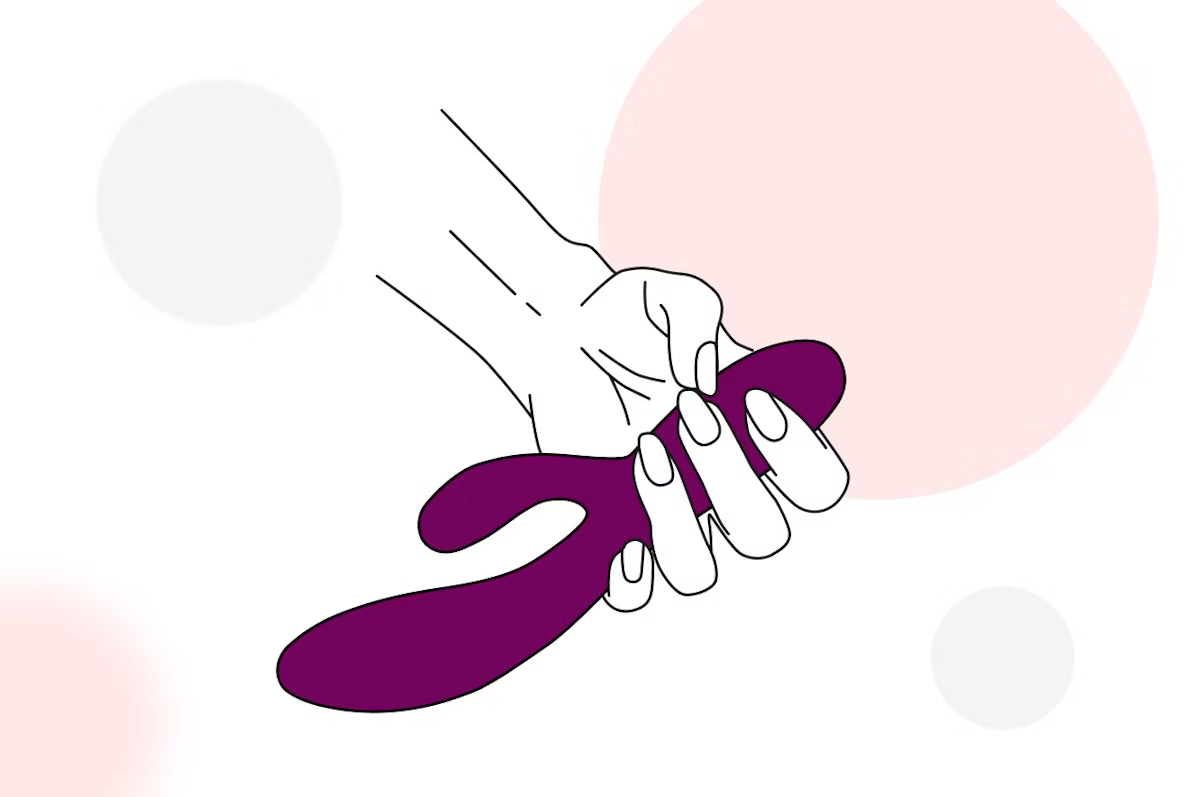
Sex toys have gone from hush-hush bedside-drawer dwellers to mainstream wellness must-haves—think of them as the Peloton of pleasure. Yet, while we happily debate the merits of silicone vs. stainless-steel water bottles, few of us chat about whether our vibrators could double as tiny Trojan horses for chlamydia. Spoiler: yes, sex toys can reinfect you or hand off a brand-new STI if you treat them like a communal coffee mug. The good news? A few simple habits keep the fun—and your health—fully charged. This article breaks down exactly how germs hitch a ride on your toys and the no-nonsense steps to stop them.
Core Concern: How Sex Toys Can Transmit or Reinfect with STIs
The Mechanism of Transmission: Picture an STI pathogen as that one party guest who refuses to leave. Viruses like herpes simplex or HPV, and bacteria such as Neisseria gonorrhoeae, can linger on surfaces anywhere from minutes to days, depending on the bug and the vibe (pun intended) of the room. When your toy’s surface is warm, moist, and—bonus points—porous, you’ve basically rolled out the red carpet for microbial squatters. Next time you play, those germs re-enter the body through microscopic abrasions or mucous membranes, and voilà: infection encore.
Reinfection vs. New Infection: Reinfection is the “Groundhog Day” of STIs—you’ve already been treated, but your toy re-delivers the same bug. A new infection is a fresh pathogen, maybe from Partner B’s toy making its way to Partner A. Both scenarios suck equally, but the fix is identical: clean, cover, or chuck the toy.
Specific STI Risks: Bacterial bad boys (chlamydia, gonorrhea, syphilis) and the protozoan trichomoniasis are the most fragile outside the body—think of them as the avocados of STIs. Still, they can survive long enough on a damp toy to crash your next session. Viruses are the canned beans: HPV and herpes last longer on surfaces, while hepatitis B can stay infectious for up to a week in dried blood. HIV? Technically possible, but the virus is fragile and would need a large, fresh payload and immediate contact—so the risk is “theoretical” rather than top-of-the-list.
Factors That Increase Risk: Porous materials (TPE, “jelly” rubber, cyberskin) are basically microscopic sponges—germs dive in and never check out. Sharing without swapping condoms, double-dipping between anal and vaginal use, or tossing a toy in the bedside drawer still wet from last night’s fun all crank the danger dial to eleven.
Essential Prevention Strategies: Hygiene and Safety Protocols
Choosing Safer Materials: Non-porous is the sexual equivalent of stainless-steel countertops—nowhere for germs to hide. Look for medical-grade silicone, borosilicate glass, or 316 stainless steel. If the Amazon listing screams “jelly,” run faster than you would from an unsolicited dick pic.
Thorough Cleaning After Every Use:
- Rinse under warm water to remove bodily fluids and lube.
- Lather with a mild, unscented soap (the same you’d use on your face—no need for industrial degreaser).
- Scrub for 20–30 seconds, paying attention to ridges and buttons where gunk loves to hide.
- Rinse again and air-dry on a clean paper towel.
Effective Disinfection When Needed: If you’ve had an STI diagnosis or you’re sharing, step it up. Non-motorized silicone, glass, or metal toys can be:
- Boiled: 3–5 minutes in rolling water (use a pasta tong, not your spaghetti spoon).
- Bleached: 1:10 dilution (1 part household bleach, 9 parts water), soak for 5 minutes, rinse thoroughly.
- Dishwasher: Top rack, no detergent, sanitize cycle—yes, your dinner plates and your dildo can coexist, just maybe not at the same time.
Using Barrier Protection: Condoms aren’t just for penises—slap one on any shared toy. Use a fresh condom every time you switch partners, orifices, or holes (anal to vaginal is the classic no-no). Add a dab of lube inside the condom to reduce friction on the toy’s surface. Dental dams can cover external vibes or paddles—think of it as Saran Wrap for your sex life.
The Golden Rule of Sharing: Best practice? Buy your own, label it, and keep it. If you absolutely must share, follow the “airport security” rule: inspect, bag (condom), and disinfect between users. Anything less is basically sharing your toothbrush—except worse, because tooth decay isn’t sexually transmitted.
Proper Drying and Storage: Dry toys completely before storage—bacteria throw pool parties in moisture. Store each toy in its own breathable pouch (cotton or microfiber) to avoid cross-contamination. Skip the original plastic clamshell that slices your finger; a clean sock works in a pinch.
Additional Considerations and Best Practices
Toy-Specific Guidance:
- Vibrators: Remove batteries or unplug before washing to avoid short-circuiting your buzz.
- Anal Toys: Must have a flared base and should never segue straight to vaginal use without a condom swap and full wash—think “highway on-ramp,” not scenic detour.
- Remote-Controlled Toys: Wipe down the remote with alcohol pads; it’s the germiest item in the room after your phone.
When to Retire a Toy: If the surface is sticky, cloudy, or smells like a tire store even after washing, the material is degrading—time to say goodbye. Ditto for any cracks or chips where germs can homestead. Rule of thumb: if you wouldn’t eat yogurt out of it, don’t insert it anywhere else.
Integrating with Overall Sexual Health: Safe toy use is one slice of the wellness pie. Pair it with:
- STI screening every 3–12 months, depending on partner count.
- Open convo with partners: “When were you last tested?” is the new “What’s your sign?”
- Vaccinations: HPV and Hepatitis B shots are FDA-approved power-ups.
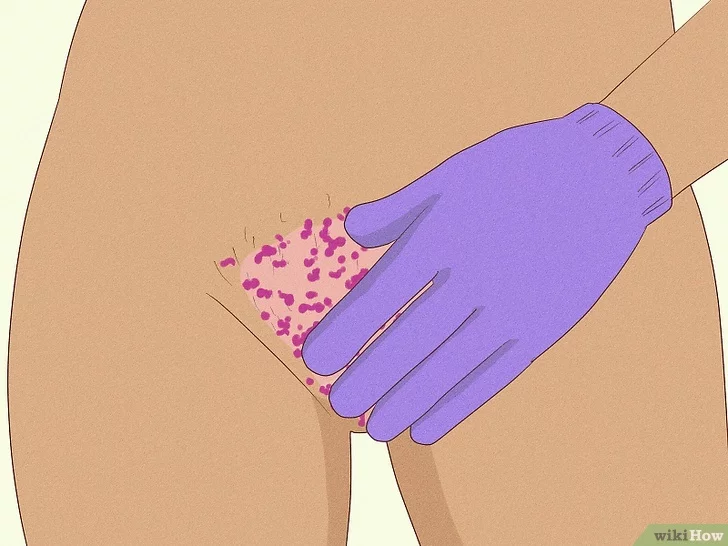
The Role of Healthcare Professionals: Got symptoms—itching, burning, mystery drip? See a clinician before you play detective with WebMD. Bring your toy in a sealed bag if you suspect it’s the culprit; doctors have seen weirder things. They can tailor a prevention plan, including expedited partner therapy if needed.
Frequently Asked Questions (FAQ)
Q: Can I get an STI from using my own toy if I have an infection?
A: Absolutely. If you use a toy while you have, say, chlamydia and don’t clean it properly afterward, you can re-deliver the bacteria once you’ve finished your antibiotics. Clean or condom the toy every single time until you’re officially clear.
Q: How long can STI pathogens live on a sex toy surface?
A: It ranges from minutes (HIV) to several days (hepatitis B in dried blood). HPV and herpes can stick around for 24 hours on non-porous surfaces if the toy stays moist and warm. Moral: don’t wait—wash immediately.
Q: What is the absolute best way to clean a silicone toy?
A: For non-motorized silicone: 3-minute boil or 5-minute 1:10 bleach soak, then air-dry. For motorized silicone: gentle soap wash, rinse, then spray with 70% isopropyl alcohol and let air-dry. Finish with a final rinse to remove any alcohol residue that could irritate delicate tissues.
Q: Is toy cleaner necessary, or is soap and water enough?
A: Mild soap and water is the baseline—think brushing your teeth twice a day. Toy cleaner is the floss: helpful for quick touch-ups or when you can’t get to a sink. Choose alcohol-free, paraben-free sprays to avoid skin irritation.
Q: Can I use the same condom on a toy when switching from anal to vaginal use?
A: Hard no. That’s like wiping back to front—bacteria from the rectum can cause vaginal or urinary tract infections. Swap condoms or wash the toy first.
Q: How do I safely use a toy with a partner during play?
A: Communicate, cover, clean. Decide who’s using what, where, and in which order. Condom on, fun happens, condom off or changed, toy gets washed. Finish with a high-five—safe sex is team sex.
Conclusion: Empowering Safe and Healthy Pleasure
Sex toys are the spice rack of the bedroom—variety, excitement, and zero calories. But just like you wouldn’t sprinkle cinnamon on your latte after it sat on the counter for a week, you shouldn’t let a dirty toy anywhere near your bits. Stick to non-porous materials, clean like you mean it, and slap on a condom when in doubt. Do that, and the only thing you’ll be sharing is the afterglow.
References and Authoritative Resources
CDC – Sexually Transmitted Diseases (STDs) Prevention
American Sexual Health Association
Planned Parenthood – Safer Sex & STIs
Mayo Clinic – STI Overview