You’re rummaging through the nightstand, candles are lit, mood is right, and—jackpot—you find half a bottle of lube from… 2017. The cap still clicks, the label is a little worn, but hey, how bad could it be? Pretty bad, actually. Yes, lube expires. Using it past its prime can turn a sexy evening into an itchy, burning, trip-to-the-pharmacy kind of night. This guide will show you why lubricants have a “deadline,” how to spot the red flags, what health risks you flirt with if you ignore them, and the storage hacks that keep your slippery friend fresh for as long as nature (and chemists) allow.
I. Does Lubricant Expire? (The Core Question Answered)
Flip the bottle and you’ll usually see either an expiration date (EXP 03/2026) or a “Best By” stamp. Think of the expiration date as the manufacturer’s scientific promise: “We can guarantee this formula stays stable and safe until this month.” A “Best By” date is more like the “peak freshness” suggestion you see on coffee beans—after that, flavor (or in this case, viscosity and pH) can nosedive, but it’s not instantly toxic. Still, both timelines matter.
Shelf life isn’t magic; it’s chemistry. Water-based lubes are basically a soup of water, humectants (glycerin, propylene glycol), and preservatives. Over time, water evaporates, preservatives break down, and microbial gate-crashers move in. Silicone formulas last longer because they’re mostly inert polymers, but even those can oxidize when exposed to heat and light, turning your once-silky serum into a gritty goo. Oil-based products (think coconut or petroleum blends) can go rancid as fatty acids oxidize, producing that unmistakable “old French fry” smell. Packaging matters too: an opaque, pump-top bottle keeps oxygen and microbes out better than a clear squeeze tube you leave uncapped on a radiator.
Bottom line? Every time you open the bottle, you invite air, skin flora, and bathroom humidity to the party. Oxidation, hydrolysis, and microbial growth start doing the tango. Given enough time, even the best preservatives wave the white flag.
II. Potential Safety Risks of Using Expired Lube
Old lube isn’t just “less effective”—it can turn traitor. Once preservatives degrade, bacteria and fungi throw their own rave. A 2020 microbiology study found that 28 % of opened, out-of-date lubricants tested positive for Staphylococcus aureus or Candida albicans. Translation: potential yeast infections, UTIs, or worse.
Even if microbes don’t show up, chemical changes can drop the pH from a happy vaginal 3.8–4.5 to an irritating 6.0+. That shift can sting like lemon juice on a paper cut and leave mucous membranes inflamed—rolling out the red carpet for STIs. Oxidized silicone or separated water-based formulas also lose slip, increasing friction during penetrative sex or toy play. More friction equals higher condom-breakage risk, which defeats half the purpose of using lube in the first place.
III. Key Signs Your Lube Has Gone Bad (How to Identify Expired/Contaminated Lube)
Your senses are the first QC lab—no PhD required.
- Visible: Any color shift (clear turning yellow or pink), fuzzy floaters, or a separated oil-on-top layer you can’t shake back together.
- Texture: Grainy bits, stringy slime, or sudden wateriness mean polymers or emulsifiers have given up the ghost.
- Smell: Rancid coconut, burnt plastic, or just “off” chemical notes—trust your nose; it evolved for exactly this kind of safety check.
- Performance: If it stings, burns, or you feel like you’re rubbing sandpaper after two minutes, stop. Lack of glide is a red flag too.
When any of these show up, channel your inner Marie Kondo and thank it for its past service—then toss it.
IV. Essential Storage Tips to Maximize Shelf Life and Safety
Heat, light, and air are the unholy trinity of lube degradation. Treat your bottle like a fine craft beer:
- Cool, dark, dry: A bedroom drawer beats a steamy bathroom shelf. Ideal temp: 5–20 °C (41–68 °F).
- Tight seal: Twist that cap until you hear the click. Oxygen is not your friend.
- No double-dipping: If the bottle doesn’t have a pump, squeeze a dollop onto clean fingers—never touch the nozzle post-play.
- Type-specific hacks:
- Water-based: Fridge storage can stretch life by 3–6 months in hot climates—just label it “NOT FOR BAGELS.”
- Silicone: Keep out of direct sunlight; UV breaks down dimethicone polymers.
- Oil-based: Store upright; leaks stain like nobody’s business.
V. When and How to Safely Dispose of Expired or Suspicious Lube
Don’t pour a full bottle down the drain—it can clog pipes and isn’t great for aquatic life. Instead:
- Seal the bottle in a zip-top bag to prevent leaks.
- Throw it in the regular trash (most municipal systems accept personal-care liquids this way).
- If you have a full jumbo bottle, mix it with an equal amount of unscented cat litter or coffee grounds to solidify, then bag and bin.
VI. Frequently Asked Questions (FAQ)
Q: “Can I use lube past its expiration date if it looks and smells fine?”
A: You could, but you’re playing microbial roulette. As Planned Parenthood notes, preservatives lose potency after the printed date—so “looks OK” ≠ safe.
Q: “Does unopened lube last longer than opened lube?”
A: Absolutely. Oxygen, skin flora, and humidity jump in once the seal breaks, cutting shelf life by 30–50 %.
Q: “What is the typical shelf life for water-based vs. silicone-based lube?”
A: Water-based: 1–3 years unopened, 6–12 months opened. Silicone: 3–5 years unopened, 2–3 years opened.
Q: “Can I transfer lube to a different container for travel?”
A: Only if the new bottle is clean, opaque, and airtight. Travel-size silicone bottles work; random food containers can leach chemicals or introduce bacteria.
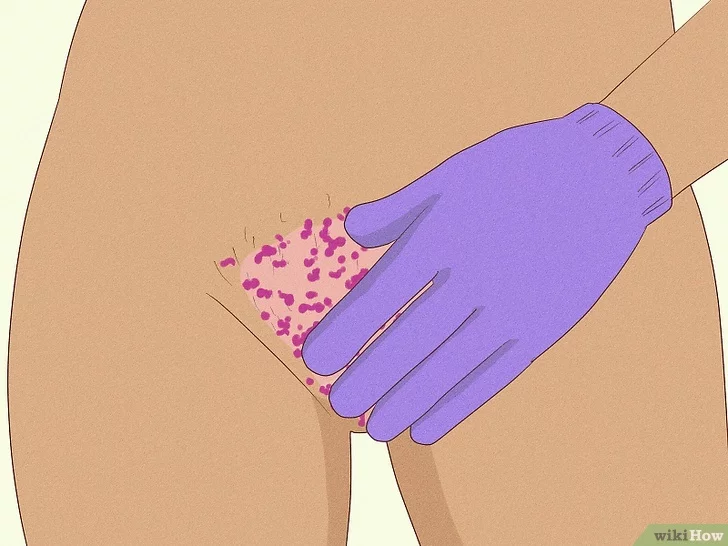
Q: “What should I do if I experience irritation from using a lube?”
A: Rinse with cool water, skip scented soaps, and give your bits a 24-hour “air gap.” If redness, swelling, or discharge shows up, check in with a healthcare provider—Mayo Clinic advises prompt evaluation for persistent symptoms.
VII. Key Takeaways & Best Practices Summary
- Yes, lube expires—water-based fastest, silicone slowest.
- Look for color, texture, smell, or performance changes; any red flag = trash.
- Store in a cool, dark drawer—not the bathroom—cap tightly closed.
- Never double-dip; treat the nozzle like a sterile syringe.
- When in doubt, throw it out—your genitals will thank you.
References & Further Reading
FDA overview on personal lubricant safety, Healthline’s guide to lube types, and peer-reviewed research on microbial contamination in lubricants.
Conclusion
Great sex is all about reducing friction—in more ways than one. Paying attention to that tiny date stamped on your bottle (and the tell-tale signs of spoilage) keeps your most sensitive tissues happy, your condoms intact, and your evenings free of surprise pharmacy runs. Stock fresh lube, store it like a vampire (cool, dark, sealed), and you’ll glide smoothly into safer, comfier pleasure every time.