Picture this: you’ve just crushed a 45-minute spin class, your playlist was fire, and you strut past the gym mirror feeling like the protagonist in an action movie. Then—bam—you notice your brain isn’t the only thing that’s revved up. You’re not imagining it; that post-workout swagger can come with a side of, well, randiness. So, does working out make you horny? Science explains why the treadmill sometimes doubles as an aphrodisiac, and it’s more than locker-room lore. From surging hormones to feel-good neurotransmitters, we’re about to unpack the biology, psychology, and “oh, that’s why” moments behind exercise-induced arousal—while also flagging why some days the only thing you want to curl up with is a protein bar and Netflix.
1. The Core Physiological Link: Hormonal Changes
Think of your endocrine system as the body’s DJ: hit the right beat (or bench press) and the tracks—testosterone, estrogen, cortisol—drop in perfect sync.
The Testosterone and Estrogen Connection
Both men and women get a short-term bump in testosterone after moderate-to-vigorous exercise, especially heavy compound lifts or high-intensity intervals. Mayo Clinic endocrinologists note that even a 15–20% spike—tiny on paper—can translate to noticeable upticks in libido within minutes to hours. Estrogen also rises slightly in premenopausal women post-cardio, priming the vascular and nervous systems for arousal.
Cortisol Reduction and Stress Relief
Exercise literally burns off stress hormone. Lower cortisol means your brain isn’t stuck in fight-or-flight mode, freeing up bandwidth for more, ahem, recreational pursuits. Translation: when you’re not busy mentally outrunning a saber-toothed spreadsheet, you might notice your partner’s new cologne.
The Timing of Hormonal Fluctuations
These surges peak within 30–60 minutes post-session and return to baseline by bedtime, so catching a second wind right after the gym isn’t just convenient—it’s biochemistry.
2. Neurochemical Effects: The “Feel-Good” Factor
If hormones are the bass line, neurotransmitters are the melody—catchy, uplifting, and impossible to ignore.
Endorphins and the “Runner’s High”
Endorphins bind to opioid receptors, dulling pain and lighting up reward centers. The euphoria lowers psychological barriers to sex (ever tried flirting while grimacing? Exactly).
Dopamine, Serotonin, and Reward Pathways
Dopamine spikes anticipate reward; serotonin stabilizes mood. Together they create a neurochemical red carpet for desire to strut down. Healthline likens the duo to “champagne bubbles in the brain”—fun, fizzy, and occasionally leading to poor decisions about karaoke.
Neurochemicals vs. Hormones: A Collaborative Effect
Neurotransmitters act fast (seconds to minutes), while hormones linger. The combo means you feel great now and stay interested long enough to schedule a date night.
3. Psychological and Body Image Influences
Your brain is your largest sex organ—cliché but true.
Boosting Self-Confidence and Body Image
Mastering a new kettlebell swing or shaving a minute off your 5K provides an immediate self-esteem upgrade. Feeling competent in your skin translates to feeling sexy in your skin.
Reducing Anxiety and Inhibitions
Exercise is a natural anxiolytic. Less anxiety equals fewer “what if I look weird?” spirals and more “let’s get weird—in a good way” adventures.
The Mind-Body Connection in Arousal
Mindfulness cultivated during yoga or steady-state cardio teaches you to notice sensations—heartbeat, breath, muscle contraction—mirroring the awareness you tap into during sex. Basically, savasana and afterglow aren’t that different.
4. Blood Flow and Physical Stimulation
Cardio doesn’t just torch calories; it turns your vascular system into an express lane.
Enhanced Cardiovascular Health and Genital Blood Flow
Improved endothelial function means arteries dilate faster, sending blood where it counts. Studies in The Journal of Sexual Medicine show women experience increased clitoral blood volume post-exercise, while men report firmer, faster erections.
Physical Sensations and Indirect Stimulation
Thigh-burning bike sprints stimulate the pudendal nerve; hip thrusts activate pelvic floor muscles. Your workout might double as foreplay without either partner realizing it.
Pelvic Floor Engagement and Sexual Response
Exercises like squats and deadlifts recruit the levator ani group, intensifying orgasmic contractions later. Think of it as pre-gaming your Kegels.
5. Differences Based on Exercise Type, Intensity, and Duration
Not all sweat sessions are created equal.
Cardio vs. Strength Training vs. Mind-Body Exercises
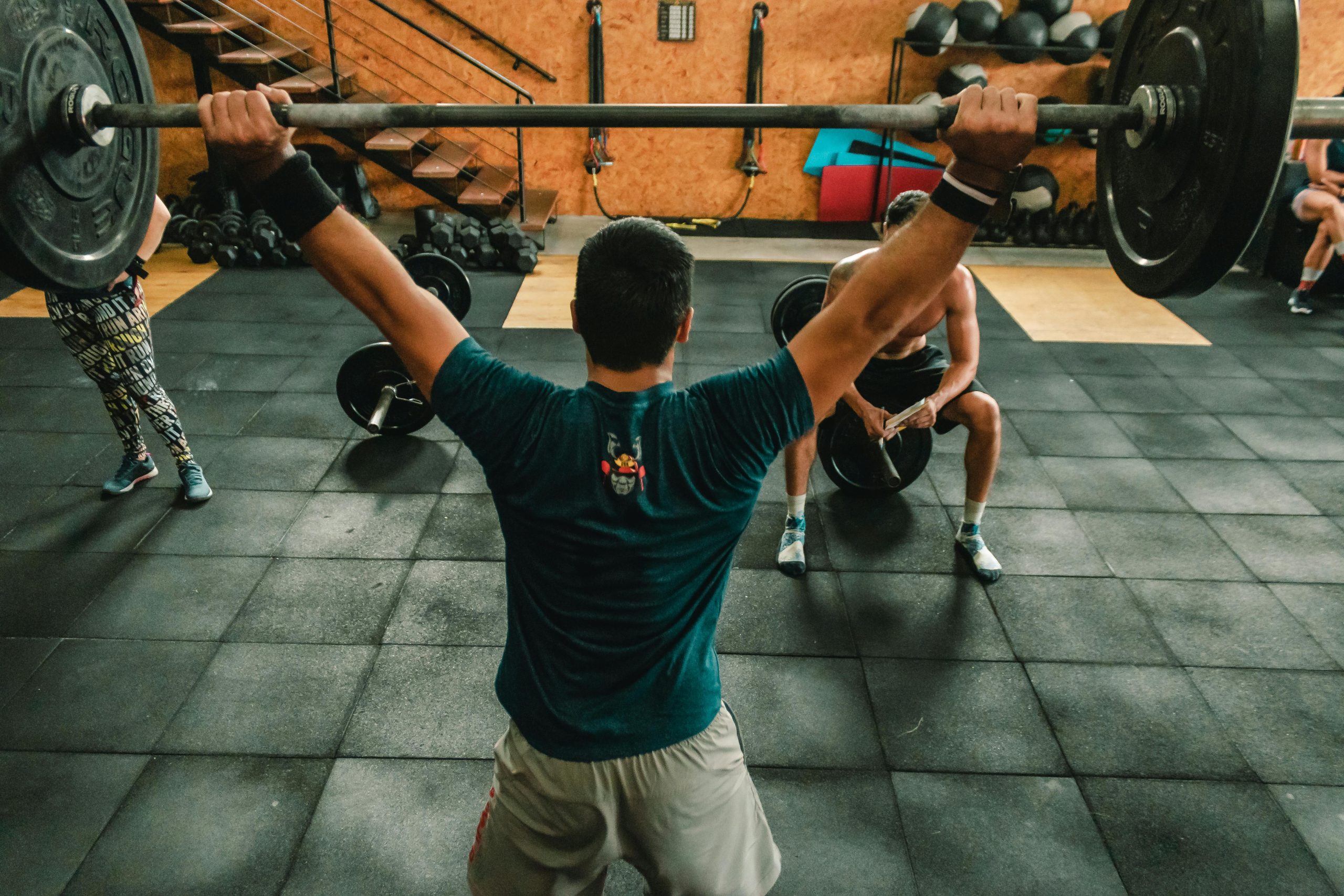
Cardio spikes heart rate and endorphins fastest; strength training wins on testosterone surge; yoga scores on body awareness and anxiety reduction. Variety, anyone?
Finding the “Sweet Spot”: Moderate vs. Exhaustive Intensity
Moderate effort (60–75% max heart rate) boosts libido; ultra-marathon levels can tank it via inflammation and fatigue. Translation: you do you, but maybe don’t PR a deadlift and expect fireworks right after.
Acute Post-Workout Effects vs. Long-Term Fitness Benefits
Acute: immediate neurochemical high. Chronic: lower BMI, better insulin sensitivity, healthier arteries—all libido-friendly. Mix both for best ROI (Return on Intimacy).
6. Individual Variability and Caveats
Because humans are beautifully complicated.
When Exercise Can Decrease Libido: Overtraining and Fatigue
Overreached athletes often report plummeting desire. Cortisol stays high, testosterone dips, and sleep suffers—nothing kills the mood like nodding off mid-kiss.
The Role of Baseline Health and Individual Biochemistry
PCOS, hypothyroidism, or antidepressant use can blunt hormonal responses. Always consult a clinician if low libido persists despite consistent workouts.
Correlation vs. Causation: A Critical Distinction
Exercise correlates with higher libido, but happier people also move more. The arrow points both ways—still, lacing up remains a low-risk, high-reward experiment.
7. Scientific Evidence: What Research Says
A 2019 meta-analysis in Sports Medicine found regular moderate exercise improves sexual function in men and women by 40–60%, measured by validated questionnaires. Randomized trials show strength training twice weekly increases women’s arousal scores more than stretching controls, while 30-minute cycling sessions shorten time to erection in men with mild erectile dysfunction. Gaps remain on optimal dosing and how genetics tweak responses—future sexy science, coming soon.
8. FAQs: Your Questions Answered
Q1: How soon after a workout might I feel this effect?
Usually 15–45 minutes, once heart rate normalizes and endorphins peak.
Q2: Is there a specific “best” exercise for boosting libido?
Hybrid: 20 min moderate cardio + multi-joint lifts. Hits both neurochemical and hormonal buttons.
Q3: Can working out help with sexual dysfunction?
Yes. WebMD reports 160 min/week of moderate exercise improves erectile function as effectively as low-dose PDE5 inhibitors in some men.
Q4: Why do I sometimes feel less interested in sex after exercising?
Overtraining, dehydration, or inadequate calories. Check recovery metrics (resting heart rate, sleep quality).
Q5: Are the effects different for men and women?
Mechanisms overlap, but magnitude varies; women may see bigger body-image boosts, men larger testosterone surges. Both win.
9. Conclusion
So, does working out make you horny? Science explains why the answer is a resounding “quite possibly.” Hormonal spikes, neurochemical fireworks, better blood flow, and a swagger in your step all conspire to turn gym time into foreplay. Still, biology isn’t destiny—overtraining, health conditions, or simply a bad day can mute the buzz. Aim for consistent, balanced movement that leaves you energized, not flattened. Your heart, head, and libido will thank you—probably in that order.