Scroll through any late-night Reddit thread or brunch-group chat and you’ll notice one question keeps popping up: “What does a vibrator actually feel like?” It’s a fair ask. The toy is everywhere—nightstand drawers, pharmacy shelves, even TikTok—yet most descriptions stop at “amazing” or “buzzy,” which is about as helpful as calling chocolate “nice.” In this article we’re zooming in on the sensations themselves, the biology that makes them so delicious, and the practical, life-improving reasons people swear by these pocket rockets. Whether you’re a total novice or a curious partner, consider this your no-blush, evidence-backed field guide to pleasure that fits in the palm of your hand.
1. Describing the Physical Sensations of Using a Vibrator
1.1 The Core Vibration Feel: From Tingling to Rumbling
Think of vibration as a tiny percussion section playing on your skin. At low frequencies it can feel like the fizz in sparkling water—gentle, effervescent, confined to the surface. Crank the motor down into the bass range (think 80–120 Hz) and the sensation drops deeper, more like standing next to a sub-woofer: a rolling, thunderous thump you feel in your bones. The clitoris, packed with 8,000-plus nerve endings, registers both extremes in real time, translating mechanical buzz into electrical sparks your brain reads as “yes, please, more of that.”
1.2 Intensity Spectrum: Subtle Whisper to Powerful Surge
Most quality toys offer at least three intensity tiers. On the whisper end, it’s the delicate flutter of a butterfly wing—perfect for warming up or for people with extra-sensitive anatomy. Mid-range feels like the phone-in-your-pocket vibration, only sustained and spread across a wider surface. High? Picture the force of an electric toothbrush on steroids, but aimed precisely where blood flow and nerve density are highest. The magic lies in the climb: starting low lets tissues engorge gradually, so when you do hit the top tier your body is ready to translate intensity into pleasure rather than discomfort.
1.3 Location, Location, Location: Sensations on Different Erogenous Zones
Clitoral stimulation is the headline act—direct, pinpoint, often leading to a sharp, sparkly orgasm that blooms outward. Internally, against the G-spot or prostate, vibration feels broader, more like a pressure wave coaxing a deeper, drawn-out climax. Try tracing the toy along overlooked real estate—neck, inner thighs, the dip behind the knee—and you’ll discover “side quests” of pleasure: warm shivers, muscle relaxation, and a full-body anticipation that makes the main event even sweeter.
1.4 The Dance of Patterns: Steady, Pulsing, Escalating & More
Steady vibration is reliable, like a drum machine keeping perfect time. Patterns, however, are jazz—syncopated, surprising, capable of stretching your arousal curve. A pulse setting can feel like someone flicking their tongue in Morse code; escalating waves mimic the natural climb of partner sex, giving your brain just enough novelty to stay engaged without tipping over into overstimulation. Pro tip: switch patterns right at the edge of orgasm to experience the “roller-coaster drop” effect—pleasure dips, then surges back stronger.
1.5 Beyond Vibration: Material and Temperature Textures
Medical-grade silicone feels like velvet soaked in silk—soft drag, quick to warm to body temp. ABS plastic is slicker, delivering vibration with almost no buffering, great for power queens. Metal or glass starts cool, adding a pin-prick contrast that can make the ensuing warmth feel electric. Pop a stainless-steel toy in a bowl of warm water for five minutes and you’ve got a faux-partner tongue effect; chill it instead and you awaken temperature-sensitive nerves, turbo-charging every subsequent touch.
2. Understanding the Pleasurable Effects & Why They Occur
2.1 The Science of Stimulation: Nerves and Blood Flow
Vibration is basically a fast-track ticket for nerve recruitment. Mayo Clinic anatomy diagrams show that mechanoreceptors (the nerve endings that respond to pressure and movement) fire more rapidly under oscillation than under static touch. Faster firing equals stronger signals to the spinal cord and brain, which in turn command local blood vessels to dilate. Result: engorgement, heightened sensitivity, and that delicious “full” feeling you notice within seconds.
2.2 The Orgasm Facilitator: Why Vibration is So Effective
About 70% of people with vulvas need external clitoral stimulation to climax—a stat confirmed in multiple Planned Parenthood educational pages. Vibrators deliver consistent, repeatable motion that fingers or tongues simply can’t match, making them a godsend for anyone who’s ever wondered, “Is my body broken?” Spoiler: it’s not. You just needed the right tool.
2.3 The Chemistry of Bliss: Endorphins and Oxytocin
Once climax hits, the hypothalamus floods your system with endorphins (natural opioids) and oxytocin, the so-called “cuddle hormone.” The payoff mirrors the post-workout “runner’s high,” only cozier: lowered cortisol, improved mood, even temporary pain relief. Translation: that post-vibe floaty feeling isn’t in your head—it’s in your neurotransmitters, and it’s fabulous.
3. Exploring the Benefits & Reasons Why Vibrators Are “Great”
3.1 Empowerment Through Self-Discovery and Solo Pleasure
Masturbation is a rehearsal space for your desires. Mapping what pressure, angle, and rhythm make you gasp arms you with a blueprint you can hand over to partners—or enjoy solo on nights when you’re your own best date. Knowledge is power, and in this case the power also comes with orgasms.
3.2 Spicing Up Partnered Play: A Tool for Connection
Couples who incorporate toys report higher sexual satisfaction, according to a 2016 Journal of Sex Research study. A vibe can level the orgasm gap, turn quickies into marathons, and add the thrill of shared mischief—nothing says “we’re teammates” like passing the remote control across a restaurant table.
3.3 Addressing Sexual Well-being: From Anorgasmia to Stress Relief
Health professionals routinely recommend vibrators for anorgasmia, pelvic-floor tightness, and low libido tied to antidepressant use. The rhythmic stimulation can also ease menstrual cramps and shorten the time it takes to fall asleep—basically a spa treatment you can store in your sock drawer.
3.4 Boosting Confidence and Body Awareness
Every time you bring yourself pleasure on purpose, you reinforce the narrative that your body is capable and worthy. Over time that confidence leaks into everyday life—better posture, freer laughter, and the flirty swagger that says, “Yeah, I’ve got this.”
3.5 Inclusivity and Accessibility: Pleasure for Diverse Needs
Hands-free options, large-button controls, and ultra-quiet motors make vibes usable for people with limited mobility, chronic pain, or shared housing. Whether you’re 19 or 90, gay, straight, or still figuring it out, there’s a shape that fits your anatomy and a speed that fits your mood.
4. Tips for a Great First Experience & Maximizing Sensation
Start slow. Even if you’re a seasoned manual maven, let the toy introduce itself at the lowest setting. Lube is non-negotiable. A dime-sized drop of water-based lubricant cuts friction and amplifies glide—think of it as turning the volume knob from “muffled” to “surround sound.” Experiment with placement. Try indirect stimulation over the clitoral hood or through underwear before going full-contact. Layer sensations. Combine vibration with pelvic-floor squeezes, nipple play, or a steamy audio story to recruit multiple sensory pathways and deepen the finale.
5. Frequently Asked Questions (FAQ)
Q1: Will using a vibrator make me less sensitive or “desensitized”?
Temporary numb can happen if you marathon on high for an hour, but nerves bounce back within minutes to hours. No evidence shows permanent damage from normal use.
Q2: Is the feeling overwhelming? What if it’s too intense?
Start over clothing, use lube, and hover rather than press. Think of it like adjusting shower temperature—ease in until it’s just right.
Q3: How does the sensation compare to manual stimulation or a partner’s tongue/fingers?
Vibration is faster and more consistent; tongues and fingers offer warmth and variability. Many people enjoy the combo platter: toy for precision, partner for emotional spice.
Q4: Can I become “addicted” to using a vibrator?
You can develop a habit, but habits aren’t addictions. Rotate techniques (fingers, shower head, fantasy alone) to keep your neural pathways flexible.
Q5: Are vibrators only for women?
Nope. Penises, perineums, prostates, and nipples all love vibration. Brands now market sleeves, plugs, and rings designed for every body.
Q6: How do I choose the right vibrator for the sensations I want?
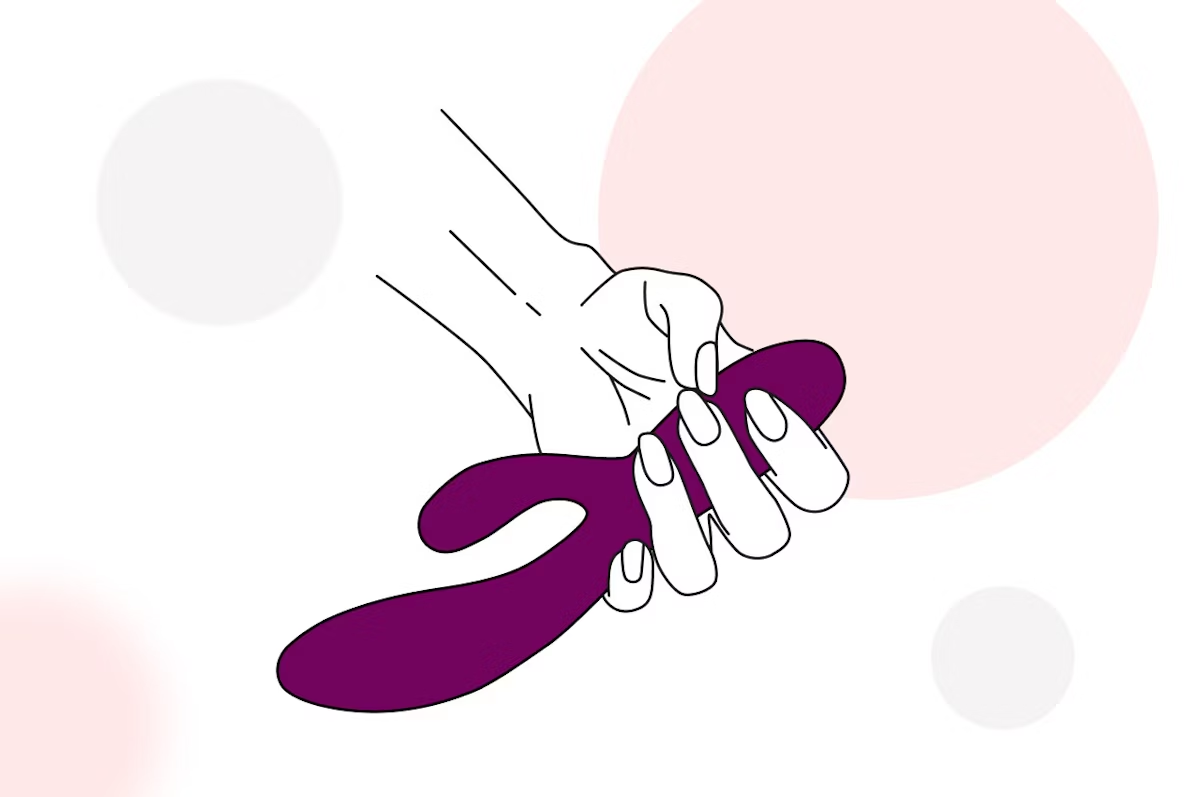
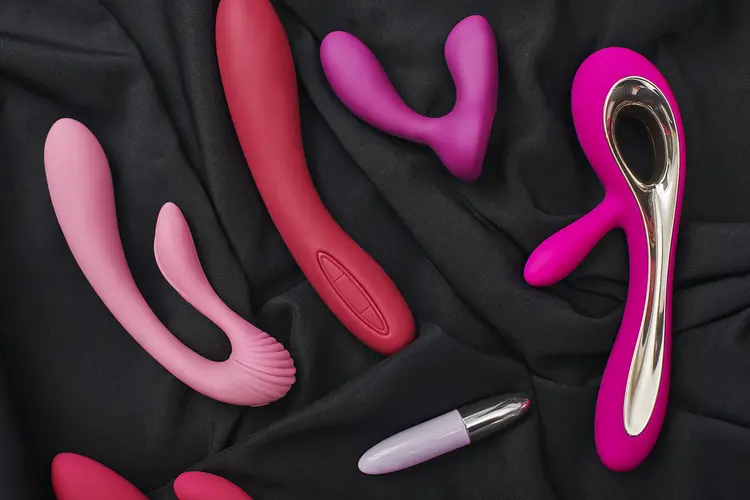
Pinpoint lovers: bullet style. Broad, rumbly feels: wand. Internal + external: rabbit or dual-motor. Read specs—frequency (Hz) and material matter as much as cute colors.
6. Safety and Care Considerations
Stick to FDA-classified body-safe silicone, ABS, or non-porous metals. Wash with unscented soap and warm water before and after each use; store in a breathable pouch to prevent microbial parties. Use water-based lube with silicone toys—silicone-based lube can degrade your pricey silicone toy. Finally, listen to your body: tingling is great; numbness is a cue to take five.
7. Conclusion
So, what does a vibrator feel like? It’s tingles and thunderstorms, whispers and crescendos, a customizable soundtrack for the most personal concert you’ll ever attend. More than a toy, it’s a research-backed ally for better orgasms, deeper sleep, and a kinder relationship with your own skin. Go forth, lube up, and press the button—your nerve endings are waiting for their standing ovation.