Quick quiz: name every erogenous zone you can think of. Most people rattle off “clitoris, G-spot, nipples” and then stall. Yet tucked between the pubic playground and the vaginal VIP lounge sits a tiny, under-celebrated patch called the U-spot. Google it and you’ll find more question marks than answers. Where is the U-spot? Discover and stimulate this erogenous zone correctly and you may unlock a brand-new catalog of tingles, deeper orgasms, and that elusive “How did I not know this existed?” moment.
This guide is your no-blush, science-backed map. We’ll cover the exact real-estate coordinates, the nerve-rich anatomy that makes it sing, practical hand and toy techniques, the sensations you can realistically expect, and—crucially—how to stay infection-free and pressure-free while you explore. Bring curiosity, maybe some lube, and let’s get orienteered.
1. Understanding the U-Spot: Definition and Location
1.1. What Exactly Is the U-Spot? Defining the Erogenous Zone
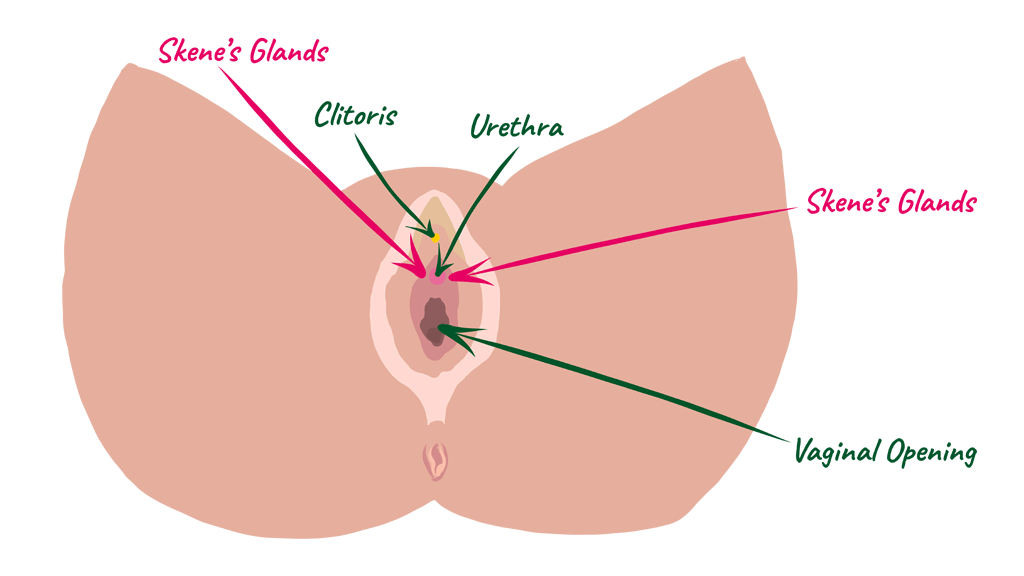
Think of the U-spot as the clitoris’s shy downstairs neighbor. It’s the sensitive tissue that surrounds the urethral opening—essentially a horseshoe-shaped area of thin, vascular skin sitting between the clitoral glans and the vaginal introitus. Unlike the clitoris, it doesn’t have a single dedicated organ; instead it’s a pleasure zone created by a mash-up of the urethral sponge, Skene’s glands, and a riot of nerve endings.
1.2. Precise Anatomical Location: A Detailed Description
Imagine drawing a tiny clock over the vulva while your legs are spread. The clitoral glans sits proudly at 12 o’clock. Travel straight down the midline about 1–2 cm (roughly the width of your index finger) and you’ll bump into a small dimple—that’s the urethral meatus. The U-spot is the soft, slightly puffy rim circling that dimple, extending maybe half a centimeter outward in all directions. It’s anterior (toward the belly) to the vaginal opening and posterior (toward the anus) to the clitoral shaft.
1.3. Visual Guide: Anatomical Diagrams and Illustrations
Because Google images can be a Wild West of mislabeled diagrams, stick with vetted sources: Planned Parenthood’s anatomy explainer or Healthline’s urethral-sponge article. Both show the U-spot as the faintly shaded halo around the urethra—easy to miss if you’re hunting for something the size of a grape.
1.4. How to Physically Identify It: Texture and Sensation Cues
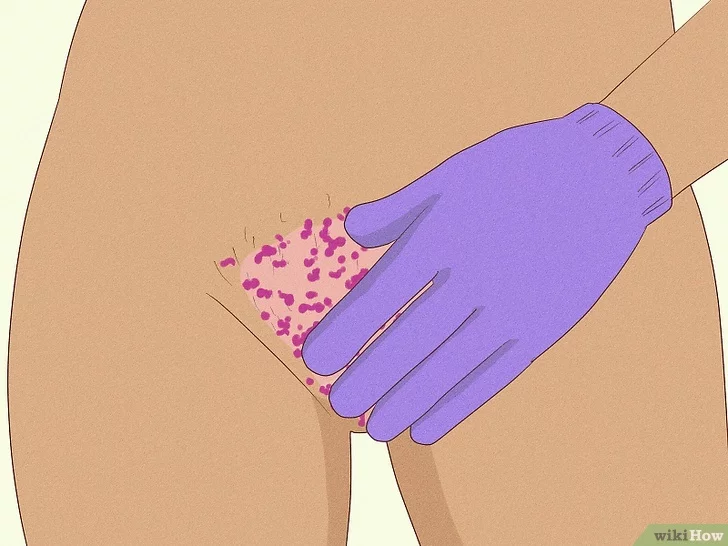
Wash hands, trim nails, grab a mirror. Spread the labia so the clitoral hood and vaginal opening are visible. Swipe a well-lubed fingertip from the clitoris downward. Right before you reach the vaginal rim, you’ll feel a tiny “speed bump” softer than the surrounding tissue. It may feel slightly ridged or spongier when aroused because blood is pumping in. Pro tip: it’s easier to locate mid-arousal when the urethral sponge plumps—so squeeze in some foreplay first.
2. The Anatomy Behind the U-Spot: Why It’s Sensitive
2.1. Physiological Basis: The Urethral Sponge and Skene’s Glands
The urethral sponge is a sleeve of erectile tissue wrapped around the urethra—think of it like a water wing that inflates when you’re turned on. Embedded in that sponge are Skene’s glands, the para-urethral glands often dubbed “the female prostate.” They secrete prostatic-specific antigen (PSA) and other compounds, and they swell during arousal, amplifying sensitivity.
2.2. Nerve Endings and the Science of Sensitivity
The anterior vaginal wall (where the U-spot lives) is dense with branches of the pudendal nerve—the same superhighway that services the clitoris. A 2020 study in The Journal of Sexual Medicine mapped these branches and found a concentration of fine, pressure-sensitive fibers exactly where the U-spot sits, explaining why light, fluttery strokes can feel electric.
2.3. The U-Spot vs. The G-Spot vs. The Clitoris: Relationships and Key Differences
Picture three subway stops on the same line: clitoris (northern terminus), U-spot (midtown), G-spot (downtown). They share nerve tracks but specialize in different feels. The clitoris loves pinpoint vibration; the G-spot craves firm “come-hither” pressure; the U-spot prefers gentle, sweeping touch. Overstimulate it with G-spot force and it can burn like rubbing your eye too hard—light and layered wins the race.
3. How to Discover and Stimulate the U-Spot: A Practical Guide
3.1. Step-by-Step Guide to Self-Exploration
- Set the scene: warm room, locked door, silicone lube within reach.
- Prop a pillow under hips; use a hand mirror.
- Circle the clitoris to boost blood flow—wait until you feel internal swelling.
- With lubed index finger, trace south 1–2 cm until you locate the urethral dimple.
- Experiment: light taps, side-to-side sweeps, tiny ovals. Note what feels yummy vs. “meh.”
- Combine: squeeze pelvic-floor muscles while touching; the sponge pushes closer to the surface, intensifying feel.
3.2. Techniques for Partner Stimulation: Fingers and Positions
Face-to-face beats porn-style angles. Try “modified missionary”: receiver’s hips on a cushion, giver sits back on heels. The giver’s palm faces up, middle and ring fingers enter the vagina shallowly, while the thumb rests on the U-spot. Tiny windshield-wiper motions with the thumb plus gentle in-and-out fingers create a tandem clit/U-spot/G-spot trifecta. Communicate with 1-to-10 pressure scales—“I’m at a 4, nudge to 6, please.”
3.3. The Art of Touch: Pressure, Rhythm, and Motion
Start feather-light; imagine you’re stroking the thin skin of your eyelid. Build to the pressure you’d use to ring a doorbell. Rhythm: begin 60–70 bpm (slow ballad), escalate to 120 bpm (pop anthem) as arousal climbs. Motion menu: side-to-side, infinity loops, rapid drumming with fingertip pad, or a static press while the receiver grinds against you.
3.4. The Role of Lubrication: Why and How to Use It
Even if you gush naturally, add lube. The urethral tissue abrades easily, and friction burn here invites a urinary-tract infection (UTI). Go for silicone-based for longevity or water-based if toys are in play. Slather both finger and target area; reapply every few minutes—think of it like basting a turkey, but sexier.
3.5. Incorporating Sex Toys: Options Designed for U-Spot Stimulation
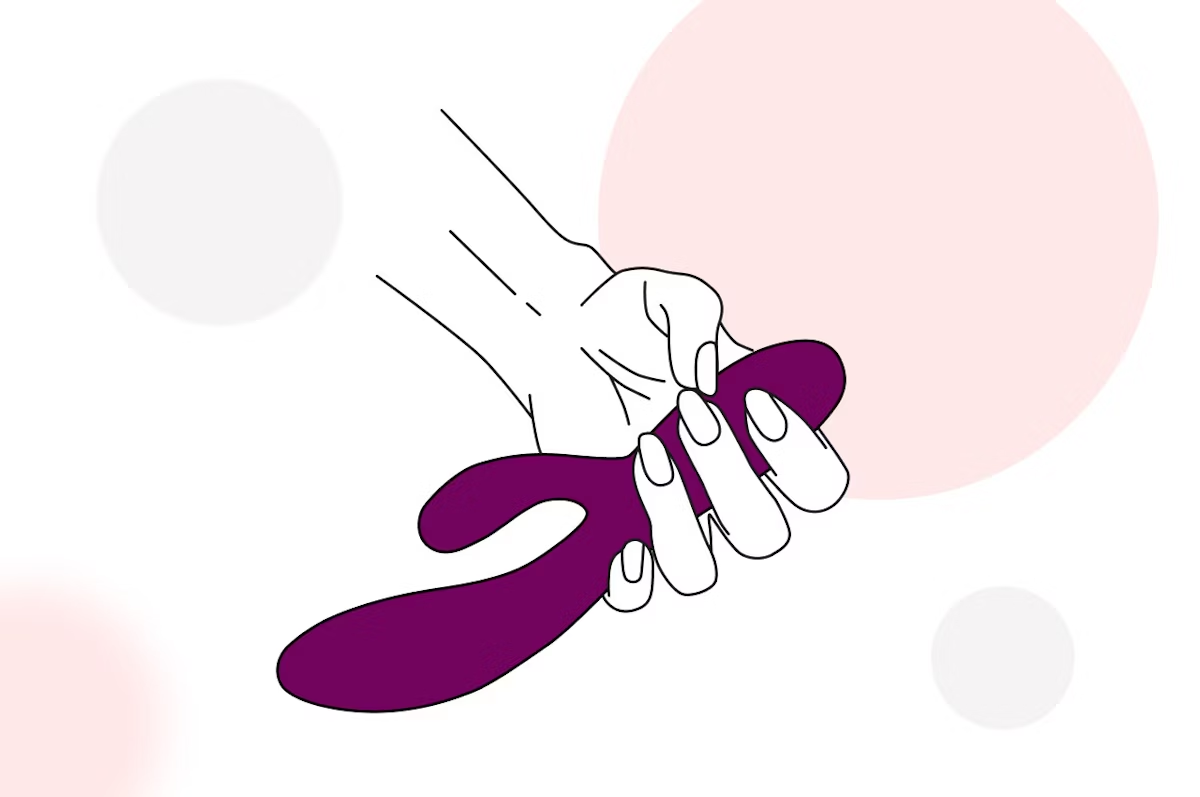
Standard bullets can be too pinpoint. Instead, choose toys with a broad, cupped tip—like the Dame Pom or We-Vibe Tango X used sideways. Set to low, hover over the U-spot, and allow the vibration to travel through the sponge toward the clitoral legs. If you crave internal + external, curved toys such as the Lovense Nora let the external arm rest on the U-spot while the shaft rocks against the G-spot.
4. Sensations, Pleasure, and Potential Responses
4.1. What Does U-Spot Stimulation Feel Like? (Tingling, Fullness, Warmth, Urge to Urinate)
First-timers often report a warm spreading sensation, like sipping hot cocoa in fuzzy socks. As blood pools, you may feel internal fullness even without penetration. The most common head-scratcher: a sudden urge to pee. That’s normal—the urethral sponge engorges and presses the bladder neck. Breathe, relax pelvic muscles; the feeling usually morphs into pleasure within 30–60 seconds.
4.2. Sexual Responses: From Arousal to U-Spot Orgasms
Some people climax from U-spot play alone; others need blended stimulation. Orgasms tend to feel deeper, more “rolling” than clitoral peaks, and can trigger successive waves rather than a single explosion. Keep stimulation steady through the climax—stopping too early can short-circuit the aftershocks.
4.3. The Connection to Female Ejaculation (“Squirting”)
Because Skene’s glands drain into the urethra, intense U-spot arousal can cause them to release fluid. A Healthline explainer notes this fluid is chemically similar to diluted prostate secretions—not straight urine, though traces may mix. If you’re worried, empty your bladder pre-play and lay down a towel; then let the river flow guilt-free.
5. Important Considerations and Safety Tips
5.1. Hygiene First: Preventing UTIs and Infections
Wash hands and toys with fragrance-free soap. Switch condoms when moving from anal to urethral vicinity. Pee after play to flush bacteria. If you’re UTI-prone, consider a prophylactic cranberry tablet—Mayo Clinic notes some evidence supports cranberry PACs reducing bacterial adhesion.
5.2. The Importance of Communication with Partners
Establish a safeword even for gentle exploration. Use real-time feedback—“tiny bit left, softer, perfect!”—rather than post-game debriefs. Normalize the learning curve; laughter when lube shoots across the room is better than awkward silence.
5.3. Starting Slow and Listening to Your Body’s Signals
If you feel burning, numbness, or need-to-pee that never flips to pleasure, stop. Bodies vary day-to-day; hydration, menstrual cycle, and stress all tweak sensitivity. Treat each session as a new experiment.
5.4. Distinguishing Pleasure from Discomfort or Pain
Pleasure = warm, tingly, building. Discomfort = raw, itchy, or sharp. Rule of thumb: if you flinch or hold your breath, ease off. Add lube, lighten pressure, or relocate to the clitoris for a palate cleanser.
5.5. Managing the “Urge to Urinate” Sensation Safely
Empty bladder beforehand. Still feel it? Breathe deeply, bear down gently—this relaxes the pelvic floor and tells the brain, “No bathroom, just bliss.” Over time, neural pathways learn the difference, and the urge fades faster.
6. Frequently Asked Questions (FAQ) and Myths Debunked
6.1. Is the U-Spot the same as the G-Spot?
Nope. They’re neighbors, but the G-spot lives deeper, on the anterior vaginal wall 2–3 inches inside. The U-spot is external-to-shallow and surrounds the urethral opening.
6.2. Does every person with a vulva have a sensitive U-spot?
Most have the tissue, but not everyone finds it pleasurable—kind of like how some people adore foot massages and others tickle violently. Exploration is optional, not mandatory.
6.3. What if I can’t find my U-spot or it doesn’t feel good?
Move on, no FOMO. Erogenous real estate is vast; clitoris, labia, cervix, neck, earlobes—pick your adventure. Sexuality isn’t Pokémon; you don’t need to collect every sensation.
6.4. Is the fluid released during female ejaculation urine? (Debunking Myths)
Meta-analyses in The Journal of Sexual Medicine show ejaculatory fluid contains PSA, glucose, and trace creatinine—chemically distinct from urine. Still, if the bladder is full some dilution is normal; it’s not “just pee.”
6.5. Can U-spot stimulation cause harm?
Only if you ignore basic hygiene or use porn-level pounding. Light touch, clean hands, and lube keep the urethra happy. Persistent pain warrants a urologist or pelvic-floor PT visit.
7. Conclusion and Key Takeaways
So, where is the U-spot? Discover and stimulate this erogenous zone by sliding a well-lubed finger 1–2 cm below the clitoris, tracing the soft rim around the urethra. Treat it gently, communicate shamelessly, and layer sensations until your body writes the user manual for you. Whether you uncover a new orgasmic superpower or simply learn “cool, not my thing,” the process itself is a masterclass in body literacy. Stay curious, stay safe, and remember: pleasure isn’t a destination you sprint to—it’s a playground you’re allowed to meander across, swings, slides, and all.
References & Further Reading
Planned Parenthood: Sexual & Reproductive Anatomy
Healthline: Female Ejaculation
Mayo Clinic: Urinary Tract Infection
The Journal of Sexual Medicine: Female Ejaculation & Urethral Sponge Mapping
Nagoski, E. (2015). Come As You Are. Simon & Schuster.