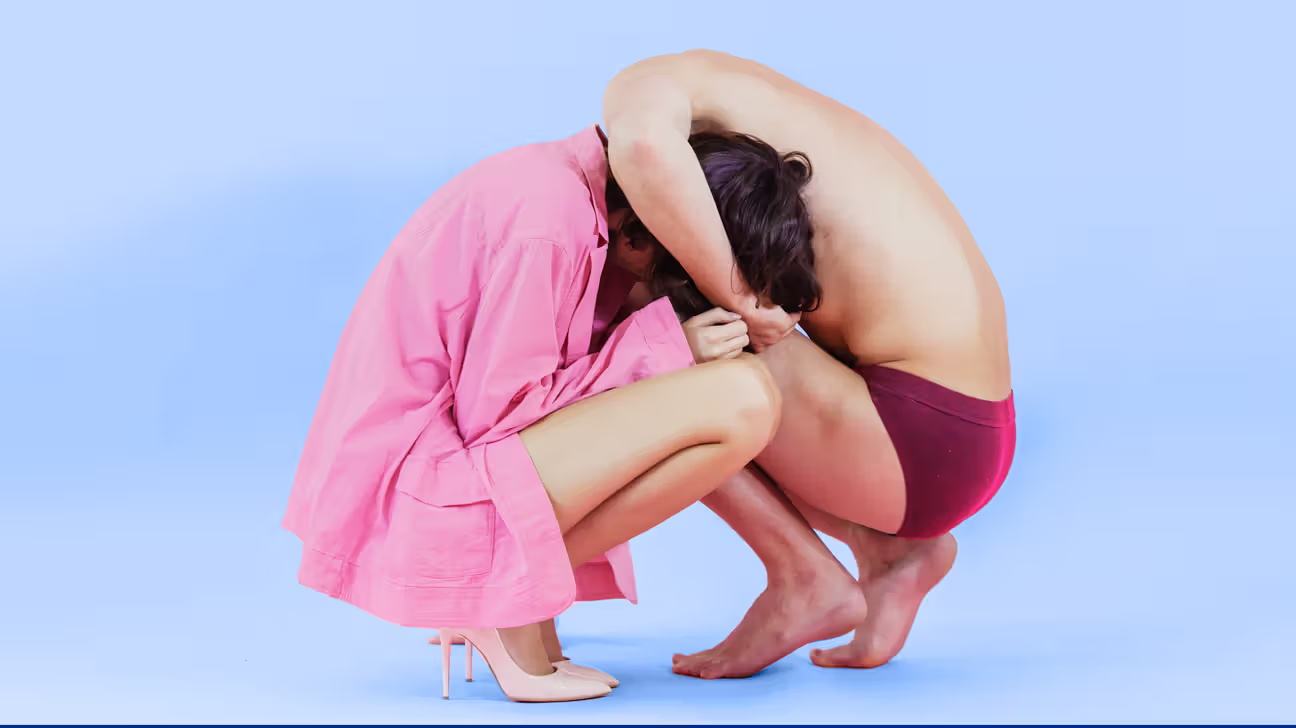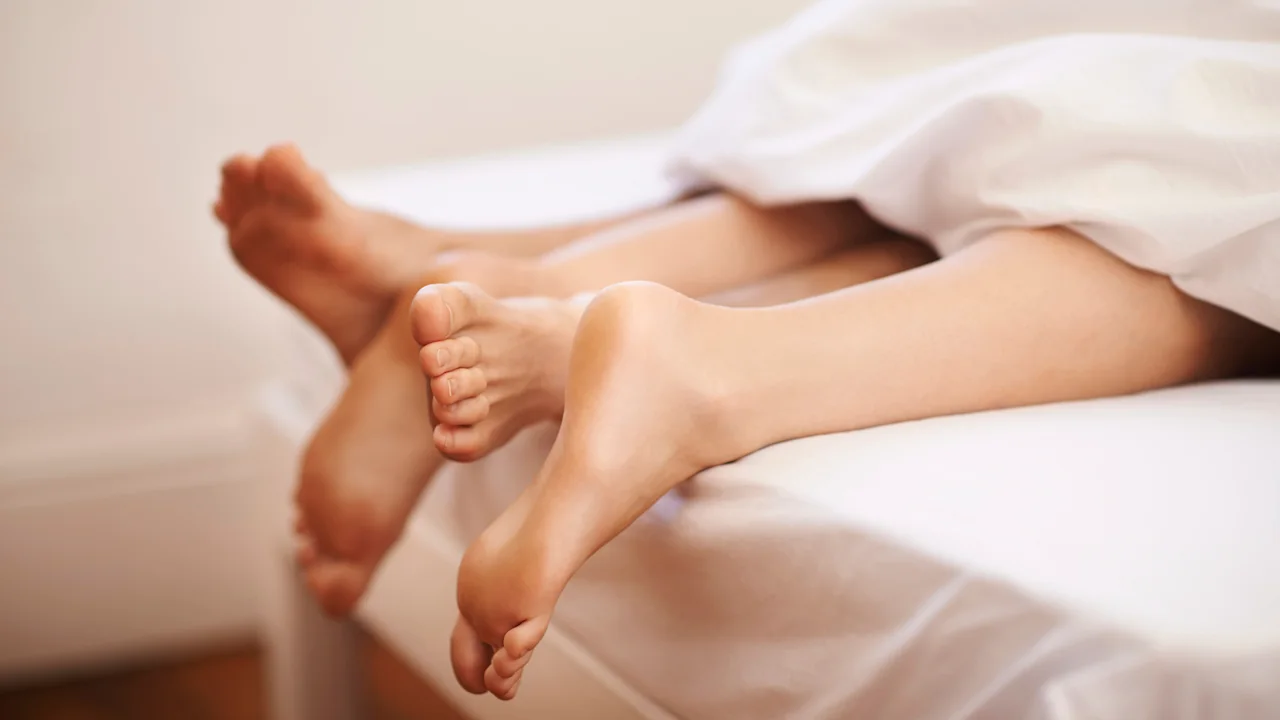
Picture this: the grand finale is over, the sheets look like modern art, and suddenly your legs are doing an involuntary tap dance worthy of a Broadway encore. If you’ve ever wondered, “Why do my legs shake after sex?” you’re far from alone. Post-coital tremors are one of those quirky after-shocks that can feel alarming—until you realize they’re basically your body’s standing ovation. This article dives into the physiology, reassures you it’s usually as normal as craving pizza at 1 a.m., and hands you practical tricks to calm the quiver.
1. The Physiological Causes of Post-Sex Leg Tremors
Your legs aren’t throwing a tantrum; they’re recalibrating after a perfect storm of biology.
Muscle Fatigue and Exhaustion: Sex can burn anywhere from 70 to 200 calories—roughly the energy in a couple of squares of dark chocolate—depending on duration and enthusiasm. When you repeatedly contract the quads, hamstrings, glutes, and calves (think squeezing, thrusting, or holding that ambitious bridge pose), you rack up microscopic tears and lactic acid, the same combo that leaves gym legs wobbly. Result: tiny muscle fibers misfire and tremble as they try to relax.
Neurochemical Overload: Orgasm is basically a fireworks finale in your brain. Dopamine spikes, oxytocin surges, and norepinephrine floods the system. That chemical cocktail hyper-excites motor neurons, so your muscles keep twitching even after the show’s over—like speakers vibrating after the bass drops.
Myotonia (Muscle Contractions): During climax, the pelvic floor, thighs, and even calves contract rhythmically at 0.8-second intervals. Ever tried squeezing a fist 10 times then opening it slowly? The residual tension can linger as tremors.
Autonomic Nervous System Activation: First, the sympathetic branch (“fight-or-flight”) revs your heart rate and blood pressure; seconds later, the parasympathetic side (“rest-and-digest”) slams on the brakes. That rapid hand-off can leave muscles in a confused “half-on” state—imagine switching a light dimmer from max to off without a stop in the middle.
Changes in Blood Flow and Oxygenation: Arousal diverts blood to the genitals; climax releases nitric oxide, causing vessels to dilate. When blood rushes back to your legs, the sudden change in oxygen tension can make muscles sputter like a car engine after a long hill climb.
2. Common Triggers and Contributing Factors
Some nights you’re the cool cucumber; other nights your legs mimic a Magic Fingers mattress. Here’s what tips the scale:
Intensity and Duration: A quickie might barely register, but a marathon session—especially one that edges close to the 45-minute mark—can rival a spin class. Longer play equals more micro-fatigue.
Sexual Positions and Muscle Engagement: Doggy-style or standing positions turn your glutes and quads into primary movers; cowgirl is basically a wall-sit in disguise. Switch it up to share the load.
Physical Fitness and Core Strength: Weekend warriors fatigue faster than folks who regularly squat groceries, chase toddlers, or hit the gym. Weak stabilizers force bigger muscles to overwork, amplifying shakes.
Hydration and Electrolyte Levels: Even mild dehydration (1–2% body weight) drops blood volume, making muscles prone to cramp and tremor. Add alcohol or caffeine—both diuretics—and you’ve got a perfect storm.
Emotional State: Anxiety or sky-high excitement boosts adrenaline, priming muscles for action. After climax, the adrenaline cliff can exaggerate tremors, similar to pre-presentation jitters that linger after the speech ends.
3. Is Leg Shaking After Sex Normal?
Short answer: absolutely. In anonymous Reddit threads and Mayo Clinic exam rooms alike, clinicians report that bilateral, rhythmic leg quivers lasting seconds to a couple of minutes are textbook normal. Think of it as the physiological equivalent of laughing until your abs hurt—uncomfortable but harmless. Red flags would be unilateral shaking, severe pain, weakness that lasts hours, or numbness. Those deviations are the exception, not the rule.
4. Practical Solutions and Management Strategies
Immediate Post-Sex Relief:
- Gentle Stretching: While still lying down, hug one knee to chest, then the other, to release hip flexors. Follow with a supine hamstring stretch against the headboard.
- Diaphragmatic Breathing: Inhale through the nose for a slow count of four, exhale for six. This activates the vagus nerve, slamming the parasympathetic brake pedal.
- Rehydrate: Keep a reusable bottle bedside. Plain water works; add a pinch of sea salt and squeeze of citrus for DIY electrolytes.
Long-Term Strategies:
- Strength Training: Two 20-minute sessions weekly of goblet squats, deadlifts, and planks can cut post-sex tremor frequency by half, according to a Healthline summary of sports-medicine studies.
- Position Rotation: Alternate between active and passive roles mid-session to give muscle groups a breather—think of it like interval training.
- Stress Hygiene: Ten minutes of daily mindfulness or yoga lowers baseline cortisol, so your adrenaline seesaw is less dramatic.
- Nutrition: Aim for potassium- and magnesium-rich foods (avocado, spinach, almonds). These minerals act like spark-plug lubricant for muscle fibers.
5. When to Consider Seeking Medical Advice
Most tremors bow out faster than the end-credits scene, but consult a professional if you notice:
- Shaking that lasts >30 minutes or recurs without sexual activity.
- One-sided weakness, loss of bladder control, or slurred speech—possible signs of a neurological event.
- Severe cramping paired with dark urine, hinting at rhabdomyolysis (extreme muscle breakdown).
- New medications (e.g., asthma inhalers, antidepressants) that coincide with onset; some drugs lower potassium or heighten tremor propensity.
Start with your primary-care doc; they may loop in a neurologist or pelvic-floor physical therapist if needed.
6. Frequently Asked Questions (FAQ)
Is it a sign of a good orgasm?
Correlation? Sure. Causation? Not exactly. Tremors reflect intensity, not quality—like sweating more on a hot day doesn’t mean you’re fitter.
Can it happen to people of all genders?
Yep. While penis owners may recruit more quad thrust, clitoris owners often engage glutes and adductors during climax—everyone’s wires can get crossed.
Does it mean my legs are weak?
Only in the same way your arms shake after the last push-up. It’s transient fatigue, not chronic weakness.
What if my whole body shakes?
Generalized tremor usually means a bigger neurochemical surge. Same rules apply: if it resolves quickly, enjoy the after-glow; if not, seek advice.
Are there any supplements that can help prevent this?
Magnesium glycinate (200–400 mg nightly) and adequate potassium via diet are the front-runners. Always clear new supplements with a pharmacist to avoid drug interactions.
7. Key Takeaways and Conclusion
Post-sex leg tremors are your body’s mic-drop moment—evidence that muscles, nerves, and neurotransmitters all hit their marks. In most cases, the combo of muscle fatigue, neurochemical fireworks, and autonomic rebound resolves in under five minutes. Stretch, sip water, breathe like you’re blowing up a beach ball, and you’ll be strutting to the kitchen for that post-coital snack in no time. Reserve the doctor’s visit for outliers: persistent, painful, or one-sided symptoms. Until then, consider the shakes a standing ovation from every system below your belt—proof that you and your partner played hard and finished satisfied.